
Plot Summary
Flight Through the Woods
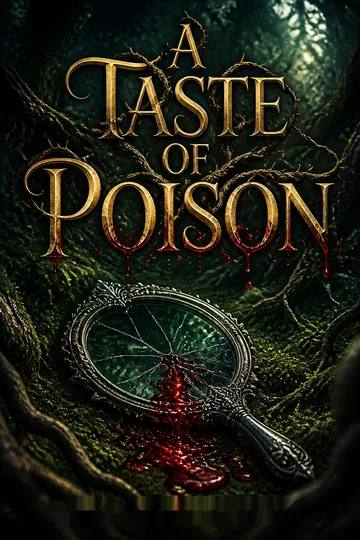
Astrid, half-human princess of the Spring Court, flees Fairweather Palace after her father's sudden, violent death by poison. Her stepmother, Queen Tris, blames her without trial. Astrid's magic—she is a "mirror," reflecting back others' best or worst qualities—renders her both invisible and unforgettable, depending on her mood. Alone in the woods, haunted by grief and hunted by the queen's wrath, Astrid's only comfort is a vial of Crimson Malus, a fae poison that soothes her emotions but marks her as inhuman. A chance encounter with a kelpie, which she survives by bluff and magic, sets the tone for her life on the run: survival through wit, secrecy, and the constant threat of being seen for what she truly is.
The Mirror's Curse
Two months later, Astrid lives in disguise at the Seven Sins Hotel, using her mirror magic to work as a matchmaker in a brothel. Her power makes her both invisible and a chameleon—people see in her what they most value or despise in themselves. She numbs her pain and controls her impressions with Crimson Malus, but the cost is growing. Astrid's only solace is in the small joys of her new life: soft fabrics, stray kittens, and the fleeting safety of anonymity. Yet, she is always aware that her magic is a curse, isolating her from true connection and making her a perpetual outsider, even among the outcasts.
Huntsman's Reluctant Pursuit
Torben, the Huntsman—a fae bear shifter bound to the Alpha Council for gambling debts—arrives in Irridae, following Astrid's scent. He is tasked not only to find her but to bring back her heart, a bargain that would free him from servitude. Torben's sense of smell is nearly infallible, but Astrid's magic confounds him, making her both familiar and unknowable. As he closes in, he is unsettled by the urge to protect her, a feeling at odds with his mission. The Seven Sins Hotel, with its vices and secrets, becomes the stage for their fateful collision.
Chains and Bargains
Their first confrontation is violent and desperate: Torben handcuffs Astrid, intending to fulfill his deadly bargain. Yet, her magic and vulnerability stay his hand. A failed assassination attempt, a chaotic fight, and a shared escape from an ogre force them into an uneasy partnership—literally chained together. As they navigate the hotel's dangers, Astrid bargains for time to prove her innocence, and Torben, bound by both magic and conscience, agrees. Their fates entwine, each seeing in the other a reflection of their own wounds and hopes.
Poisoned Hearts
Torben's investigation reveals that Astrid's father was killed by Crimson Malus—the same poison Astrid uses. The evidence is damning: the pie she baked, the vial she carries, the queen's accusations. Astrid recounts her last days with her father, the argument that led to the pie, and her stepmother's hatred. She insists on her innocence, offering to make a binding vow. Torben, torn between duty and doubt, begins to see the cracks in the case against her, but the poison's scent lingers, a constant reminder of guilt and grief.
The Chariot Stolen
Torben's secret weapon—a Chariot, a rare device for instant travel—is stolen from his suite, derailing his plan to deliver Astrid to the queen. The theft is orchestrated by someone who knows his weaknesses, masking their scent with overpowering florals. Astrid and Torben, still chained, follow the trail through the hotel's labyrinth, their mutual suspicion and reluctant trust deepening. The loss of the Chariot raises the stakes: now, escape and survival depend on finding the real thief, and perhaps, the real killer.
The Ogre's Challenge
Lured into the hotel's enchanted garden, Astrid and Torben are ambushed by Murtis, an ogre sent to kill them. In a brutal fight, Astrid's quick thinking and Torben's bear form save them, but not without bloodshed. The violence cements their bond, and the aftermath—tending wounds, sharing truths—brings them closer. Yet, the ogre's attack is no random act; it is a message from someone who knows their every move, pushing them toward a confrontation neither is ready for.
Blood and Fur
After the fight, Astrid tends to Torben's wounds, and he, in turn, cares for her. Their shared vulnerability—physical and emotional—breaks down barriers. Astrid's addiction to Crimson Malus is laid bare, as is Torben's own history of loss and shame. The comfort they find in each other is fleeting but real, a rare moment of peace in a world that demands masks and violence. The night in the brothel becomes a turning point: trust is possible, but only if they can face the truths of their pasts.
A Night in Lust
Confined together in a brothel suite, Astrid and Torben confront their desires and fears. Astrid's magic, her addiction, and her longing to be seen collide with Torben's guilt and growing affection. Their intimacy is fraught—each touch, each confession, a risk. The night is both a reprieve and a crucible, forging a fragile alliance. Yet, the outside world presses in: the queen's bargain, the missing Chariot, and the ever-present threat of betrayal.
The Queen's Bargain
Madame Fury, head of the fighting pit, offers a bargain: if Torben and Astrid win duels in the arena, she will reveal the identity of the one who set the ogre upon them. The challenge is deadly—Torben must face the legendary griffin Helody, and Astrid, her own nemesis. The duels are more than tests of strength; they are trials of character, forcing each to confront their deepest fears and hopes. The arena becomes a crucible where truth, love, and vengeance are forged.
The Pit's Duel
Torben's fight with Helody is brutal but ends in mercy, earning him respect and a chance at freedom. Astrid's duel is a confrontation with her past: her opponent is not the queen, but Marybeth, her former maid and friend. The revelation that Marybeth is under compulsion, forced to act against her will, shatters Astrid's understanding of guilt and innocence. The duels expose the tangled web of lies, magic, and manipulation that binds them all.
The Truth About Magic
In the aftermath, Astrid confronts the true nature of her magic: it is both a shield and a prison, shaped by her own fears and desires. With Torben's help, she learns to control it, to show her true face, and to accept the pain and joy of being seen. Her addiction to Crimson Malus is revealed as a symptom of deeper wounds—grief, guilt, and the longing for connection. Healing begins, but only through honesty and the willingness to be vulnerable.
The Maid's Confession
Marybeth, freed briefly from compulsion, confesses: she poisoned the pie that killed Astrid's father, but only under the power of a true name given to another. The revelation shifts suspicion from the queen to a deeper, older enemy. Marybeth's death, orchestrated by her unseen master, is both a tragedy and a clue. Astrid and Torben, now truly allies, must follow the trail to its source, even as time runs out and the queen's bargain looms.
The Harding Connection
The investigation leads to the Harding family, old acquaintances of Astrid's, and to Danielle, a former friend turned enemy. The tangled history of jealousy, injury, and betrayal is laid bare. Yet, the true mastermind remains hidden. The journey through old wounds and new revelations forces Astrid to confront the consequences of her magic—not just for herself, but for those around her. The past is not so easily escaped, and forgiveness is as hard-won as truth.
The Mother's Return
Astrid is abducted by the kelpie and brought to Dewberry Lake, where she meets her true mother, Myrasa, a water sprite. Myrasa reveals herself as the architect of Astrid's suffering: she compelled Marybeth, orchestrated the murder, and seeks to reclaim the magic Astrid "stole" as a child. Myrasa's love is twisted, her need for power and connection a mirror of Astrid's own struggles. The confrontation is both a battle for survival and a reckoning with the legacy of abandonment and pain.
The Lake's Secret
Myrasa's draining magic threatens to consume Astrid, but the true power lies in Astrid's ability to love and forgive. The battle is not just physical but emotional—a struggle to break the cycle of harm and reclaim agency. Torben, aided by Queen Tris, arrives in time for a final confrontation. The truth of Astrid's parentage, her magic, and her worth is revealed, not as a curse, but as a hard-won gift.
The Final Confrontation
Queen Tris, recognizing her own failings and the truth of Astrid's magic, delivers justice to Myrasa. The cycle of violence is broken, not by more bloodshed, but by the willingness to see and be seen, to forgive and to change. Astrid and Tris, once enemies, begin the slow work of reconciliation. Torben, freed from his bargain, chooses love over vengeance, and together, they plant the seeds of a new life.
Love Unmasked
Astrid and Torben, no longer fugitives or captors, build a life together rooted in honesty and acceptance. The manor is restored, the farm flourishes, and Astrid finds purpose in helping others—both human and fae—find their own place in the world. The past is not forgotten, but it is no longer a prison. Love, once a risk, becomes a daily choice, a wager worth making.
New Roots, New Faces
A year later, Astrid and Torben's home is a haven for strays and seekers alike. The wounds of the past have not vanished, but they have become the soil from which new life grows. Astrid's magic, once a curse, is now a tool for connection and healing. The story ends not with a final victory, but with the promise of more: more love, more growth, more stories to be told.
Analysis
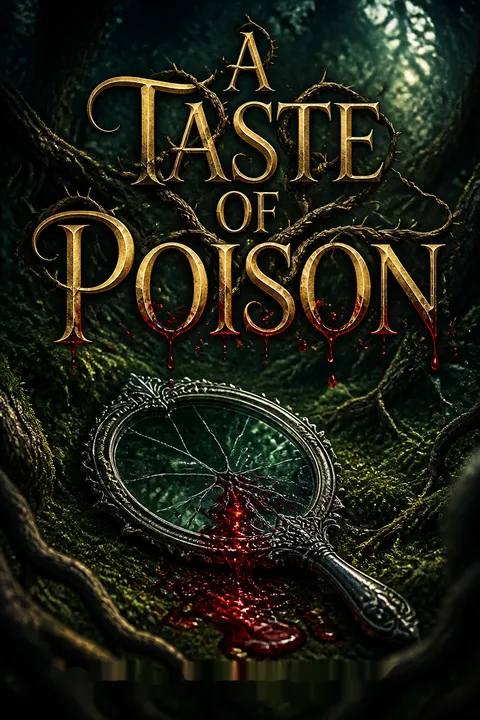
A Taste of Poison is a lush, emotionally charged fantasy that uses the trappings of fae bargains, magical curses, and murder mystery to explore the deepest questions of identity, love, and self-acceptance. At its heart, the novel is about the cost of being seen—truly seen—and the courage it takes to risk connection in a world that punishes vulnerability. Astrid's journey from fugitive to self-possessed heroine is mirrored by Torben's transformation from reluctant hunter to devoted partner, each learning that love is not the absence of pain, but the willingness to face it together. The story's use of mirror magic is a powerful metaphor for the ways we are shaped by others' perceptions and our own fears, while the recurring motif of bargains and addiction speaks to the price we pay for freedom and healing. In a modern context, the novel resonates as a tale of trauma, recovery, and the ongoing work of building a life after loss. Its ultimate message is one of hope: that even the most broken can find new roots, new faces, and new love, if they are willing to be seen.
Review Summary
A Taste of Poison received mostly positive reviews, with readers praising the unique Snow White retelling, engaging characters, and well-developed romance between Astrid and Torben. Many appreciated the creative magic system and plot twists. Some found the pacing slow at times, but overall enjoyed the enemies-to-lovers trope and forced proximity elements. Readers also liked the murder mystery aspect and the author's writing style. A few critics noted issues with character development and pacing, but most found it an enjoyable addition to the Entangled with Fae series.
People Also Read



Characters
Astrid Snow
Astrid is a half-human, half-fae princess whose mirror magic makes her both invisible and unforgettable, depending on her mood. Accused of her father's murder, she flees into a life of disguise, addiction, and self-doubt. Her power is both a shield and a prison, isolating her from true intimacy. Astrid's journey is one of self-acceptance: learning to control her magic, to face her grief and guilt, and to risk being seen for who she truly is. Her relationships—with her father, with Torben, with her enemies—are shaped by the longing to be loved and the fear of being a curse. Ultimately, Astrid's strength lies in her vulnerability and her willingness to forgive, even those who have hurt her most.
Torben Davenport (The Huntsman)
Torben is a fae bear shifter, conscripted as the Alpha Council's Huntsman after gambling away his inheritance. His sense of smell is nearly infallible, but his own shame and longing for freedom cloud his judgment. Tasked with killing Astrid to win his release, he is torn between duty and conscience. Torben's journey is one of atonement: facing the consequences of his past, learning to trust and love again, and choosing compassion over vengeance. His relationship with Astrid transforms him, revealing the strength in vulnerability and the possibility of a future built on honesty and hope.
Queen Tris
Tris, the Seelie Queen of Spring, is Astrid's stepmother and chief accuser. Her initial hatred is rooted in envy—she sees in Astrid a reflection of her own best qualities, twisted by magic and resentment. Tris's arc is one of painful self-recognition: confronting her own flaws, accepting the truth of Astrid's magic, and seeking forgiveness. Her capacity for justice and mercy is tested, but ultimately, she chooses to break the cycle of harm, offering Astrid a chance at reconciliation and herself a path to healing.
Myrasa (Astrid's Mother)
Myrasa is a water sprite, Astrid's true mother, whose magic feeds on the emotions of others. Abandoning Astrid as a child, she orchestrates the murder of Astrid's father and manipulates events from the shadows. Myrasa's need for power and connection is a dark mirror of Astrid's own struggles. Her inability to love or be loved is both her curse and her undoing. In the end, she is destroyed not by violence, but by the truth of her own emptiness.
Marybeth Harding
Marybeth is Astrid's lady's maid and confidante, ultimately revealed to be under magical compulsion to betray her. Her actions—poisoning the pie, delivering false messages—are not her own, but the result of a true name bargain with Myrasa. Marybeth's arc is tragic: a victim of forces beyond her control, her final act is a desperate attempt to warn Astrid, sacrificing herself in the process.
Danielle Harding
Danielle is Astrid's former friend, turned enemy through jealousy and misunderstanding. Her obsession with Astrid's perceived wrongs leads to violence and self-destruction. Danielle's story is a cautionary tale about the dangers of envy and the corrosive power of unresolved pain.
Madame Desire
Madame Desire is the head of the brothel where Astrid works. She values discretion and loyalty, providing Astrid with a haven but also reminding her of the transactional nature of survival. Her relationship with Astrid is shaped by mutual benefit and the ever-present risk of betrayal.
Helody (The Griffin)
Helody is the legendary fighter Astrid and Torben face in the pit. Her duel with Torben is a test of strength and honor, ending in mutual respect. Helody's willingness to yield, to value life over pride, is a model for the story's deeper themes of mercy and transformation.
Murtis (The Ogre)
Murtis is the ogre sent to kill Astrid and Torben, a symbol of the violence and manipulation that pervade the world. His death is both a victory and a warning: even the strongest can be used and discarded by those in power.
Vartul (The Kelpie)
Vartul is the kelpie who serves Myrasa, luring victims to their doom. His encounters with Astrid bookend her journey, representing the ever-present threat of being consumed by forces beyond her control. His ultimate defeat is a sign that old fears can be faced and overcome.
Plot Devices
Mirror Magic and Shifting Perceptions
Astrid's mirror magic is the central device, both literal and metaphorical. It shapes how others see her, how she sees herself, and how the plot unfolds. The magic is both a shield and a prison, isolating her from true connection and making her a perpetual outsider. The device is used to explore themes of self-acceptance, the dangers of projection, and the longing to be seen. The narrative structure mirrors this: shifting points of view, unreliable impressions, and the constant tension between appearance and reality.
Binding Bargains and Compulsion
Fae bargains—binding, literal, and often deadly—drive the plot. Torben's bargain to kill Astrid, Marybeth's true name compulsion, and the queen's deals all serve as engines of conflict and transformation. The bargains are both traps and opportunities, forcing characters to confront the consequences of their choices and the limits of their agency. The breaking and fulfilling of bargains mark key turning points, often with life-or-death stakes.
Poison and Addiction
The poison that kills Astrid's father is also her drug of choice, a literal and figurative means of escape. Addiction is explored as both a symptom and a cause of deeper wounds—grief, guilt, and the longing for numbness. The poison's dual nature—healing for fae, deadly for humans—mirrors the story's exploration of magic as both gift and curse. The struggle to break free from addiction parallels the journey toward self-acceptance and healing.
The Chariot and the Race Against Time
The Chariot, a device for instant travel, is both a MacGuffin and a symbol of stolen agency. Its theft raises the stakes, forcing Astrid and Torben into a race against time and their enemies. The device's limitations and the need to recover it drive much of the middle plot, while its final use marks the story's climax and resolution.
Foreshadowing and Revelations
The narrative is structured around a series of mysteries: who killed Astrid's father, who controls Marybeth, what is the true nature of Astrid's magic, and what is the cost of love and forgiveness. Foreshadowing is used to build tension and deepen character arcs, with each revelation forcing the characters to confront uncomfortable truths and make hard choices. The final revelations—about Myrasa, about magic, about love—are both surprising and inevitable, the result of careful layering and emotional investment.
Entangled with Fae Series

About the Author
Download PDF
Download EPUB
.epub digital book format is ideal for reading ebooks on phones, tablets, and e-readers.








































