
Plot Summary
Belfast's Burning Summer
In July, Detective Inspector Sean Duffy finds himself in a city on edge, where poetry readings and quiet pints are interrupted by riots, paramilitary roadblocks, and the ever-present threat of violence. Duffy, now a part-time cop, is more interested in escaping to Scotland and his family than getting involved. But the city's chaos is inescapable, and the sense of danger is heightened by the randomness of survival—one wrong answer at a roadblock could mean death. Duffy's world is one of constant vigilance, where even a simple drive home is fraught with peril. The emotional weight of the Troubles, the exhaustion of years of conflict, and the longing for normalcy set the tone for the story's opening, as Duffy is reluctantly drawn back into the fray.
A Reluctant Detective Returns
After a routine visit to the station, Duffy is cornered by his superior, Chief Inspector McArthur, who pleads for his help with a new murder case. Despite his desire to avoid involvement, Duffy's sense of duty and pride are triggered when he learns that the alternative is to let the less competent Larne CID handle the case. The victim is a painter, shot during a supposed carjacking. Duffy's old partner, Crabbie, is roped in, and the two men—both semi-retired and out of practice—find themselves back in the detective game. The emotional arc is one of resignation mixed with a rekindled sense of purpose, as Duffy realizes that, despite everything, he still craves the chase and the chance to bring justice to the dead.
Murder on Belfast Road
Duffy and Crabbie arrive at the scene of a brutal killing: a man shot with a shotgun, his expensive Jaguar stolen. The forensic evidence doesn't quite fit a panicked joyrider scenario—there's too much professionalism, too little chaos. The victim's wallet is left full of cash, and the shell casings are missing. Duffy's instincts tell him this is an execution, not a random act. The emotional impact is immediate: the horror of the violence, the sense of something deeper at play, and the old thrill of piecing together a mystery. The case is no longer just a job; it's a puzzle that demands their best.
The Man with No Past
As Duffy and Crabbie investigate, they discover that the dead man, known as Quentin Townes, has no real history—no ID, no bank account, no family, and no trace in any official database. Neighbors describe him as polite, talented, and secretive, but no one truly knows him. The search of his house yields little: no personal effects, no letters, no clues to his origins. The emotional tone is one of frustration and intrigue, as the detectives realize they are dealing with a ghost. The sense of isolation and the difficulty of finding truth in a world of secrets become central themes, reflecting the Duality of Identity and Deception that pervades the case.
Art, Money, and Motive
The investigation uncovers two valuable Picasso etchings in Townes's home, as well as evidence of significant cash transactions. Duffy consults a local art forger, Archie Simmons, who confirms the Picassos are genuine and worth a small fortune. The provenance of the art leads to more questions: how did a modest portrait painter acquire such treasures? The detectives begin to suspect that Townes was involved in something far more complex than art or teaching. The emotional arc is one of mounting curiosity and suspicion, as the case shifts from a simple murder to a web of hidden identities and possible criminal enterprise.
The Burned Jaguar
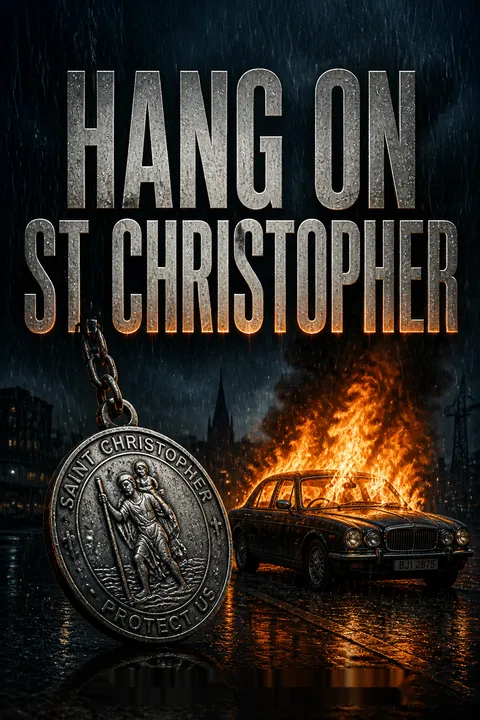
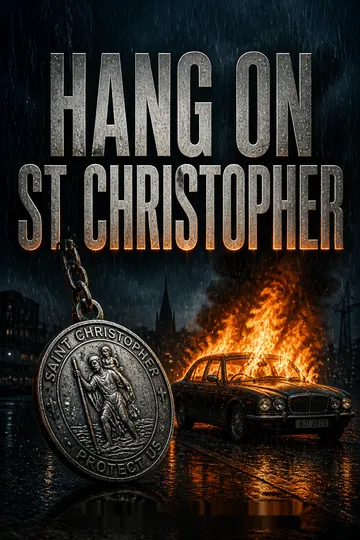
The stolen Jaguar is found torched in a rough Loyalist estate, its forensic evidence destroyed. Witnesses are silent, and the only clue is a distinctive motorcycle tire track—likely from a Norton Commando. Duffy's attempts to question locals are met with hostility and violence, underscoring the city's lawlessness and the difficulty of policing in such an environment. The emotional tone is one of frustration and danger, as Duffy is reminded of the limits of his power and the ever-present threat from both sides of the conflict.
The Forger's Clue
Duffy's visit to Archie Simmons, the art forger, yields a breakthrough: the Picassos were bought at an auction under a different name, Alan Locke. This new identity leads to a military background, a history of arrests, and a pattern of vanishing from official records. The detectives realize that Townes/Locke was likely a professional killer or operative, not just an artist. The emotional impact is a mix of satisfaction at the progress and unease at the implications—this is no ordinary murder, and the stakes are rising. The Duality of Identity and Deception becomes increasingly central to understanding the case.
Cross-Border Shadows
Duffy and Crabbie follow leads to Dundalk and Dublin, seeking connections between the victim and the IRA. They discover that Townes was in frequent contact with a phone box in Dundalk, a known IRA stronghold. Attempts to trace his identity through a Dublin tailor are thwarted by suspiciously missing records, suggesting deliberate obstruction. The emotional arc is one of mounting paranoia and the realization that powerful forces are at work to conceal the truth. The border, both literal and metaphorical, becomes a symbol of the barriers to justice, hinting at the Political Intrigue and Espionage that underlies the case.
The Caravan of Secrets
The detectives uncover a caravan registered to Alan Locke, filled with gun racks and the smell of gun oil. They arrive just as a cleanup crew—armed and dangerous—removes evidence, leading to a violent chase and near-fatal encounter. The caravan reveals Locke's true role as an assassin, likely working for the IRA's Brendan O'Roarke. The emotional tone is one of adrenaline, fear, and the sobering realization that they are up against professionals. The case is now a matter of life and death, not just for the detectives but for the political future of Ireland, revealing the depth of Political Intrigue and Espionage at play.
The Assassin's Trail
As Duffy and Crabbie piece together the evidence, they realize that Locke was part of a team of IRA assassins, and that someone is systematically eliminating them. A second murder, that of Eileen Cavanagh, follows the same pattern—another professional hit disguised as a burglary. The detectives suspect that a third party, possibly with international connections, is intervening to prevent an internal IRA coup. The emotional arc is one of dread and helplessness, as the scale of the conspiracy becomes clear and the detectives are increasingly sidelined by Special Branch and higher authorities. The Political Intrigue and Espionage deepens as international forces become apparent.
The Bug in the Phone
Duffy discovers his home has been bugged with advanced CIA equipment, indicating that foreign intelligence is involved. His attempts to use the bug to entrap the killer fail, and he is warned off by both Special Branch and his own instincts. The emotional tone is one of paranoia, vulnerability, and the sense of being a pawn in a much larger game. The personal stakes rise as Duffy realizes his family could be at risk, and the boundaries between professional duty and personal safety blur. The Political Intrigue and Espionage now directly threatens Duffy's personal life.
The Kill List Emerges
A search of Locke's caravan uncovers a kill list containing the names of senior IRA figures. The detectives deduce that Locke and his team were preparing to assassinate rivals as part of a planned coup by O'Roarke. The list is handed over to Special Branch, who quickly take over the investigation, sidelining Duffy and Crabbie. The emotional arc is one of frustration and resignation, as the detectives are forced to watch from the sidelines while the real power players move the pieces. The Political Intrigue and Espionage reaches its peak as the full scope of the conspiracy is revealed.
The Wake and the Warning
Duffy attends Locke's wake in Dundalk, where he confronts Brendan O'Roarke and is met with hostility and threats. The encounter is charged with mutual recognition and unspoken danger. O'Roarke is a man consumed by hate and ambition, and Duffy senses that the violence is far from over. The emotional tone is one of tension, anger, and the realization that personal and political vendettas are deeply intertwined.
The Second Body
A second IRA operative is found murdered in Belfast, killed with brutal efficiency. The crime scene suggests a professional hit, not a random act. Special Branch, now fully in control, dismisses Duffy's insights, but he persists in connecting the dots. The emotional arc is one of alienation and determination, as Duffy refuses to let go of the case even as he is pushed to the margins.
The Ambush at Ferryhill
On the way back from an interview with O'Roarke, Duffy, Crabbie, and a team of detectives are ambushed by IRA gunmen and mortars on the Ferryhill Road. The attack is a coordinated attempt to wipe out the investigators, resulting in chaos, injury, and death. Duffy's leadership and quick thinking save lives, but the trauma and sense of betrayal—especially when a Special Branch superior abandons them—leave lasting scars. The emotional impact is one of shock, grief, and the bitter taste of survival in a war zone.
The Aftermath and the Cover-Up
In the wake of the ambush, the official inquiry is a whitewash, and the case is quietly closed by Special Branch. Duffy and Crabbie are sidelined, their efforts unrecognized, and the real story is suppressed to protect political interests. The emotional arc is one of disillusionment and anger, as the detectives realize that justice is often sacrificed for expediency. The personal cost of the investigation—trauma, isolation, and the threat to family—becomes painfully clear. The theme of Moral Ambiguity and Compromise dominates as Duffy confronts the limits of justice.
The American Connection
A tip from a Traveller informant, Killian, leads Duffy on an international chase, following the killer from Belfast to Knock, Inverness, Reykjavik, and finally to the United States. The assassin is revealed to be a CIA operative, Kevin Donnolly, tasked with eliminating O'Roarke's team to prevent an IRA coup and ensure the success of secret peace negotiations. Duffy confronts Donnolly in his American home, risking his life to uncover the truth. The emotional arc is one of obsession, courage, and the moral ambiguity of justice in a world of realpolitik. The full extent of Political Intrigue and Espionage is finally revealed.
The Final Confrontation
Duffy survives his encounter with Donnolly, extracting a confession and securing a promise of safety for himself and his family. He warns O'Roarke of the impending threat, knowing it may not change the outcome. The case ends not with triumph but with resignation—a recognition that some truths are too dangerous to expose, and that peace, when it comes, is built on compromise and silence. Duffy returns to his family, haunted but alive, and the story closes on the ambiguous promise of a new day. The Moral Ambiguity and Compromise that has defined the investigation reaches its conclusion.
Analysis
Hang on St. Christopher is a masterful exploration of the personal and political costs of violence, loyalty, and compromise in Northern Ireland's Troubles. Through the eyes of Sean Duffy, Adrian McKinty crafts a narrative that is both a gripping procedural and a meditation on the nature of justice in a world where truth is always contested. The novel's structure—layering mystery, action, and psychological depth—mirrors the complexity of its setting, where every act is fraught with historical and moral significance. The story's central lesson is the impossibility of clean solutions: justice is always partial, peace is always bought at a price, and survival often requires complicity with forces beyond one's control. McKinty's use of duality—personal and political, public and private, victim and perpetrator—invites readers to question their own assumptions about right and wrong. Ultimately, the novel suggests that in a world of shifting allegiances and hidden agendas, the best one can hope for is to protect those one loves, to act with integrity when possible, and to accept the limits of one's power. The emotional arc—from resignation to obsession to uneasy acceptance—captures the enduring trauma of the Troubles and the fragile hope of a new day. The themes of Moral Ambiguity and Compromise and Political Intrigue and Espionage interweave throughout, creating a rich tapestry that reflects the complexity of Duffy's world and the impossible choices he must make.
Review Summary
Hang on St. Christopher, the eighth Sean Duffy novel, receives mostly high praise (4.42/5 stars). Set in 1992 Belfast during the Troubles, part-timer Detective Inspector Duffy investigates what appears to be a carjacking but uncovers an IRA assassin's murder involving CIA, MI5, and Special Branch operations. Readers praise McKinty's dark humor, Gerard Doyle's audiobook narration, and the vivid atmospheric setting. Duffy's character—impulsive, tenacious, and culturally literate—resonates strongly. Some note McKinty's altered writing style with staccato sentences. Most consider it a strong return to form, though a few find it weaker than earlier installments.
People Also Read
Characters
Sean Duffy
Duffy is a Catholic RUC detective in a Protestant-dominated force, perpetually caught between worlds. His intelligence, intuition, and stubbornness make him a formidable investigator, but his inability to let go of a case—or his own demons—often puts him at odds with superiors and endangers those he loves. Duffy's relationships are marked by loyalty and regret: he loves his partner Beth and daughter Emma, but is tempted by the possibility of escape or infidelity. Psychologically, he is driven by a need for meaning and justice in a world that offers little of either. Over the course of the story, Duffy moves from reluctant participant to obsessed pursuer, ultimately forced to accept the limits of his power and the compromises required by survival.
John "Crabbie" McCrabban
Crabbie is Duffy's longtime colleague and friend, a Presbyterian farmer turned part-time detective. He is stoic, reliable, and deeply ethical, providing a counterbalance to Duffy's impulsiveness. Crabbie's dry humor and unflappable nature mask a deep sense of duty and compassion. His relationship with Duffy is one of mutual respect and occasional exasperation, as he tries to keep his friend grounded. Psychologically, Crabbie is motivated by faith, family, and a desire for order in a chaotic world. His development is subtle but profound, as he navigates the tension between loyalty to Duffy and the need to protect himself and his own.
Chief Inspector McArthur
McArthur is Duffy's boss, a career administrator more concerned with appearances and political fallout than with justice. He is skilled at navigating bureaucracy and deflecting blame, often using Duffy's talents when convenient but quick to distance himself when things go wrong. Psychologically, McArthur is motivated by self-preservation and a desire for advancement. His relationship with Duffy is transactional, marked by mutual suspicion and occasional moments of genuine respect.
Brendan O'Roarke
O'Roarke is the story's primary antagonist, a hardline Republican with a vision of revolution and little regard for human life. He is intelligent, manipulative, and driven by a deep sense of grievance and destiny. O'Roarke's psychological complexity lies in his capacity for both charm and cruelty, and in his ability to inspire loyalty and fear. His relationship with Duffy is adversarial but tinged with mutual recognition—they are both men shaped by the Troubles, both haunted by loss and violence.
Alan Locke / Quentin Townes
Locke, posing as Quentin Townes, is a professional killer whose true identity is obscured by layers of deception. He is disciplined, intelligent, and emotionally detached, able to blend into any environment. Psychologically, Locke is a survivor, shaped by years of violence and secrecy. His development is revealed posthumously, as Duffy uncovers the truth about his role in a larger conspiracy.
Kevin Donnolly / John Wilson
Donnolly is the American assassin sent to eliminate O'Roarke's team and ensure the success of peace negotiations. He is highly trained, methodical, and morally ambiguous, capable of both charm and brutality. Psychologically, Donnolly is a true believer in the ends justifying the means, but is not without conscience—his visits to Knock and his conversations with Duffy reveal a man aware of the cost of his actions. His relationship with Duffy is adversarial but tinged with professional respect.
Beth
Beth is intelligent, independent, and supportive, providing stability and love in Duffy's chaotic life. She is perceptive, aware of Duffy's flaws and the dangers he faces, but chooses to stand by him. Psychologically, Beth is motivated by love, pragmatism, and a desire for a better future for their daughter. Her development is seen in her ability to set boundaries and demand honesty from Duffy.
Emma
Emma represents innocence and the possibility of a future beyond violence. Her presence grounds Duffy and reminds him of what is at stake. Psychologically, she is a child shaped by the anxieties of her parents but resilient and loving.
Archie Simmons
Archie is a survivor, skilled at navigating the gray areas of legality and morality. He provides crucial information to Duffy, motivated by self-interest and a grudging respect for the detective. Psychologically, Archie is opportunistic but not without a sense of loyalty.
Killian
Killian is street-smart, pragmatic, and loyal to his own code. He provides Duffy with the key lead that breaks the case open. Psychologically, Killian is motivated by survival, family, and a sense of honor that transcends the law.
Plot Devices
Duality of Identity and Deception
The story is structured around the theme of duality: characters adopt false identities, motives are concealed, and truth is elusive. Duffy's own status as an outsider—Catholic in a Protestant force, detective and family man, participant and observer—mirrors the larger ambiguities of the case. The use of aliases, forged documents, and secret communications creates a sense of constant uncertainty, forcing both characters and readers to question appearances and search for deeper meaning.
Political Intrigue and Espionage
The plot is propelled by the intersection of local crime and global politics: the IRA's internal power struggles, the involvement of British and American intelligence, and the shadowy peace process. Foreshadowing is used to hint at larger forces at work—missing records, advanced surveillance, and the sudden intervention of Special Branch and the CIA. The narrative structure alternates between procedural investigation and moments of high-stakes action, building tension and revealing the limits of individual agency in a world of realpolitik.
Moral Ambiguity and Compromise
The story repeatedly confronts the question of what is right: Duffy's pursuit of truth is undermined by political cover-ups, personal risk, and the recognition that peace may require silence and complicity. The use of unreliable narrators, shifting perspectives, and unresolved endings reinforces the theme that in the world of the Troubles, there are no easy answers—only choices between lesser evils.
Psychological Realism and Emotional Depth
The narrative is deeply invested in the inner lives of its characters: Duffy's doubts, Crabbie's steadfastness, O'Roarke's rage, Donnolly's cold logic. The use of internal monologue, dreams, and moments of vulnerability allows readers to experience the emotional stakes of the investigation. The story's structure—moving from action to reflection, from violence to domesticity—mirrors the psychological toll of life in a war zone.
Detective Sean Duffy Series
Download PDF
Download EPUB
.epub digital book format is ideal for reading ebooks on phones, tablets, and e-readers.








































