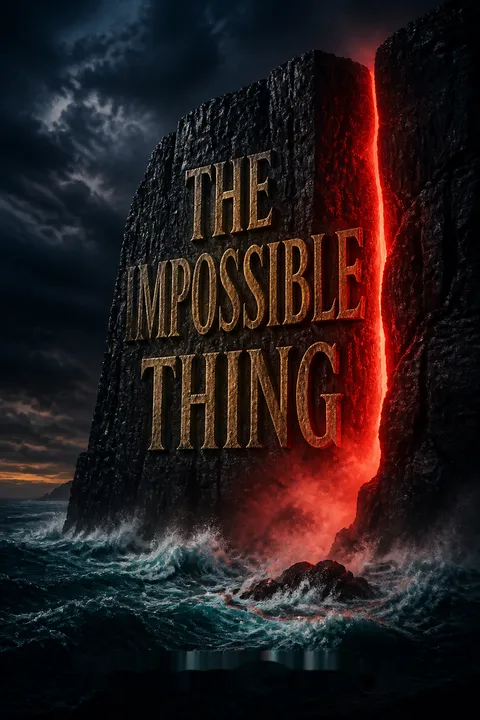

Plot Summary
Crosshairs and Old Habits
Finn Garrett and his partner Coughlan lie in wait for Matthew Barr, a notorious egg thief, in the Brecon Beacons. Their patience is rewarded when Barr, accompanied by a woman and a child, returns to a hidden cache of plastic boxes—evidence of his crimes. Garrett's years of frustration and obsession culminate in Barr's capture, a moment both triumphant and hollow. The scene is thick with anticipation, the weight of old habits and the relentless pursuit of justice. The emotional charge is palpable: the satisfaction of a job done, the bitterness of what it cost, and the knowledge that the cycle of obsession—whether for eggs or justice—never truly ends.
Climmers and Cracked Cliffs
In 1920, Jim Chandler, a seasoned climmer, risks his life on the Bempton cliffs, sweeping away eggs so the birds will lay again, ensuring a fresh, valuable harvest. The world of climming is dangerous, competitive, and lucrative, with gangs vying for the best eggs and brokers ready to pay top prices. The cliffs are alive with birds and boys, the air thick with the cries of both. Chandler's expertise and secret codes make his gang the most reliable, but the work is grueling and the risks ever-present. The chapter immerses us in the visceral, perilous beauty of the egg-collecting world, where every ledge and every egg is hard-won.
Celie's Burden
Celie Sheppard grows up on Metland Farm, blamed for her father's abandonment and the family's misfortunes. Her mother, Enid, shoulders the burden of survival, while Celie becomes the responsibility of Robert, a simple, loyal boy. The farm is isolated, the work relentless, and the children's resentment of Celie is palpable. Yet, through neglect and hardship, Celie survives, forming a quiet bond with Robert. The emotional landscape is one of guilt, endurance, and the faint hope that something—perhaps a miracle—might save them from ruin.
Neighbours in Distress
In the present, Patrick Fort, a man with a unique mind and routines, discovers his neighbours, Nick and his mother, bound and robbed. The police are indifferent, suspecting junkies, but the truth is more complex. Patrick's methodical, literal approach to life contrasts with the chaos of the crime, and his friendship with Nick is both a comfort and a source of confusion. The aftermath of the break-in exposes vulnerabilities, the limits of understanding, and the quiet heroism of those who care in their own way.
The Impossible Crack
Celie and Robert, desperate for food, hatch a plan to collect eggs from the forbidden Metland overhang. With a makeshift rope and harness, Celie—small enough to fit through the crack—descends into a world of birds and danger. The experience is terrifying and exhilarating, but disaster strikes when she falls, saved only by luck and the intervention of the Chandler gang. The event changes everything: Celie's courage is both her curse and her salvation, and the accidental acquisition of a unique egg sets the stage for the legend of the Metland Egg.
The Metland Egg
The discovery of the red Metland Egg draws the attention of George Ambler, a London broker obsessed with rare eggs. Celie's negotiation, aided by Chandler, drives up the price, and the egg becomes the stuff of legend. Ambler's ambition and greed are matched by the Sheppards' desperation, and a contract is struck: more red eggs for more money. The emotional stakes are high—pride, envy, and the intoxicating allure of the impossible. The Metland Egg becomes a symbol of hope, avarice, and the lengths people will go for what they desire.
Collectors and Obsessions
The world of egg collecting is revealed in all its eccentricity and competitiveness. Brokers like Ambler manipulate climmers and collectors, driving up prices and fueling rivalries. The Metland Egg's fame grows, drawing the attention of wealthy collectors and sparking envy and resentment. The pursuit of the egg becomes a metaphor for obsession—whether for beauty, status, or victory. The emotional arc is one of longing, disappointment, and the corrosive effects of wanting more than one needs.
Need and Want
The Metland Egg's legend spreads, and collectors vie for the chance to own it. Invitations, schemes, and betrayals abound as men like Major Howells and Rickaby measure their worth by the eggs they possess. The Sheppards' fortunes rise, but at a cost: the relentless extraction of eggs from the same bird, year after year. The emotional toll is felt by all—envy, pride, and the gnawing sense that happiness is always just out of reach.
War and Loss
The interwar years bring upheaval. The Sheppard family's fortunes improve, but the shadow of war looms. Stanley's attempt to enlist ends in tragedy, and the family is forever altered. Celie's marriage to Robert is brief and bittersweet, ending with his death and her pregnancy. The emotional landscape is one of grief, resilience, and the search for meaning in the face of loss. The Metland Egg, once a symbol of hope, becomes a reminder of what has been taken and what can never be returned.
The Red Egg's Journey
As decades pass, the Metland Eggs change hands, hidden and hoarded by those who covet them. Ambler's greed leads to his downfall, and the eggs are spirited away by those seeking redemption or escape. The eggs become talismans—of trauma, hope, and the possibility of new beginnings. The emotional arc is one of secrecy, guilt, and the longing for absolution.
Modern-Day Heist
In the present, Patrick and Nick's search for the stolen egg leads them into the world of museums, collectors, and wildlife crime. They uncover the truth about the Metland Eggs, the duplicity of those who claim to protect them, and the lengths to which obsession will drive people. A meticulously planned heist at the Natural History Museum becomes a test of friendship, courage, and conscience. The emotional stakes are high—fear, excitement, and the hope of righting an old wrong.
The Guillemot Room
Patrick's infiltration of the museum's guillemot room is a tense, breathless sequence. He finds the hidden drawer, the red eggs, and the evidence of decades of theft and concealment. The sense of triumph is tempered by the knowledge that they are being pursued, and that the war over the eggs is not yet over. The emotional arc is one of exhilaration, anxiety, and the dawning realization that some treasures are too costly to keep.
Confrontations and Consequences
The pursuit of the eggs leads to violent confrontations, betrayals, and moments of truth. Finn Garrett's crusade against collectors blurs the line between justice and vengeance. Dr. Connor's duplicity is exposed, and the cost of obsession is laid bare. The characters are forced to confront their own motives, the harm they have caused, and the possibility of redemption. The emotional climax is fraught with danger, regret, and the hope for forgiveness.
Returning What Was Stolen
Patrick and Meg, recognizing the true cost of the Metland Eggs, decide to return them to the cliffs where they belong. Their journey is both literal and symbolic—a pilgrimage to undo a century of theft and exploitation. The act of releasing the eggs is an act of grace, a recognition that some things are not meant to be possessed. The emotional resolution is one of peace, humility, and the quiet joy of doing the right thing.
The End and The Beginning
As the eggs are returned to the sea, the story comes full circle. The characters find closure, forgiveness, and the possibility of new beginnings. The legend of the Metland Egg endures, a testament to the beauty and fragility of the natural world, and the human capacity for both harm and healing. The emotional arc concludes with hope, wonder, and the sense that every ending is also a beginning.
Analysis
The Impossible Thing is a profound meditation on obsession, legacy, and the moral cost of desire. Through its dual timelines, the novel interrogates the ways in which the past shapes the present, and how the pursuit of beauty or justice can become destructive when untethered from empathy. The Metland Egg, impossible and alluring, becomes a symbol of all that is coveted and lost—nature's wonders, innocence, and the hope for redemption. Bauer's narrative challenges the reader to consider the ethics of collection, the allure of forbidden knowledge, and the possibility of making amends for old wrongs. The act of returning the eggs is both literal and symbolic—a recognition that some treasures are not meant to be possessed, and that true healing comes from letting go. The novel's lesson is clear: the impossible thing is not the finding or the keeping, but the courage to return what was never truly ours, and to begin again with humility and hope.
Review Summary
The Impossible Thing receives mostly high praise (4.1/5 stars) for its unique premise about historical egg trafficking and collecting. Readers admire the dual timeline structure connecting 1920s Yorkshire to present-day Wales, the return of beloved character Patrick Fort, and Bauer's skillful character development. Many found the obscure subject matter surprisingly gripping and appreciated the sensitive portrayal of neurodivergent Patrick. Some critics felt the pacing was too slow or disjointed, and a few found the topic odd. The audiobook narration by Phil Dunster earned particular acclaim for authentic accents and emotional delivery.
People Also Read

Characters
Celie Sheppard
Celie is the pale, frail scapegoat of her family, blamed for her father's abandonment and the farm's misfortunes. Raised in neglect, she forms a deep, wordless bond with Robert, the simple farmhand. Her courage and desperation drive her to attempt the impossible—retrieving eggs from the forbidden Metland overhang. Celie's journey is one of endurance, guilt, and reluctant heroism. She becomes the unwitting catalyst for the legend of the Metland Egg, her actions echoing through generations. Psychologically, Celie is marked by shame, longing for acceptance, and a fierce, quiet resilience. Her development is a testament to the power of survival and the cost of being both victim and agent of change.
Robert (Metland)
Robert is the orphaned, "soft in the head" boy who becomes Celie's guardian and anchor. His loyalty is unwavering, his understanding simple but profound. He enables Celie's daring, risking his own safety for her sake. As he matures, Robert becomes the backbone of Metland Farm, eventually taking the name Metland and managing the land with quiet competence. His love for Celie is deep and unspoken, culminating in a brief, tender marriage cut short by war. Psychologically, Robert embodies steadfastness, humility, and the pain of loving without expectation. His arc is one of self-sacrifice, fulfillment, and loss.
George Ambler
Ambler is the quintessential outsider—an ambitious London broker obsessed with rare eggs and social advancement. His cunning, greed, and lack of scruples drive the commodification of the Metland Egg, fueling rivalries and betrayals. Ambler's psychological makeup is a blend of insecurity, envy, and the desperate need for validation. His relationships are transactional, his empathy limited. Ultimately, his obsession leads to his downfall, a victim of the very forces he sought to control. Ambler's arc is a cautionary tale of unchecked desire and the emptiness of hollow victories.
Finn Garrett
Garrett is the modern face of justice—an RSPB officer whose pursuit of egg thieves borders on obsession. His methods are ruthless, his sense of right and wrong absolute. Garrett's psychological landscape is shaped by anger, frustration, and a deep-seated need to make amends for past failures. His relationships are transactional, his empathy limited by his mission. Over time, Garrett's crusade blurs the line between justice and vengeance, forcing him to confront the cost of his own obsessions. His development is a study in the dangers of moral absolutism and the possibility of redemption.
Patrick Fort
Patrick is a man whose mind works differently—methodical, literal, and often bewildered by the chaos of human emotion. His routines and rituals are both shield and prison. Drawn into the mystery of the stolen egg, Patrick's journey is one of growth, courage, and the gradual opening of his heart. His friendship with Nick is both a challenge and a lifeline, and his relationship with Meg offers the possibility of connection and understanding. Psychologically, Patrick is marked by anxiety, honesty, and a deep yearning for clarity. His arc is one of self-discovery, bravery, and the quiet heroism of doing what is right.
Weird Nick (Nick Morgan)
Nick is Patrick's best friend—a hypochondriac, gamer, and self-proclaimed "weird" guy. His impulsiveness and humor mask deeper insecurities and a longing for acceptance. Nick's involvement in the egg mystery is driven by curiosity, greed, and the hope of a windfall, but he ultimately proves himself loyal and brave. Psychologically, Nick is marked by anxiety, self-deprecation, and the need to prove himself. His development is one of maturation, learning the value of friendship, and the limits of self-interest.
Dr. Connor
Dr. Connor is the modern curator of the Natural History Museum's egg collection—a man torn between scientific duty and personal obsession. Outwardly affable and knowledgeable, he harbors secrets and a willingness to bend the rules for what he believes is a greater good. Psychologically, Connor is driven by ambition, guilt, and the fear of exposure. His relationships are transactional, his empathy genuine but compromised by his own desires. His arc is a meditation on the ethics of collection, the allure of forbidden knowledge, and the cost of secrecy.
Enid Sheppard
Enid is Celie's mother—a woman abandoned, shamed, and forced to become both mother and father to her children. Her strength is quiet but formidable, her love expressed through sacrifice and endurance. Enid's psychological makeup is shaped by loss, pride, and the determination to keep her family together. Her relationship with Celie is fraught but ultimately redemptive. Enid's arc is one of survival, forgiveness, and the bittersweet rewards of perseverance.
Martha
Martha is the housemaid who suffers at Ambler's hands, bearing his child and the burden of his crimes. Her resilience is quiet but unbreakable, her love for her son a source of hope and healing. Martha's psychological landscape is marked by trauma, shame, and the longing for dignity. Her decision to keep the first Metland Egg is both an act of defiance and a means of reclaiming agency. Her arc is one of survival, transformation, and the quiet power of endurance.
The Metland Guillemot
The guillemot whose eggs are stolen year after year becomes a silent, enduring presence—a symbol of nature's resilience and vulnerability. Its repeated loss and return mirror the cycles of human desire and regret. The bird's arc is one of suffering, adaptation, and the hope that, one day, what was taken will be restored.
Plot Devices
Dual Timelines and Interwoven Narratives
The novel masterfully weaves together two timelines: the early 20th-century saga of the Sheppard family and the modern-day quest of Patrick and Nick. This structure allows the reader to see the long shadow cast by past actions, the persistence of obsession, and the cyclical nature of desire and restitution. The interlacing of stories creates suspense, deepens character motivations, and highlights the enduring impact of choices made long ago.
The MacGuffin: The Metland Egg
The Metland Egg serves as the novel's central MacGuffin—a unique, impossible red egg that becomes the object of desire, envy, and conflict across generations. Its journey from cliff to collector, from museum to heist, is the thread that binds the characters and themes. The egg's symbolic weight grows as it passes through hands, representing hope, greed, loss, and ultimately, the possibility of redemption.
Obsession and Moral Ambiguity
The novel explores the psychology of obsession—whether for eggs, justice, or love—and the ways it distorts morality. Characters justify theft, betrayal, and even violence in pursuit of what they want. The narrative structure uses shifting perspectives to reveal the complexity of motives, the ease with which good intentions become harmful, and the difficulty of distinguishing hero from villain.
Foreshadowing and Symbolism
Eggs are more than objects—they are symbols of potential, fragility, and the consequences of taking what is not freely given. The repeated imagery of cracks, falls, and overhangs foreshadows both literal and metaphorical peril. The motif of returning what was stolen—of letting go—serves as both plot resolution and thematic closure.
Heist and Procedural Elements
The present-day storyline employs the conventions of a heist and procedural mystery: clues, surveillance, infiltration, and escape. These elements create suspense and mirror the historical thefts, inviting the reader to question who the real criminals are and what justice truly means.
Download PDF
Download EPUB
.epub digital book format is ideal for reading ebooks on phones, tablets, and e-readers.








































