
Plot Summary
Stones and Scars
Nathan, reeling from the death of his father Marcus and betrayal by Annalise, obsessively counts the stones representing those he's killed. Each stone is a memory, a scar, and a measure of his growing detachment from humanity. His only solace is Gabriel, his steadfast friend and unspoken love, but even that relationship is strained by Nathan's rage and trauma. The Alliance of Free Witches is shattered, and Nathan's world is reduced to survival, vengeance, and the endless search for Annalise, whose betrayal and disappearance gnaw at him. The emotional weight of his actions and the ghosts of the past threaten to consume him, as he struggles to find meaning and connection in a world defined by violence and loss.
Gifts and Curses
Nathan's magical abilities, inherited from his father, are both a blessing and a curse. He practices invisibility, lightning, and fire, desperate to master all of Marcus's Gifts, especially the power to stop time. Yet, visions of his own death—often at Gabriel's hand—haunt him, blurring the line between fate and free will. The Gifts isolate Nathan further, making him a weapon in a war he never chose. His relationship with Gabriel is tested by secrecy, guilt, and the ever-present threat of violence. Nathan's struggle to control his powers mirrors his internal battle: can he remain human, or will the Gifts—and the war—turn him into the monster others fear?
The Trap in the Woods
Nathan's relentless hunt for Annalise leads him into a Hunter trap. Using his Gifts, he infiltrates a camp, kills multiple Hunters, and rescues a supposed prisoner, Donna. The violence is brutal and efficient, but it leaves Nathan shaken and further alienated from the Alliance. Donna's ambiguous loyalties and the ever-present threat of betrayal highlight the difficulty of trust in wartime. Nathan's actions, though necessary for survival, deepen his sense of isolation and guilt. The episode underscores the moral ambiguity of war, where mercy and brutality are often indistinguishable, and every act of violence leaves a mark on the soul.
Prisoners and Alliances
Nathan brings Donna to the Alliance camp, but her presence sows distrust. The Alliance, fractured and wary, debates her fate, reflecting the broader tensions between Black and White Witches. Nathan's own status is precarious; his power and reputation make him both an asset and a threat. The camp is a microcosm of the larger conflict: alliances are fragile, and old prejudices persist. Nathan's relationship with Gabriel is further strained by secrets and misunderstandings, culminating in a painful confrontation. The chapter explores the cost of survival—not just in lives lost, but in the erosion of trust and the hardening of hearts.
Blood and Betrayal
The revelation that Annalise has been a prisoner of the Alliance all along shatters Nathan. His quest for vengeance is exposed as futile, and his trust in Gabriel is deeply wounded. The Alliance, seeking legitimacy, plans a trial for Annalise, but Nathan's desire for personal justice clashes with the need for collective order. The lines between victim and perpetrator blur, as Nathan is forced to confront his own capacity for violence and the possibility that he, too, could become the monster he hunts. The emotional stakes are heightened, and the cost of betrayal—by others and by oneself—becomes painfully clear.
The Amulet's Secret
The Alliance's hopes rest on Nathan's ability to defeat Soul, the tyrannical leader of the White Witches. To do so, he must obtain the legendary Vardian amulet, said to grant invulnerability. Guided by Van and Nesbitt, Nathan and Gabriel embark on a journey to find Ledger, the amulet's enigmatic keeper. The quest is as much about self-discovery as it is about power; Nathan must confront his fears, his desires, and the possibility that true strength lies not in magic, but in balance and restraint. The amulet becomes a symbol of the choices that define us—and the sacrifices they demand.
Ledger's Lessons
Ledger, a witch of immense power and wisdom, challenges Nathan's understanding of magic, morality, and destiny. Through conversation and combat, Ledger teaches that true mastery comes from harmony, not domination. The amulet's power is unlocked only through sacrifice—Nathan must sever a part of himself, literally and figuratively, to wield it. The lessons are hard-won: violence begets violence, and the pursuit of power without purpose leads to ruin. Ledger's guidance offers a glimpse of another path, one where strength is measured not by the ability to kill, but by the capacity to choose mercy over vengeance.
Love and Loss
In the quiet moments away from war, Nathan and Gabriel finally acknowledge their love, sharing vulnerability and hope. Their relationship, long fraught with tension and unspoken longing, becomes a source of healing and strength. Yet, the specter of loss looms large; the war is not over, and every happiness is shadowed by the possibility of tragedy. The chapter is a meditation on the fragility of joy in a world defined by conflict, and the ways in which love can both save and destroy us. The emotional core of the story is laid bare, as Nathan learns that to love is to risk everything.
The Council's Fall
Armed with the amulet's protection, Nathan leads the Alliance in a daring attack on the Council's stronghold. The plan is simple but perilous: infiltrate the Tower, neutralize the Hunters' invisibility, and confront Soul, Wallend, and Jessica. The battle is chaotic and brutal, testing Nathan's resolve and the limits of his power. The Alliance's ideals are put to the test as the line between justice and revenge blurs. The fall of the Council is both a victory and a tragedy, as the cost in lives and innocence becomes clear. The chapter is a crescendo of action, emotion, and moral ambiguity.
The Price of Revenge
With the Council defeated and the Hunters' power broken, Nathan is forced to confront the aftermath of violence. The amulet's protection, once a blessing, becomes a burden, isolating him from others and from himself. The loss of Gabriel in the final battle is a wound that cannot be healed, a reminder that even victory comes at a terrible price. Nathan's journey, once defined by vengeance, ends in grief and reflection. The chapter explores the emptiness of revenge and the possibility of redemption, even in the face of overwhelming loss.
The End of Invisibility
The destruction of the witch's bottles ends the Hunters' ability to become invisible, leveling the playing field and forcing a reckoning. The Alliance, now in control, must decide what kind of world to build from the ashes of war. Trials, reconciliation, and the promise of a new society offer hope, but the scars of conflict run deep. Nathan, once a symbol of fear and power, becomes a cautionary tale—a reminder that the true enemy is not the other, but the darkness within ourselves. The chapter is a meditation on justice, forgiveness, and the long road to healing.
Blue Poison
Soul's final weapon is not brute force, but the insidious power of the blue potion, which clouds minds and bends wills. Nathan, under its influence, is nearly lost, forced to confront the fragility of free will and the ease with which good intentions can be corrupted. Only by embracing his animal self—and the raw, instinctive will to survive—does he break free. The battle with Soul is as much psychological as physical, a test of identity and agency. The chapter underscores the dangers of power without conscience, and the resilience of the human spirit.
The Last Battle
The climactic confrontation with Soul, Wallend, and Jessica is a maelstrom of violence, betrayal, and loss. Nathan's invulnerability makes him a force of nature, but it cannot protect those he loves. Gabriel's death, a result of crossfire and the chaos of battle, is the final, devastating blow. The victory is hollow, the cost incalculable. The war ends not with triumph, but with mourning. The chapter is a requiem for innocence, a testament to the enduring pain of love and the impossibility of returning to what was lost.
Aftermath and Grief
In the war's wake, Nathan is left alone, haunted by memories and dreams of Gabriel. The Alliance attempts to forge a new order, but for Nathan, the world is irrevocably changed. He withdraws to the wilderness, seeking solace in nature and the rituals of daily life. Visits from Arran and Adele offer brief connections to the world he has left behind, but the wound of loss remains open. The chapter is a meditation on grief, healing, and the slow, painful process of learning to live again.
The River's Edge
Nathan's life by the river is marked by routine, reflection, and the presence of Gabriel's grave. He draws, transforms, and communes with the land, finding moments of peace amid the pain. The world moves on—Annalise marries, has a child, and the Alliance builds a new society—but Nathan remains on the margins, a living relic of a war that cost him everything. The river becomes a symbol of continuity and change, a place where the past and present flow together. The chapter is a quiet, poignant exploration of survival and the search for meaning.
Legacy and Letting Go
Nathan's legacy is not in the battles he fought, but in the stories and drawings he leaves for his son, Edge. The cycle of violence is broken, not by victory, but by the choice to remember, to forgive, and to let go. Visits from family and friends offer hope that healing is possible, even if happiness remains elusive. The story ends not with resolution, but with acceptance—a recognition that life, like the river, moves on, carrying with it the memories of those we have loved and lost.
Analysis
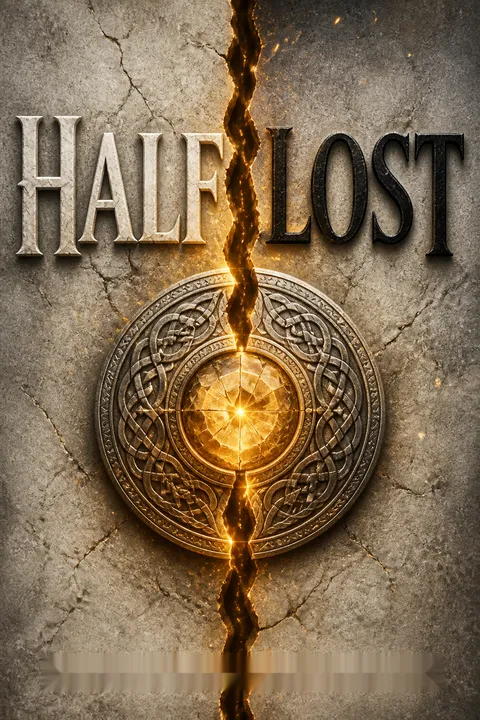
Sally Green's Half Lost is a searing meditation on the costs of war, the complexity of identity, and the search for meaning in a fractured world. Through Nathan's journey, the novel interrogates the binaries of good and evil, Black and White, hero and monster, revealing the ways in which these categories are constructed and contested. The story's emotional power lies in its refusal to offer easy resolutions; every victory is tinged with loss, and every act of violence leaves a scar. The relationship between Nathan and Gabriel is a rare depiction of queer love in fantasy, rendered with tenderness and realism. The novel's use of magical devices—Gifts, the amulet, the blue potion—serves to externalize the internal struggles of the characters, making the psychological stakes as vivid as the physical ones. Ultimately, Half Lost is a story about the possibility of change: the hope that, even in the aftermath of unimaginable suffering, we can choose mercy over vengeance, connection over isolation, and life over despair. The lessons of the book are hard-won: that power without purpose is hollow, that love is both a risk and a necessity, and that healing is a slow, painful, but ultimately possible process.
Review Summary
Half Lost received mixed reviews. Many praised it as a powerful, emotional finale that left them devastated. Readers loved the character development and romance between Nathan and Gabriel. However, some felt betrayed by the tragic ending, criticizing it as unnecessary and harmful representation for LGBTQ+ readers. Critics found the plot weak and Nathan's character inconsistent. Despite the controversy, fans appreciated the book's impact and unpredictability, even if they disagreed with the author's choices.
People Also Read
Characters
Nathan Byrn
Nathan is the half-Black, half-White witch at the heart of the story, defined by trauma, rage, and a desperate search for belonging. The son of the infamous Marcus and a White Witch mother, Nathan is both feared and needed by the Alliance. His journey is one of self-discovery, as he grapples with the Gifts inherited from his father, the burden of violence, and the pain of betrayal—especially by Annalise. Nathan's relationship with Gabriel is the emotional core of the novel, offering moments of tenderness amid brutality. Psychologically, Nathan is marked by guilt, self-loathing, and a longing for love, but also by resilience and a stubborn refusal to surrender to despair. His arc is a tragic one, ending in solitude and reflection, but also in a hard-won acceptance of his own humanity.
Gabriel Boutin
Gabriel is Nathan's closest companion and eventual lover, a Black Witch whose Gifts include transformation and disguise. He is patient, compassionate, and unwavering in his support, often serving as Nathan's conscience and emotional anchor. Gabriel's love for Nathan is deep and unconditional, but it is also a source of pain, as Nathan's self-destructive tendencies and obsession with vengeance threaten to destroy their bond. Gabriel's death in the final battle is the story's emotional nadir, a loss that leaves Nathan adrift. Psychologically, Gabriel is defined by empathy, courage, and a quiet strength that contrasts with Nathan's volatility. His presence is a reminder of what is at stake in the war—not just survival, but the possibility of love and redemption.
Annalise O'Brien
Annalise is the catalyst for much of Nathan's suffering, her betrayal and the killing of Marcus shattering his world. Blonde, beautiful, and enigmatic, she is both a victim of circumstance and an agent of chaos. Her motivations are complex—torn between loyalty to family, love for Nathan, and her own survival. Annalise's fate is a mirror of Nathan's: both are prisoners of their past, struggling to find forgiveness and meaning. Psychologically, she embodies the ambiguity of good and evil, and her ultimate inability to reconcile her actions with her desires is a source of tragedy for both herself and Nathan.
Marcus Edge
Marcus, Nathan's father, is a figure of mythic violence and power. His Gifts—and the act of passing them to Nathan through his own death—define much of the story's conflict. Marcus is both a monster and a mentor, his love for Nathan genuine but warped by a lifetime of brutality. His death at Annalise's hands is the inciting trauma for Nathan's descent into vengeance. Psychologically, Marcus represents the seductive allure of power and the dangers of living without restraint or empathy. His legacy is both a gift and a curse, shaping Nathan's destiny and the fate of the Alliance.
Celia
Celia is a White Witch and Nathan's former jailer, later a leader in the Alliance. She is pragmatic, disciplined, and committed to the rule of law, often clashing with Nathan's impulsiveness. Celia's evolution from captor to ally reflects the broader themes of reconciliation and the possibility of change. She is a stabilizing force, advocating for trials and fairness even in the chaos of war. Psychologically, Celia is defined by duty, a capacity for growth, and a willingness to confront her own prejudices. Her relationship with Nathan is complex, marked by both affection and frustration.
Van
Van is a Black Witch, expert in potions, and a key figure in the Alliance's resistance. She is cool, intelligent, and resourceful, often serving as a mediator between factions. Van's death at the hands of the Hunters is a significant loss, both strategically and emotionally, particularly for Nesbitt. Psychologically, Van is marked by a calm pragmatism and a deep sense of responsibility. Her legacy is one of wisdom and sacrifice, and her absence is keenly felt in the story's final acts.
Nesbitt
Nesbitt is a Black Witch and former partner to Van, known for his humor, resilience, and practical skills. He provides levity amid darkness, but is also a capable fighter and tracker. Nesbitt's departure from the Alliance after Van's death underscores the personal cost of war. Psychologically, he is defined by loyalty, adaptability, and a refusal to be broken by tragedy. His friendship with Nathan is genuine, offering moments of warmth and humanity.
Ledger
Ledger is a powerful, enigmatic witch who holds the key to the Vardian amulet. They challenge Nathan's understanding of power, morality, and destiny, advocating for harmony over domination. Ledger's lessons are philosophical, urging Nathan to seek balance within himself and the world. Psychologically, Ledger is marked by wisdom, detachment, and a deep understanding of the interconnectedness of all things. Their role is that of a guide, offering an alternative to the cycle of violence.
Arran Byrn
Arran is Nathan's half-brother, a White Witch and healer. He represents the possibility of reconciliation and the enduring power of kindness. Arran's relationship with Nathan is one of unconditional love and support, offering a counterpoint to the brutality of the wider world. Psychologically, Arran is defined by empathy, patience, and a quiet strength. His presence is a reminder that healing is possible, even in the aftermath of unimaginable loss.
Jessica Byrn
Jessica, Nathan's half-sister, is the leader of the Hunters and a formidable enemy. She is driven by ambition, loyalty to her cause, and a deep-seated hatred of Black Witches. Jessica's actions are ruthless, and her pursuit of Nathan is relentless. Psychologically, she is marked by rigidity, a capacity for violence, and an inability to see beyond the binaries of war. Her fate is intertwined with Nathan's, and her death is both a victory and a tragedy.
Plot Devices
Duality and Balance
The narrative is structured around the duality of Black and White Witches, with Nathan as the embodiment of both. This duality is mirrored in the story's exploration of power and restraint, love and hate, vengeance and forgiveness. The quest for balance—within oneself and in the world—is a recurring motif, reflected in the symbolism of the amulet, the lessons of Ledger, and the choices faced by every character. The story uses foreshadowing, especially through Nathan's visions, to highlight the inevitability of certain outcomes and the possibility of change.
Visions and Fate
Nathan's recurring visions of his own death, often at Gabriel's hand, serve as both a source of dread and a narrative anchor. These visions blur the line between fate and free will, raising questions about whether destiny can be altered or must be accepted. The use of visions as a plot device heightens suspense and underscores the psychological complexity of the characters, especially as they struggle to interpret and respond to what they foresee.
The Amulet and Sacrifice
The Vardian amulet is more than a tool; it is a test of worthiness, requiring sacrifice and self-knowledge to unlock its power. The process of obtaining and using the amulet forces Nathan to confront his own limitations and the true cost of invulnerability. The amulet's role in the narrative is both practical and symbolic, representing the choices that define us and the price of power.
War and Moral Ambiguity
The war between the Alliance and Soul's Council is depicted with unflinching realism, emphasizing the moral ambiguity of violence. Characters are forced to make impossible choices, and the consequences of those choices are explored in depth. The story resists easy answers, instead inviting readers to grapple with the complexities of justice, revenge, and the possibility of redemption.
Love and Loss
The emotional core of the novel is the relationship between Nathan and Gabriel, which provides both solace and pain. Love is depicted as a force that can heal, but also as a source of profound vulnerability. The loss of Gabriel is the story's emotional climax, shaping Nathan's journey in the aftermath and underscoring the enduring impact of grief.
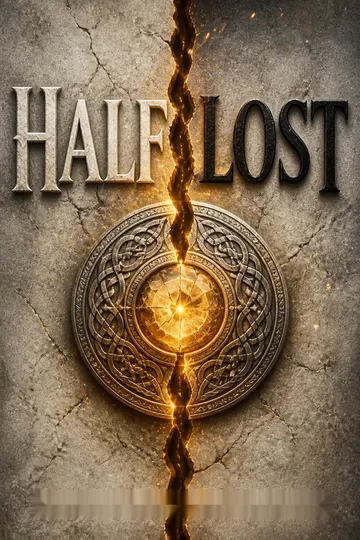
The Half Bad Trilogy Series
About the Author
Other books by Sally Green
Download PDF
Download EPUB
.epub digital book format is ideal for reading ebooks on phones, tablets, and e-readers.








































