
Plot Summary
Fugitives in Florida
Michèle, her brother Gabriel, and their father arrive in Florida after months of fleeing. Their lives are marked by constant movement, haunted by the violent death of Michèle's mother and the threat of being hunted. The battered house they rent is a fragile hope for stability, but the family's wounds run deep. Their father, once a great artist, is now a shadow, lost in grief and alcohol. Gabriel tries to hold the family together, but Michèle feels adrift, missing her mother and resenting her father's weakness. The siblings' bond is strong, but the trauma of their past and the uncertainty of their future color every moment. The promise of safety in America is uncertain, and the family's sense of belonging is as fragile as the home they now inhabit.
Pink Ribbons and Grief
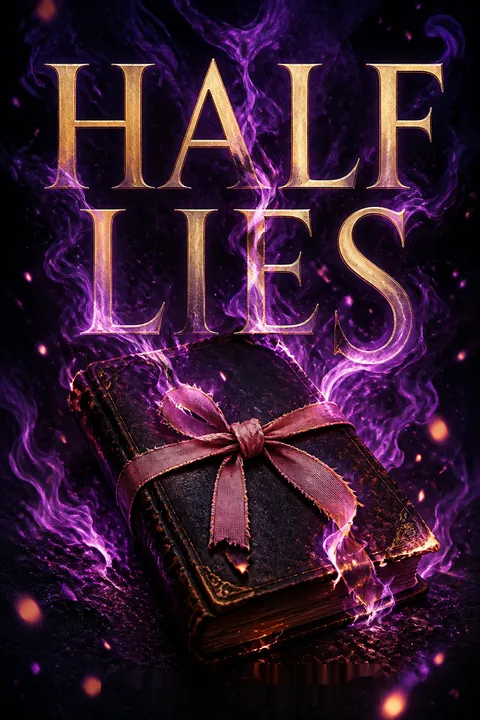
Michèle finds comfort in a pink-ribboned notebook, a small gift from Gabriel that becomes her private space for processing grief. The siblings explore their new town, trying to carve out moments of normalcy. Their father remains distant, lost in his studio, painting and drinking. Michèle's longing for her mother intensifies, and her attempts to connect with her father only deepen her frustration. The notebook becomes a symbol of her inner world—a place to vent, remember, and hope. Through her writing, Michèle tries to make sense of her fractured family, her mother's absence, and her own identity as a witch in hiding. The pink ribbons are a fragile thread tying her to innocence and the possibility of healing.
Fractured Family Portraits
The family's dynamic is tense and complicated. Gabriel acts as the responsible one, while Michèle struggles with anger toward their father, who is consumed by guilt and addiction. Their mother's death is a wound that refuses to heal, and blame lingers in the air—sometimes directed at their father, sometimes at fate. The siblings reminisce about their mother's artistry and warmth, contrasting it with their father's current state. The family's communication is fractured, often switching between English and French, echoing old arguments. Michèle's diary becomes a battleground for her feelings, oscillating between love and resentment. The family's pain is palpable, each member coping in isolation, unable to bridge the emotional distance.
Love Letters and Loss
On the anniversary of their mother's death, Gabriel and Michèle receive boxes of love letters exchanged between their parents. Reading them together, they are moved by the depth of love and poetry in their father's words, revealing a side of him lost to grief. The letters trace the arc of their parents' relationship—from passionate beginnings to painful separation, and the tragic events that followed. The siblings confront the reality of their mother's murder by her jealous partner Finn, and the violent aftermath that forced them to flee. The letters are bittersweet, offering both comfort and a reminder of what was lost. The past is ever-present, shaping their identities and their understanding of love and loyalty.
The Night Everything Burned
The family's history is marked by a night of horror: Finn kills Michèle's mother in a fit of rage, and her grandmother retaliates with deadly witchcraft. The house becomes a battleground, flames consuming everything as the family's world collapses. Gabriel and Michèle barely escape, their father killing the grandmother in the chaos. The trauma of that night haunts them, fueling their distrust and fear. The violence of the witch world is laid bare—revenge, power, and survival at any cost. The family's flight to America is not just an escape from danger, but from the unbearable weight of memory. The scars of that night shape every relationship and decision that follows.
New Beginnings, Old Wounds
In Florida, the siblings attempt to build new lives. Gabriel creates a climbing wall, seeking solace in physical challenge, while Michèle befriends Caitlin, a Half Blood who offers understanding and acceptance. The beach becomes a refuge, a place to meet new friends and momentarily forget the past. Yet, the witch world's divisions persist—territorial boundaries, suspicion of Half Bloods, and the ever-present threat of White Witches. Michèle's longing for connection is complicated by her secret identity and the rules that govern witch society. The family's wounds remain raw, and every attempt at normalcy is shadowed by the past.
Beach Days and New Friends
Michèle finds joy in her friendship with Caitlin, who, as a Half Blood, straddles the worlds of Black and White Witches. The beach is a place of laughter, sun, and new beginnings. Gabriel attracts attention, but remains emotionally distant, while Michèle navigates the complexities of trust and belonging. The siblings' circle expands to include fains—non-witches—who offer a glimpse of ordinary life. Yet, the boundaries between witch factions are never far away, and the threat of violence lingers. The friendships forged on the sand are precious, but fragile, always at risk from the world's prejudices and dangers.
Forbidden Territory
The witch community in Florida is strictly divided: Black Witches control the countryside, White Witches the cities. Michèle's desire to see Sam, a barista she's drawn to, puts her at risk—Tampa is White Witch territory, and crossing the line could mean mutilation or death. Gabriel warns her, but Michèle's longing for connection outweighs caution. The rules of the witch world are brutal, with punishments for trespass and deep-seated mistrust between factions. The siblings' safety depends on secrecy and obedience, but Michèle's heart leads her to defy the boundaries. The tension between desire and danger grows, foreshadowing tragedy.
Golden Boy and Secret Letters
Michèle's relationship with Sam deepens through stolen moments and secret letters, delivered by Caitlin. The thrill of first love is heightened by the danger of discovery—Sam is a White Witch, and their connection is forbidden. Letters become their lifeline, a space for honesty and vulnerability. The secrecy is both exhilarating and suffocating, as Michèle must hide her true self from everyone, including her family. The impossibility of their love echoes the divisions of the witch world, and every meeting is a risk. The letters are filled with longing, hope, and the ache of what cannot be.
Gifts Revealed, Gifts Shared
Michèle turns seventeen and undergoes her Giving, a ritual that marks her as a true witch and reveals her magical Gift. The ceremony is intimate and emotional, connecting her to her family's legacy. Gabriel's Gift—transformation—emerges as well, and the siblings share the wonder and challenge of discovering their powers. Their abilities are both a source of pride and a burden, setting them apart from others and deepening their sense of responsibility. The Giving is a moment of joy and belonging, but also a reminder of the dangers that come with being a witch in a divided world.
The Art of Transformation
Gabriel excels at transformation, able to become anyone, while Michèle struggles to control her own Gift. Their practice sessions are filled with laughter, frustration, and sibling rivalry. Transformation is more than a magical trick—it is a metaphor for identity, empathy, and the desire to belong. Michèle's ability is limited to those she loves, reflecting her deep connections and vulnerabilities. Gabriel's mastery is enviable, but it comes with its own risks. The siblings' exploration of their powers is a journey of self-discovery, but also a prelude to crisis.
Stuck Between Worlds
Gabriel's Gift turns against him when he becomes stuck as a fain, unable to return to his true self. The siblings are terrified—Gabriel's sense of self is slipping away, and no one knows how to help. Potions, rituals, and advice from other witches fail. The crisis exposes the fragility of identity and the dangers of magic. Michèle's love and loyalty are tested as she tries to support her brother, even as she faces her own fears. The family's isolation deepens, and the threat of losing Gabriel forever looms. The struggle to reclaim his identity becomes a desperate quest.
Love Across Enemy Lines
Despite the dangers, Michèle and Sam risk secret meetings, their love growing stronger in the shadows. The divisions between Black and White Witches are stark, but their connection defies the rules. The world around them grows more violent—reprisals, betrayals, and escalating conflict threaten everyone. The lovers' hope is fragile, sustained by letters and stolen kisses. The impossibility of their relationship mirrors the larger tragedy of the witch world, where hatred and fear destroy what is precious. Their love is both a rebellion and a dream, doomed by the world's refusal to change.
Betrayal and Bloodshed
The fragile peace collapses when Michèle is betrayed by Caitlin, her closest friend. Caitlin reveals Michèle's secret to Ethan, a White Witch seeking revenge for his own injuries. Michèle is lured into a trap and killed, her death a brutal act of vengeance. The cycle of violence intensifies—Caitlin is hunted down and killed in retaliation, and the witch communities spiral into further bloodshed. Gabriel is left to mourn his sister, consumed by grief and guilt. The cost of hatred and betrayal is devastating, and the hope for reconciliation is lost in the carnage.
The Last Goodbye
Gabriel writes a final letter to their father, recounting Michèle's death and the aftermath. He struggles to make sense of the violence, the betrayals, and the loss of his beloved sister. The family is shattered—Gabriel prepares to leave, seeking help for his own magical affliction and unable to remain in a place filled with pain. The letter is a testament to love, regret, and the longing for peace. The cycle of revenge continues, but Gabriel's words are a plea for understanding and remembrance. The story ends with the ache of absence and the hope that memory can heal.
Grief, Guilt, and Moving On
In the wake of Michèle's death, Gabriel is left to pick up the pieces. The witch world remains divided, violence begetting more violence. Gabriel's journey is one of survival and self-discovery—he must find a way to heal, to reclaim his identity, and to honor his sister's memory. The story closes on a note of sorrow and resilience, acknowledging the pain of loss but also the possibility of change. The legacy of love, betrayal, and hope endures, challenging the next generation to break the cycle and imagine a different future.
Analysis
Sally Green's "Half Lies" is a poignant exploration of grief, identity, and the destructive power of division. Through the intimate lens of Michèle's diary, the novel examines the ways in which trauma shapes families and individuals, and how love—whether familial, platonic, or romantic—can both heal and endanger. The magical elements serve as metaphors for the complexities of adolescence, belonging, and transformation, while the rigid boundaries between Black and White Witches mirror real-world prejudices and cycles of violence. The epistolary structure invites readers into the characters' innermost thoughts, making the betrayals and losses all the more devastating. Ultimately, "Half Lies" is a tragedy about the cost of hatred and the longing for connection in a world that punishes difference. Its lessons are timely: that empathy, courage, and the willingness to cross boundaries are essential, but that change comes at a heartbreaking price. The novel challenges readers to imagine a world where love is not a crime, and where healing is possible even after the deepest wounds.
Review Summary
Half Lies receives mixed reviews, with an average rating of 3.79 out of 5. Readers appreciate the insight into Gabriel's backstory and his relationship with his sister Michele. Many find the short story emotional and engaging, praising Green's ability to develop characters and world-building in a limited space. Some readers felt it was boring or lacked depth. The novella is seen as a good companion to the Half Bad series, providing additional context and background information. The tragic ending leaves a strong impact on many readers.
People Also Read
Characters
Michèle
Michèle is the heart of the story—a sixteen-year-old Black Witch caught between grief, longing, and the struggle for identity. Her mother's violent death and her family's flight have left her wounded but resilient. Through her diary, she reveals vulnerability, humor, and a fierce desire for connection. Michèle's relationships—with her brother Gabriel, her distant father, and her forbidden love Sam—define her journey. Her magical Gift of transformation is both a metaphor for her empathy and a source of struggle, as she can only become those she deeply loves. Michèle's arc is one of growth, heartbreak, and ultimately, tragic loss, as she risks everything for love and is betrayed by those closest to her.
Gabriel (Gab)
Gabriel is Michèle's older brother, a stabilizing force in their fractured family. He shoulders responsibility beyond his years, acting as caretaker and confidant. Gabriel's magical Gift—transformation—sets him apart, and his mastery is both a point of pride and a source of crisis when he becomes stuck as a fain. Gabriel's love for Michèle is unwavering, and his grief at her death is profound. He is introspective, loyal, and quietly brave, but also burdened by guilt and the weight of family tragedy. Gabriel's journey is one of self-discovery, as he seeks healing and meaning in the aftermath of loss.
Sam
Sam is a White Witch and Michèle's secret love. He is kind, thoughtful, and untainted by the prejudices of his community. Sam's relationship with Michèle is a source of joy and hope, but also danger, as their love defies the rigid boundaries of the witch world. Through letters and stolen meetings, Sam reveals vulnerability and a longing for connection. His own Gift—potions—mirrors his nurturing nature. Sam's arc is marked by loss and punishment; after Michèle's death, he is left broken, his life ruined by the violence and hatred that surround him.
Caitlin
Caitlin is a Half Blood—half White Witch, half fain—who becomes Michèle's closest friend. She offers understanding and acceptance, bridging the gap between worlds. However, Caitlin's own insecurities and desire for belonging lead her to betray Michèle, revealing her secret to Ethan. Caitlin's actions are driven by fear and a longing for acceptance, but the consequences are devastating. Her betrayal is a central tragedy, and her own death is a grim reminder of the cost of broken trust. Caitlin embodies the complexities of identity and the dangers of divided loyalties.
Aiden
Aiden is the son of Skylar, the local Black Witch leader, and acts as a protector and enforcer for the community. He is skilled, confident, and sometimes cruel, relishing the power and violence of his role. Aiden's interactions with Gabriel and Michèle are marked by both camaraderie and threat. He is instrumental in the cycle of reprisals that follow Michèle's death, embodying the darker aspects of witch society. Aiden's character explores the allure and danger of power, as well as the difficulty of breaking free from cycles of violence.
Skylar
Skylar is the head of the local Black Witch community, a figure of authority and tradition. She enforces the rules that keep the witches divided and is both a protector and a gatekeeper. Skylar's approach is pragmatic—she values order and survival over sentiment. Her relationship with Gabriel and Michèle is formal, offering guidance but little warmth. Skylar's actions reflect the complexities of leadership in a fractured world, where compromise is often impossible and violence is a constant threat.
Father (Raf)
Michèle and Gabriel's father is a once-great artist, now lost in grief and addiction after his wife's death. He is emotionally distant, unable to connect with his children or provide the support they need. His love for his late wife is evident in his art and the letters he wrote, but he is paralyzed by guilt and regret. Raf's journey is one of slow, painful recovery—he finds moments of clarity and pride, especially during Michèle's Giving, but remains haunted by the past. His character is a study in the corrosive effects of loss and the struggle to heal.
Ethan
Ethan is a White Witch who becomes a victim of the ongoing conflict, suffering brutal injuries at the hands of Black Witches. His pain and anger drive him to seek revenge, and he becomes the instrument of Michèle's death after Caitlin's betrayal. Ethan's arc is one of transformation—from friend to enemy, from victim to perpetrator. His actions are fueled by trauma and the toxic culture of retribution that defines the witch world. Ethan's story is a warning about the destructive power of hatred and the ease with which victims become aggressors.
Finn
Finn is the man whose jealousy and rage lead to the murder of Michèle's mother, setting off the chain of events that define the family's fate. Initially charming, Finn's insecurities grow into possessiveness and violence. His actions are the catalyst for the family's flight and the unraveling of their lives. Finn's character is a portrait of the dangers of unchecked emotion and the devastating consequences of domestic violence.
Nan (Grandmother)
Nan is Michèle's maternal grandmother, a formidable witch whose love for her daughter is matched only by her capacity for violence. Her retaliation against Finn and her conflict with Raf escalate the family tragedy. Nan's power is both a source of protection and destruction, embodying the dangers of unchecked magic and the corrosive effects of hatred. Her death marks the end of an era and the beginning of the family's exile.
Plot Devices
Epistolary Structure and Dual Narration
The story unfolds through Michèle's diary, interspersed with letters between characters. This epistolary structure creates intimacy, allowing readers direct access to Michèle's thoughts, emotions, and evolving relationships. The use of letters—between Michèle and Sam, between siblings, and from the past—serves as both plot device and symbol, connecting characters across time and distance. The dual narration, with Gabriel's voice closing the story, deepens the emotional impact and offers multiple perspectives on loss, love, and betrayal. The structure also heightens suspense, as secrets are revealed gradually and the consequences of actions ripple through the narrative.
Magical Realism and Transformation
The magical Gifts of transformation, potions, and elemental powers are central to the plot and character development. Transformation, in particular, serves as a metaphor for empathy, self-discovery, and the longing to belong. The limitations and dangers of magic reflect the complexities of identity—who we are, who we can become, and what it means to be true to oneself. The struggle to control and understand these powers mirrors the characters' emotional journeys, and the consequences of magic gone wrong drive key plot points.
Divided Societies and Forbidden Love
The rigid division between Black and White Witches, enforced by violence and tradition, is both backdrop and engine for the story. The forbidden love between Michèle and Sam echoes classic tales of star-crossed lovers, but is given new urgency by the threat of mutilation, betrayal, and death. The rules governing territory, identity, and loyalty create constant tension, forcing characters to choose between safety and desire, community and individuality. The cycle of revenge and the impossibility of reconciliation are central themes, explored through both personal and communal conflict.
Foreshadowing and Tragic Irony
The narrative is laced with foreshadowing—warnings about the dangers of crossing boundaries, the fragility of trust, and the consequences of betrayal. The reader is made aware early on that tragedy is looming, heightening the emotional stakes. The use of tragic irony—characters' hopes for peace and love set against the reality of violence and hatred—deepens the sense of inevitability. The story's structure, with its closing letter from Gabriel, reinforces the sense of loss and the enduring impact of choices made in a divided world.
The Half Bad Trilogy Series
About the Author
Other books by Sally Green
Download PDF
Download EPUB
.epub digital book format is ideal for reading ebooks on phones, tablets, and e-readers.








































