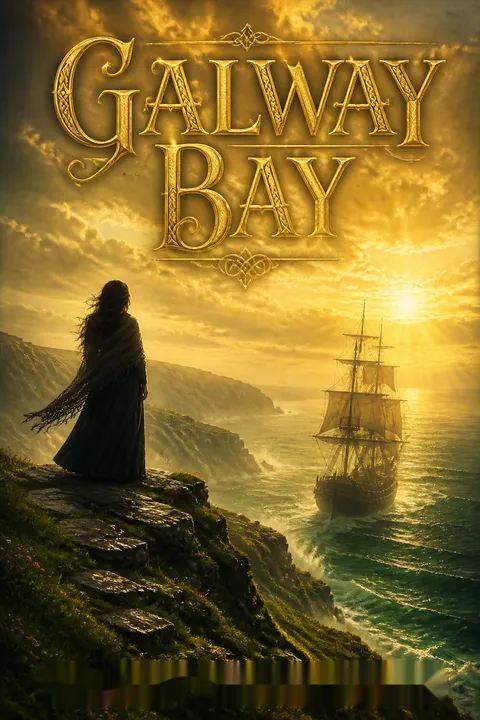

Plot Summary
Dawn on Galway Bay
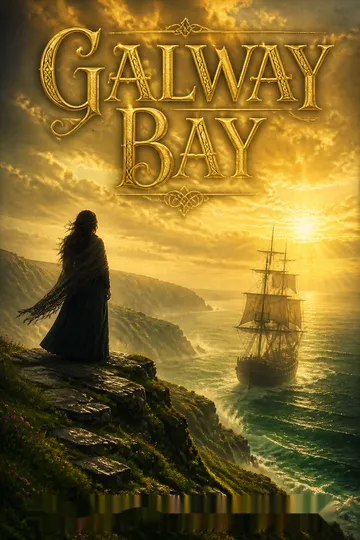
In the early 1800s, Honora Keeley's life on the western coast of Ireland is shaped by the rhythms of Galway Bay, her close-knit family, and the ancient stories and rituals that bind their community. Honora, a fisherman's daughter, is torn between her mother's dream of her entering the convent and her own yearning for something more. The landscape is lush, the people resilient, and the traditions deep. The family's daily life is filled with hard work, laughter, and the ever-present threat of poverty, but also with hope and the promise of love. The chapter sets the tone for a world on the brink of change, where the past and future collide, and where the choices of one young woman will echo through generations.
Love and Loss Begin
Honora's chance encounter with Michael Kelly, a blacksmith's son and piper, sparks an immediate and profound connection. Their love story unfolds against the backdrop of family expectations, local gossip, and the ever-present tension between tradition and desire. Michael's tales of his heritage and dreams for the future captivate Honora, and together they imagine a life built on mutual respect and shared adventure. Their union is both a defiance of social norms and a fulfillment of ancient Irish legends. Yet, even as their love deepens, the shadow of hardship and the threat of separation loom, foreshadowing the trials that will test their bond and the resilience of their family.
The Bride Price Bargain
Honora and Michael's marriage is negotiated through the lens of ancient Irish customs, with Honora's formidable grandmother invoking the legendary bride price of Queen Maeve: a husband must be without meanness, fear, or jealousy. The couple's union is a blend of old and new, rooted in the land and the stories of their ancestors. As they build their life together, they face the challenges of poverty, the expectations of their families, and the uncertainties of the future. Their partnership is marked by humor, tenderness, and a shared determination to carve out a place for themselves in a world that is both beautiful and unforgiving. The chapter captures the joy and vulnerability of new beginnings.
Dreams, Horses, and Heritage
Michael's dream of winning the Galway Races with his beloved horse, Champion, becomes a symbol of hope and ambition for the young couple. Their efforts to secure land and build a home are met with obstacles—prejudice from landlords, the complexities of rural alliances, and the ever-present threat of hunger. The birth of their children brings both joy and new responsibilities, as Honora and Michael strive to balance tradition with the need for change. The family's resilience is tested by the harsh realities of Irish rural life, but their love and determination keep them moving forward. The chapter explores the interplay of heritage, aspiration, and the bonds that hold a family together.
The Great Starvation Strikes
The potato blight descends on Ireland with terrifying speed, turning abundance into despair. Honora, Michael, and their children are plunged into a struggle for survival as crops fail, neighbors die, and the social fabric unravels. The family's faith and ingenuity are tested as they face hunger, disease, and the indifference of landlords and the British government. The bonds of community are strained by fear and scarcity, and the choices made in desperation will have lasting consequences. The chapter is a harrowing account of loss, endurance, and the ways in which catastrophe can both fracture and forge the ties of kinship and love.
Exile and Amerikay
Driven from their home by starvation and eviction, Honora and her surviving family undertake a perilous journey to America. The Atlantic crossing is fraught with danger, illness, and heartbreak, but also with moments of solidarity and unexpected kindness. Arriving in Chicago, the family must navigate a city teeming with immigrants, opportunity, and prejudice. They reinvent themselves, drawing on the skills and stories of their past while adapting to the demands of their new home. The chapter captures the pain of exile, the resilience required to start over, and the enduring power of hope in the face of overwhelming odds.
Chicago's New Beginnings
In Chicago, Honora and her children find both hardship and possibility. They forge connections with other Irish immigrants, confront discrimination, and work tirelessly to build a better life. The family's values—hard work, education, faith, and mutual support—become the foundation of their new identity. As the children grow, they pursue their own dreams, shaped by both the legacy of Ireland and the opportunities of America. The chapter explores the complexities of assimilation, the preservation of heritage, and the creation of a vibrant Irish-American community. The family's story becomes emblematic of the immigrant experience, marked by both struggle and triumph.
War and Family Divided
The outbreak of the American Civil War brings new challenges and divisions to the family. Honora's sons, now young men, are swept up in the fervor of enlistment, joining the Irish Brigade to fight for the Union—and, they hope, for the future of Ireland as well. The war exposes the family to new dangers, losses, and moral dilemmas, as brothers-in-arms face the possibility of fighting against fellow Irishmen in Confederate ranks. The women left behind form their own networks of support and prayer, enduring the agony of waiting and the uncertainty of survival. The chapter is a meditation on sacrifice, patriotism, and the enduring bonds of family.
The Irish Brigade's Sacrifice
The Irish Brigade's valor on the battlefield is matched by the suffering endured by their families at home. Letters from the front bring news of both heroism and heartbreak, as sons and husbands are wounded, killed, or go missing. The community rallies to honor the fallen and support the living, but the scars of war run deep. The chapter delves into the complexities of memory, mourning, and the search for meaning in the aftermath of violence. The sacrifices made by the Irish in America become intertwined with the ongoing struggle for justice and dignity in Ireland, linking the fates of two nations.
Sisters' Enduring Bond
The relationship between Honora and her sister Máire, tested by years of hardship, loss, and disagreement, emerges as a central pillar of the family's strength. Their differing approaches to love, faith, and survival create both conflict and complementarity, but ultimately their bond endures. Together, they navigate the challenges of widowhood, motherhood, and the demands of a changing world. Their partnership is a testament to the power of forgiveness, the necessity of adaptation, and the enduring importance of women's wisdom and solidarity. The chapter celebrates the quiet heroism of everyday life and the ways in which love can heal even the deepest wounds.
The Fenian Dream
Patrick Kelly's involvement in the Fenian movement and the attempted invasion of Canada reflects the ongoing yearning for Irish independence and the complexities of revolutionary politics. The family is drawn into the excitement and heartbreak of the Fenian cause, experiencing both the thrill of possibility and the pain of betrayal and failure. As the dream of a free Ireland recedes, the family turns its energy toward building a future in America, finding meaning in community, work, and the next generation. The chapter is a meditation on the limits of idealism, the necessity of pragmatism, and the enduring hope for justice.
Generations at the Fair
Decades later, the family gathers at the 1893 Chicago World's Fair, a symbol of both their achievements and the distance from their origins. Surrounded by children and grandchildren, Honora reflects on the journey from Galway Bay to Chicago, the losses endured, and the triumphs won. The Irish villages at the Fair evoke both nostalgia and disappointment, but also inspire a renewed commitment to storytelling and the preservation of heritage. As Honora shares her memories with her great-granddaughter, the circle of history closes and opens again, promising that the stories of survival, love, and resilience will continue to shape the future.
Analysis
Galway Bay is a sweeping, emotionally resonant epic that transforms the Irish immigrant experience into a universal story of survival, adaptation, and the enduring power of love and memory. Through the lens of one family's journey from famine-stricken Ireland to the bustling streets of Chicago, the novel explores the interplay of history, identity, and resilience. The author's use of intergenerational narrative, rich symbolism, and a focus on female agency offers a nuanced portrait of both personal and collective transformation. The novel's central lesson is that survival itself is a form of victory, and that the stories we tell—about suffering, endurance, and hope—are the true inheritance we pass to future generations. In a modern context, Galway Bay speaks to the ongoing challenges of migration, assimilation, and the preservation of cultural heritage, reminding readers that the past is never truly past, and that the bonds of family and community can transcend even the greatest of losses.
People Also Read
Characters
Honora Keeley Kelly
Honora is the heart and conscience of the novel, embodying the endurance, adaptability, and quiet heroism of Irish women. Her journey from the shores of Galway Bay to the immigrant neighborhoods of Chicago is marked by love, loss, and an unwavering commitment to her family. Honora's deep connection to tradition and storytelling anchors her through famine, exile, and the challenges of a new world. Her psychoanalytic depth lies in her ability to balance memory and hope, grief and joy, and to find meaning in suffering. Over time, she evolves from a dutiful daughter to a leader and matriarch, her wisdom shaping generations.
Michael Kelly
Michael is Honora's soulmate, a man of vision and integrity whose love for his family and heritage drives him to defy the odds. His skills as a blacksmith, piper, and horseman symbolize both tradition and innovation. Michael's ambition is tempered by humility and a deep sense of responsibility. The trauma of famine and the struggle for survival test his strength, and his early death leaves a void that shapes the destinies of his children. Michael's legacy endures through his values, his stories, and the resilience he inspires in those he leaves behind.
Máire Keeley Leahy
Máire, Honora's older sister, is a force of nature—quick-witted, sensual, and unafraid to challenge convention. Her life is marked by both joy and tragedy, from her early marriage and widowhood to her sacrifices for her family. Máire's pragmatic approach to survival contrasts with Honora's idealism, but her loyalty and courage are unwavering. She navigates the complexities of love, motherhood, and social expectation with humor and defiance. Over time, Máire becomes a pillar of support for her extended family, her strength and adaptability ensuring their survival and success.
Patrick Kelly
Michael's half-brother, Patrick is a complex figure—charismatic, enigmatic, and driven by a relentless commitment to Irish freedom. His life is a series of journeys, both literal and metaphorical, as he moves between worlds: Ireland and America, family and cause, tradition and change. Patrick's inability to settle reflects both trauma and idealism, and his relationships are marked by both intimacy and distance. His bond with Honora is deep and complicated, blending love, guilt, and shared history. Patrick's presence challenges and inspires those around him, embodying the tensions between past and future, duty and desire.
Granny Keeley
Granny is the living link to Ireland's ancient past, a storyteller and healer whose knowledge of folklore, ritual, and herbal medicine sustains the family through crisis. Her sharp wit and unyielding standards set the tone for her descendants, and her invocation of the bride price and other customs shapes the choices of Honora and Máire. Psychoanalytically, Granny represents the collective unconscious of the Irish people—the repository of memory, myth, and resilience. Her death marks the end of an era, but her influence endures in the stories and values she imparts.
Paddy Kelly
Paddy, Honora and Michael's eldest, is shaped by the trauma of famine and the demands of survival. His childhood is marked by deprivation, but he grows into a strong, reliable man, taking on adult responsibilities early. Paddy's journey through war, work, and family life reflects the challenges and possibilities of the immigrant experience. He is both haunted by the past and determined to build a better future for his own children. His stoicism and loyalty make him a central figure in the family's ongoing story.
Jamesy Kelly
Jamesy, the second son, inherits his father's musical talent and his mother's introspection. He is attuned to both the beauty and the pain of his heritage, using music as a means of expression and connection. Jamesy's experiences in war and his involvement in the Fenian movement deepen his understanding of sacrifice and identity. He is both a dreamer and a doer, navigating the tensions between tradition and assimilation. His relationships with his siblings and his own family reflect the complexities of loyalty, ambition, and belonging.
Bridget Kelly
Bridget, Honora's only daughter, is a symbol of continuity and hope. Her intelligence, compassion, and commitment to education make her a bridge between generations and cultures. Bridget's romantic losses and her dedication to her students reflect the sacrifices and aspirations of immigrant women. She is both shaped by and resistant to the expectations placed upon her, finding meaning in service and storytelling. Her role as a teacher and mentor ensures that the family's legacy endures.
Stephen Kelly
Stephen, born in the midst of famine, embodies the spirit of survival and reinvention. His journey from sickly child to fireman and community leader mirrors the transformation of the family and the city of Chicago. Stephen's pragmatism, courage, and sense of humor make him a stabilizing force. His relationships with his siblings and his own family reflect the ongoing negotiation between past and present, tradition and progress.
Michael Joseph Kelly (the younger)
The youngest son, Michael is both a living link to his father and a symbol of the family's future. His talents as a blacksmith and his love of baseball reflect the blending of Irish heritage and American identity. Michael's relationships with his siblings, his own children, and his community illustrate the ongoing process of adaptation and belonging. He is both a product of his family's history and an agent of its renewal, ensuring that the stories and values of Galway Bay continue to shape new generations.
Plot Devices
Intergenerational Narrative
The novel's structure follows the Keeley/Kelly family across five generations, using Honora's perspective as the central thread. The narrative moves from the "before times" in Ireland through famine, exile, and the building of a new life in America, culminating in the 1893 World's Fair. This intergenerational approach allows for the exploration of both personal and historical transformation, highlighting the ways in which trauma, resilience, and hope are transmitted across time. The use of storytelling—both oral and written—serves as a means of preserving memory and forging identity.
Symbolism and Ritual
Throughout the novel, symbols such as the crozier, the bride price, the potato, and the family's horses serve as touchstones for heritage, faith, and aspiration. Rituals—weddings, wakes, prayers, and communal work—provide structure and meaning in the face of chaos and loss. These devices ground the characters in a sense of continuity, even as their world changes around them. The interplay of pagan and Christian elements reflects the complexity of Irish identity and the ways in which tradition can both sustain and constrain.
Foreshadowing and Echo
The novel employs foreshadowing and the echoing of key events—such as famine, migration, war, and reunion—to create a sense of cyclical history. The struggles and choices of one generation are mirrored and reinterpreted by the next, highlighting both the persistence of trauma and the possibility of transformation. The use of dreams, visions, and storytelling blurs the boundaries between past and present, memory and prophecy, reinforcing the idea that history is both a burden and a source of strength.
Female Perspective and Agency
By centering the narrative on Honora and Máire, the novel foregrounds the experiences, wisdom, and agency of women. Their voices challenge traditional narratives of history and heroism, emphasizing the importance of everyday acts of care, resistance, and adaptation. The psychoanalytic depth of their relationships—with each other, their children, and their communities—provides a counterpoint to the more public dramas of war and politics. The novel's focus on female agency is both a corrective to historical erasure and a celebration of women's central role in survival and renewal.
Of Irish Blood Series
Download PDF
Download EPUB
.epub digital book format is ideal for reading ebooks on phones, tablets, and e-readers.








































