
Plot Summary
Emerald Sun and Ancient Mounds
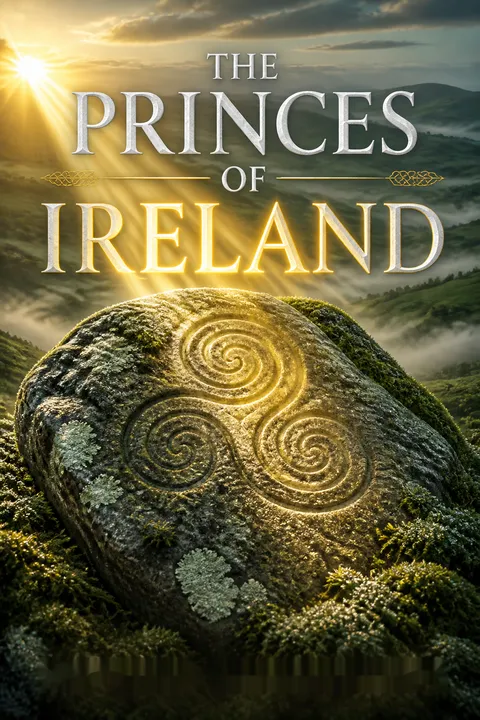
Long before history, Ireland's land was shaped by ice, sea, and myth. The emerald island, separated from Britain, was a place of forests, rivers, and gold, its people shrouded in legend—descendants of gods and ancient tribes. The land's spirit was embodied in the great mounds above the Boyne, tombs and sanctuaries built to catch the winter solstice sun, reflecting a cosmic order. These mounds, with their spirals and quartz, were both resting places for princes and portals to the otherworld, where the Tuatha De Danaan, gods or ancestors, waited. The dawn's light, creeping into the heart of the mound, symbolized the union of earth and sky, life and death, and the enduring mystery of Ireland's beginnings.
Princes, Poets, and Prohibitions
In the early fifth century, Ireland was a land of provinces and princes, where tradition and prophecy shaped destinies. Conall, a prince marked by geissi—mystical prohibitions—grew up under the watchful eyes of druids and kings. His friendship with Finbarr, his longing for solitude, and his affinity for learning set him apart. The society was ruled by strict hierarchies, with bards, filidh, and druids holding power over memory, law, and the sacred. The geissi, riddles of fate, loomed over Conall's life, promising that he would not die until impossible conditions were met. The tension between personal desire and the weight of tradition defined the lives of Ireland's early princes.
Love and Betrayal at Dubh Linn
Deirdre, daughter of Fergus, chieftain of Dubh Linn, faced the prospect of being sold in marriage to settle her father's debts. Her beauty and spirit were matched by her sense of duty and love for her home. At the festival of Lughnasa, she caught the eye of Conall, whose melancholy and brilliance drew her in. Their connection was immediate yet fraught with obstacles—family expectations, debts, and the machinations of Goibniu the Smith, a cunning craftsman with influence over kings. The festival, a riot of color and tradition, became the stage for a love that would challenge the old order and set in motion a chain of betrayals and choices.
The High King's Dilemma
The High King, ruler over the patchwork of Irish provinces, faced the ruin of the harvest and the erosion of his authority. His wife's ambitions, the politics of tribute, and the need to assert dominance over rebellious chiefs weighed heavily. The king's relationship with the gods was both a source of legitimacy and a threat—bad weather and omens were seen as judgments on his rule. The king's nephew, Conall, became a pawn in these struggles, tasked with impossible missions and caught between his desire for the druidic life and the expectations of his lineage. The king's cunning and the queen's scheming set the stage for conflict and tragedy.
Cattle Raids and Sacred Oaths
The rhythms of Irish life were marked by cattle raids, feasts, and the taking of oaths. The festival of Bealtaine brought together the island's tribes for rituals of fire and renewal, but also for intrigue and matchmaking. Deirdre's fate was bartered between her father and Goibniu, while Conall struggled with his feelings and his obligations. The sacredness of oaths, the power of the druids, and the ever-present threat of violence shaped every decision. The High King's demand for a black bull, the assertion of royal authority, and the manipulation of prophecy and tradition revealed the fragility of peace and the high cost of loyalty in a world ruled by custom and ambition.
Bealtaine: Choices and Consequences
At Bealtaine, the boundaries between worlds thinned, and choices became fateful. Deirdre, serving at the High King's feast, and Conall, torn by indecision, found themselves at a crossroads. The king's public announcements—of raids, marriages, and punishments—set destinies in motion. The reconciliation of rivals, the humiliation of proud chiefs, and the spectacle of ritual masked deeper currents of desire and resentment. In the night's darkness, Deirdre faced threats from the queen, and Conall was forced to choose between love and duty. The fires of Bealtaine illuminated both the joy and the peril of defying tradition.
Flight, Pursuit, and Sacrifice
Conall and Deirdre, fleeing the wrath of the king and the queen's threats, became fugitives in their own land. Their journey through forests and mountains was a test of endurance, trust, and love. Pursued by Finbarr, Conall's loyal friend turned reluctant adversary, they relied on cunning and the kindness of strangers. The geissi, once riddles, became real as Conall unwittingly fulfilled their conditions. The final confrontation at the Ford of Hurdles, the tragic duel between friends, and the ultimate sacrifice at Tara revealed the inescapable power of fate. Conall's death, a ritual offering to restore the land, marked the end of an age and the beginning of a new order.
Patrick's Arrival and New Faith
Saint Patrick's mission brought a new faith to Ireland, challenging the druids and the ancient ways. The conversion of chieftains, the baptism of families, and the gradual acceptance of Christian doctrine transformed the island's spiritual landscape. The old gods retreated, their rituals replaced by the sacraments and the authority of Rome. The struggles of families—Deirdre's grief, Morna's inheritance, and the dilemmas of loyalty—were reframed in the light of Christian forgiveness and hope. The tension between tradition and change, between the memory of sacrifice and the promise of salvation, defined a new era for Ireland.
Blood, Kings, and Clontarf
The centuries that followed saw the rise of Viking settlements, the mingling of Norse and Irish blood, and the emergence of new powers. The Battle of Clontarf, where Brian Boru faced the combined might of Vikings and rebellious Irish, became the crucible of Ireland's destiny. Families were torn apart, alliances shifted, and the meaning of kingship was redefined. The battle's aftermath—victory and loss, the persistence of old rivalries, and the blending of cultures—set the stage for the Ireland of merchants, monks, and warriors. The memory of sacrifice, the allure of power, and the resilience of the land endured.
Vikings, Merchants, and Monks
Dublin grew from a Viking stronghold into a bustling port, a center of trade and learning. The arrival of new peoples—Normans, English, and others—brought both opportunity and conflict. Families like the MacGowans, Doyles, and Harolds navigated the shifting tides of fortune, forging alliances through marriage, commerce, and faith. The monasteries became centers of culture and resistance, even as the city's merchants grew in wealth and influence. The tension between native and newcomer, between tradition and innovation, shaped the city's character and the destinies of its people.
Strongbow's Shadow Over Dublin
The arrival of Strongbow and his Norman knights marked a turning point. The conquest of Dublin, the siege and breakout, and the uneasy alliances with Irish kings redefined power. The creation of the Pale—a fortified English enclave—set the boundaries of identity and loyalty. Families adapted, some rising through service and marriage, others falling through betrayal and loss. The Parliament, the Church, and the city's guilds became arenas for ambition and rivalry. The legacy of conquest, the persistence of old enmities, and the struggle for survival became the new reality.
The Pale: Power and Prejudice
Within the Pale, English law and custom prevailed, but the boundaries were porous. Marriages, feuds, and commerce blurred the lines between English and Irish, even as statutes tried to enforce separation. The rise of powerful families—the Fitzgeralds, Butlers, and others—created a new aristocracy, but also new resentments. The city's rituals, from the Riding of the Franchises to the pageants of Corpus Christi, became expressions of both pride and anxiety. The struggle for land, inheritance, and status played out in courts and council chambers, as well as in the fields and streets.
Rivalries, Reformations, and Ruin
The Reformation brought turmoil to Ireland. King Henry VIII's break with Rome, the dissolution of monasteries, and the imposition of new religious laws divided families and communities. Old alliances were tested, and new betrayals emerged. The burning of relics, the loss of sacred treasures, and the rise of Protestant authority marked the end of an era. The Parliament, once a tool of the gentry, became an instrument of royal will. The struggle for survival, the pain of lost love, and the search for meaning in a changing world defined the lives of those who remained.
Oaths, Betrayals, and Burning Faith
The revolt of Silken Thomas, the siege of Dublin, and the brutal suppression of the Fitzgeralds revealed the fragility of power and the dangers of ambition. Oaths sworn under duress, betrayals by friends and kin, and the burning of faith—both literal and metaphorical—left scars that would not heal. The personal became political, as marriages, debts, and rivalries intertwined with the fate of the nation. The end of the Fitzgeralds, the rise of new powers, and the persistence of old wounds marked the passing of the medieval world.
The End of Old Orders
As the old aristocracies fell, new men rose—merchants, lawyers, and those who could navigate the shifting currents of power. The dissolution of the monasteries, the redistribution of land, and the rise of the city's guilds created new opportunities and new resentments. Families adapted, changed names, and forged new alliances. The memory of ancient glories, the pain of betrayal, and the hope for reconciliation shaped the lives of those who survived. The past was both a burden and a resource, as Ireland entered the modern age.
Inheritance, Revenge, and Reconciliation
In the end, the story of Ireland was one of inheritance—of land, of names, of wounds and hopes. The feuds of families, the betrayals of friends, and the ambitions of kings left a legacy of pain and resilience. Yet in the quiet moments—at wakes, in marriages, in the sharing of bread and stories—there was also forgiveness and the possibility of peace. The land endured, its people adapted, and the memory of the emerald sun, the ancient mounds, and the sacrifices of princes and poets remained. The search for belonging, for love, and for meaning continued, as Ireland's story moved into the future.
Analysis
A sweeping meditation on Irish identity, resilience, and the costs of survivalThe Princes of Ireland is more than a historical chronicle; it is a profound exploration of the forces that shape a nation—land, lineage, faith, and the relentless pressure of change. Through the interwoven stories of families across centuries, the novel reveals how personal desires and communal obligations collide, how love and ambition can both heal and destroy, and how the past is never truly past. The recurring cycles of conquest, adaptation, and resistance mirror the psychological struggles of the characters, who must navigate the demands of tradition, the lure of power, and the pain of loss. The novel's modern relevance lies in its depiction of hybridity, the forging of new identities from old wounds, and the enduring hope for reconciliation. In a world still marked by division and the search for belonging, The Princes of Ireland offers both a cautionary tale and a testament to the resilience of the human spirit.
Review Summary
The Princes of Ireland receives mostly positive reviews (3.88/5 stars) for its sweeping historical narrative covering Ireland from 430 AD to the 1500s. Readers praise Rutherfurd's extensive research, ethical approach to historical accuracy, and vivid portrayal of Irish history through interconnected family sagas. The descriptive writing and blending of fictional characters with real historical events are highlighted strengths. Common criticisms include excessive length, occasional slow pacing, declining character development in later sections, and difficulty tracking numerous characters across generations. Many compare it favorably to James Michener's work, noting it succeeds as both entertainment and educational historical fiction.
People Also Read
Characters
Conall
Conall is the archetype of the tragic Irish prince—handsome, thoughtful, and marked by fate. Raised under the shadow of geissi, he is both a warrior and a seeker, torn between the expectations of his lineage and his longing for the druidic life. His friendship with Finbarr and his love for Deirdre reveal his capacity for deep connection, yet he is haunted by a sense of destiny and melancholy. Conall's journey is one of self-discovery, sacrifice, and ultimately, martyrdom. His death, a ritual offering to restore the land, is both a personal tragedy and a symbol of the end of the old order. His legacy endures in the memory of those who loved him and in the transformation of Ireland's spiritual landscape.
Deirdre
Deirdre embodies the resilience and vulnerability of Irish womanhood. As the daughter of Fergus, she is both a prize and a pawn, her fate bartered to settle debts. Her love for Conall is passionate and defiant, challenging the constraints of tradition and family. Deirdre's journey is marked by loss—of home, of love, of certainty—but also by endurance. She navigates the dangers of court intrigue, the threats of powerful men and women, and the pain of betrayal. In the aftermath of tragedy, she becomes the matriarch of her family, carrying forward the memory of sacrifice and the hope for reconciliation. Her green eyes, a symbol of magic and difference, reflect the enduring spirit of Ireland.
Fergus
Fergus is the embodiment of the old Celtic order—proud, talkative, and fiercely protective of his family and territory. His generosity and curiosity make him a beloved leader, but his flaws—pride, temper, and financial imprudence—set in motion the events that lead to his daughter's suffering and his own downfall. Fergus's inability to adapt to changing times, his reliance on tradition, and his eventual loss of status mirror the fate of many Irish chieftains. Yet his love for Deirdre and his willingness to sacrifice for her reveal a depth of feeling that redeems his failures. Fergus's story is one of pride, loss, and the painful transition from old to new.
Goibniu the Smith
Goibniu is the archetype of the outsider—physically marked, intellectually formidable, and morally ambiguous. As a master craftsman, he wields influence over kings and druids, trading in secrets, debts, and alliances. His one-eyed gaze sees through the pretensions of others, and his advice is both sought and feared. Goibniu's role as a manipulator of fate, a broker of marriages, and a keeper of ancient knowledge makes him both a threat and a resource. He survives by adapting, by making himself indispensable, and by understanding the deeper currents of power. Goibniu's legacy is the persistence of craft, cunning, and the ability to thrive in a world of shifting loyalties.
Finbarr
Finbarr is the embodiment of loyalty and good humor, the steadfast companion to Conall. His strength, courage, and musicality make him a beloved figure, yet his fate is intertwined with Conall's through prophecy and rivalry. Finbarr's journey from friend to reluctant adversary, and ultimately to victim, is a study in the tragic cost of loyalty and the inescapability of fate. His death at Conall's hand is both a fulfillment of prophecy and a moment of profound loss, marking the end of innocence and the beginning of a darker age. Finbarr's memory endures as a symbol of friendship, sacrifice, and the pain of necessary choices.
The High King
The High King is the political and spiritual center of early Ireland, a figure both revered and resented. His authority is constantly challenged by rival chiefs, omens, and the demands of the gods. The king's relationship with his wife, his nephew Conall, and his subjects reveals the complexities of power—its necessity, its dangers, and its loneliness. The king's cunning, his ability to manipulate events, and his ultimate reliance on sacrifice to restore order make him both a tragic and a necessary figure. His story is one of the burdens of leadership, the limits of control, and the inevitability of change.
Joan Doyle
Joan Doyle is the heart of her family and community—a woman of warmth, generosity, and quiet strength. Her Spanish heritage and beauty set her apart, but it is her kindness and ability to forgive that define her. Joan becomes the unknowing rival and object of envy for Margaret Walsh, her goodness both a source of comfort and a catalyst for jealousy. Her role as a mediator, a supporter of the poor, and a loving wife and mother makes her a stabilizing force in a world of ambition and betrayal. Joan's story is one of endurance, grace, and the quiet power of goodness.
Margaret Walsh
Margaret Walsh is driven by a desire for status, security, and recognition. Her red hair and pride mark her as both exceptional and vulnerable. Margaret's rivalry with Joan Doyle, her struggles with her husband's ambitions and infidelities, and her longing for revenge reveal the psychological toll of disappointment and betrayal. Her actions—both generous and destructive—are motivated by a deep need for validation and a sense of injustice. Margaret's journey is one of pain, adaptation, and, ultimately, the search for reconciliation and peace.
William Walsh
William Walsh is the archetype of the self-made man—intelligent, adaptable, and determined to provide for his family. His legal acumen, his ability to navigate the shifting currents of power, and his willingness to compromise make him both successful and vulnerable. William's relationships—with his wife, his son Richard, and his rivals—are marked by a tension between ambition and loyalty. His struggles with debt, status, and the demands of the crown reflect the challenges faced by the gentry in a changing Ireland. William's story is one of perseverance, adaptation, and the costs of survival.
Maurice Fitzgerald / Smith
Maurice is the product of multiple lineages—Fitzgerald, O'Byrne, and, through fostering, the broader Irish world. His melancholy, intelligence, and adaptability make him both a participant and an observer. Maurice's journey from foster son to apprentice, his choice of a new name, and his ability to navigate both Irish and English worlds reflect the possibilities and the pain of hybrid identity. His story is one of loss, reinvention, and the hope for a future that transcends old divisions.
Plot Devices
Generational Saga and Interwoven Lineages
The novel's structure is a sweeping generational saga, following the fortunes of several interlinked families from prehistory to the sixteenth century. Each chapter introduces new protagonists, but their stories are bound by blood, marriage, rivalry, and inheritance. The use of recurring symbols—such as the drinking skull, the sacred mounds, and the Staff of Saint Patrick—creates a sense of continuity and fate. The narrative employs foreshadowing through prophecy, geissi, and omens, while the repetition of patterns—love and betrayal, rise and fall, adaptation and resistance—reinforces the cyclical nature of history. The saga's scope allows for both intimate psychological portraits and grand historical analysis, making the personal political and the political personal.
Ritual, Prophecy, and the Power of Oaths
Rituals—festivals, sacrifices, marriages, and oaths—are central to the novel's plot and themes. The geissi placed on Conall, the sacred oaths sworn on Gospels or relics, and the rituals of kingship and sacrifice all serve as engines of fate. Prophecy and the fulfillment of impossible conditions create suspense and inevitability, while the breaking or manipulation of oaths leads to tragedy and transformation. The tension between personal desire and communal obligation is played out through these devices, highlighting the costs of both conformity and rebellion.
Shifting Centers of Power and Cultural Hybridity
The novel traces the shifting centers of power—from the mounds of the Boyne to Tara, from Viking Dublin to the Pale, from the monasteries to the Parliament. Each new wave of conquest—Celtic, Viking, Norman, English—brings both destruction and renewal, forcing families to adapt or perish. The blending of cultures, the persistence of old traditions under new forms, and the creation of hybrid identities are recurring motifs. The narrative structure, with its interwoven stories and recurring symbols, mirrors the complexity of Irish history and the resilience of its people.
Psychological Realism and Moral Ambiguity
The novel's characters are drawn with psychological depth, their motives shaped by love, pride, ambition, and fear. The use of multiple perspectives allows for empathy and critique, revealing the moral ambiguity of survival in a world of shifting loyalties. Betrayal, revenge, and forgiveness are explored not as simple opposites but as intertwined responses to pain and loss. The narrative's refusal to offer easy resolutions, its willingness to dwell in uncertainty and contradiction, gives the story its emotional power and realism.
The Dublin Saga Series
Download PDF
Download EPUB
.epub digital book format is ideal for reading ebooks on phones, tablets, and e-readers.








































