
Plot Summary
Haunted by Obligation's Chains
Bound by a magical Obligation to the enigmatic fae Prince of Vespre, Clara's every action is shadowed by the will of another. Her days are spent tending to the Prince, whose beauty and power both repel and attract her, and worrying for her brother Oscar, lost to addiction and the city's darkness. The weight of her servitude is compounded by guilt over past failures and the ever-present threat of the fae's capricious cruelty. As she navigates the ruins of her family and the Prince's mysterious needs, Clara's longing for agency and love wars with the chains that bind her, setting the stage for a journey through trauma, loyalty, and the search for self.
The Prince's Mortal Weakness
After a near-fatal encounter, the Prince is left vulnerable, his fae and human natures at war. Clara, torn between resentment and compassion, becomes his reluctant caretaker. The Prince's weakness exposes a rare vulnerability, blurring the lines between captor and captive. As Clara tends his wounds, she glimpses the man beneath the mask—one who risks everything for Vespre's people, even as they despise him. Their uneasy alliance is tested by the arrival of Danny, Clara's childhood friend, whose jealousy and pain threaten to ignite old wounds. In the Prince's convalescence, the seeds of trust and deeper connection are sown, even as danger looms.
Fractured Bonds and Bitter Lies
Danny's return brings a storm of conflicted emotions. Clara's desperate deception to save the Prince strains her bond with Danny, who cannot accept her choices or the fae's hold over her. Oscar's absence gnaws at Clara, while Danny's possessiveness and anger reveal the limits of his love. The Prince, ever the outsider, challenges Danny's right to dictate Clara's fate, exposing the controlling nature of both men. In the crucible of confrontation, Clara asserts her independence, refusing to be defined by anyone's expectations. The cost is heartbreak and isolation, but also the first glimmer of self-determination.
Descent into Old Docklands
When Oscar disappears into the city's underbelly, Clara and the Prince embark on a dangerous journey through Old Docklands—a place where fae and human worlds bleed together. The Prince, still weakened, insists on accompanying Clara, their mutual Obligation binding them together. Navigating brothels, opium dens, and fae-infested shadows, they barter with magic and risk exposure. The rescue becomes a test of courage and loyalty, as Clara confronts her family's past and the seductive pull of the Prince's otherworldly presence. In the heart of darkness, Clara must decide whom she can trust—and what she is willing to sacrifice.
The Fae Bargain's Price
The Prince's fae nature is revealed in the subtle manipulations and unbreakable rules of magic. Clara learns the intricacies of mutual Obligation, discovering that power over another is a double-edged sword. The Prince's refusal to abuse his authority stands in stark contrast to the casual cruelty of other fae, deepening Clara's conflicted feelings. Their journey through the city exposes the dangers of fae bargains, the limits of human agency, and the seductive allure of forbidden power. As Clara and the Prince navigate treacherous social and magical terrain, the true price of their bond becomes clear.
Oscar's Poisoned Heart
Oscar's descent into rothiliom addiction is both a personal tragedy and a symbol of the family's generational wounds. Clara's attempts to save him are met with resistance, shame, and the haunting memory of their parents' failures. The Prince's intervention—using fae glamour to calm Oscar—offers only a temporary reprieve. The siblings' love is tested by secrets, guilt, and the relentless pull of self-destruction. Clara is forced to confront the limits of her power to save those she loves, and the painful truth that some wounds cannot be healed by will alone.
Nightmares in Thread and Ink
In Vespre Library, Clara's role as a librarian is to bind the Noswraiths—living nightmares conjured from human imagination and pain—into grimoires. The work is dangerous, isolating, and essential to the city's survival. When a Noswraith escapes, Clara discovers that her own childhood trauma has given birth to the most dangerous wraith of all: the Eyeless Woman. The boundaries between fiction and reality blur, as Clara's writing becomes both weapon and curse. Troll children's gubdagogs—magical tangles of thread—offer an unexpected parallel, hinting at other ways to bind nightmares. The library's fragile order teeters on the edge of collapse.
The Library's Doomed Defenders
The Prince, Clara, and the remaining librarians—Mixael and Andreas—struggle to contain the growing threat of the Noswraiths. Each binding is a battle, each outbreak a potential catastrophe. The loss of trusted allies and the constant threat of death weigh heavily on the survivors. The Prince's human blood, essential for reading and writing spells, is dangerously depleted. Clara's training accelerates, her power growing even as her confidence falters. The library becomes a crucible, forging bonds of loyalty and exposing the cost of duty. The specter of Vespre's doom hangs over every choice.
The Eyeless Woman's Name
To save the library, Clara must confront the Eyeless Woman—the Noswraith born from her own childhood pain and guilt. Through a harrowing journey into memory and nightmare, Clara relives the trauma that created the wraith: her mother's blindness to abuse, her own helplessness, and the family's legacy of silence. The act of naming—Emma—gives Clara the power to bind the wraith, but at the cost of reopening old wounds. The process is both exorcism and self-revelation, forcing Clara to accept responsibility for her creation and the darkness within herself.
The Weight of Guilt
The aftermath of binding the Eyeless Woman leaves Clara shattered. She is haunted by the deaths her Noswraith has caused, the pain she has inflicted, and the knowledge that her power is born from suffering. The Prince, who has his own history of loss and vengeance, offers understanding and forgiveness. Their shared vulnerability becomes a source of strength, as they recognize the humanity in each other. The question of guilt—who deserves punishment, who can be redeemed—echoes through their relationship, challenging both to move beyond the past.
The Prince's Unspoken Truth
The Prince's enigmatic motives are gradually revealed: his hatred for Clara's father, his decision to spare Clara's life, and the burden of leadership in a doomed city. His refusal to enforce Clara's Obligation is both an act of respect and a confession of feeling. The tension between duty and desire, power and vulnerability, shapes their every interaction. In moments of crisis, the Prince's true nature—compassionate, wounded, fiercely loyal—emerges. The possibility of love, fraught with danger and uncertainty, hovers between them, unspoken but undeniable.
The Wild Hunt's Mercy
In a desperate bid to save Danny from Estrilde's cruel Obligation, Clara bargains with the monstrous Lord Vokuram of Noxaur. Forced to participate in the Wild Hunt, she becomes prey in a deadly game, pursued by fae hunters through a nightmarish landscape. Drawing on every ounce of cunning, courage, and magic, Clara survives by unleashing her own Noswraith, turning the hunters' violence back upon them. The experience is both a triumph and a trauma, exposing the thin line between victim and monster, and the cost of survival in a world ruled by power.
The Bargain for a Soul
Clara's quest to free Danny leads her into ever more dangerous bargains—with fae, with nightmares, and with her own conscience. The rules of magic and Obligation are twisted by those in power, leaving Clara to navigate a labyrinth of impossible choices. Each bargain exacts a price, whether in blood, memory, or the risk of becoming what she most fears. The Prince's refusal to help, and eventual capitulation, reveal the limits of even the strongest bonds. In the end, Clara's willingness to risk everything for another's freedom becomes both her greatest strength and her deepest vulnerability.
The Power of Forgiveness
The Prince's forgiveness of Clara's past—her father's crimes, her own darkness—becomes a turning point. In the shelter of an ancient oak, they share their deepest wounds and fears. The act of forgiving, and being forgiven, allows both to move beyond the cycles of guilt and retribution that have defined their lives. The possibility of love, once a source of pain and danger, becomes a source of hope. The power to forgive, and to accept forgiveness, is revealed as the true magic that can bind or free a soul.
The Cost of Love
Throughout her journey, Clara is forced to choose between her own safety and the well-being of those she loves. The cost of love is measured in pain, loss, and the willingness to face one's own darkness. The Prince, too, is shaped by love—his for Vespre, for his lost mother, and, increasingly, for Clara. Their relationship is a dance of power and vulnerability, each risking more than they can afford. In the end, love is both a burden and a gift, the force that drives them to defy fate and forge a new path.
The Cycle of Sacrifice
The story's heart is the cycle of sacrifice: parents for children, lovers for each other, leaders for their people. Clara's willingness to risk her life for Danny, Oscar, and the children echoes the sacrifices of those who came before her. The Prince's acceptance of pain and loss for Vespre's sake mirrors Clara's own journey. The cycle is both destructive and redemptive, offering the possibility of breaking old patterns and forging new bonds. In the end, the choice to sacrifice is what defines a hero—and what makes healing possible.
The Choice to Stay
The final revelation is that Clara's Obligation is no longer enforced; she could leave Vespre at any time. Yet she chooses to stay—not out of duty or compulsion, but out of love, loyalty, and the desire to make a difference. The Prince, too, is transformed by this choice, recognizing the power of agency and the possibility of a future not dictated by fate or vengeance. Together, they face the uncertain future of Vespre, bound not by magic, but by the bonds they have chosen to forge.
Analysis
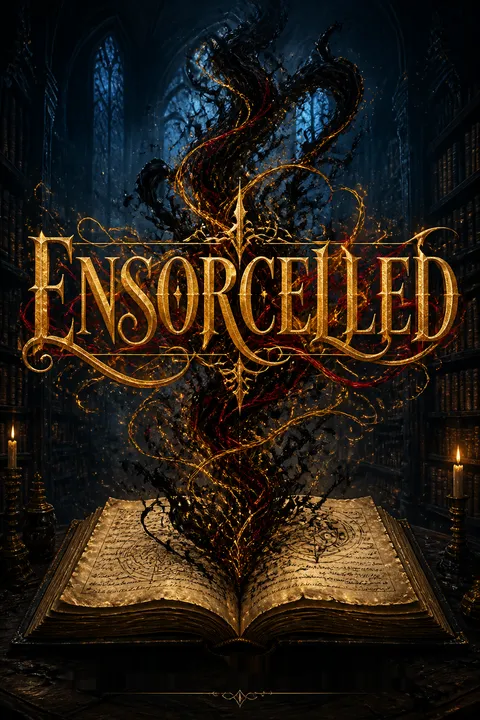
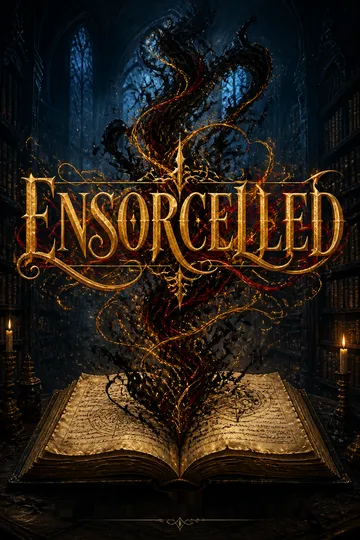
Ensorcelledis a powerful meditation on trauma, agency, and the redemptive power of love and forgiveness, set within a lushly imagined world where nightmares are real and the rules of magic mirror the complexities of human relationships. At its heart, the novel is about the struggle to reclaim one's self from the chains of the past—whether those chains are forged by fae Obligation, family abuse, or the internalized voices of guilt and shame. Through Clara's journey, the story explores the cost of survival, the limits of self-sacrifice, and the necessity of naming and confronting one's own darkness. The Prince's arc, from captor to ally to beloved, is a nuanced exploration of power, vulnerability, and the courage to choose love over control. The novel's use of living nightmares as both literal and metaphorical threats allows for a rich exploration of the ways in which pain, creativity, and healing are intertwined. Ultimately, Ensorcelled
offers a vision of hope: that even in a doomed city, even in the aftermath of horror, it is possible to break cycles, to forgive, and to choose one's own path—not because one is free from darkness, but because one has learned to see, to name, and to love in spite of it.
Review Summary
Ensorcelled receives mixed reviews, with an overall rating of 4.05/5. Fans praise the intense plot, world-building, and slow-burn romance. Critics find the protagonist Clara frustrating and reckless, making poor decisions that endanger others. Some readers appreciate Clara's complex character development, while others find her actions illogical. The book explores themes of trauma, obligation, and love. Many readers eagerly anticipate the next installment, despite some frustrations with pacing and character choices.
People Also Read


Characters
Clara Darlington
Clara is a young woman marked by trauma, guilt, and a fierce sense of responsibility. Bound by magical Obligation to the Prince of Vespre, she is both captive and caretaker, forced to navigate the treacherous world of fae politics and living nightmares. Her love for her brother Oscar, her loyalty to friends, and her compassion for the vulnerable drive her actions, even as she struggles with self-doubt and the legacy of family abuse. Clara's journey is one of reclaiming agency: from passive victim to active participant, from guilt-ridden survivor to powerful binder of nightmares. Her greatest strength is her capacity for love and forgiveness, even when it demands sacrifice. Her relationship with the Prince evolves from antagonism to trust, shaped by mutual vulnerability and the recognition of shared wounds. Ultimately, Clara's choice to stay in Vespre, despite the lifting of her Obligation, is a testament to her growth and the healing power of chosen bonds.
The Prince of Vespre (Castien)
The Prince is a fae of immense power and beauty, yet his life is defined by loss, duty, and the burden of leadership. Half-human, half-fae, he is an outsider in both worlds, mistrusted by his people and haunted by the death of his mother—a tragedy linked to Clara's family. His relationship with Clara is fraught with tension: he is both her captor and her protector, her adversary and her ally. The Prince's refusal to abuse his power, his willingness to risk himself for Vespre, and his capacity for forgiveness reveal a depth of character beneath his imperious exterior. His unspoken love for Clara, shaped by guilt and longing, becomes a source of transformation. Through her, he learns vulnerability, the limits of control, and the possibility of redemption. His ultimate act—releasing Clara from enforced Obligation—signals his growth from a ruler defined by fate to a man capable of choosing love over power.
Oscar Darlington
Oscar is Clara's younger brother, a talented writer and the true heir to their father's legacy. Scarred by childhood abuse and the loss of their mother, Oscar turns to addiction—rothiliom—as both escape and self-destruction. His relationship with Clara is fraught with love, resentment, and the weight of shared trauma. Oscar's struggles mirror the generational cycles of pain that haunt the Darlington family. Despite his flaws, he is a symbol of hope: the possibility that even the most wounded can be saved, if not by magic, then by love and persistence. Oscar's fate is a constant reminder of the limits of agency and the cost of survival in a world shaped by cruelty.
Danny Gale
Danny is Clara's childhood friend and would-be savior, a healer by nature and training. His love for Clara is both his strength and his undoing, driving him to make dangerous bargains and ultimately fall into Estrilde's cruel Obligation. Danny's inability to accept Clara's choices, his possessiveness, and his idealism reveal the limits of good intentions. His journey is one of disillusionment: from protector to victim, from hope to despair. Yet Danny's willingness to risk everything for love, and his capacity for forgiveness, make him a tragic but sympathetic figure. His fate is a warning about the dangers of self-sacrifice without self-awareness.
Estrilde
Estrilde is the fae princess who first held Clara's Obligation and later sells it to the Prince. Beautiful, cunning, and ruthless, Estrilde embodies the dangers of fae power: the twisting of rules, the delight in suffering, and the use of love as a weapon. Her vendetta against Clara is both personal and political, a means of asserting dominance and punishing perceived slights. Estrilde's manipulation of Danny, her willingness to exploit the letter of the law, and her indifference to suffering make her a formidable antagonist. Yet her actions also expose the vulnerabilities of the fae: their need for control, their fear of genuine connection, and the emptiness at the heart of power without love.
Mixael Silveri
Mixael is the head librarian of Vespre, a man shaped by loss, duty, and the relentless demands of his role. The deaths of his parents, the constant threat of Noswraith outbreaks, and the dwindling ranks of defenders weigh heavily on him. Mixael's relationship with Clara is one of mentorship and mutual respect, though strained by the pressures of survival. His optimism is tested by tragedy, but his commitment to Vespre and his willingness to trust Clara mark him as a true leader. Mixael's struggle is the struggle of all who fight for a doomed cause: to find meaning, hope, and connection in the face of inevitable loss.
Andreas Cornil
Andreas is a librarian whose quiet strength and deep knowledge make him an essential part of Vespre's defense. His love of poetry, his calm in crisis, and his willingness to support Clara and Mixael reveal a character of depth and resilience. Andreas's role is often that of mediator and stabilizer, providing balance in a world of chaos. His presence is a reminder that heroism can be found in steadfastness, learning, and the quiet work of holding the line against darkness.
The Eyeless Woman (Emma)
The Eyeless Woman is the Noswraith born from Clara's childhood pain, her mother's blindness to abuse, and the family's legacy of silence. Both monster and victim, Emma embodies the destructive power of unacknowledged trauma. Her presence forces Clara to confront the past, to name the source of her pain, and to accept responsibility for her own darkness. Binding the Eyeless Woman is both an act of exorcism and self-forgiveness, a necessary step in breaking the cycle of suffering. Emma's story is a testament to the power of naming, the necessity of facing one's demons, and the possibility of healing through truth.
Lord Vokuram
Vokuram is a Noxaurian fae lord whose cruelty and cunning make him a formidable adversary. His delight in the Wild Hunt, his manipulation of bargains, and his willingness to exploit the suffering of others reveal the darkest aspects of fae nature. Vokuram's encounter with Clara is a battle of wits and wills, a test of survival in which the line between hunter and hunted is blurred. His defeat at Clara's hands is both a triumph and a warning: that power built on predation is always vulnerable to the unexpected strength of the prey.
The Children (Sis, Calx, Har, Dig)
The troll children adopted by Clara are symbols of hope, healing, and the possibility of breaking cycles of abandonment. Their magic—especially Sis's gubdagogs—offers an alternative to the destructive power of human nightmares. The children's presence challenges Clara to balance duty and love, to find new ways of binding and protecting, and to imagine a future beyond survival. Their resilience, creativity, and capacity for joy are a counterpoint to the darkness of Vespre, a reminder that even in a doomed city, life and hope persist.
Plot Devices
Obligation and Power Dynamics
The central plot device is the magical Obligation that binds humans to fae, stripping them of agency and forcing them to serve. This device is used to explore themes of control, consent, and the struggle for autonomy. The mutual Obligation between Clara and the Prince complicates traditional power dynamics, allowing for moments of vulnerability, trust, and reversal. The rules of Obligation—its cycles, loopholes, and consequences—drive much of the plot, forcing characters to confront the limits of their power and the cost of freedom.
Living Nightmares (Noswraiths)
Noswraiths are nightmares given flesh, born from stories, trauma, and the collective imagination. Their containment in grimoires is both a literal and symbolic act: the attempt to bind and control the darkness within. The process of binding, the danger of outbreaks, and the necessity of naming are all used to explore the relationship between creator and creation, the power of narrative, and the consequences of unacknowledged pain. The parallel with troll gubdagogs—magical tangles that also bind nightmares—offers a contrasting approach to dealing with darkness.
Memory, Naming, and Self-Discovery
Clara's recovery of lost memories, her confrontation with the Eyeless Woman, and the act of naming are central to her arc. The narrative structure uses flashbacks, dream sequences, and journeys into the Nightmare Realm to externalize internal struggles. The act of naming—both monsters and wounds—is shown to be essential for healing and binding. The story's structure mirrors the process of therapy: descent into trauma, confrontation with the past, and the slow work of integration and forgiveness.
Bargains and the Rules of Magic
The fae world is governed by strict rules of magic, bargains, and consequences. Every deal has a price, every loophole a danger. The plot is driven by the characters' attempts to navigate these rules, to outwit or survive those in power, and to find agency within constraint. The tension between the letter and spirit of the law is a recurring motif, exposing the dangers of power without compassion and the necessity of cunning in a world stacked against the vulnerable.
Foreshadowing and Cycles
The narrative is structured around cycles: of abuse, sacrifice, love, and redemption. Foreshadowing is used to hint at the repetition of old wounds and the possibility of change. The story's climax—Clara's choice to stay, the Prince's act of forgiveness, the binding of the Eyeless Woman—are all moments where cycles are confronted and, potentially, broken. The use of parallel plotlines (Oscar's addiction, the children's adoption, the Prince's loss) reinforces the theme that healing is possible, but only through conscious choice and the willingness to face the past.
Prince of the Doomed City Series
About the Author
Download PDF
Download EPUB
.epub digital book format is ideal for reading ebooks on phones, tablets, and e-readers.








































