
Plot Summary
Awakening in a Stranger's Life
Clara Darlington awakens in a guest room, overwhelmed by the scent of lavender and the remnants of a feverish dream. She's told by her friend Kitty that she's about to marry Danny Gale, but her memories are fractured and incomplete. Clara's body and mind are haunted by a sensual, mysterious voice she can't place, and she's plagued by a sense that something is deeply wrong. The world around her feels both familiar and alien, and she's unable to recall how she arrived at this point in her life. The confusion and hollowness inside her set the stage for a journey of self-discovery, as she struggles to piece together her identity and the truth of her circumstances.
Fractured Memories and Wedding Bells
As Clara tries to settle into the Gale household, she's beset by gaps in her memory and a growing sense of unease. Danny, her fiancé, is loving but oddly possessive, and his explanations for her confusion feel rehearsed. Clara's attempts to recall her engagement and her life before the wedding are met with a wall of mist in her mind. She's haunted by the absence of her brother Oscar and the feeling that she's abandoned him. The pressure of the impending wedding, the expectations of those around her, and the persistent, seductive voice in her dreams all combine to make her question the reality she's living. Clara's sense of self is slipping, and she's desperate to find answers before she loses herself completely.
Shadows of the Past
Driven by the need to reconnect with her brother, Clara visits their old home on Clamor Street. The house is a shadow of its former self, filled with memories of trauma and neglect. Oscar, now a celebrated writer, is consumed by his own darkness and creative mania. Their reunion is fraught with pain, accusation, and violence, as Oscar blames Clara for his suffering and accuses her of cursing him. The encounter leaves Clara shaken and physically wounded, reinforcing her sense of guilt and helplessness. The shadows of their shared past loom large, and Clara realizes that the wounds of their family run deeper than she ever understood.
Oscar's Triumph and Torment
Oscar's story, "The Hollow Man," has brought him critical acclaim, but it's clear that his creative genius is intertwined with his personal torment. The story is a dark reflection of their family's legacy—a curse passed down through generations. Oscar's relationship with Clara is poisoned by resentment and a sense of betrayal, and he's become entangled with dangerous magical forces. His success is both a triumph and a tragedy, as it unleashes powers beyond his control. Clara's inability to save her brother or herself from the family's legacy becomes a central source of anguish, setting the stage for the supernatural horrors to come.
The Voice in the Mist
Throughout her ordeal, Clara is pursued by a mysterious, sensual voice that calls to her from the mist of her dreams and waking life. This presence is both a source of comfort and danger, awakening desires and memories she cannot fully grasp. The voice urges her to remember, to call its name, and to break free from the illusions that bind her. As Clara's reality continues to unravel, the voice becomes a lifeline—a connection to a forgotten love and a lost world. The tension between the seductive pull of the voice and the oppressive reality of her life with Danny and Oscar drives Clara toward a confrontation with the truth of her identity and destiny.
The Wedding That Wasn't
On the day of her wedding, Clara's sense of wrongness reaches a breaking point. Overwhelmed by voices, visions, and the weight of her fractured memories, she flees the chapel, only to be confronted by Estrilde—a powerful, otherworldly woman who abducts her. Estrilde's appearance shatters the last vestiges of Clara's constructed reality, revealing the existence of multiple worlds and the magical forces at play. Clara's abduction marks the end of her life as she knew it and the beginning of a journey through realms of horror, sacrifice, and self-discovery. The wedding, meant to be a new beginning, becomes instead a gateway to chaos.
Estrilde's Abduction
Estrilde, revealed as a fae princess with her own dark agenda, binds Clara to a stone altar, intending to use her in a magical ritual. Oscar, complicit in the plot, is driven by his obsession with Ivor and his belief that Clara has betrayed him. The ritual is interrupted by the arrival of Castien, the winged prince from Clara's dreams, who confronts Estrilde and Oscar. The ensuing battle unleashes powerful magic and brings forth Ivor from the depths of hell, but at a terrible cost. Clara's sense of agency is stripped away as she becomes a pawn in the machinations of gods, fae, and her own family.
Sacrifice and Summoning
Castien is forced to make a blood oath to summon Ivor from the underworld, fulfilling Estrilde's demands. The ritual is a harrowing display of sacrifice, power, and the consequences of broken bonds. Ivor returns, hideously transformed by his time in hell, and Oscar's devotion to him is revealed as both love and madness. The summoning unleashes the Hollow Man—a monstrous manifestation of Oscar's darkness—upon the world. The boundaries between reality and nightmare collapse, and Clara is swept into a battle for her soul and the fate of multiple worlds.
The Hollow Man Unleashed
The Hollow Man, a Noswraith born from Oscar's story and pain, is unleashed upon Vespre and Aurelis, bringing death and chaos. Clara, Castien, and their allies are forced to confront the living nightmares that now roam free. The city is plunged into terror as Noswraiths—manifestations of human trauma and creativity—wreak havoc. Clara's journey becomes a desperate struggle to save her loved ones, reclaim her memories, and find a way to end the curse that has haunted her family for generations. The battle against the Hollow Man is both literal and symbolic—a confrontation with the darkness within.
The Nightmare Realm
Trapped in the Nightmare Realm, Clara is forced to relive the traumas of her childhood and the failures of her relationships. She confronts the Eyeless Woman, a Noswraith born from her own pain and codependence, and the Hollow Man, the embodiment of her father's abuse and Oscar's suffering. Through acts of recognition, forgiveness, and release, Clara learns to name and let go of the monsters within. The process is agonizing, but it brings healing and the possibility of breaking the cycle of trauma. Clara's victory is not just over supernatural horrors, but over the patterns that have defined her life.
The Price of Return
To return to Vespre and save her family, Clara must bargain with the Daughters of Bhorriel, powerful crones who demand a terrible price. Danny sacrifices his heart for Clara's passage, and Ilusine, the fae princess, gives up her power to save her. The journey back is fraught with pain, loss, and the realization that every act of love and heroism comes with a cost. Clara's return to Vespre is marked by the passage of years, the loss of her children's childhoods, and the knowledge that she cannot undo the past. The price of return is steep, but it is the only way forward.
The Bargain of Hearts
Clara's final farewell to Danny is a moment of heartbreak and liberation. She acknowledges the end of their relationship and the impossibility of returning to the life they once shared. The act of letting go is both painful and necessary, allowing Clara to embrace her fate with Castien and the child they share. The theme of sacrifice is woven throughout, as each character must relinquish something precious to gain what they truly need. The bargain of hearts is a testament to the power of choice, agency, and the willingness to face the consequences of one's actions.
The Daughters of Bhorriel
Clara and Ilusine journey to the Den of Vipers to seek the aid of the Daughters of Bhorriel. The crones demand a price for their help, forcing Clara to confront the pain she has caused and endured. The process of bargaining with the crones is a metaphor for therapy and the work of healing—acknowledging wounds, accepting responsibility, and making amends. The crones' magic is both terrifying and redemptive, offering a path forward at the cost of suffering. Clara's willingness to pay the price marks a turning point in her journey toward wholeness.
The Last Gate to Vespre
With the crones' help, Clara returns to Vespre, only to discover that seven years have passed in her absence. Her children have grown, the city is besieged by nightmares, and the world she knew is irrevocably changed. The pain of lost time and missed milestones is acute, but Clara is determined to make amends and fight for the future. The reunion with her children and allies is bittersweet, marked by both joy and sorrow. The last gate to Vespre is a threshold between past and future, loss and hope.
Seven Years Lost
Clara's return to Vespre is a time of reckoning. She is reunited with her children, Lir, and her allies, but the wounds of abandonment and the scars of battle are everywhere. The city is under siege by Noswraiths, and the survivors are forced to band together for survival. Clara's guilt and regret are tempered by the love and resilience of those around her. The fight for Vespre becomes a fight for redemption, as Clara seeks to heal the wounds she has caused and to end the cycle of trauma that has haunted her family and her world.
Reunion and Reckoning
In the midst of chaos, Clara and Castien are reunited, their love rekindled by shared suffering and the hope of a new beginning. Their bond is both a source of strength and vulnerability, as they face the challenges of leadership, parenthood, and the ongoing battle against the Noswraiths. The reunion is marked by moments of passion, forgiveness, and the recognition that healing is a lifelong process. Together, they lead the survivors in a final stand against the nightmares that threaten to consume Vespre and all they hold dear.
The Battle for Vespre
The climax of the story is a desperate battle for the soul of Vespre. Clara, Castien, and their allies face the Hollow Man, Ivor, and the unleashed Noswraiths in a struggle that is both physical and psychological. The fight is marked by sacrifice, courage, and the willingness to confront the darkest parts of themselves. Clara's victory over the Hollow Man is achieved not through violence, but through recognition, forgiveness, and the breaking of the cycle of abuse. Ivor's defeat marks the end of an era, and the survivors are left to pick up the pieces and build a new future.
Healing, Hope, and Homecoming
In the aftermath of the battle, Vespre is saved, but at great cost. The survivors mourn their losses, celebrate their victories, and begin the work of healing. Clara and Castien, now rulers of their respective realms, are reunited with their children and allies. The city is restored, the Noswraiths are contained, and the promise of a better future is within reach. The story ends with a sense of hope and the recognition that healing is an ongoing journey. Clara's final act is to read a story to her child—a story of courage, love, and the power of letting go.
Analysis
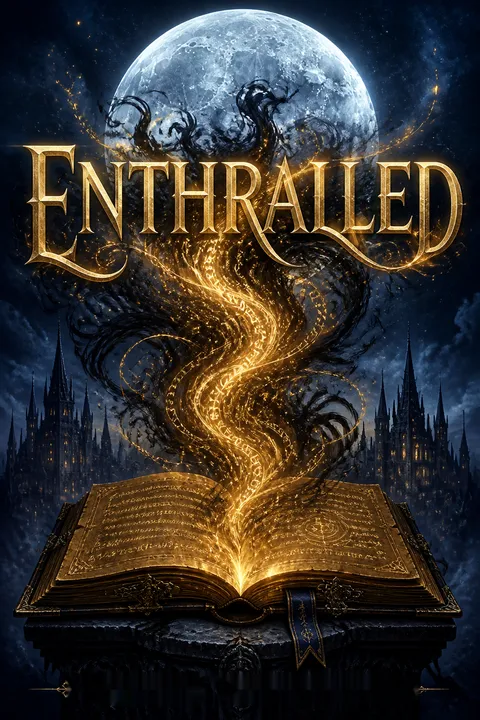
"Enthralled" is a masterful exploration of trauma, codependence, and the redemptive power of self-recognition, set within a lush, magical world. Sylvia Mercedes weaves a narrative that is both epic in scope and deeply intimate, using the devices of fantasy to probe the wounds of the psyche. The Noswraiths—manifestations of personal and generational pain—are not merely monsters to be slain, but aspects of the self to be named, understood, and released. The story's structure mirrors the cycles of trauma and healing, emphasizing that true change comes not from denial or violence, but from the courage to see oneself rightly and to let go. The sacrifices made by Clara, Danny, Ilusine, and others underscore the cost of healing, while the final acts of forgiveness and storytelling offer hope for the future. "Enthralled" is ultimately a story about breaking the cycle—of abuse, of codependence, of self-doubt—and embracing the messy, ongoing work of becoming whole. Its lessons are as relevant to the modern reader as they are to its fantastical characters: healing is possible, but it requires honesty, courage, and the willingness to let go of the past.
Review Summary
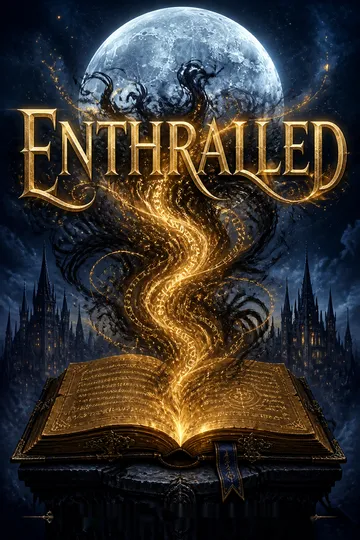
Enthralled, the final book in the Prince of the Doomed City series, received mostly positive reviews. Readers praised the character development, especially Clara's growth and journey of self-discovery. The book's themes of trauma, healing, and forgiveness resonated with many. Some found the pacing uneven and certain plot elements frustrating. The slow-burn romance and world-building were widely appreciated. While a few readers felt disappointed with aspects of the conclusion, most found it a satisfying end to the series.
People Also Read
Characters
Clara Darlington
Clara is the emotional and narrative center of the story—a woman shaped by trauma, codependence, and a desperate need to save those she loves. Her journey is one of self-discovery, as she confronts the illusions and patterns that have defined her life. Clara's relationships—with Oscar, Danny, Castien, and her children—are fraught with pain, sacrifice, and the longing for connection. Psychoanalytically, Clara embodies the struggle to break free from generational trauma and the courage to face the darkness within. Her development is marked by moments of weakness and strength, culminating in the recognition that true healing comes from letting go and embracing her own worth.
Oscar Darlington
Oscar is both victim and perpetrator—a gifted writer whose creativity is inseparable from his pain. His relationship with Clara is defined by codependence, resentment, and a shared legacy of abuse. Oscar's descent into madness and his alliance with Ivor are driven by a need for validation and love, but ultimately lead to destruction. Psychoanalytically, Oscar represents the wounded inner child, unable to break free from the patterns of the past. His transformation into the Hollow Man is both literal and symbolic—a manifestation of the family curse and the consequences of unhealed trauma.
Castien Lodírith
Castien is the mysterious voice that haunts Clara's dreams—a figure of passion, power, and vulnerability. His relationship with Clara is marked by longing, misunderstanding, and the struggle to overcome the barriers between worlds. Castien's own wounds—his fading vitality, his complicated family history, and his role as a leader—mirror Clara's journey. He is both a source of strength and a partner in healing, embodying the possibility of love after trauma. Castien's development is tied to his willingness to sacrifice, forgive, and fight for a future with Clara and their child.
Danny Gale
Danny is Clara's childhood friend and would-be husband—a figure of stability, love, and ultimately, heartbreak. His inability to let go of Clara and his willingness to sacrifice his heart for her return are both noble and tragic. Danny's psychoanalytic role is that of the "good man" who cannot save the woman he loves from her own destiny. His journey is one of acceptance and loss, as he learns to release his dreams and allow Clara to choose her own path.
Estrilde
Estrilde is a complex antagonist—beautiful, powerful, and driven by her own wounds and ambitions. Her relationship with Clara, Oscar, and Ivor is marked by manipulation, betrayal, and a desperate need for control. Estrilde's actions set much of the plot in motion, but her own vulnerability and longing for love are never far from the surface. Psychoanalytically, she represents the seductive allure of power and the dangers of unresolved trauma. Her downfall is both a cautionary tale and a moment of pathos.
Ivor Illithor
Ivor is the catalyst for much of the story's chaos—a fae lord whose quest for power leads him to hell and back. His relationship with Oscar is both romantic and destructive, a mirror of the codependent patterns that haunt the Darlington family. Ivor's transformation into a monster is both physical and psychological, and his defeat marks the end of an era. Psychoanalytically, Ivor is the shadow self—the part of the psyche that seeks dominance at any cost.
Lir
Lir is Clara's confidante and the surrogate mother to her children in Vespre. Her journey is one of growth, as she steps into leadership and finds love with Anj. Lir's relationship with Clara is marked by loyalty, honesty, and the willingness to do what is necessary for the good of others. She represents the possibility of healing through community and the importance of chosen family.
Anj
Anj is the leader of the trollfolk and, eventually, the king of Vespre. His relationship with Lir and the children is one of protection and responsibility. Anj's journey is marked by the struggle to accept power and the burden of leadership. He embodies the theme of redemption and the hope of a new beginning for a people long oppressed.
Mixael Silveri
Mixael is a stabilizing force in Vespre—a scholar, a leader, and a friend. His relationship with Clara and the other librarians is one of mentorship and mutual respect. Mixael's own battles with the Noswraiths and his willingness to sacrifice for the greater good make him a model of courage and wisdom. He represents the power of knowledge and the importance of facing the darkness with open eyes.
The Hollow Man / Edgar Darlington
The Hollow Man is both a literal monster and a symbol of the Darlington family's legacy of pain. Born from Oscar's story and the wounds inflicted by their father, the Hollow Man is the embodiment of shame, guilt, and the cycle of abuse. His defeat is achieved not through violence, but through recognition, forgiveness, and the breaking of the cycle. Psychoanalytically, the Hollow Man is the shadow that must be faced and integrated for healing to occur.
Plot Devices
Dual Realities and Fractured Memory
The narrative structure employs dual realities—Clara's constructed life in the mortal world and the magical realms of Vespre and Aurelis. Fractured memory and unreliable narration create a sense of disorientation, mirroring the experience of trauma and dissociation. The use of dreams, visions, and seductive voices blurs the line between reality and fantasy, forcing both Clara and the reader to question what is true. This device heightens suspense and deepens the psychological complexity of the story.
Manifestation of Trauma as Magic
The central plot device is the manifestation of trauma, pain, and creativity as magical beings—Noswraiths. These nightmares are born from the stories, wounds, and obsessions of their creators, and they wreak havoc in the world until they are recognized, named, and released. The process of binding and ending Noswraiths is a metaphor for therapy and healing, requiring acts of recognition, forgiveness, and letting go. This device allows the story to explore deep psychological themes through the lens of fantasy.
Sacrifice and the Cost of Magic
The story is structured around bargains, sacrifices, and the consequences of choices. Whether it's Danny giving up his heart, Ilusine sacrificing her power, or Clara paying the price of pain, every act of magic and heroism comes with a cost. This device reinforces the theme that healing and redemption are not free—they require courage, loss, and the willingness to face the truth. The bargains with the Daughters of Bhorriel and the blood oaths of the fae are literalizations of the emotional bargains we make in life.
Cyclical Structure and Breaking the Pattern
The story is structured in cycles—of trauma, abandonment, return, and healing. Clara's journey is one of repetition and eventual breakthrough, as she learns to break the patterns that have defined her life and family. The use of repeated motifs, mirrored events, and the return to key locations (the family home, the library, the coal cellar) reinforces the cyclical nature of trauma and the possibility of breaking free.
Metafiction and the Power of Story
The narrative is deeply metafictional, with stories written by Oscar, Clara, and others coming to life as magical beings. The act of writing, reading, and naming is central to the plot, highlighting the power of story to shape reality, heal wounds, and create monsters. The final act of reading a story to her child is both a literal and symbolic act of healing—a new story for a new generation.
Prince of the Doomed City Series
About the Author
Download PDF
Download EPUB
.epub digital book format is ideal for reading ebooks on phones, tablets, and e-readers.








































