
Plot Summary
Awakening on Spike Peak
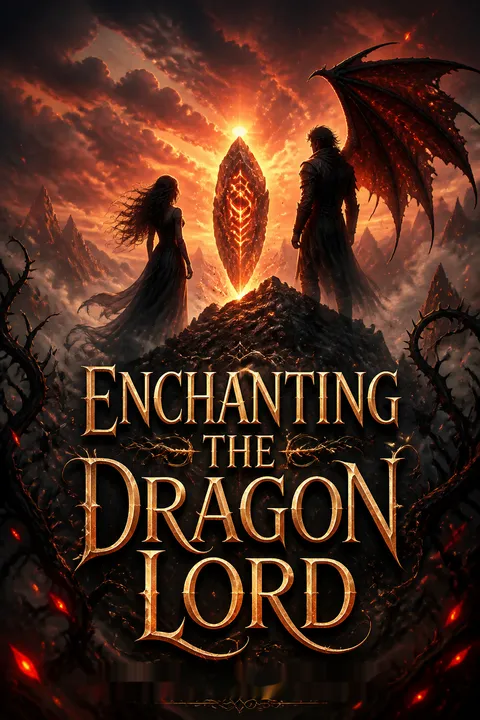
Dorin, the elven prince of Balaur, wakes naked and covered in blood atop the forbidding Spike Peak, with no memory of how he arrived. The cold stone beneath him and the scent of blood set his heart racing, and he realizes he is far from home, alone, and changed. Panic and confusion war within him as he stumbles from the cave, the world below unfamiliar and unreachable. This is not the life of a prince—something monstrous has happened. The sense of being hunted, or perhaps being the hunter, lingers in the air. Dorin's journey begins with fear and mystery, his identity and fate already unraveling.
Princess in Disguise
Princess Brielle, chafing under her father's oppressive rule in Wylfenden, disguises herself in stolen boots and trousers to escape the castle. She is a rebel at heart, more at home in mud and legend than in silk and politics. Her secret life as an artifact hunter is a desperate bid for freedom and meaning. She sneaks through hidden tunnels, evading guards and expectations, to her mountain cabin. There, she unearths a rune stone humming with magic, a forbidden thrill in a kingdom that burns those with power. Brielle's longing for adventure and her hatred of her father's cruelty set her on a collision course with destiny.
Dragon at the Window
Brielle's world is upended when a dragon appears at her window, drawn by the magic of the rune stone. The beast's eyes are intelligent, its presence both terrifying and awe-inspiring. As dawn breaks, the dragon transforms into a naked elven man—Dorin—revealing a magic thought lost to legend. Brielle's compassion and quick thinking save him from discovery and death at the hands of her father's Broyeurs. The two are bound by secrecy and necessity, their fates entwined by ancient power and the threat of violence. The encounter is electric, dangerous, and the first spark of something more.
Enemy in Hiding
Dorin, disoriented and hunted, is hidden by Brielle in her mountain cabin. The revelation that he is both dragon and elf, and that Brielle is the daughter of his people's enemy, creates a volatile alliance. Their mutual distrust is matched only by their fascination with each other. As guards close in, Brielle's quick wit and Dorin's raw power allow him to escape, half-shifted and winged, into the mountains. The lines between enemy and ally blur, and both are left questioning their loyalties and the nature of the magic that binds them.
Broyeur's Shadow
Brielle is dragged back to the castle, where her father, King Raoul, and the sadistic Captain D'Aboville force her into the world of the Broyeurs—hunters and torturers of magic. She witnesses the torment of a young witch, the effects of Magebane, and the casual brutality of her father's regime. The rune stone's mysterious power offers a glimmer of hope, but Brielle is marked for violence and control. Her compassion for the oppressed and her hatred for her father's cruelty deepen, fueling her resolve to resist and protect those with magic.
Blood and Runes
Dorin, haunted by his nightly transformations and the blood on his hands, struggles to survive in the wild. His dragon form is both a curse and a weapon, and he fears what he might do when he loses control. Brielle, meanwhile, risks everything to free the imprisoned witch, Maren, using the rune stone's power to defy Magebane. Their actions set off a chain of events that draw them closer together and deeper into danger. The rune stone becomes a symbol of hope and rebellion, its magic a link between past and present, human and dragon.
The Dragon's Curse
Dorin's dual nature threatens to consume him. Each night, he loses himself to the dragon, waking with no memory and fearing he has killed innocents. His isolation is both a punishment and a protection for those he loves. Brielle's determination to help him, despite the risks, forges a fragile trust. Their shared secrets and growing attraction are tested by the ever-present threat of discovery and the violence of their world. The curse is both literal and metaphorical—a struggle with identity, guilt, and the possibility of redemption.
Escape and Pursuit
Brielle orchestrates a daring escape for herself and Maren, fleeing the castle and the Broyeurs. Their journey through the mountains is fraught with danger, but also with moments of camaraderie and revelation. The rune stone's magic calls Dorin to Brielle once more, and their reunion is marked by both passion and peril. The pursuit by D'Aboville and the Broyeurs is relentless, and the stakes grow higher as the lines between hunter and hunted blur. The mountains become a crucible, forging new alliances and testing old enmities.
The Witch's Stone
The true power of the rune stone is revealed—it is a relic of the dragon clans, capable of calling and aiding those with magic. Maren identifies its runes as symbols of calling and aid, explaining how Brielle's wish for help summoned Dorin. The stone becomes a focal point for hope and resistance, a link to the ancient world and a tool against the Broyeurs' Magebane. Brielle's connection to magic, hinted at by Maren and the fae, deepens the mystery of her heritage and her role in the coming conflict.
Secrets and Sacrifice
Brielle learns the truth of her father's hatred for magic—a youthful affair with a witch, a legacy of shame and fear. The possibility that Brielle herself has witch blood is raised, complicating her identity and her place in both kingdoms. Her loyalty to those she loves is tested by the demands of power and the threat of violence. Dorin, too, is forced to confront the cost of his curse and the sacrifices required to protect his people. Their choices are shaped by secrets, both personal and political, and by the willingness to risk everything for freedom.
Marked by Fire
Brielle is forcibly branded as a Broyeur, a mark of shame and control meant to bind her to her father's will. The pain and humiliation deepen her resolve to resist, but also isolate her further. Dorin, meanwhile, is hunted and tormented by his own people's fears and the growing legend of his dragon form. Both are marked—literally and figuratively—by the violence of their world and the choices they have made. Their scars become symbols of survival and defiance, and their bond grows stronger in the face of adversity.
Chains and Choices
Dorin, torn between his duty to his kingdom and his feelings for Brielle, imprisons her to protect her from his dragon form and to use her as a bargaining chip for peace. Brielle's defiance and courage challenge his resolve, and their relationship becomes a battleground of wills and desires. The arrival of the Broyeurs and the threat of war force both to confront the limits of their power and the cost of their choices. The chains that bind them are both physical and emotional, and only trust and sacrifice can set them free.
The Blessing of Balaur
Queen Sorina orders Dorin to bestow the ancient Balaur blessing on Brielle, a public act of acceptance and trust. The ceremony is both a political and personal turning point, signaling Brielle's new place in the elven kingdom and Dorin's willingness to embrace his dual nature. The blessing is met with both approval and resistance, reflecting the deep wounds of war and the possibility of healing. The moment is charged with emotion, hope, and the promise of a new beginning.
The Enemy's Heart
Dorin and Brielle's relationship deepens, tested by jealousy, fear, and the ever-present threat of betrayal. Their attraction is undeniable, but so are the dangers of loving across enemy lines. The court watches, divided between acceptance and suspicion. The past haunts them both—Dorin's guilt over his curse, Brielle's shame over her brand and her father's crimes. Yet, in each other, they find the possibility of redemption and the courage to face the coming storm together.
The Broyeur's Plot
D'Aboville, driven by obsession and a thirst for control, plots to capture Brielle and Dorin, using Magebane and dark magic. His alliance with a mysterious, ancient force—the Abyss—threatens to unleash chaos on both kingdoms. The Broyeurs' cruelty and cunning are matched only by their willingness to sacrifice anything for power. The plot unfolds in shadows and whispers, setting the stage for betrayal and confrontation at the heart of Balaur.
The Midnight Ball
The Primāvarā Noroc midnight ball is a swirl of music, masks, and hidden passions. In the darkness, Dorin and Brielle find each other, their desire igniting in secret corners. But the celebration is shattered by betrayal—D'Aboville and the Broyeurs strike, using Magebane to incapacitate the court and capture their prey. The ball becomes a battleground, and love is tested by violence and fear. The darkness is both a refuge and a trap, and only courage can light the way out.
Betrayal in the Dark
Dorin and Brielle are taken by D'Aboville, their magic suppressed and their lives in peril. The Broyeur captain's cruelty is unrestrained, and the threat of death looms. Yet, even in chains, Brielle's resourcefulness and the power of the rune stone offer a glimmer of hope. The darkness is suffocating, but the bond between Dorin and Brielle endures, a beacon in the night. Their escape is desperate, fueled by love and the refusal to surrender.
The Abyss Unleashed
D'Aboville, mortally wounded, bargains with the Abyss—a dark, magical force born of sacrifice and blood. The entity, revealed as the old Matchweaver and Brielle's blood mother, is unleashed upon the world, consuming life and magic alike. The boundaries between life and death, past and present, blur as the Abyss seeks to claim Brielle and destroy all that stands in its way. The true cost of power is revealed, and the final battle is set in motion.
Daughter of Two Worlds
Brielle confronts the truth of her heritage—daughter of King Raoul and the witch who became the Abyss. The magic in her blood both endangers and saves her, as the Abyss's power rebounds and destroys itself. Brielle's acceptance of her dual nature, and her love for Dorin, become the keys to survival and victory. The past is both a burden and a gift, and only by embracing all that she is can Brielle claim her place in the world.
Avalanche and Aftermath
As the Wylfen army descends, the combined forces of Balaur, Lore, and their allies unleash a desperate defense. Gryphon riders and Dorin's dragonfire trigger an avalanche, burying the enemy and ending the war. The cost is great—lives lost, wounds deep—but hope is reborn. The kingdoms are forever changed, and the promise of peace is forged in fire and blood. The survivors gather, mourning and celebrating, and the future is uncertain but bright.
Peace Forged in Fire
In the aftermath, Dorin and Brielle are wed in a ceremony that blends tradition and transformation. Their union is both personal and political, a symbol of reconciliation and hope. The scars of war and magic remain, but so do the bonds of love and loyalty. Together, they face the challenges of ruling, healing, and building a new world. The story ends with joy, passion, and the promise that even in a world of dragons and darkness, love can conquer all.
Analysis
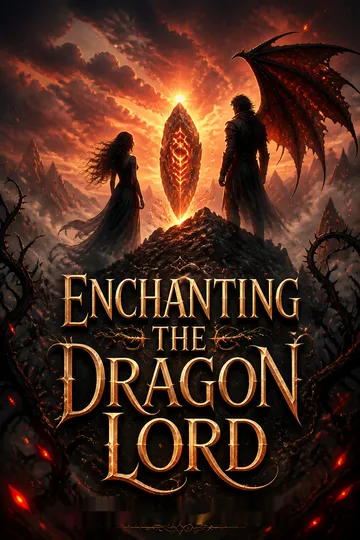
Enchanting the Dragon Lord is a sweeping fantasy romance that interrogates the boundaries between self and other, power and vulnerability, tradition and transformation. At its heart, the novel is a meditation on the costs and possibilities of change—personal, political, and magical. Through the intertwined journeys of Brielle and Dorin, the story explores the pain of inherited trauma, the courage required to break cycles of violence, and the redemptive power of love. The use of duality—dragon and elf, witch and princess, enemy and ally—serves as both a narrative engine and a philosophical inquiry into the nature of identity. The novel's treatment of magic as both a source of wonder and a tool of oppression reflects contemporary anxieties about difference, control, and the fear of the unknown. Ultimately, the story argues that true strength lies not in domination or purity, but in the willingness to embrace complexity, to risk vulnerability, and to forge new bonds across old divides. The union of Brielle and Dorin, forged in fire and blood, becomes a symbol of hope—a promise that even in a world scarred by war and prejudice, peace and healing are possible.
Review Summary
Enchanting the Dragon Lord receives mostly positive reviews, with an average rating of 4.17 out of 5. Readers praise the engaging romance, well-developed characters, and intricate fantasy world-building. Many enjoy the enemies-to-lovers plot and dragon-shifter element. Some criticism includes rushed pacing and underdeveloped conflicts. The book is part of a series but can be read as a standalone. Overall, fans of clean fantasy romance with strong heroines and magical elements find it entertaining, though a few readers felt the writing style was simplistic.
People Also Read

Characters
Brielle
Brielle is the fiery, red-haired princess of Wylfenden, chafing under her father's cruel rule and the suffocating expectations of her royal station. Driven by a longing for adventure and justice, she disguises herself to escape the castle and hunt for magical artifacts, defying the kingdom's ban on magic. Her compassion for the oppressed and her hatred of tyranny set her apart, and her quick wit and courage make her both a formidable ally and a dangerous enemy. Brielle's journey is one of self-discovery—she learns she has witch blood, is marked by both violence and love, and ultimately chooses to embrace her dual heritage. Her relationship with Dorin, fraught with distrust and desire, becomes the crucible in which she is transformed from a rebellious daughter into a queen and a symbol of hope.
Dorin
Dorin, heir to the throne of Balaur, is a man torn between worlds—noble elf by birth, dragon by curse. Haunted by memory loss, blood on his hands, and the fear of harming those he loves, Dorin isolates himself, believing his monstrous power to be a danger. His sense of duty is matched only by his guilt and self-loathing, but beneath the stoic exterior lies a longing for acceptance and love. Brielle's compassion and defiance draw him out, challenging his beliefs and forcing him to confront his fears. Dorin's journey is one of embracing his dual nature, learning to wield his power for good, and risking everything for peace and love. His transformation from cursed outcast to dragon lord and king is both literal and symbolic—a testament to the power of self-acceptance and the redemptive force of love.
King Raoul
King Raoul of Wylfenden is a man consumed by fear, pride, and the need for control. His hatred of magic is rooted in a youthful affair with a witch, a legacy of shame that drives him to burn and persecute those with power. He is a master manipulator, using his children as pawns and his Broyeurs as instruments of terror. Raoul's cruelty is matched only by his cunning, and his willingness to sacrifice anything for power makes him a formidable antagonist. Yet, his downfall is inevitable—his inability to love or change leaves him isolated and ultimately destroyed by the very forces he sought to control.
Captain D'Aboville
D'Aboville is the sadistic captain of the Broyeurs, a man whose life is defined by the pursuit and destruction of magic. His obsession with Brielle, rooted in the loss of a woman he loved, twists into a desire for control and punishment. D'Aboville's alliance with the Abyss, the ancient dark magic, is both his greatest triumph and his undoing. He becomes a vessel for chaos, unleashing forces he cannot control and ultimately being consumed by them. His character is a study in the dangers of obsession, the corruption of power, and the self-destructive nature of hatred.
Maren
Maren is a young witch imprisoned and tortured by the Broyeurs, rescued by Brielle's courage and the power of the rune stone. Her magic is both a gift and a curse, and her trauma is deep, but she remains resilient and resourceful. Maren's unique ability to speak with the dead and her knowledge of ancient runes make her a key ally in the fight against the Broyeurs and the Abyss. Her friendship with Brielle is a source of strength for both, and her journey is one of healing, empowerment, and the reclaiming of agency in a world that seeks to destroy her.
Queen Sorina
Queen Sorina of Balaur is a figure of strength, wisdom, and compassion. She navigates the treacherous politics of her kingdom with grace, balancing the needs of her people with the demands of war and peace. Her acceptance of Brielle, her support for Dorin, and her willingness to embrace change make her a catalyst for reconciliation and healing. Sorina's leadership is marked by empathy and pragmatism, and her presence is a stabilizing force in a world on the brink of chaos.
Filip
Filip, Dorin's younger brother, is a source of levity, loyalty, and courage. His easy charm and skill in battle make him beloved by his people, and his unwavering support for Dorin is a testament to the strength of their bond. Filip's marriage to Princess Aurora of Lore is both a political alliance and a love match, symbolizing the possibility of unity across kingdoms. He is a peacemaker, a confidant, and a reminder that hope and humor can survive even in the darkest times.
Aurora
Princess Aurora of Lore, wife to Filip, is a powerful water mage and a fierce protector of her people. Her skepticism of Brielle and her wariness of outsiders are rooted in trauma and loss, but her capacity for forgiveness and her commitment to justice make her a vital ally. Aurora's magic is both a weapon and a balm, and her leadership in battle is matched by her compassion in healing. She embodies the complexities of power, trust, and the struggle to reconcile past wounds with present needs.
Werian
Werian, the fae prince and husband to Rhianne, is a figure of mischief, wisdom, and unexpected depth. His playful exterior masks a keen intelligence and a deep loyalty to his chosen family. Werian's ability to bridge worlds—fae, elf, and human—makes him a valuable ally and a source of insight. His support for Brielle and Dorin, his magical gifts, and his irreverent humor provide both aid and levity in times of crisis.
Rhianne
Rhianne, the new Matchweaver and Werian's wife, is a mediator and visionary, gifted with the power to sense and shape fated bonds. Her magic is subtle but profound, and her empathy allows her to see the best in others. Rhianne's support for Brielle, her role in summoning the gryphon riders, and her ability to navigate the complexities of court and conflict make her an indispensable figure in the struggle for peace. She represents the possibility of harmony, understanding, and the transformative power of love.
Plot Devices
Duality and Transformation
The narrative is structured around the dualities that define its characters and world—human and dragon, oppressor and oppressed, love and hate, past and present. Dorin's transformation into a dragon is both a literal and metaphorical exploration of identity, power, and the fear of one's own nature. Brielle's journey from rebellious princess to queen, from enemy to beloved, mirrors this theme. The rune stone serves as a plot device that bridges ancient magic and present need, calling forth both danger and salvation. The use of foreshadowing—dreams, prophecies, and the recurring motif of fire—builds tension and underscores the inevitability of change. The narrative weaves together personal and political stakes, using romance, betrayal, and sacrifice to drive the story toward its climactic resolution.
Kingdoms of Lore Series
About the Author
Other books by Alisha Klapheke

Download PDF
Download EPUB
.epub digital book format is ideal for reading ebooks on phones, tablets, and e-readers.








































