
Plot Summary
The Albino Emperor's Doubt
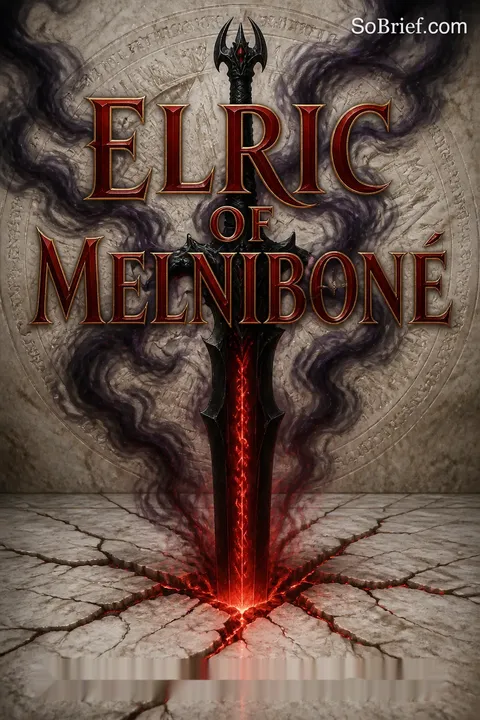
Elric, the albino Emperor of Melniboné, sits upon the Ruby Throne, his body frail and his mind restless. He is a ruler unlike his ancestors—introspective, philosophical, and tormented by questions of morality. His people, decadent and cruel, see his doubts as weakness. Elric's cousin Yyrkoon, ambitious and traditional, openly questions Elric's right to rule, while Cymoril, Yyrkoon's sister and Elric's beloved, offers him rare solace. Elric's reign is shadowed by the decline of Melniboné, a once-mighty empire now living on faded glory and ritual. The court's attempts to please him only deepen his sense of isolation, and he fears that his own nature may doom his people. The seeds of tragedy are sown in his inability to reconcile his conscience with the expectations of his bloodline.
Yyrkoon's Challenge and Court Intrigue
During a court ball, Yyrkoon confronts Elric, challenging his authority and mocking his reluctance to embrace Melnibonéan traditions of power and cruelty. The confrontation escalates, but Elric, refusing to be provoked, dismisses Yyrkoon's treason as trivial. Cymoril and Dyvim Tvar, Elric's loyal friend, worry about Yyrkoon's ambitions and the emperor's refusal to act decisively. Elric's tolerance is not weakness but a conscious choice, a refusal to perpetuate the cycle of violence that has defined his ancestors. Yet, this restraint only emboldens Yyrkoon, who leaves the court vowing to seize the throne. The court is left uneasy, sensing the storm that is gathering beneath the surface of ritual and pageantry.
Lovers' Escape and Omen
Elric and Cymoril steal away from the city for a rare moment of peace, riding through the wilds of Melniboné. Their love is tender but shadowed by foreboding. Elric's doubts about his right to rule and his place in the world surface in their conversation. Cymoril urges him to use his strength against Yyrkoon, but Elric cannot bring himself to destroy his rival. Their idyll is shattered by a sudden storm, a portent of coming tragedy. As they race back to Imrryr, Cymoril senses that this is their last moment of happiness. The storm becomes a symbol of the chaos and sorrow that will soon engulf them, and she weeps for the doom she feels approaching.
Spies, Torture, and Threat
Returning to Imrryr, Elric is summoned to witness the interrogation of captured spies. The scene is one of ritualized cruelty, with Doctor Jest extracting secrets through torture. Elric, though not inhumane, is shaped by the traditions of his people and sees no alternative but to allow the brutality. The spies reveal that a fleet of raiders is planning to attack Melniboné, and Elric must set aside his personal turmoil to prepare for war. The episode underscores the tension between Elric's moral qualms and the harsh realities of his role. He is trapped by duty, forced to perpetuate the very violence and cruelty he despises, even as he questions its purpose.
The Battle of the Maze
Elric leads Melniboné's forces against the invading fleet, using the treacherous sea-maze to trap and destroy the enemy. Yyrkoon, eager for glory, tries to usurp command, but Elric asserts his authority. The battle is brutal and decisive, showcasing Elric's skill as a war leader despite his physical weakness. Yet, the victory is hollow; Elric is haunted by the waste of life and the necessity of violence. Yyrkoon's envy and resentment only deepen, and the seeds of betrayal are sown. The battle cements Elric's reputation but also isolates him further, as he realizes that his power is both a burden and a curse.
Betrayal at Sea
After the battle, Yyrkoon seizes his chance. As Elric, weakened and vulnerable, tries to recover, Yyrkoon betrays him—casting him overboard into the sea, intent on claiming the throne for himself. Elric, weighed down by his armor and drained of strength, sinks into the depths, resigned to death. Yyrkoon's ambition is finally unleashed, and he returns to Melniboné to declare himself emperor. The betrayal is both personal and symbolic, marking the triumph of old, ruthless Melnibonéan values over Elric's fragile idealism. Elric's fate seems sealed, and the empire teeters on the brink of a new, darker era.
Drowned, Summoned, and Reborn
As Elric drowns, he instinctively summons Straasha, Lord of the Water Elementals, reciting an ancient rune. Straasha answers, saving Elric and restoring his strength. In the elemental's realm, Elric learns that his destiny is intertwined with the fate of Melniboné and the waning power of the elementals. Straasha warns him of the dangers ahead and the shifting balance between Law and Chaos. Reborn and renewed, Elric is returned to the world, determined to reclaim his throne and rescue Cymoril. The experience marks a turning point, as Elric embraces his role as a sorcerer and acknowledges the supernatural forces that shape his life.
Yyrkoon's Rule, Elric's Return
Yyrkoon, now emperor, revels in his power, ruling with cruelty and excess. Cymoril, imprisoned and desolate, sees through her brother's facade and mourns Elric. The court is divided, and the people suffer under Yyrkoon's harsh rule. Suddenly, Elric returns, appearing as if from the dead, and confronts Yyrkoon in the throne room. The usurper is unmasked, and Elric's authority is reestablished. The confrontation is both a personal and political reckoning, as Elric asserts his right to rule and exposes the emptiness of Yyrkoon's ambition. The cycle of vengeance and mercy begins anew, as Elric must decide how to deal with his treacherous cousin.
Justice and the Groaning Mist
Elric metes out traditional Melnibonéan justice, condemning Yyrkoon and his accomplices to gruesome punishment. Yet, he is tormented by the cruelty he must enact, feeling himself trapped by the expectations of his ancestors. Before the sentence can be carried out, Yyrkoon uses sorcery to summon the groaning mist, a supernatural force that enables his escape and the abduction of Cymoril. Elric is left helpless, consumed by guilt and self-doubt. The episode marks a crisis in Elric's identity, as he is forced to confront the limits of his power and the consequences of his mercy. The pursuit of Yyrkoon becomes both a personal vendetta and a quest for redemption.
The Chaos Lord's Bargain
Desperate to find Cymoril and defeat Yyrkoon, Elric turns to sorcery, summoning Arioch, Lord of Chaos. In a harrowing ritual, Elric bargains with the demon, swearing to serve him in exchange for aid. Arioch reveals Yyrkoon's location and the existence of the Mirror of Memory, a magical device that erases the memories of those who see it. Elric's reliance on Chaos marks a fateful step, binding him to forces beyond his control. The bargain is both empowering and damning, as Elric gains the means to pursue his enemy but at the cost of his autonomy. The stage is set for a confrontation that will test the limits of his will and soul.
The Ship of Elemental Power
With Dyvim Tvar, Elric seeks the Ship Which Sails Over Land and Sea, a vessel created by the elementals. Summoning Straasha once more, Elric secures the ship and sets out for the lands of Oin and Yu, where Yyrkoon has established his power. The journey is fraught with peril, as the ship is contested by Grome, Lord of the Earth, who demands a price for passage. The ship's magical nature allows Elric to bypass conventional obstacles, but the journey underscores the precariousness of relying on supernatural aid. The alliance with the elementals is uneasy, and the cost of their help becomes increasingly apparent.
Grome's Bargain and the Mirror
As the ship travels overland, Grome's jealousy and power threaten to destroy it. Elric bargains with the earth god, offering the bodies of fallen comrades in exchange for safe passage. The ship is limited to water travel, forcing Elric to adapt his plans. Arriving near Dhoz-Kam, Elric and his forces prepare to assault the city, where Yyrkoon wields the Mirror of Memory to control and erase the minds of his enemies. The confrontation with Grome highlights the dangers of dealing with elemental powers, while the Mirror represents the insidious threat of magical domination and the erasure of identity.
Assault on Dhoz-Kam
Elric leads a daring assault on Dhoz-Kam, using blind warriors to circumvent the Mirror's power. The battle is fierce, and the city is set ablaze by summoned elementals. Yyrkoon, realizing defeat, orders the Mirror destroyed, unleashing a torrent of memories that drive many to madness or death. Elric survives, but at great cost—most of his men are lost, and Cymoril is found in a sorcerous sleep, only Yyrkoon able to wake her. The victory is pyrrhic, underscoring the tragic consequences of magical warfare and the fragility of the self in the face of overwhelming supernatural forces.
The Shade Gate Pursuit
Yyrkoon escapes through the Shade Gate, a portal to a netherworld where the legendary black swords, Stormbringer and Mournblade, are hidden. Guided by Arioch, Elric follows, determined to retrieve the swords and rescue Cymoril. In the shadowy realm, Elric encounters Rackhir the Red Archer, an exile and kindred spirit. Together, they navigate the desolate landscape and the city of Ameeron, a place of lost souls and exiles. The journey is both physical and metaphysical, as Elric confronts the nature of destiny, identity, and the cost of power. The pursuit becomes a test of will and character.
The Netherworld and the Black Swords
Elric and Rackhir brave the Tunnel Under the Marsh, facing physical and psychological dangers. They reach the Pulsing Cavern, where Yyrkoon attempts to claim the black swords. The swords, sentient and powerful, tempt both men with promises of strength and mastery. Elric and Yyrkoon are drawn into a duel, each wielding a runeblade—Stormbringer and Mournblade. The swords' will threatens to subsume their wielders, turning the fight into a struggle for the soul. Elric resists the sword's bloodlust, refusing to kill Yyrkoon merely to satisfy its hunger. The encounter is a crucible, forging Elric's identity as both master and servant of the sword.
Duel of Stormbringer and Mournblade
The duel between Elric and Yyrkoon is fierce and otherworldly, the swords singing with unnatural energy. Elric, through sheer will, subdues Stormbringer and disarms Yyrkoon, refusing to kill him. The act of mercy is both a rejection of the gods' manipulation and an assertion of Elric's autonomy. Yet, the victory is ambiguous—Elric is now bound to Stormbringer, a weapon that grants strength but demands souls. Arioch appears, facilitating their return to Melniboné and honoring Elric's bargain to free Rackhir. The cycle of vengeance is broken, but a new, darker bond is forged between Elric and the sword.
Mercy, Marriage, and Exile
Back in Melniboné, Yyrkoon awakens Cymoril from her enchanted sleep. Elric, hailed as a hero, is celebrated by his people. Yet, he is restless, burdened by the knowledge gained and the power he now wields. He announces his intention to travel the Young Kingdoms, seeking understanding and change for Melniboné. Cymoril, unable to leave her homeland, remains behind, and Yyrkoon is appointed regent. The decision is fraught with risk, as Elric's trust in Yyrkoon is uncertain. The chapter closes with a sense of unresolved tension—mercy has spared Yyrkoon, but the future remains perilous.
The Sword's Price and Departure
Elric and Rackhir depart for the Isle of the Purple Towns, leaving Cymoril and Melniboné behind. The magical ship returns to the elementals, and Elric, now sustained by Stormbringer, is free from his former weakness. Yet, the sword's presence is ominous, a constant reminder of the price of power. Elric's journey is both an escape and a quest for meaning, haunted by the knowledge that his destiny is shaped by forces beyond his control. The story ends with Elric's laughter and bravado, but beneath it lies the shadow of doom—the lies he tells himself, the bargains he has made, and the fate that awaits him.
Analysis
Elric of Melniboné is a meditation on the tragic cost of power, the burden of tradition, and the search for identity in a world shaped by forces beyond comprehension. Moorcock's narrative subverts the heroic fantasy archetype, presenting a protagonist who is both powerful and powerless, a ruler haunted by doubt and a sorcerer ensnared by his own bargains. The novel explores the tension between individual conscience and collective destiny, using the decline of Melniboné as a backdrop for Elric's personal struggle. The sentient sword Stormbringer is a masterful symbol of the double-edged nature of power—granting strength while demanding a terrible price. The story's structure, with its cycles of betrayal, mercy, and vengeance, reflects the inescapability of fate and the futility of resisting one's nature. Yet, Elric's moments of compassion and self-awareness offer a glimmer of hope, suggesting that even in a world ruled by gods and demons, the choices of individuals matter. The novel's enduring appeal lies in its psychological depth, moral ambiguity, and the haunting beauty of its doomed hero—a figure who, in seeking to change his world, is ultimately changed by it.
Review Summary
Elric of Melniboné receives strong praise as a foundational sword and sorcery classic that influenced modern fantasy. Reviewers admire Moorcock's philosophical depth, particularly his Law/Chaos dichotomy and existential themes, contrasting with Tolkien's traditional approach. The albino anti-hero Elric—physically weak, introspective, and morally complex—stands as a deliberate counter to Conan-style heroes. Readers appreciate the fast pacing, imaginative worldbuilding, and the iconic soul-drinking sword Stormbringer. Some criticize thin characterization, occasional exposition, and dated elements. Most agree it's essential reading for fantasy fans, though a few find it melodramatic or lacking subtlety. The compact storytelling impressed many compared to modern epic fantasy's length.
People Also Read
Characters
Elric of Melniboné
Elric is the albino emperor of Melniboné, marked by his physical frailty, philosophical mind, and deep sense of alienation. He is both a powerful sorcerer and a reluctant monarch, questioning the morality of his people's ancient traditions. His love for Cymoril is genuine, but his inability to reconcile his conscience with his duties leads to tragedy. Elric's relationship with Yyrkoon is fraught with rivalry, envy, and a twisted sense of kinship. Throughout the story, Elric evolves from a passive, self-doubting ruler to an active agent, making fateful bargains with supernatural forces. His acquisition of Stormbringer grants him strength but binds him to a destiny of violence and sorrow. Elric's journey is a meditation on power, responsibility, and the cost of self-knowledge.
Yyrkoon
Yyrkoon is Elric's cousin and chief rival, embodying the traditional Melnibonéan virtues of strength, cunning, and cruelty. He despises Elric's introspection and seeks to restore the empire's former glory through force. Yyrkoon's ambition drives him to treachery, sorcery, and ultimately, madness. His relationship with Cymoril is possessive and twisted, and his hatred for Elric is both personal and ideological. Despite his power, Yyrkoon is ultimately a pawn of greater forces, manipulated by gods and magic. His defeat at Elric's hands is both a humiliation and a release, as he is spared but stripped of his dreams. Yyrkoon's arc is a cautionary tale of the dangers of unchecked ambition and the futility of seeking power for its own sake.
Cymoril
Cymoril is Elric's cousin and beloved, caught between the rivalries of her brother Yyrkoon and her lover. She is one of the few Melnibonéans capable of empathy and understanding, offering Elric solace and support. Cymoril's fate is shaped by the ambitions of the men around her—imprisoned, enchanted, and used as a pawn in their struggles. Her love for Elric is steadfast, but she is ultimately unable to follow him on his quest for meaning. Cymoril's tragedy lies in her powerlessness and her role as a symbol of what Elric stands to lose. Her awakening at the story's end is bittersweet, as she remains bound to a world that cannot change.
Dyvim Tvar
Dyvim Tvar is Lord of the Dragon Caves and one of Elric's few true friends. He is a skilled warrior, a traditionalist, and a stabilizing presence amid the chaos of court politics. Dyvim Tvar is torn between loyalty to Elric and sympathy for Yyrkoon's arguments. He serves as a sounding board for Elric's doubts and a practical advisor in times of crisis. Dyvim Tvar's own anxieties about the future of Melniboné and his family reflect the broader themes of decline and change. His role is that of the loyal retainer, steadfast but ultimately unable to save Elric from his fate.
Rackhir the Red Archer
Rackhir is a former Warrior Priest of Phum, exiled for rejecting the service of Chaos. He meets Elric in the netherworld and becomes his companion and guide. Rackhir is sardonic, resourceful, and deeply philosophical, sharing Elric's sense of alienation and quest for meaning. His loyalty and courage are tested in the pursuit of the black swords, and his survival is secured by Elric's insistence on honoring their bargain. Rackhir's search for the mythical city of Tanelorn mirrors Elric's own quest for peace and understanding. He serves as a foil to Elric, embodying the possibility of redemption and the value of friendship.
Doctor Jest
Doctor Jest is the Chief Interrogator of Melniboné, a master of extracting secrets through pain. He is thin, skeletal, and almost inhuman in his devotion to his art. Jest represents the ritualized cruelty of Melnibonéan society, a necessary evil in the maintenance of power. His interactions with Elric highlight the emperor's moral conflict and the limits of compassion in a world built on suffering. Jest's presence is a constant reminder of the darkness at the heart of Melniboné.
Arioch
Arioch is a Lord of Chaos, summoned by Elric in his hour of need. He is seductive, capricious, and immensely powerful, offering aid at a terrible price. Arioch's relationship with Elric is both master and servant, as he grants power while demanding loyalty. He manipulates events from behind the scenes, steering Elric toward his destiny. Arioch embodies the seductive allure and ultimate danger of supernatural power, serving as both benefactor and tempter.
Straasha
Straasha is the Lord of the Water Elementals, an ancient being who aids Elric in moments of crisis. He represents the fading power of the old world and the elementals' uneasy alliance with Melniboné. Straasha's interventions are marked by both compassion and caution, warning Elric of the dangers of meddling with Chaos. His role is that of a mentor and protector, offering guidance but unable to alter the course of fate.
Grome
Grome is the Lord of the Earth, a powerful and capricious elemental who contests Elric's use of the magical ship. He is gruff, possessive, and largely indifferent to mortal concerns, demanding tribute in exchange for passage. Grome's interactions with Elric highlight the precariousness of relying on supernatural forces and the limits of human agency in a world shaped by ancient powers.
Captain Valharik
Valharik is the captain of Cymoril's guard, who betrays his mistress and serves Yyrkoon in hopes of personal gain. He is cowardly, self-serving, and ultimately destroyed by the very powers he seeks to serve. Valharik's fate is a cautionary tale of the dangers of misplaced loyalty and the corrosive effects of ambition in a decaying society.
Plot Devices
The Ruby Throne and Ritual
The Ruby Throne is both a literal seat of power and a symbol of the ancient, unyielding traditions of Melniboné. Its presence looms over the narrative, representing the weight of history and the expectations placed upon Elric. The rituals surrounding the throne—court ceremonies, executions, and sacrifices—underscore the tension between individual conscience and collective identity. The throne is both a prize and a prison, binding its occupant to a destiny shaped by forces beyond his control.
The Sea-Maze and Elemental Bargains
The sea-maze is a marvel of Melnibonéan ingenuity, serving as both a physical barrier and a metaphor for the complexities of power. Elric's reliance on the elementals—Straasha and Grome—reflects the precariousness of alliances with supernatural forces. The bargains struck with these beings are fraught with risk, offering aid at a price. The ship which sails over land and sea is a manifestation of this dynamic, a tool of liberation and a source of vulnerability.
The Mirror of Memory
The Mirror of Memory is a magical artifact that erases the memories of those who see it, allowing Yyrkoon to maintain his power. Its destruction unleashes a flood of memories, driving many to madness or death. The mirror serves as a metaphor for the dangers of forgetting the past and the vulnerability of the self in the face of overwhelming external forces. It is both a weapon and a curse, highlighting the limits of magical domination.
The Shade Gate and the Netherworld
The Shade Gate is a portal to a netherworld where the boundaries between life, death, and identity are blurred. It is a place of exile, trial, and transformation, where Elric confronts both external enemies and internal demons. The journey through the netherworld is a rite of passage, forcing Elric to confront the nature of power, the cost of bargains, and the meaning of selfhood. The encounter with the black swords is the climax of this ordeal, a crucible in which Elric's fate is forged.
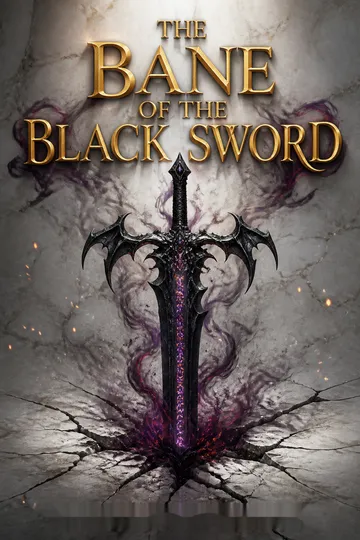
Stormbringer and Mournblade
The black swords, Stormbringer and Mournblade, are more than weapons—they are characters in their own right, with wills and appetites. They grant strength and vitality but demand souls in return. The swords' influence is both seductive and destructive, binding their wielders to a cycle of violence and tragedy. The duel between Elric and Yyrkoon is as much a contest between the swords as between the men, highlighting the theme of agency versus destiny. The swords are the ultimate plot device, embodying the paradox of power as both liberation and enslavement.
Elric Chronological Order Series
About the Author
Other books by Michael Moorcock
Download PDF
Download EPUB
.epub digital book format is ideal for reading ebooks on phones, tablets, and e-readers.








































