
Plot Summary
Ruins and Revelations
Hunter and his best friend Charlie arrive at the Nebraska military base, only to find it destroyed and abandoned. The base, once a stronghold for containing monsters, is now a graveyard, its silence broken only by the evidence of a massacre. The military's absence and the carnage suggest that the monsters once imprisoned have escaped, leaving chaos in their wake. As the two soldiers process the implications, they realize their isolation—no orders, no backup, and no clear path forward. The world they once knew is gone, replaced by the lawless Wastes, where monsters and desperate humans roam. Their bond, forged in years of service, is their only anchor as they set out to survive and seek answers in a landscape that no longer follows any rules.
Sinkhole Salvation
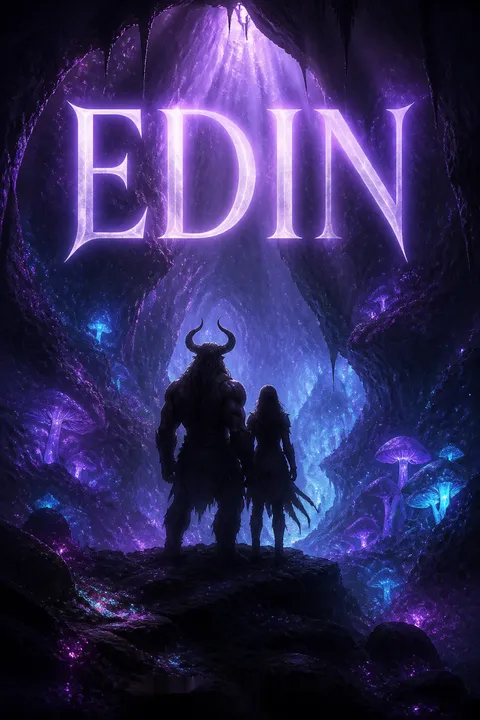
While searching for supplies, Hunter is separated from Charlie and falls into a hidden sinkhole. Dangling between life and death, he is unexpectedly rescued by Edin, a massive, horned, purple-skinned monster. Edin's strength and odd humor are both unsettling and oddly comforting. Despite Hunter's ingrained distrust of monsters, desperation forces him to accept Edin's help. Their uneasy alliance is born out of necessity, as Edin reveals knowledge of the creatures that took Charlie—kolebs, primitive monsters who travel underground. Hunter's single-minded determination to save his friend collides with Edin's enigmatic motives, setting the stage for a partnership that will challenge both their assumptions about each other and the world they inhabit.
Edin's Unlikely Alliance
Hunter's initial suspicion of Edin gives way to reluctant cooperation as Edin insists on helping him track the kolebs. Edin's calm, almost playful demeanor contrasts with Hunter's gruff urgency, but their shared goal—rescuing Charlie—forces them to work together. As they traverse the Wastes, Edin's knowledge of monster behavior and the landscape proves invaluable. Hunter, injured and exhausted, is forced to rely on Edin's strength and resourcefulness. Their banter, laced with irritation and humor, begins to reveal cracks in Hunter's hardened exterior. The journey through abandoned towns and dangerous territory forges a fragile trust, hinting at the possibility of something deeper than mere necessity.
Into the Koleb Tunnels
Edin leads Hunter to a hidden entrance of the koleb tunnels, a labyrinthine network beneath the earth. The tunnels are alive with bioluminescent mushrooms and the unsettling presence of unseen creatures. Hunter's military training is tested by the unfamiliar environment, and his physical limitations—his prosthetic leg and a poisoned wound—become acute liabilities. Edin's patience and care, from supporting Hunter's weight to tending his injuries, begin to erode Hunter's defenses. The claustrophobic journey is punctuated by moments of vulnerability and unexpected intimacy, as Hunter is forced to confront not only the monsters lurking in the dark but also his own fears and prejudices.
Pain, Poison, and Trust
The relentless pursuit through the tunnels takes a toll on Hunter, whose injuries and the effects of monster poison push him to the brink. Edin's insistence on rest and his gentle, almost nurturing attention force Hunter to accept help—a deeply uncomfortable experience for the proud soldier. Their dynamic shifts as Edin's empathy and humor draw out Hunter's softer side. The pain and exhaustion strip away Hunter's defenses, revealing his guilt over Charlie's capture and his fear of failure. Edin's steadfast presence becomes a lifeline, and the seeds of trust and attraction are sown in the crucible of shared hardship.
The Rescue Attempt
Hunter and Edin finally catch up to the kolebs and discover Charlie imprisoned, treated as a prized "sacrifice" for a monster ritual. Their attempt to free him is thwarted by the arrival of powerful behamots—massive, nearly invulnerable monsters allied with the kolebs. Edin's strength is tested in a brutal fight, and Hunter is forced to retreat, wracked with guilt and frustration. The failure cements their partnership, as Edin reassures Hunter and promises they will not give up. The emotional stakes are heightened, and Hunter's reliance on Edin deepens, blurring the lines between ally and something more.
Monster and Man
As they regroup, Hunter and Edin's relationship evolves from reluctant alliance to genuine connection. Edin's playful arrogance and unwavering support begin to break down Hunter's emotional barriers. Their banter becomes flirtatious, and moments of vulnerability give way to physical intimacy. Hunter, long accustomed to control and self-reliance, is surprised by his desire to submit to Edin's care and strength. The Wastes, once a place of danger and isolation, becomes the backdrop for a burgeoning romance that challenges both men to reconsider what it means to trust, to need, and to love in a world where survival is never guaranteed.
Tunnels of Terror
The journey continues through the tunnels, where Hunter and Edin face new monsters and the ever-present threat of discovery. Their bond is tested by external dangers and internal doubts. Encounters with other survivors and monsters reveal the complexity of the Wastes—a place where alliances are fluid and morality is often ambiguous. Edin's past as a military specimen comes to light, deepening Hunter's empathy and complicating his feelings about the military's role in the collapse of civilization. The arrival of Wyn, the enigmatic Soul Eater, and his human partner Danny, introduces new possibilities and dangers, as the group's goals begin to align.
The Prisoner's Dilemma
The search for Charlie leads the group to a monstrous underground fighting ring, where humans and monsters are forced to battle for the entertainment and profit of others. Hunter is compelled to enter as a fighter, risking his life to get close to Charlie and orchestrate an escape. The brutality of the arena and the complicity of both monsters and humans in the exploitation of the vulnerable force Hunter to confront uncomfortable truths about power, agency, and survival. Edin's protective instincts and Hunter's willingness to sacrifice himself for others bring their relationship to a new level of trust and interdependence.
Allies and Enemies
The group's efforts to free Charlie are complicated by the presence of military officers involved in the fighting ring, including a notorious figure from Danny's past. Wyn's quest for vengeance collides with Hunter's mission, resulting in a bloody reckoning that exposes the corruption and cruelty at the heart of both human and monster societies. The lines between ally and enemy blur, as each character is forced to choose between personal loyalty and the greater good. The escape from the fighting ring is hard-won, marked by loss, trauma, and the forging of unbreakable bonds.
The Soul Eater's Bargain
In the aftermath of the escape, the group finds temporary sanctuary. Wyn's presence is both a blessing and a curse, as his power and ruthlessness are matched only by his devotion to Danny. Hunter and Edin's relationship is tested by the demands of survival and the weight of their pasts. The group must navigate shifting allegiances, the threat of pursuit, and the moral ambiguities of life in the Wastes. The cost of freedom becomes clear, as each character is forced to reckon with the consequences of their choices and the reality that safety is always temporary.
The Failed Extraction
Despite their best efforts, the group's initial attempt to free Charlie ends in failure, with Edin gravely injured and Hunter wracked with guilt. The setback forces them to confront the limits of their power and the depth of their commitment to each other. Edin's vulnerability and Hunter's determination to protect him invert their usual dynamic, deepening their emotional connection. The experience cements their partnership, as they vow to try again—no matter the cost. The chapter marks a turning point, as survival becomes not just a matter of strength, but of love and mutual reliance.
Underground Fights
Hunter is forced to fight in the underground arena, risking everything to get close to Charlie and orchestrate their escape. The brutality of the fights and the dehumanizing conditions test his resolve and ingenuity. Edin's support from the sidelines and the group's coordinated efforts culminate in a daring breakout. The experience leaves Hunter physically and emotionally scarred, but also transformed—his loyalty to Edin and his rejection of the military's values are solidified. The escape is both a victory and a loss, as the group is forced to reckon with the trauma they have endured and the uncertain future that awaits them.
Escape and Reckoning
The group's escape from the fighting ring is marked by a final confrontation with their enemies, including a brutal act of vengeance by Wyn against the military officer who tortured Danny. The violence is both cathartic and horrifying, underscoring the moral complexity of their world. As they flee into the Wastes, the group is fractured by loss and the weight of their experiences. Hunter, Edin, and Charlie find temporary sanctuary at a remote homestead, where the possibility of healing and a new life begins to emerge. The chapter closes with the promise of rest, but also the knowledge that true safety is always fleeting.
Homestead Sanctuary
At the homestead, Hunter, Edin, and Charlie find a measure of peace and stability. The routines of daily life—hunting, gardening, repairing the house—offer a respite from the chaos of the Wastes. Hunter and Edin's relationship deepens, moving from passion to genuine partnership. Charlie, though grateful, is restless, torn between the comfort of the homestead and his sense of duty to the military. The trio's dynamic is tested by old loyalties and new desires, as each man is forced to confront what he truly wants from life. The homestead becomes a crucible for transformation, where the past is both a burden and a source of strength.
Choosing to Stay
As the days pass, the question of whether to return to the military or remain in the Wastes becomes unavoidable. Hunter, once defined by duty and survival, realizes that his true home is with Edin. The decision to stay is both an act of love and a rejection of the old world's values. Charlie, unable to abandon his past, chooses to return to the military, parting from Hunter with gratitude and sorrow. Edin and Hunter, now free from the demands of others, begin to build a life together—one defined by mutual care, hard-won trust, and the hope of something better. The story ends not with triumph, but with the quiet, radical act of choosing happiness in a world that offers no guarantees.
Analysis
A story of survival, transformation, and radical loveEdin is a post-apocalyptic romance that uses the collapse of civilization as a backdrop for a deeply personal journey of healing and self-discovery. At its heart, the novel is about the power of chosen family and the courage it takes to reject the roles and loyalties imposed by a broken world. Through Hunter and Edin's relationship, the story explores themes of vulnerability, trust, and the possibility of happiness in the face of loss and uncertainty. The Wastes, with their shifting dangers and moral ambiguities, serve as both a crucible and a sanctuary—a place where old identities are stripped away and new ones can be forged. The novel refuses easy answers, instead embracing the complexity of love, loyalty, and survival. Its ultimate message is one of hope: that even in a world defined by violence and betrayal, it is possible to choose happiness, to build a life worth living, and to find belonging not in institutions or bloodlines, but in the people we choose to love.
Review Summary
Most readers loved Edin, praising the charming titular monster and his grumpy human counterpart, Hunter. Common highlights include strong world-building, satisfying appearances from Wyn and Danny, and Hunter's gradual character growth. Many felt it didn't quite match the first book's emotional depth or chemistry, with some finding the plot slow or Hunter unlikable. The audiobook narration by Michael Lesley received widespread acclaim. Overall, fans of the series found it an enjoyable continuation despite minor shortcomings.
People Also Read



Characters
Hunter
Hunter is a gruff, scarred military veteran whose life has been shaped by loss, survival, and duty. His prosthetic leg and facial scars are outward signs of the trauma he's endured, but his true wounds are internal—guilt over past failures, fear of vulnerability, and a deep-seated need to protect those he loves. Hunter's relationship with Charlie is brotherly, forged in the crucible of war, but it is his unlikely bond with Edin that transforms him. Initially distrustful and rigid, Hunter is forced to confront his own prejudices and limitations as he relies on Edin for survival. Through pain, humor, and growing intimacy, Hunter learns to accept help, to trust, and ultimately to love. His journey is one of self-discovery, as he moves from isolation and duty to connection and chosen family.
Edin
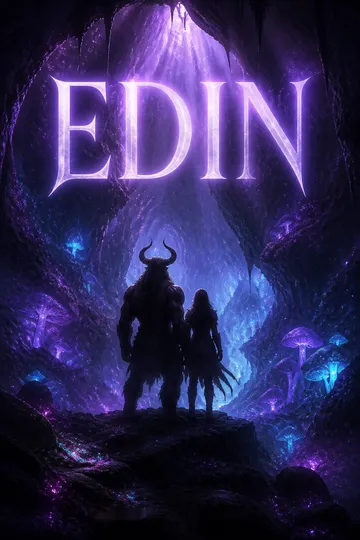
Edin is a massive, horned, lavender-skinned monster—an isdernuc—whose intimidating appearance belies a gentle, nurturing soul. The last of his species, Edin carries the weight of profound loneliness and loss, but masks it with humor, arrogance, and a deep desire to help others. His past as a military specimen and survivor of torture has left him wary but not bitter; instead, he seeks connection and meaning in a world that often rejects him. Edin's relationship with Hunter is transformative for both, as he offers strength, care, and unconditional acceptance. His ability to heal, both physically and emotionally, makes him a source of stability and hope. Edin's journey is one of reclaiming agency and finding belonging—not just as a protector, but as a partner and equal.
Charlie
Charlie is Hunter's steadfast companion, a fellow soldier whose humor and resilience have helped both men survive the horrors of the Wastes. His easygoing nature masks deep wells of anxiety and trauma, particularly after his capture by the kolebs. Charlie's loyalty to Hunter is unwavering, but he struggles to adapt to the new dynamics introduced by Edin and the group's shifting alliances. His eventual decision to return to the military is both a testament to his sense of duty and a poignant acknowledgment of the different paths he and Hunter must take. Charlie's arc is one of survival, adaptation, and the bittersweet acceptance of change.
Wyn (The Soul Eater)
Wyn is a legendary monster, feared and misunderstood by humans and monsters alike. His ability to dissipate into smoke and his role as a destroyer of parasites make him both a threat and a savior. Wyn's relationship with Danny reveals a capacity for deep love and loyalty, contrasting with his ruthless pursuit of vengeance against those who have wronged them. His friendship with Edin is rooted in shared history and mutual respect. Wyn embodies the moral ambiguity of the Wastes—capable of great violence and great tenderness, he is both a monster and a man.
Danny
Danny is a former soldier whose ordeal at the hands of the military has left him scarred but resilient. His relationship with Wyn is a source of healing and strength, offering both men a chance at redemption and happiness. Danny's warmth, humor, and adaptability make him a bridge between the human and monster worlds. His presence in the story highlights the possibility of love and connection across seemingly insurmountable divides. Danny's journey is one of survival, forgiveness, and the creation of a new family.
Cat
Cat is a fellow prisoner in the fighting ring, known for his endurance and skill. His stoic exterior hides a deep longing for connection and freedom. Cat's decision to help Hunter, despite his own suffering, reveals a core of compassion and integrity. His refusal to escape without someone he cares for adds depth to his character, hinting at a backstory of loss and loyalty. Cat represents the resilience of the human spirit in the face of dehumanizing circumstances.
The Fightmaster
The fightmaster is a human woman who runs the underground fighting ring with cold efficiency. Her partnership with a hulking monster is both a business arrangement and a genuine relationship, illustrating the complex interplay of power, survival, and affection in the Wastes. She is neither wholly villainous nor sympathetic, embodying the moral ambiguity of a world where survival often trumps compassion.
Behamots
Behamots are massive, stone-skinned creatures who serve as both protectors and enforcers in the fighting ring. Their presence raises the stakes for Hunter and Edin, as they are nearly impossible to defeat through conventional means. The behamots' alliance with the kolebs and their treatment of Charlie add layers of complexity to the group's mission, forcing the protagonists to adapt and innovate.
Kolebs
Kolebs are small, spiny monsters who capture Charlie and treat him as a valuable sacrifice. Their underground tunnels and tribal rituals create a unique set of challenges for Hunter and Edin. The kolebs' motivations—rooted in survival and tradition—complicate the group's understanding of morality and agency in the Wastes.
Mallory
Lieutenant Mallory is a military officer complicit in the exploitation and torture of both humans and monsters. His presence in the fighting ring and his eventual brutal death at Wyn's hands serve as a reckoning for the abuses of power that have defined the post-apocalyptic world. Mallory's arc is a cautionary tale about the dangers of unchecked authority and the corrosive effects of dehumanization.
Plot Devices
Duality of Monster and Human
The narrative constantly challenges the distinction between monster and human, using Edin and Wyn as embodiments of both threat and salvation. Hunter's journey from fear and prejudice to love and acceptance is mirrored in the shifting alliances and moral ambiguities of the Wastes. The story uses physical and emotional vulnerability—Hunter's injuries, Edin's trauma, Charlie's captivity—to explore the ways in which strength and weakness, care and violence, are not the sole province of any one species. The duality is reinforced through foreshadowing (Hunter's initial distrust of Edin), parallel character arcs (Wyn and Danny, Edin and Hunter), and the inversion of traditional power dynamics (Hunter's submission, Edin's nurturing).
Survival as Transformation
The Wastes are both a literal and metaphorical crucible, forcing characters to confront their limitations and redefine their identities. The underground tunnels, the fighting ring, and the homestead each serve as stages for transformation—Hunter's journey from soldier to partner, Edin's from outcast to beloved, Charlie's from dependent to independent. The narrative structure uses cycles of danger and sanctuary to highlight the ways in which survival is not just about endurance, but about adaptation, connection, and the willingness to change.
Found Family and Chosen Loyalty
The story foregrounds the importance of chosen family—bonds forged in adversity and sustained by mutual care. Hunter and Edin's relationship is the emotional core, but the group's shifting alliances (with Charlie, Danny, Wyn, Cat) illustrate the power of loyalty that transcends species, history, and trauma. The plot uses moments of crisis (failed rescues, betrayals, acts of vengeance) to test and ultimately strengthen these bonds, suggesting that true belonging is found not in institutions or bloodlines, but in the people we choose to stand beside.
Moral Ambiguity and Agency
The Wastes are a world without clear moral boundaries, where survival often requires compromise and complicity. The narrative uses the fighting ring, the military's corruption, and the monsters' rituals to explore the ways in which power is wielded and abused. Characters are forced to make impossible choices, and the consequences are never simple. The story resists easy redemption or condemnation, instead inviting readers to empathize with flawed, complex individuals struggling to do their best in a broken world.
Healing Through Intimacy
The romance between Hunter and Edin is built on moments of care—tending wounds, sharing burdens, offering comfort. Their physical intimacy is both a source of pleasure and a means of healing, allowing each to reclaim agency and trust after trauma. The narrative uses their evolving dynamic to challenge traditional notions of masculinity, strength, and submission, suggesting that true power lies in the willingness to be vulnerable and to accept love.
Monstrous Series

About the Author
Other books by Lily Mayne



Download PDF
Download EPUB
.epub digital book format is ideal for reading ebooks on phones, tablets, and e-readers.








































