
Plot Summary
Lochdubh's New Nurse
In the tranquil Scottish village of Lochdubh, Police Sergeant Hamish Macbeth's routine is disrupted by the arrival of Gloria Dainty, a beautiful and flirtatious private nurse hired to care for the cantankerous Mr. Harrison at the local hunting lodge. Hamish, both charmed and suspicious, finds himself drawn to Gloria, whose presence stirs gossip and intrigue among the villagers. His new constable, Charlie Carter, struggles to fit in, while Hamish's own feelings of loneliness and restlessness are heightened by Gloria's allure. The village's social web tightens as Hamish arranges a dinner date with Gloria, setting in motion a chain of events that will soon shatter Lochdubh's calm.
A Date Missed
Hamish prepares for his much-anticipated dinner with Gloria, only to be stood up. His disappointment is compounded by conflicting stories from Mr. Harrison's household: Gloria is said to have gone for a walk, but her belongings are missing the next day. Rumors swirl that she left without a word, and Hamish's concern grows. The villagers' gossip paints Gloria as a gold-digger and flirt, but Hamish clings to the hope that there's a reasonable explanation. The missed date marks the beginning of a mystery, as Gloria's sudden disappearance leaves Hamish unsettled and the village abuzz with speculation.
The Vanishing of Gloria
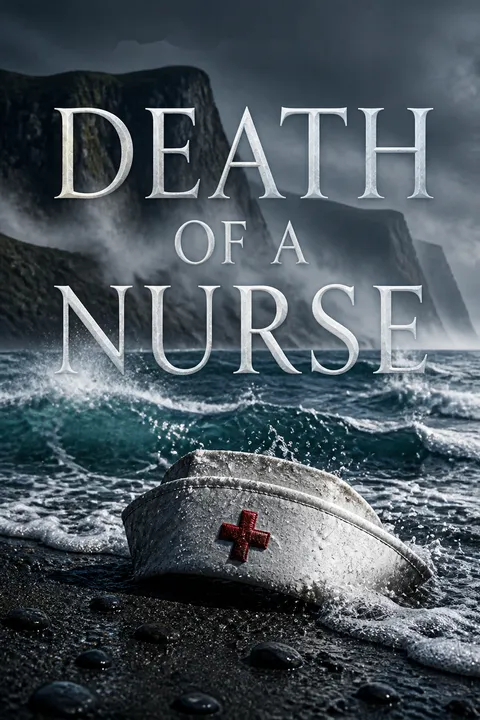
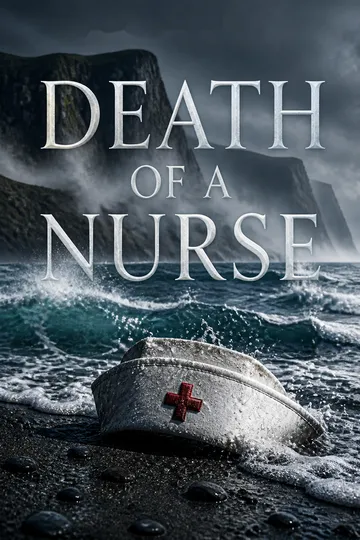
Days pass with no sign of Gloria. Hamish's attempts to trace her movements yield nothing—no taxi called, no sightings, no farewells. The only clue is that someone may have picked her up at the end of the lodge's drive. Meanwhile, a staged burglary in a nearby town distracts Hamish, but a chance discovery by children on the beach—a nurse's cap—draws him back to the heart of the mystery. The cap's appearance, coupled with Gloria's absence, signals that something sinister may have happened, and Hamish's unease deepens as he prepares for the worst.
A Body on the Beach
Hamish and Charlie, following the trail of the nurse's cap, search the rugged coastline and soon find Gloria's body at the foot of the cliffs, her remains battered and swarmed by flies. The evidence suggests she was strangled and thrown from above, not simply a victim of misadventure. The village is rocked by the news, and the investigation escalates, drawing in detectives from Strathbane and Inspector Fiona Herring, a formidable and ambitious officer. The case's complexity grows as the team begins to unravel Gloria's last days and the tangled relationships surrounding her.
Suspects and Secrets
The investigation turns to those closest to Gloria: Mr. Harrison, his Latvian staff Juris and Inga, and the hotel's staff and guests. Each has secrets and possible motives—money, jealousy, or resentment. The villagers' gossip about Gloria's flirtations and ambitions muddies the waters, while the discovery of her luggage and a diamond pendant among children's Halloween costumes adds new layers. The police probe alibis, backgrounds, and the possibility of a lover or accomplice. Meanwhile, Hamish's intuition and local knowledge clash with the official methods of the Strathbane detectives, creating tension and rivalry within the investigation.
The Will and the Wheelchair
Attention shifts to Mr. Harrison's will and his supposed disability. Rumors abound that Gloria hoped to inherit from him, and that others—his son Andrew, daughter-in-law Greta, and staff—stood to lose if she succeeded. Hamish discovers that Harrison, believed to be wheelchair-bound, can in fact walk, exposing a major deception. The will's shifting beneficiaries and Harrison's manipulations of those around him create a volatile atmosphere, with greed and fear driving the suspects' actions. The investigation now must untangle not just who killed Gloria, but who benefits most from her death.
The Second Sight
Seeking new leads, Hamish consults Jessie McGowan, a local woman reputed to have the "second sight." Jessie claims to have seen a black-clad figure—"the devil"—on the cliffs the night Gloria died. Her testimony is ambiguous, blending superstition with possible fact, but it hints at a killer in disguise. The police are forced to consider whether the murderer wore a disguise or if Jessie's visions are mere fantasy. The line between folklore and reality blurs, reflecting the psychological undercurrents of fear and suspicion in the village.
The Poisoned Witness
Jessie McGowan is found dead in a remote cave, apparently poisoned with antifreeze. Her death, coming after she spoke to Hamish, suggests the killer is silencing potential witnesses. The methodical, cruel nature of the poisoning points to someone with medical knowledge and a personal stake in the case. The investigation now has two murders to solve, and the pressure mounts as the police realize the killer is still at large and willing to strike again. The village's sense of safety is shattered, and Hamish feels the weight of responsibility and frustration.
The Web Tightens
As the investigation continues, more secrets emerge: Gloria's connections to a drug-dealing ex-boyfriend, Malky; her manipulation of men for money; and the possibility that she and another nurse, Helen Mackenzie, were rivals. The police chase leads through Strathbane's underworld, uncovering blackmail, drug theft, and a network of lies. Meanwhile, Inspector Herring's personal entanglements with Charlie Carter threaten to derail her career, as a vengeful superior, Blair, seeks to exploit any scandal. The case becomes a web of personal and professional jeopardy, with Hamish struggling to keep focus amid the chaos.
The Nurse's Past
The focus shifts to Helen Mackenzie, Gloria's replacement and a woman with a troubled past. Through interviews and subterfuge, Hamish and Charlie learn of Helen's childhood cruelty and her rivalry with Gloria. Helen's connection to the poisoned witness and her access to drugs make her a prime suspect. Yet, before she can be arrested, Helen vanishes, leaving her belongings behind. Her car is found suspiciously clean, and her body is eventually discovered dumped at a recycling center, strangled with her own scarf. The investigation circles back to the hunting lodge, where the final pieces begin to fall into place.
The Final Confession
Hamish confronts Mr. Harrison, accusing him of murdering Helen in revenge for his son Andrew's death, which Helen had confessed to committing. Harrison, broken by grief and rage, admits to killing Helen after extracting a written confession from her. He describes how he staged her disappearance and disposed of her body. Before he can be formally arrested, Harrison escapes and drowns himself in the river, ending the cycle of violence but leaving the village with more questions than answers. The truth is finally revealed, but at great personal and communal cost.
Justice and Aftermath
With the deaths of Gloria, Jessie, Helen, Andrew, and Harrison, the case is officially closed. The police hierarchy takes credit, while Hamish and Charlie are sidelined, their efforts unrecognized. Inspector Herring is suspended, and Blair's machinations continue. The village returns to its routines, but Hamish is left reflecting on the nature of justice, the dangers of ambition and greed, and the loneliness that persists despite the case's resolution. The loss of his beloved wildcat Sonsie and the departure of friends deepen his melancholy, but a glimmer of hope appears as new relationships and possibilities emerge, hinting at healing and renewal.
Analysis
A meditation on justice, loneliness, and the cost of secretsDeath of a Nurse is more than a whodunit; it is a nuanced exploration of the psychological and social dynamics of a small community under strain. M.C. Beaton uses the familiar setting of Lochdubh to probe the ways in which ambition, desire, and trauma can corrode relationships and drive people to desperate acts. The novel critiques the limitations of official justice, highlighting the importance of empathy, intuition, and local knowledge in uncovering truth. Hamish Macbeth's journey is one of self-discovery as much as detection—his struggles with loneliness, loss, and the search for meaning mirror the village's own quest for closure and healing. The story warns of the dangers of unchecked ambition, the corrosive effects of secrets, and the need for compassion in the face of human frailty. Ultimately, the resolution brings little comfort, suggesting that justice is often imperfect and that healing requires both honesty and forgiveness.
Review Summary
Death of a Nurse receives generally positive reviews, averaging 3.8 out of 5. Fans of the long-running Hamish Macbeth series appreciate its charming Highland setting, humor, and familiar characters, praising the introduction of new constable Charlie Carter. Some readers note the plot is more complex than usual, with more murders than typical entries. Critics mention the mystery can feel disjointed or slow, and a few flag Hamish's treatment of women. Most agree it's an enjoyable, lighthearted cozy mystery, perfect for both longtime fans and newcomers.
Characters
Hamish Macbeth
Hamish is the heart of Lochdubh, a tall, red-haired sergeant whose deep connection to the village and its people gives him unique insight into their secrets. He is gentle, self-effacing, and resistant to ambition, preferring the quiet rhythms of rural life to the politics of police hierarchy. Hamish's relationships—with his pets, his colleagues, and the villagers—reveal a man both compassionate and isolated, haunted by failed romances and a longing for belonging. His investigative style relies on intuition, empathy, and local knowledge, often clashing with official procedures. Throughout the case, Hamish's psychological acuity and moral integrity guide him, even as he grapples with loneliness and the burdens of leadership.
Charlie Carter
Charlie is Hamish's new constable, a physically imposing but emotionally sensitive man who struggles with clumsiness and self-doubt. His Hebridean background and awkwardness make him an outsider in Lochdubh, yet his kindness and loyalty endear him to the villagers and the Halburton-Smythe family. Charlie's innocence and vulnerability are exploited by others, notably Inspector Herring, whose brief affair with him leaves him shaken. Despite his insecurities, Charlie proves resourceful and brave, contributing key insights to the investigation and ultimately finding a sense of belonging in the community.
Gloria Dainty
Gloria is the catalyst for the novel's events—a beautiful, flirtatious nurse whose ambitions and charm mask a calculating nature. She seeks financial security through relationships with wealthy men, particularly Mr. Harrison, and is rumored to manipulate and seduce those around her. Gloria's past includes connections to drug dealers and a willingness to exploit others for personal gain. Her murder exposes the darker undercurrents of desire, jealousy, and greed in the village, and her complex psychology—part victim, part perpetrator—haunts the investigation.
Mr. Harrison
Harrison is a wealthy, irascible old man who uses his supposed disability and shifting promises of inheritance to control those around him. His relationships—with Gloria, his staff, and his family—are marked by suspicion and emotional cruelty. Harrison's ability to walk, hidden from most, symbolizes his duplicity. Driven by grief and rage after his son's murder, he ultimately becomes a vigilante, killing Helen Mackenzie in revenge. His actions blur the line between justice and vengeance, and his suicide underscores the destructive power of unresolved grief.
Helen Mackenzie
Helen is Gloria's replacement as Mr. Harrison's nurse, a woman with a traumatic childhood and a history of cruelty. Her rivalry with Gloria, access to drugs, and calculated demeanor make her both a suspect and a victim. Helen's psychological profile—marked by jealousy, resentment, and a need for control—drives her to murder Gloria and others who threaten her position. Her eventual confession and murder at Harrison's hands complete the cycle of violence, illustrating the corrosive effects of trauma and ambition.
Inspector Fiona Herring
Fiona is a sharp, driven police inspector brought in to lead the investigation. Her professional competence is undermined by personal vulnerabilities, including an ill-fated affair with Charlie and a troubled marriage. Fiona's struggle to balance authority, desire, and reputation reflects the challenges faced by women in male-dominated institutions. Her suspension and marginalization highlight the dangers of ambition and the costs of personal entanglements in the pursuit of justice.
Andrew Harrison
Andrew is Mr. Harrison's son, a London lawyer whose inheritance is jeopardized by Gloria's ambitions. His marriage to Greta is strained, and his attempts to secure power of attorney over his father reveal his own greed and insecurity. Andrew's alibi for Gloria's murder is eventually exposed as false, and his own murder—likely at Helen's hands—demonstrates the lethal consequences of familial rivalry and the toxic legacy of his father's manipulations.
Greta Harrison
Greta is Andrew's wife, a physically strong and emotionally distant woman whose motives remain ambiguous. Her possible involvement in the murders is considered, but she ultimately serves as a foil to the other characters, embodying the theme of hidden strength and the dangers of suppressed resentment.
Juris and Inga Janson
The Latvian couple who work for Mr. Harrison are both suspects and red herrings. Their foreignness makes them targets of suspicion, but their loyalty and honesty ultimately exonerate them. Juris's role in cleaning Helen's car and his fear of police prejudice highlight issues of xenophobia and the vulnerability of outsiders in closed communities.
Colonel Halburton-Smythe
The colonel is a local landowner and hotelier whose desire to play detective both aids and complicates the investigation. His snobbery, insecurity, and longing for control mirror the broader themes of status and power in the village. Despite his flaws, the colonel's affection for Charlie and his family's entanglements with Hamish add warmth and humor to the narrative.
Plot Devices
Small-Town Setting and Social Web
The insular, gossip-driven world of Lochdubh is both a haven and a crucible, where everyone knows—or thinks they know—everyone else's business. This setting amplifies the psychological tension, as secrets are hard to keep and reputations are easily tarnished. The village's social web provides both clues and obstacles, with alliances, rivalries, and prejudices shaping the investigation and the characters' actions.
Red Herrings and Misdirection
The narrative is rich with red herrings: staged burglaries, false alibis, and misleading testimonies. Suspects abound, each with plausible motives and hidden agendas. The use of misdirection keeps both the characters and the reader guessing, reflecting the uncertainty and ambiguity inherent in real-life investigations.
Psychological Motives and Trauma
The novel delves into the psychological roots of crime—jealousy, greed, trauma, and the longing for love or power. Characters like Helen and Harrison are shaped by past wounds, and their actions are as much about emotional survival as material gain. The interplay of psychological motives and external events creates a layered, realistic portrait of crime and its consequences.
Foreshadowing and Symbolism
The narrative employs foreshadowing through village gossip, Jessie's "second sight," and the recurring motif of the wildcat Sonsie. These elements symbolize the untamed, unpredictable forces at work beneath the village's surface. The loss of Sonsie parallels Hamish's own sense of displacement and the theme of belonging.
Narrative Structure and Shifting Perspectives
The story unfolds through a blend of Hamish's perspective, official police procedures, and the inner lives of suspects and witnesses. This structure allows for both intimacy and distance, drawing the reader into the emotional core of the mystery while maintaining suspense and objectivity.
Hamish Macbeth Series



About the Author
Other books by M.C. Beaton
Download PDF
Download EPUB
.epub digital book format is ideal for reading ebooks on phones, tablets, and e-readers.








































