
Plot Summary
Winter's End, Dreamer's Arrival
As the brutal Scottish winter finally loosens its grip, the village of Lochdubh stirs back to life. Constable Hamish Macbeth, content with the peace, is surprised to find Effie Garrard, a newcomer and self-proclaimed artist, still living in her remote cottage. Effie, sturdy and middle-aged, is a romantic fantasist, enchanted by the Highlands and determined to make her mark with her art. Hamish, initially skeptical, revises his opinion after seeing her delicate pottery and paintings. Yet, beneath Effie's cheerful exterior, there's a sense of isolation and longing. The village, wary of outsiders, watches her with a mix of curiosity and suspicion, setting the stage for the drama to come.
Artists and Obsessions
Jock Fleming, a rugged, affable landscape painter, arrives in Lochdubh, quickly charming the local women and stirring up the village's quiet routines. Effie, already prone to fantasy, becomes obsessed with Jock, convinced he is her soulmate. Jock, meanwhile, enjoys the attention but remains emotionally distant, more interested in his art than in romantic entanglements. Hamish observes the growing tension, noting Effie's increasing fixation and the subtle rivalries among the women. The village's insular nature amplifies every interaction, and the seeds of jealousy and misunderstanding are sown, with Effie's dreams taking on a dangerous intensity.
Ceilidh Shadows and Rivalries
At the church ceilidh, the community gathers for music, dance, and gossip. Effie, dressed to impress, attempts to claim Jock's attention, but her efforts are met with awkwardness and pity. Priscilla Halburton-Smythe, the hotel owner's daughter and Hamish's former fiancée, returns to the village, reigniting old feelings and rivalries. The ceilidh becomes a stage for subtle power plays: Effie's clumsy attempts at seduction, Priscilla's cool detachment, and Hamish's simmering jealousy. Underneath the laughter and music, resentments and obsessions fester, and the village's collective gaze sharpens on the outsiders in their midst.
Fantasies, Lies, and Proposals
Effie's obsession with Jock intensifies, leading her to fabricate an engagement and even a pregnancy. She flaunts a second-hand ring, claiming Jock proposed before leaving for Glasgow. The village, both scandalized and sympathetic, becomes a cauldron of gossip. Hamish, alarmed by Effie's deteriorating grip on reality, investigates, finding her art studio neglected and her stories increasingly implausible. Jock's agent, Betty Barnard, arrives, further complicating matters. Effie's lies, once harmless, now threaten to unravel her fragile place in the community, and the boundaries between fantasy and reality blur with dangerous consequences.
The Vanishing Dreamer
Effie vanishes from her cottage, leaving behind her belongings and a sense of unease. Hamish organizes a search party, enlisting villagers and the Mountain Rescue Patrol. The search, hampered by rain and rough terrain, becomes a communal ordeal, exposing the village's anxieties and latent guilt. Priscilla and Hamish, searching together, reflect on lost love and the cost of dreams. When Effie's body is finally discovered high on the mountain, her ring finger severed, the village's collective conscience is shaken. What seemed a simple case of heartbreak now hints at something far darker.
Death on the Mountain
Effie's death is initially ruled a suicide: a typewritten note, a bottle of poisoned wine, and the severed finger suggest despair and self-harm. Yet Hamish is unconvinced. The forensic evidence—antifreeze in the wine, the missing engagement ring, and the absence of a knife—raises questions. The villagers, eager to move on, accept the official verdict, but Hamish's instincts tell him there's more beneath the surface. The investigation exposes the village's secrets, Effie's history of mental illness, and the manipulations of those around her. The line between victim and perpetrator blurs, and the true nature of Effie's demise remains elusive.
Poison, Rumors, and Regrets
As Hamish digs deeper, the focus shifts to Jock, his ex-wife Dora, and Betty Barnard. Dora's past as a prostitute and Jock's history of violence and gambling come to light, muddying the waters. Betty, outwardly supportive, is revealed to have a complex relationship with Jock, marked by unrequited love and professional ambition. The discovery of Effie's sister Caro's involvement—her art passed off as Effie's—adds another layer of betrayal. The village, once united in suspicion of outsiders, now turns on itself, and Hamish finds himself questioning everyone's motives, including his own.
The American's Secret Notebook
Hal Addenfest, an abrasive American tourist, is found dead by the loch, his skull smashed and his notebook missing. Hal's habit of recording village gossip makes him both a nuisance and a threat. His murder, staged to look like an accident, is soon linked to Effie's death. The missing notebook becomes the key: did Hal witness something incriminating? As Hamish and the police probe deeper, they uncover a web of secrets—affairs, blackmail, and old grudges. The village's veneer of civility cracks, and the true cost of its insularity is laid bare.
Tangled Motives, Tangled Lives
The investigation spirals as Hamish uncovers tangled relationships: Jock's affairs, Betty's obsession, Dora's desperation, and Caro's resentment. Each has motive and opportunity, and each is ensnared by their own dreams and disappointments. The discovery of planted drugs, staged alibis, and a staged "postman" deepens the mystery. Hamish, battered by personal and professional setbacks, persists, driven by a sense of justice and empathy for the lost and lonely. The village, once a haven, is now a labyrinth of suspicion, and the truth seems further away than ever.
The Heron's Shadow
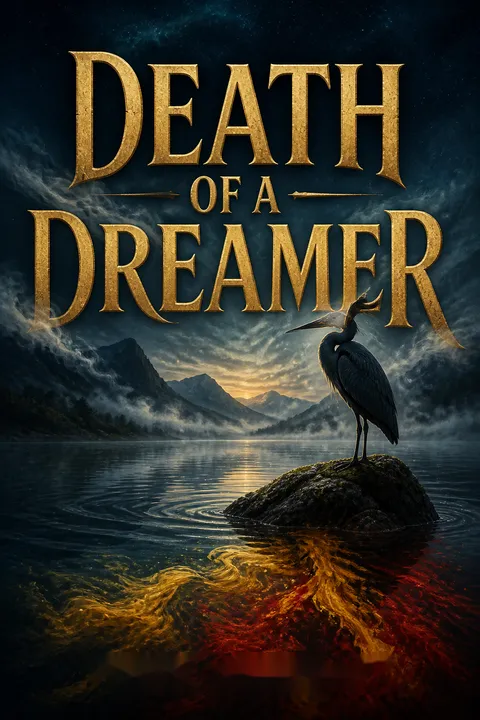
A chance observation—a heron by the loch—triggers Hamish's breakthrough. He recalls Betty's skill as a diver and her predatory patience. Investigating the hotel's storage room, he discovers hidden diving gear and Hal's missing notebook. The pieces fall into place: Betty, driven by love and jealousy, murdered both Effie and Hal, using her diving skills to approach unseen. Her outward warmth masked a capacity for cold calculation. As the police close in, Betty flees, her carefully constructed life unraveling. The village, and Hamish, are left to reckon with the consequences of misjudged character and overlooked danger.
Truths Unveiled, Hearts Broken
Betty is captured after a dramatic confrontation, her crimes laid bare. In custody, she confesses: her love for Jock, her jealousy of Effie, her calculated murders. Jock, confronted with the truth, coldly rejects her, shattering her last illusions. Betty, abandoned and broken, takes her own life in prison, leaving behind a final note of blame. The village, reeling from the revelations, turns inward, seeking solace in routine and tradition. Hamish, haunted by his own failures and the pain of those around him, finds little comfort in justice served. The cost of dreams—pursued, betrayed, or destroyed—lingers in every corner of Lochdubh.
The End of Dreams
As the village returns to its rhythms, Hamish contemplates the wreckage left by dreams: Effie's fatal fantasies, Betty's obsessive love, Jock's careless charm, and his own longing for connection. Priscilla's return offers a glimmer of hope, but old wounds and new uncertainties remain. The village, forever changed, clings to its stories and its silences. In the end, the heron returns to the loch, a silent witness to the tragedies and hopes of Lochdubh. The phone in Effie's abandoned cottage rings unanswered—a final echo of a dreamer's voice, lost to the wind.
Analysis
"Death of a Dreamer" is a masterful exploration of the dangers and necessities of dreams in a world defined by limits—geographical, social, and psychological. M.C. Beaton uses the familiar trappings of the cozy village mystery to probe deeper questions: What happens when fantasy collides with reality? How do love, ambition, and loneliness drive us to both create and destroy? The novel's strength lies in its nuanced characterizations and its refusal to offer easy answers. Effie's tragic arc is both a cautionary tale and a plea for compassion; Betty's descent into violence is a chilling reminder of how love can curdle into obsession. Hamish, as always, stands at the center—a flawed, empathetic observer, struggling to balance justice with mercy. The village of Lochdubh, with its gossip, secrets, and rituals, is both haven and prison, a microcosm of the human condition. In the end, the story suggests that dreams are both our salvation and our undoing, and that the line between fantasy and reality is as thin—and as dangerous—as the mist over the loch.
Review Summary
Death of a Dreamer is the 21st or 22nd book in M.C. Beaton's Hamish Macbeth mystery series, set in the Scottish Highlands village of Lochdubh. The story follows constable Hamish Macbeth investigating the apparent suicide of Effie Garrard, a delusional artist who believed she was engaged to fellow artist Jock Fleming. Reviewers praise the series' charm, quirky characters, and humor, though many find Hamish's ongoing romantic entanglements with Priscilla, Elspeth, and others tiresome. Some readers guessed the culprit early, while others were surprised. Overall, fans appreciate these cozy mysteries as light, entertaining reads.
Characters
Hamish Macbeth
Hamish is the heart of Lochdubh: a tall, red-haired, quietly observant policeman who prefers peace to promotion. His empathy and intuition make him both beloved and underestimated. Hamish's relationships—with his animals, the villagers, and especially women—reveal a man both lonely and content, yearning for love yet wary of its complications. His investigative style is rooted in patience and understanding, seeing through facades to the pain beneath. Throughout the story, Hamish is tested by the darkness that seeps into his village, forced to confront his own limitations and the cost of compassion. His journey is one of quiet heroism, marked by regret, resilience, and a stubborn hope for redemption.
Effie Garrard
Effie is a middle-aged woman driven by longing—for love, for recognition, for belonging. Her artistic talent is genuine, but her sense of self is fragile, built on dreams and delusions. Effie's obsession with Jock Fleming becomes the axis of her life, leading her to fabricate an engagement and even a pregnancy. Her lies, born of desperation, isolate her further, making her both pitiable and exasperating. Effie's death is the story's catalyst, her fate a warning about the dangers of unchecked fantasy and the cruelty of communal indifference. In death, she becomes a symbol of all the village's unspoken fears and failures.
Jock Fleming
Jock is a powerful, affable painter whose arrival disrupts the village's equilibrium. His easy charm and rugged good looks attract admiration and envy, especially among the women. Jock's relationships are marked by carelessness and self-interest: he enjoys attention but avoids commitment, leaving a trail of broken hearts and resentments. His past—marked by violence, gambling, and failed marriage—catches up with him in Lochdubh, making him both suspect and victim. Jock's inability to take responsibility for the chaos he causes is central to the story's tragedy, and his ultimate fate is a testament to the destructive power of charm without conscience.
Betty Barnard
Betty is Jock's agent, a woman of intelligence, energy, and hidden depths. Outwardly friendly and supportive, she harbors an obsessive love for Jock, fueling her jealousy and eventual violence. Betty's skills as a diver and her calculated patience make her a formidable adversary, able to move unseen and strike with precision. Her crimes are born of passion and possessiveness, her confession a portrait of love turned to madness. Betty's downfall is both shocking and inevitable, a reminder that the most dangerous threats often come from those we trust. Her suicide is the final act of a woman undone by her own dreams.
Priscilla Halburton-Smythe
Priscilla is the cool, beautiful daughter of the local hotel owners and Hamish's former love. Her return to Lochdubh stirs old feelings and rivalries, complicating Hamish's emotional landscape. Priscilla's reserve masks a deep vulnerability, her choices shaped by fear of intimacy and the expectations of her class. She is both a symbol of what Hamish has lost and a possible path to healing. Priscilla's interactions with Jock, Betty, and Hamish reveal the complexities of desire, pride, and regret. Her eventual decision to return to the Highlands hints at the possibility of renewal, even as old wounds linger.
Dora Fleming
Dora is a woman hardened by life: once a prostitute, now a mother and Jock's ex-wife. Her relationship with Jock is fraught with violence, betrayal, and lingering dependence. Dora's presence in Lochdubh is both a threat and a plea for recognition, her actions driven by a mix of resentment and longing. She is a survivor, willing to manipulate and fight for her place, yet ultimately powerless against the forces swirling around her. Dora's entanglement in the murders is both a red herring and a commentary on the ways women are used and discarded.
Caro Garrard
Caro is the true artist behind much of Effie's work, a woman of quiet strength and deep wounds. Her relationship with Effie is marked by guilt, frustration, and a desperate desire to protect her troubled sister. Caro's own history—of abuse, mental illness, and betrayal—mirrors Effie's, yet she manages to maintain a fragile stability. Her brief affair with Jock and her complicity in Effie's deceptions add layers of complexity to her character. Caro's journey is one of reluctant involvement, forced to confront the limits of love and the cost of secrets.
Hal Addenfest
Hal is an American tourist whose abrasive manner and compulsive note-taking make him both a nuisance and a threat. His outsider status allows him to see what the villagers overlook, but it also marks him for exclusion and, ultimately, murder. Hal's death is a turning point, exposing the village's vulnerabilities and the dangers of unchecked curiosity. His missing notebook becomes the story's MacGuffin, the key to unraveling the mystery. Hal's fate is a reminder of the perils of standing apart in a world that values conformity.
Angela Brodie
Angela is a stabilizing presence in Lochdubh, offering wisdom, humor, and support to Hamish and others. Her kitchen is a hub of gossip and comfort, her insights often guiding Hamish's investigations. Angela's own struggles—with writing, with village expectations—mirror the larger themes of ambition and disappointment. She represents the best of the village: compassionate, practical, and quietly resilient.
Detective Jimmy Anderson
Jimmy is a Strathbane detective, often overshadowed by his superiors but quietly effective. His partnership with Hamish is marked by mutual respect and occasional frustration. Jimmy's personal flaws—drinking, weariness—make him relatable, and his willingness to share credit and listen to Hamish's instincts is crucial to solving the case. He embodies the challenges of policing in a world where truth is elusive and justice imperfect.
Plot Devices
Small-Town Insularity and Gossip
The narrative thrives on the claustrophobic intimacy of Lochdubh, where everyone knows—or thinks they know—everyone else's business. Gossip is both weapon and shield, shaping perceptions and driving the plot. The villagers' reluctance to involve Hamish in their secrets, their tendency to close ranks against outsiders, and their quickness to judge all serve to obscure the truth and protect the guilty. This insularity is both a source of humor and a critique of parochialism, highlighting the dangers of collective denial and the power of communal narratives.
Unreliable Narrators and Red Herrings
The story is structured around a series of misdirections: Effie's lies, Jock's evasions, Dora's manipulations, and Betty's duplicity. Each character is both suspect and victim, their motives tangled and their stories incomplete. The use of red herrings—planted drugs, staged alibis, the missing notebook—keeps both Hamish and the reader guessing. The narrative's refusal to settle on easy answers mirrors the complexity of real human relationships and the difficulty of discerning truth in a world of competing dreams.
Symbolism and Foreshadowing
Nature is both backdrop and symbol: the heron by the loch, patient and predatory, foreshadows Betty's role as the hidden killer. The mountain, site of Effie's death, represents both aspiration and isolation. The loch, with its depths and secrets, is a metaphor for the village's collective unconscious. These symbols are woven throughout the narrative, providing both atmosphere and thematic resonance.
Psychological Realism and Character Study
The story's power lies in its deep psychological insight: Effie's delusions, Betty's obsession, Jock's amorality, Hamish's loneliness. The murders are not just crimes but the inevitable outcome of dreams deferred, love betrayed, and needs unmet. The narrative structure—shifting between perspectives, revealing backstories, and exploring motivations—creates a rich tapestry of human frailty and longing.
Subversion of Genre Expectations
While the setting and tone evoke the cozy village mystery, the story subverts expectations by delving into madness, obsession, and the limits of community. The resolution is not a neat restoration of order but a meditation on the cost of dreams and the impossibility of perfect justice. The use of humor, irony, and pathos elevates the narrative, making it both entertaining and unsettling.
Hamish Macbeth Series
About the Author
Other books by M.C. Beaton
Download PDF
Download EPUB
.epub digital book format is ideal for reading ebooks on phones, tablets, and e-readers.








































