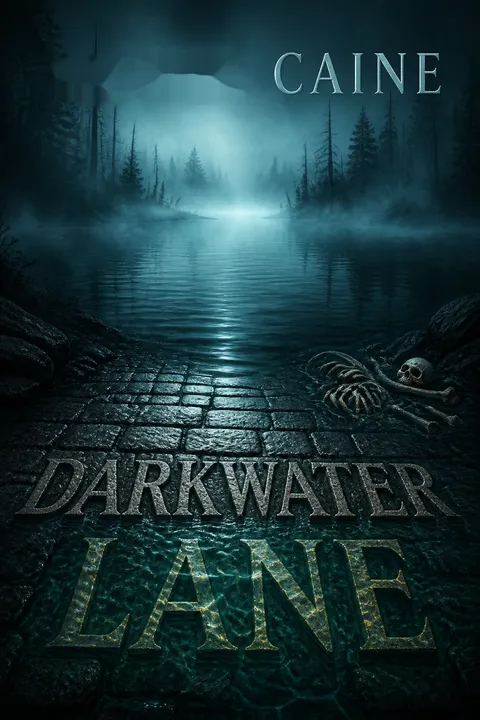

Plot Summary
Prologue: Predator in the Dark
The story opens with a chilling prologue from the perspective of a practiced, lethal avenger. This mysterious figure targets a man who has been tormenting women online, breaking into his home with calculated ease. The predator's motivation is vengeance for Gina Royal—now Gwen Proctor—who has been hunted and vilified for years due to her connection to her serial killer ex-husband, Melvin Royal. The prologue sets the tone: no one is truly safe, and the lines between predator and protector are blurred. The reader is thrust into a world where justice is personal, and the past's shadows reach into the present, promising a tale of relentless pursuit, trauma, and the desperate fight for safety.
Shattered Identities, New Names
Three months after the prologue, Gwen Proctor reflects on her journey from Gina Royal, a naive housewife, to a hardened survivor. Her life is defined by constant vigilance, gun training, and the need to protect her children, Lanny and Connor, from the fallout of Melvin's crimes. The family's fragile peace is shattered by a new true crime podcast, "The Royal Murders," which dredges up old accusations and paints Gwen as complicit. The podcast's popularity reignites public hatred, forcing Gwen and her partner Sam Cade—himself a survivor of Melvin's violence—to confront the reality that their past will never truly let them go. The emotional toll is palpable, as Gwen's resolve hardens: she will never be helpless again.
The Podcast That Haunts
The podcast's release devastates the family, especially as it features interviews with victims' relatives who blame Gwen for Melvin's murders. Lanny and Connor are thrust back into the spotlight, facing harassment at school and online. Sam, whose own sister was a victim, is forced to relive his trauma. The family debates legal action, but the cost and futility are overwhelming. Gwen's internal struggle intensifies—she wants to shield her children but also empower them to live freely. The podcast becomes a symbol of society's obsession with true crime and the ease with which narratives are twisted, leaving the family isolated and under siege once more.
Family Under Siege
As the podcast's reach grows, so do the threats against Gwen's family. Online harassment turns to doxxing, and AI-generated images of violence against her children circulate. Gwen resumes her "Sicko Patrol," tracking and reporting the most dangerous trolls, but the sense of control is illusory. The FBI arrives with news: one of Gwen's most persistent harassers has been murdered, a piece of Melvin's bone shoved down his throat. The implication is clear—someone is targeting Gwen's enemies, and suspicion falls on her and Sam. The family's unity is tested as secrets surface, and Gwen's compulsion to protect clashes with her children's need for autonomy.
The Lost Angels' Crusade
The Lost Angels, a support group for Melvin's victims' families, morphs into a vengeful organization led by Rowan Applegate. Rowan, whose sister was Melvin's last victim, is convinced of Gwen's guilt and uses the podcast to fuel public outrage. Sam's past involvement with the Lost Angels complicates matters, as he is accused of murdering their leader, Leo Varrus, whose disappearance is shrouded in blood and suspicion. Rowan's technical prowess as a hacker enables her to manipulate evidence and surveillance, tightening the noose around Gwen and Sam. The family is caught in a web of grief, blame, and escalating danger, with no clear path to redemption.
Secrets, Lies, and Surveillance
Gwen's need for control leads her to secretly monitor her children and resume old habits of surveillance. She discovers Lanny's hidden college acceptance letters and secret social media accounts, realizing how much she doesn't know about her own daughter. The generational trauma is evident—her children are forced to grow up too fast, learning to navigate a world that sees them as extensions of their father's evil. Meanwhile, Sam's alibis for the Sicko Patrol murders are suspiciously weak, and Gwen is forced to confront the possibility that someone close to her may be hiding deadly secrets. The family's foundation is shaken as trust erodes and the threat grows ever closer.
The Sicko Patrol Murders
Gwen uncovers a disturbing pattern: several of her most vicious online harassers have died under mysterious circumstances, each with a piece of Melvin's remains left at the scene. The FBI and local police begin to suspect Gwen and Sam, given their proximity to the victims and the personal nature of the crimes. The narrative tightens as Gwen realizes she is the common link, and the killer's message is both personal and public. The line between victim and suspect blurs, and Gwen is forced to question her own capacity for violence, as well as the true nature of justice in a world that refuses to let her escape her past.
Rowan's Vengeance Unleashed
Rowan Applegate steps into the spotlight, using her position as head of the Lost Angels and co-host of the podcast to wage psychological warfare against Gwen. Rowan's grief has curdled into obsession, and her technical skills allow her to manipulate evidence, surveillance, and public opinion. She becomes both hunter and hunted, as Gwen suspects her of orchestrating the murders and setting Sam up as the fall guy. The confrontation between Gwen and Rowan is fraught with mutual hatred and twisted empathy—both are mothers, both have lost family to Melvin, and both are willing to do whatever it takes to protect their own. The stakes escalate as Rowan's vendetta threatens to destroy everything Gwen has fought to rebuild.
The Trap Tightens
The murder of Leo Varrus in Gwen's home, with Sam's fingerprints all over the crime scene and a damning text message, leads to Sam's arrest. The evidence is overwhelming: surveillance footage is missing, the alarm system was disabled using Sam's code, and his phone pings place him at the scene. Gwen is left to pick up the pieces, facing public vilification and the threat of losing her children. The family is forced to flee back to Stillhouse Lake, the site of their original trauma, as they are hounded by both law enforcement and the vengeful Belldene clan. The sense of safety is shattered, and Gwen must rely on her wits and dwindling allies to survive.
Blood and Bones
As more bodies surface—each marked by Melvin's bones—the investigation spirals. Gwen's attempts to clear Sam's name are stymied by Rowan's machinations and the relentless media circus. The family is swatted by local enemies, leading to a violent police raid that nearly ends in tragedy. Gwen's trust in Sam is tested as evidence mounts, and she is forced to confront the possibility that he may be capable of murder. The psychological toll is immense, as Gwen grapples with guilt, fear, and the realization that she may never truly escape Melvin's shadow. The narrative becomes a race against time to uncover the truth before the family is destroyed.
Sam Accused, Gwen Cornered
With Sam facing charges of murder, kidnapping, and attempted murder, and Gwen herself under suspicion, the family's future hangs by a thread. The legal system is portrayed as both adversary and potential savior, with the threat of wrongful conviction looming large. Gwen's new attorney warns her that innocence is no guarantee of freedom, and the only hope lies in finding irrefutable evidence of the real killer. The emotional core of the story is laid bare—Gwen's love for Sam, her guilt over past blindness, and her determination to protect her children at all costs. The family's unity is both their greatest strength and their Achilles' heel.
The Return to Stillhouse Lake
Forced to return to Stillhouse Lake, the family confronts old ghosts and new dangers. The Belldenes, local power brokers with a vendetta, escalate their campaign of harassment, culminating in violence and threats. Gwen's children, now older and more independent, challenge her need for control, demanding the right to live their own lives. The generational trauma is palpable, as Gwen struggles to balance protection with empowerment. The lake itself becomes a symbol of both sanctuary and menace—a place where secrets are buried and the past refuses to stay submerged. The family's resilience is tested as they fight for a future free from fear.
Swatted and Hunted
A swatting incident orchestrated by the Belldenes brings armed police crashing into the family's home, nearly resulting in tragedy. The event exposes the fragility of their safety and the depth of local animosity. Gwen's relationship with her children is strained as they demand more autonomy, and she is forced to confront her own limitations as a parent. The family's allies—Kez, Javi, and others—rally to their side, but the sense of isolation is overwhelming. The narrative explores the psychological impact of constant threat, the corrosive effects of suspicion, and the desperate need for connection in a world that seems determined to tear them apart.
The Enemy Next Door
Madison Westcott, the podcast producer, moves in next door under the guise of helping Gwen tell her story. Her earnestness and vulnerability mask a deep obsession with Gwen, rooted in her own trauma and loneliness. As Gwen lets her guard down, Madison's true intentions become clear—she is the architect of the Sicko Patrol murders, driven by a twisted desire to prove herself worthy of Gwen's attention. The revelation is both shocking and inevitable, as the narrative explores the dangers of misplaced empathy and the seductive power of narrative control. The line between victim and villain blurs, and Gwen is forced to confront the consequences of her own story.
Madison's Obsession Revealed
Madison's obsession with Gwen reaches its climax as she confesses to the murders, revealing that she orchestrated the entire campaign to impress and win Gwen's approval. The confrontation is both psychological and physical, as Madison's madness is laid bare. Gwen is forced to grapple with the realization that her own trauma and notoriety have inspired violence in others. The narrative delves into the complexities of survivor's guilt, the burden of unwanted influence, and the impossibility of controlling how others interpret your story. The final confrontation is a battle for both survival and self-definition.
The Lake's Dark Secrets
The climax unfolds on Stillhouse Lake, as Gwen races to stop Sam and Madison from destroying each other. In a harrowing sequence, Madison attempts suicide by drowning, forcing Gwen to choose between vengeance and mercy. Gwen's decision to save Madison, despite everything, is a testament to her refusal to become the monster others believe her to be. The lake, once a site of trauma, becomes a place of reckoning and release. The narrative's emotional arc peaks as Gwen confronts her own capacity for violence, her need for justice, and her ultimate desire for peace.
The Final Confrontation
In the aftermath, Gwen and Sam face legal peril, but the discovery of Madison's journals and evidence exonerates them. The family is finally freed from the shadow of Melvin Royal, and the narrative shifts to healing and rebuilding. Gwen's children pursue their own dreams, Sam transforms the Lost Angels into a force for good, and Gwen herself finds purpose in advocacy and storytelling. The story ends with a sense of hard-won hope—a recognition that trauma can be survived, that love endures, and that the future, though uncertain, is theirs to claim.
Analysis
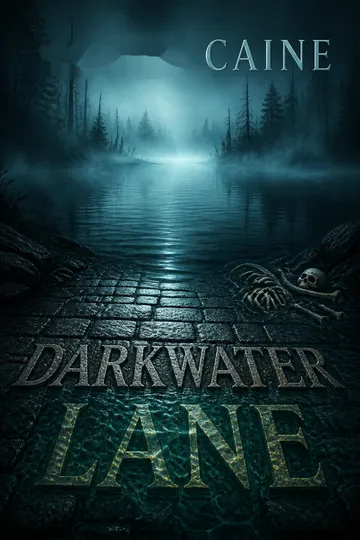
Darkwater Lane is a masterful exploration of trauma, survival, and the relentless pursuit of justice in a world that refuses to let the past die. At its core, the novel is about the struggle to reclaim agency and identity in the aftermath of violence—how victims are forced to become warriors, and how the line between protector and predator can blur. The story interrogates the ethics of storytelling, the dangers of public narrative, and the corrosive effects of suspicion and blame. Through Gwen's journey, the novel asks whether it is possible to break free from the cycles of violence and fear, and what it means to truly heal. The generational impact of trauma is laid bare, as Gwen's children fight to define themselves beyond their father's crimes. The ultimate lesson is one of hard-won hope: that survival is not enough, that love and connection are possible even in the darkest of circumstances, and that the future belongs to those who refuse to be defined by their scars. Darkwater Lane is both a gripping thriller and a profound meditation on the power of resilience, forgiveness, and the courage to write one's own story.
Review Summary
Darkwater Lane receives an overall 4.37/5 rating, with most readers praising it as a satisfying conclusion to the Stillhouse Lake series. Many fans expressed emotional attachment to Gwen and her family, applauding Carrie Ryan for honoring Rachel Caine's vision after her passing. Positive reviews highlight strong character development, suspense, and a well-deserved happy ending. Critical reviews note repetitiveness, a slow first half, an obvious villain, and an abrupt conclusion, with some feeling the finale was the weakest installment. Despite mixed opinions, most agree the series as a whole is highly recommended.
People Also Read


Characters
Gwen Proctor (Gina Royal)
Gwen is the emotional and narrative core of the story—a woman forged in the crucible of trauma, transformed from a naive housewife into a fierce protector. Her journey is one of relentless vigilance, as she battles not only external threats but also the internalized guilt and shame of her past. Gwen's relationship with her children is fraught with love, fear, and the struggle to balance protection with empowerment. Her partnership with Sam is both a source of strength and vulnerability, as trust is tested by secrets and suspicion. Gwen's psychological complexity is profound—she is both victim and fighter, haunted by the past but determined to claim a future. Her arc is one of self-forgiveness, the reclamation of agency, and the refusal to be defined by the violence done to her.
Sam Cade
Sam is Gwen's anchor and equal, a man marked by loss and rage but striving for redemption. His past as a soldier and as a member of the Lost Angels shapes his worldview—he is both protector and potential avenger. Sam's grief over his sister's murder by Melvin is a wound that never fully heals, and his initial quest for vengeance nearly destroys him. His relationship with Gwen is built on mutual understanding and shared trauma, but is threatened by secrets and the suspicion that he may be capable of violence. Sam's arc is one of learning to trust, to let go of the need for control, and to find purpose beyond survival. His willingness to sacrifice for his family is both his greatest strength and his deepest vulnerability.
Lanny Proctor
Lanny is Gwen's teenage daughter, caught between the desire for independence and the weight of her family's legacy. Smart, resourceful, and fiercely loyal, Lanny chafes under Gwen's protective instincts, yearning for a normal life. Her secret college applications and hidden social media accounts are acts of rebellion and self-assertion. Lanny's relationship with her brother Connor is a source of strength, as they navigate the dangers of notoriety together. Her arc is one of coming of age in the shadow of trauma, learning to claim her own identity, and ultimately forgiving her mother for the sins of protection.
Connor Proctor
Connor is Gwen's younger child, deeply affected by the trauma of his father's crimes and the subsequent violence that follows the family. Introspective and intelligent, Connor struggles with fears of inheriting Melvin's darkness, and his foray into online forums about his father is both a search for understanding and a cry for connection. His journey is one of healing, learning to trust himself and others, and finding purpose beyond the narrative imposed on him. Connor's relationship with Lanny and Sam is central to his recovery, and his eventual role in producing the family's podcast is a testament to his resilience and creativity.
Rowan Applegate
Rowan is the head of the Lost Angels and the story's most formidable antagonist. Driven by the loss of her sister to Melvin, Rowan's grief has metastasized into obsession and hatred for Gwen. Her technical skills as a hacker make her a dangerous foe, capable of manipulating evidence and public opinion. Rowan's arc is a cautionary tale of how trauma, when left unhealed, can curdle into vengeance and self-destruction. Her confrontation with Gwen is both a battle of wills and a tragic mirror—two mothers, both victims, both willing to do anything for their families.
Madison Westcott
Madison is the podcast producer whose apparent earnestness masks a deep and dangerous obsession with Gwen. Traumatized by her own past, Madison projects her longing for connection onto Gwen, ultimately orchestrating the Sicko Patrol murders to prove her worth. Her psychological unraveling is both chilling and pitiable—a portrait of how the desire for recognition and belonging can be twisted into violence. Madison's arc is a dark reflection of Gwen's own journey, and her final confrontation with Gwen is both a reckoning and a release.
Leo Varrus
Leo is the former head of the Lost Angels, whose disappearance and murder set off the central mystery. Once an ally to Sam, Leo's grief over his daughter's death turns him into an antagonist, convinced of Gwen's guilt. His fate is a cautionary tale of how the pursuit of vengeance can consume and destroy. Leo's murder becomes the linchpin for the framing of Sam and the escalation of the narrative's stakes.
Kez
Kez is Gwen's closest friend and a detective, providing both emotional support and practical assistance. Her own experiences with trauma and motherhood make her a vital confidante, and her willingness to risk everything for Gwen is a testament to the power of chosen family. Kez's presence grounds the narrative, offering moments of warmth, humor, and hope amid the darkness.
The Belldene Family
The Belldenes are a clan of local power brokers whose vendetta against Gwen's family adds another layer of danger. Their willingness to use violence and intimidation, including swatting and sabotage, makes them a constant threat. Yet, their own family dynamics—especially the relationship between Lanny and Florida Belldene—complicate the narrative, revealing the ways in which cycles of violence and loyalty intersect.
Melvin Royal
Though dead, Melvin's presence looms over every aspect of the story. His crimes are the original trauma from which all others flow, and his legacy is both a curse and a catalyst. Melvin is less a character than a force—a reminder of the enduring impact of evil and the difficulty of escaping its gravitational pull.
Plot Devices
Duality of Victim and Suspect
The narrative structure constantly shifts the reader's perception of Gwen and Sam, positioning them as both victims of relentless persecution and potential suspects in new crimes. This duality is reinforced by unreliable evidence, manipulated surveillance, and the shifting sands of public opinion. The story leverages the true crime podcast as both a plot device and a meta-commentary on society's obsession with narrative control, forcing the characters to fight not just for legal exoneration but for the right to define their own story.
Generational Trauma and Inheritance
The psychological inheritance of violence is a recurring motif—Gwen's fear that her children will be defined by Melvin's evil, Connor's anxiety about inheriting darkness, and Lanny's struggle to claim her own identity. The narrative uses these anxieties to explore the limits of protection, the dangers of overcontrol, and the necessity of letting go. The family's journey is one of breaking cycles, forging new paths, and learning to live beyond survival.
Foreshadowing and Red Herrings
The story is rich with foreshadowing—early hints of Madison's obsession, the missing surveillance footage, the recurring motif of bones and water. Red herrings abound, with suspicion cast on Sam, Rowan, and even Gwen herself. The narrative structure is designed to keep the reader off-balance, mirroring the characters' own uncertainty and paranoia. The ultimate revelation of Madison as the killer is both surprising and inevitable, a testament to the story's careful layering of clues and misdirection.
The Lake as Symbol
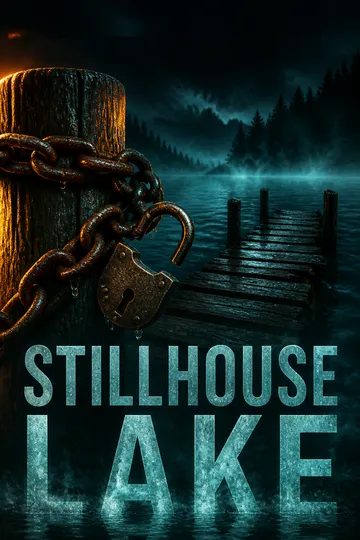
Stillhouse Lake is both a place of refuge and a site of trauma—a symbol of the family's attempts to find peace and the persistent threat of violence. The lake's depths hide secrets, and its surface reflects the shifting emotional landscape of the characters. The final confrontation on the lake is both literal and metaphorical—a reckoning with the past and a baptism into a new future.
Narrative Framing and Meta-Storytelling
The use of podcasts, media, and public opinion as narrative devices underscores the theme of storytelling as both weapon and shield. Gwen's eventual decision to tell her own story—reclaiming the narrative from her enemies—is a powerful act of agency and self-definition. The story interrogates the ethics of true crime, the dangers of voyeurism, and the necessity of owning one's truth.
Stillhouse Lake Series


About the Author
Other books by Rachel Caine


Download PDF
Download EPUB
.epub digital book format is ideal for reading ebooks on phones, tablets, and e-readers.








































