
Plot Summary
Haunted by the Past
Sia, a woman marked by a violent past with a Mexican cartel leader, Juan Garcia, struggles to find peace on her Texas ranch. Her life is haunted by memories of abuse, betrayal, and the loss of her best friend, Michelle, to Garcia's trafficking ring. Despite her attempts to build a quiet life, the scars—both physical and emotional—remain ever-present. When her brother Ky and his biker club, the Hades Hangmen, warn her that Garcia is back and searching for her, Sia's fragile sense of safety crumbles. The ghosts of her past threaten to consume her, forcing her to confront old wounds and the possibility that she may never truly escape the darkness that shaped her.
Forced Home, Unwilling Heart
Ky and Styx, leaders of the Hades Hangmen, force Sia to leave her ranch and return to the club compound for her own protection. Sia resists, desperate to maintain her independence and the sanctuary she's built, but the threat of Garcia is too great. The club's world is harsh, male-dominated, and filled with its own dangers, but it's also the only place where Sia has family. As she reconnects with her brother, his wife Lilah, and their daughter Grace, Sia is reminded of the complicated love and loyalty that binds them. Yet, the tension between her need for autonomy and the club's suffocating protection grows, setting the stage for conflict and transformation.
Biker Brotherhood Boundaries
Within the Hangmen, boundaries are clear: family is protected, and certain lines are not to be crossed. Sia's presence stirs up old rivalries and new temptations, especially for Hush and Cowboy, two Cajun brothers with a deep, unconventional bond. The club's rules forbid any brother from touching Ky's sister, but desire simmers beneath the surface. As Sia navigates the club's hierarchy and the men's attention, she's both drawn to and wary of the intense loyalty and violence that define the Hangmen. The tension between personal longing and club loyalty threatens to ignite, challenging the very fabric of their brotherhood.
Sia's Sanctuary Shattered
Sia's attempt to reclaim her life at her ranch is violently interrupted when Garcia's men find her. The attack is brutal: her horses are slaughtered, her assistant Clara is killed, and Sia and Cowboy are kidnapped. Hush, incapacitated by a seizure, is left behind, wracked with guilt and self-loathing. The sanctuary Sia built is destroyed, and she is thrust back into the nightmare she thought she'd escaped. The trauma of her past collides with the present, forcing her to rely on the very people and structures she once rejected. The cost of survival becomes painfully clear, and the lines between victim and survivor blur.
Cajun Confessions and Connections
As Sia recovers under the Hangmen's protection, she grows closer to Hush and Cowboy. Both men carry their own scars: Hush, a mixed-race man with epilepsy, is haunted by the violent loss of his parents to the Klan; Cowboy, once complicit in that world, has become Hush's fiercest protector and partner. Their relationship is deep, complex, and nontraditional, challenging Sia's understanding of love and loyalty. Through shared vulnerability, the three form a bond that transcends conventional boundaries, offering each other solace, acceptance, and the possibility of healing. Their connection becomes a lifeline in a world that seeks to tear them apart.
The Weight of Scars
Sia's body bears the marks of her suffering: acid burns from Garcia, a brand from the cartel, and now a racist carving from the Klan. Hush's back is scarred by a branding iron, a legacy of hate. Cowboy, too, is marked—by guilt, by violence, by love. Together, they confront the pain etched into their flesh and souls, sharing stories of survival and shame. The act of revealing their scars to one another becomes an act of trust and intimacy, transforming wounds into symbols of resilience. Through each other, they begin to believe that healing is possible, even if the past can never be erased.
Love in the Crossfire
Against the backdrop of violence and prejudice, Sia, Hush, and Cowboy find unexpected sanctuary in each other's arms. Their love is unconventional—polyamorous, interracial, and forged in trauma—but it is also fiercely genuine. Together, they challenge the club's rules, their own fears, and the world's judgment. Their intimacy is both a rebellion and a refuge, a way to reclaim agency over bodies and hearts that have been violated. As they navigate jealousy, vulnerability, and the threat of loss, their love becomes a radical act of survival, offering hope where there was once only pain.
The Cartel's Shadow Returns
Garcia's reach is long and merciless. He orchestrates Sia and Cowboy's abduction, dragging them back into the heart of his trafficking operation. Sia is forced to confront her worst nightmares: the return to captivity, the loss of agency, and the possibility of losing those she loves. Cowboy is tortured, branded, and humiliated, while Sia is forced to witness and endure further violence. The trauma is compounded by the reappearance of Michelle, Sia's lost friend, now a broken shell. The cartel's cruelty is absolute, and escape seems impossible. Yet, even in the darkest moments, the bonds of love and loyalty refuse to break.
Blood, Betrayal, and Brands
The Hangmen, aided by the Diablos MC and a former cartel insider, launch a daring rescue. The operation is bloody and chaotic, culminating in the deaths of Garcia and his men, and the destruction of the trafficking compound. Sia, Cowboy, and Hush are reunited, but not unscathed. The scars—physical and emotional—are deeper than ever. Justice is served not only through violence but through the reclamation of agency and dignity. The club's enemies, both within and without, are confronted, and the cost of survival is tallied in blood and sacrifice. The cycle of vengeance is both a curse and a catharsis.
Rescue and Reckoning
In the aftermath, Sia, Hush, and Cowboy must reckon with the ghosts that haunt them. Hush returns to Louisiana to confront the site of his parents' murder, seeking closure and forgiveness. With the help of his grandmother, he finally lays his parents to rest, bringing their remains to Texas. Sia reconciles with Ky, asserting her right to love on her own terms. The trio's relationship, once forbidden, is now a source of strength and pride. The Hangmen, too, must confront their own prejudices and loyalties, choosing to embrace the family they have built rather than the rules that once divided them.
Healing, Hope, and Home
With the past finally laid to rest, Sia, Hush, and Cowboy begin to build a life together. They move into a new home, away from the shadows of violence and loss. The scars they bear become reminders of survival, not shame. Their love, once a source of conflict, is now celebrated within the club and their chosen family. Together, they create a sanctuary where difference is cherished and healing is possible. The journey is far from over, but for the first time, hope outweighs fear. The promise of peace, love, and belonging is no longer a distant dream, but a hard-won reality.
Club, War, and Forgiveness
As the Hangmen prepare for war against the cartel and the Klan, the club is forced to confront its own history of prejudice and violence. Betrayals are exposed, old enemies are brought to justice, and new alliances are forged. Hush and Cowboy's place in the club is solidified, not despite their love for Sia, but because of it. Forgiveness—of self, of others, of the past—becomes the foundation for a new kind of brotherhood. The club's survival depends not just on strength, but on the willingness to change, to accept, and to fight for a future where all are truly free.
The Hangmen Ride Together
In a powerful display of unity, the Hangmen ride out to honor Hush's parents, laying to rest the pain of the past and affirming the bonds of chosen family. The club, once divided by race, loyalty, and tradition, now stands together, embracing difference and defying the world's judgment. Sia, Hush, and Cowboy are no longer outsiders, but central to the club's identity and future. Their love, once a source of scandal, is now a symbol of resilience and hope. The ride is both a farewell to old wounds and a celebration of new beginnings, a testament to the power of love, loyalty, and acceptance.
Peace After the Storm
At last, Sia, Hush, and Cowboy find peace—not the absence of pain, but the presence of love, understanding, and belonging. Their journey has been marked by violence, loss, and betrayal, but also by courage, healing, and the refusal to be defined by others' hate. Together, they create a home where scars are honored, differences are cherished, and love is limitless. The Hangmen, too, are transformed, forging a new legacy built on acceptance and brotherhood. The past can never be undone, but the future is theirs to claim. In each other, they find the family, peace, and happiness they never thought possible.
Analysis
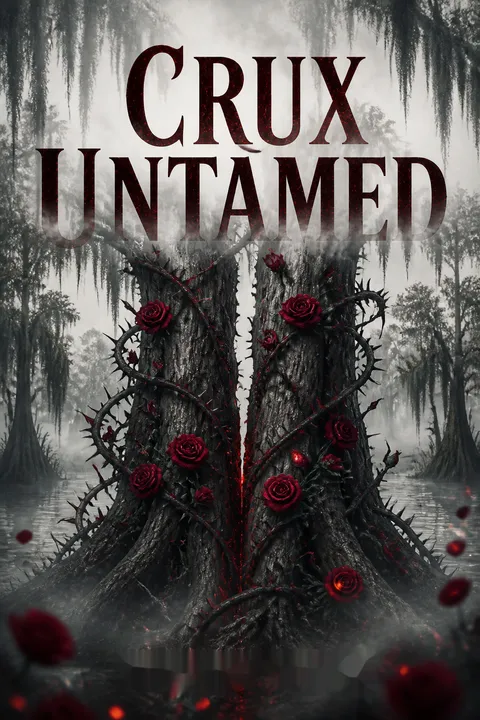
Crux Untamed is a raw, unflinching exploration of trauma, love, and the search for belonging in a world defined by violence and exclusion. Through its complex characters and interwoven plotlines, the novel interrogates the ways in which pain can both destroy and transform, offering the possibility of healing through connection, vulnerability, and the refusal to be defined by others' hate. The love triangle at the heart of the story is not just a romantic subplot but a radical act of reclamation, challenging the boundaries of gender, race, and family. The Hangmen's evolution from a bastion of toxic masculinity to a chosen family built on acceptance and loyalty mirrors broader societal shifts, offering a vision of hope that is hard-won but deeply earned. Ultimately, the novel argues that peace is not the absence of pain, but the presence of love, understanding, and the courage to claim one's place in the world. The scars the characters bear are not just reminders of suffering, but badges of survival—a testament to the power of resilience, forgiveness, and the enduring human need for connection.
Review Summary
Crux Untamed is the sixth book in the Hades Hangmen series, featuring a MFM romance between Sia, Cowboy, and Hush. Readers appreciate the emotional depth, character development, and steamy scenes. The book tackles themes of racism, trauma, and healing. While some found it less intense than previous installments, many praised the author's writing and the unique dynamic between the three main characters. Overall, fans of the series enjoyed this addition, though opinions varied on its strength compared to earlier books.
People Also Read





Characters
Sia (Elysia Willis)
Sia is a woman forged in trauma, marked by physical and emotional scars from her time as a victim of sex trafficking and abuse at the hands of Juan Garcia. Her journey is one of survival, resilience, and the struggle to reclaim agency over her life and body. Sia's relationship with her brother Ky is complicated by love, resentment, and the club's patriarchal culture. She is fiercely independent, yet deeply vulnerable, longing for connection but terrified of being hurt again. Through her relationships with Hush and Cowboy, Sia learns to trust, love, and accept herself, transforming her pain into strength. Her arc is one of healing, self-acceptance, and the reclamation of her own narrative.
Hush (Valan Durand)
Hush is a man defined by loss, trauma, and the search for acceptance. As a mixed-race child in the Deep South, he endured relentless racism, violence, and the murder of his parents by the Klan. His epilepsy, a source of vulnerability, compounds his sense of isolation and unworthiness. Hush's relationship with Cowboy is both a lifeline and a source of guilt, as he fears holding his friend back. His love for Sia is transformative, challenging his belief that he is unlovable or destined to be alone. Hush's journey is one of confronting the past, forgiving himself, and embracing the possibility of happiness. His arc is a testament to the power of chosen family and the courage to claim one's place in the world.
Cowboy (Aubin Breaux)
Cowboy is the embodiment of loyalty, warmth, and redemption. Once complicit in the racism of his hometown, he broke away to become Hush's fiercest defender and partner. His easygoing nature masks deep guilt and a longing for connection. Cowboy's relationship with Hush is foundational, built on years of shared pain and survival. His love for Sia is immediate and profound, offering her the safety and acceptance she craves. Cowboy is the glue that holds the trio together, mediating conflicts and providing unconditional support. His arc is one of atonement, self-discovery, and the embrace of a love that defies convention and expectation.
Ky (Kyler Willis)
Ky is Sia's older brother and the vice president of the Hades Hangmen. He is fiercely protective, often to the point of suffocation, and struggles to reconcile his love for Sia with the club's rigid rules. Ky's journey is one of learning to let go, to trust his sister's choices, and to confront his own prejudices. His relationship with Lilah and their children softens him, revealing a capacity for vulnerability and growth. Ky's arc is about the tension between tradition and change, and the willingness to embrace a new vision of family and loyalty.
Styx
Styx is the president of the Hades Hangmen, a man of few words but immense presence. He leads with a combination of strength, wisdom, and ruthless pragmatism. Styx's loyalty to his brothers and his sense of justice drive the club's actions, especially in the face of external threats. He is instrumental in accepting Sia, Hush, and Cowboy's unconventional relationship, setting a new standard for the club. Styx's arc is one of leadership, adaptation, and the recognition that true strength lies in unity and acceptance.
Juan Garcia
Garcia is the antagonist whose cruelty and obsession haunt Sia's life. A cartel leader and trafficker, he is both charming and monstrous, using love as a weapon to control and destroy. Garcia's actions are the catalyst for much of the novel's violence and trauma, forcing Sia and her loved ones to confront the darkest parts of themselves and their world. His eventual defeat is both a personal and symbolic victory, representing the triumph of love and agency over oppression and hate.
Michelle
Michelle is Sia's childhood friend, whose fate as a victim of Garcia's trafficking ring haunts Sia with guilt and grief. Her transformation from a vibrant, adventurous girl to a broken, scarred woman is a stark reminder of the cost of violence and the fragility of hope. Michelle's death is a turning point, galvanizing Sia's resolve and underscoring the stakes of the fight against Garcia and his ilk.
Clara
Clara is Sia's ranch hand and friend, a symbol of the ordinary life Sia tries to build. Her murder during Garcia's attack is a devastating loss, shattering Sia's sense of safety and underscoring the reach of violence. Clara's death is a reminder that innocence is often the first casualty in the wars waged by men.
Crow
Crow is a Hangmen enforcer with a taste for vengeance and a code of his own. He plays a crucial role in bringing justice to those who wronged Hush and the club, operating in the shadows to eliminate threats. Crow's actions are both brutal and necessary, embodying the moral ambiguity of the world the characters inhabit. He is a reminder that justice, in this world, is often delivered by those willing to do what others cannot.
Tanner
Tanner is a former Klan member and Hangmen brother, struggling to atone for his past. His journey from hatred to acceptance mirrors the broader transformation of the club and the world around them. Tanner's loyalty is tested as the club goes to war with the Klan and the cartel, forcing him to choose between blood and brotherhood. His arc is one of redemption, self-forgiveness, and the possibility of change.
Plot Devices
Trauma as Identity and Catalyst
The novel uses trauma—physical, emotional, and generational—as both a defining feature of its characters and the engine of its plot. Scars, brands, and wounds are not just marks of suffering but symbols of survival and resilience. The characters' journeys are shaped by their attempts to heal, to find family, and to reclaim agency in a world that seeks to define them by their pain. The narrative structure alternates between past and present, using flashbacks and confessions to reveal the depth of each character's wounds and the ways in which they shape relationships and choices.
Forbidden Love and Chosen Family
At its heart, the story is about love that defies convention: polyamorous, interracial, and born of shared suffering. The trio's relationship challenges the club's rules, societal expectations, and their own fears. The Hangmen, once a bastion of toxic masculinity and exclusion, are forced to confront their own prejudices and embrace a new vision of family. The plot uses the tension between blood family and chosen family to explore themes of loyalty, acceptance, and the possibility of transformation.
Cycles of Violence and Redemption
Violence is both a threat and a tool, used by villains and heroes alike. The cycle of trauma and revenge drives much of the action, with characters seeking justice for past wrongs even as they risk perpetuating the very violence they abhor. The novel uses foreshadowing—through scars, brands, and repeated patterns—to highlight the difficulty of breaking free from the past. Redemption is hard-won, requiring not just the defeat of external enemies but the willingness to forgive oneself and others.
Brotherhood, Loyalty, and Transformation
The club itself is a living character, evolving from a rigid, exclusionary brotherhood to a more inclusive, accepting family. The narrative structure uses club meetings, rituals, and rides as markers of change, showing how individual transformations ripple outward to reshape the collective. The tension between tradition and progress is a constant undercurrent, with characters forced to choose between the safety of the known and the risk of the new.
Hades Hangmen Series Series








About the Author



Download PDF
Download EPUB
.epub digital book format is ideal for reading ebooks on phones, tablets, and e-readers.








































