
Plot Summary
Childhood Promises Behind Fences
Styx, a young boy growing up in the harsh world of the Hades Hangmen motorcycle club, is haunted by a memory: a fleeting meeting with a girl behind a fence, her black hair and ice-blue "wolf eyes" seared into his mind. Despite his father's cruelty and the club's roughness, Styx clings to the hope of finding her again. This early connection, forged in innocence and secrecy, becomes the emotional anchor for both Styx and Mae, the girl from the fence. Their bond, born from shared pain and longing, sets the stage for a love story that will defy trauma, violence, and the scars of their pasts.
The Weight of Silence
Now president of the Hangmen, Styx is a man of few words—literally. His severe stutter and selective mutism, especially in public, are a source of deep frustration and shame. As he prepares to marry Mae, the woman who makes him feel whole, Styx is tormented by the fear that he won't be able to speak his vows aloud. The pressure mounts as the wedding approaches, and his inability to communicate in the way he desires becomes a symbol of all the ways he feels broken. Yet, in the privacy of their home, Mae's love and acceptance offer him solace, even as he battles his own demons.
Vows and Vulnerabilities
Mae, once a captive of a brutal cult, finds healing and hope in Styx's arms. As she pens her wedding vows, she reflects on the boy who gave her her first kiss and the man who saved her from darkness. Her words, full of gratitude and devotion, are a testament to the transformative power of love. But Mae senses Styx's turmoil—his silence, his withdrawal—and worries that she is the cause. Her vulnerability is matched by her strength, as she prepares to stand by Styx, no matter what shadows linger from their pasts.
Sisters, Dresses, and Dreams
Mae's journey to the altar is shared with her sisters—Bella, Maddie, and Lilah—each scarred by the cult but now free and forging new lives. Together, they choose dresses, share memories, and support Mae as she faces her own anxieties. The act of preparing for the wedding becomes a celebration of survival and sisterhood, a reclaiming of joy after years of pain. Mae's pregnancy is a visible sign of new beginnings, and her sisters' presence is a reminder that love can flourish even in the aftermath of trauma.
Brotherhood and Burdens
Styx's best friend and vice president, Ky, tries to help him overcome his fear of speaking at the wedding. The brotherhood of the Hangmen is both a source of strength and a crucible for Styx's insecurities. Practice sessions with his closest friends only heighten his frustration, as his stutter refuses to yield. Yet, the loyalty and understanding of his brothers, especially Ky, offer a lifeline. Their crude humor and unwavering support remind Styx that he is not alone, even as he faces the most personal of battles.
Practice, Panic, and Persephone
Despite repeated efforts, Styx cannot force the words out in front of others. His frustration boils over, leading to moments of anger and self-doubt. The mural of Hades and Persephone at the club becomes a symbol of his relationship with Mae—darkness and light, captivity and freedom, love that transcends pain. Watching Mae with her sisters, Styx is reminded of the innocence they lost and the hope they now share. Alone with Mae, he finds fleeting moments of peace, mouthing his vows in the wind, wishing he could give her the words she deserves.
Love in the Quiet Moments
Mae senses Styx's struggle but doesn't press him. Instead, she creates moments of intimacy—candles, music, gentle touches—that allow them to communicate without words. Their physical connection becomes a language of its own, expressing love, reassurance, and longing. In the sanctuary of their home, Styx can be vulnerable, and Mae's acceptance soothes his fears. Even when he cannot speak, his actions and presence tell Mae everything she needs to know.
The Struggle to Speak
As the wedding draws near, Styx's anxiety intensifies. He wants desperately to speak his vows, to prove to himself and Mae that he is worthy. The pressure becomes overwhelming, and he withdraws further, haunted by memories of his father's ridicule and his own perceived failures. Yet, Mae's unwavering love and the support of his brothers keep him from sinking completely. The struggle to speak becomes a metaphor for all the ways he has fought to reclaim his life and love.
Acceptance and Assurance
Sensing Styx's torment, Mae reassures him that she does not care how he says his vows—signed or spoken, his love is enough. Her acceptance lifts a weight from his shoulders, allowing him to see himself through her eyes. Mae's empathy and understanding become the turning point, transforming Styx's shame into hope. Their conversation is a quiet affirmation that love is not measured by words, but by presence, commitment, and the willingness to be vulnerable.
The Wedding Approaches
The day of the wedding arrives, filled with nervous excitement and reflection. Mae, surrounded by her sisters and friends, prepares for the ceremony, marveling at how far they have all come. Styx, supported by his brothers, steels himself for the moment he will stand before Mae. Both are acutely aware of the significance of this day—not just as a union of two people, but as a triumph over the darkness that once threatened to consume them.
Walking Down the Aisle
Mae walks down the aisle, arm in arm with her father, her sisters and friends by her side. Styx waits at the altar, overwhelmed by the sight of the woman he loves. The ceremony is a tapestry of past and present, pain and joy, as both families—by blood and by choice—witness the culmination of a love story that began behind a fence. Every step Mae takes is a step away from her past and toward a future she never thought possible.
The Vows Spoken Aloud
When the moment comes, Styx is gripped by fear, the familiar "python" of anxiety tightening around his throat. But as he looks into Mae's eyes, something shifts. Drawing strength from her love, he forces the words out, stuttering but determined. "I do, babe," he says, breaking through years of silence and self-doubt. The act of speaking his vows, however imperfectly, is a victory—not just for Styx, but for anyone who has ever felt voiceless. Mae's tears and pride are the only validation he needs.
Becoming Mr. and Mrs. Nash
With vows exchanged and rings placed, Styx and Mae are pronounced husband and wife. The celebration that follows is raucous and joyful, filled with music, laughter, and the camaraderie of the Hangmen family. For the first time, Styx feels a sense of belonging and peace, his love for Mae affirmed in front of those who matter most. Their first dance, set to the song that brought them together, is a moment of pure happiness—a promise that, together, they can weather any storm.
First Night as Husband and Wife
Alone at last, Styx and Mae consummate their marriage with tenderness and passion. Their physical union is both a celebration and a healing, a way of claiming each other fully after years of struggle. In the quiet aftermath, they share their private vows, reaffirming their commitment and love. The rings on their fingers become symbols of a bond that cannot be broken, no matter what challenges lie ahead.
Promises for the Future
As they lie together, Mae reveals the vows she wrote for Styx, words that capture the depth of her love and gratitude. They talk about their unborn son, Charon, and their hopes for the future. Styx confesses his fear of failing as a father, haunted by his own upbringing. Mae reassures him that their son will be proud, that the cycle of pain can be broken. Together, they dream of a family built on love, resilience, and acceptance.
A Son's Name, A New Hope
Mae surprises Styx with the news that they are having a boy, and together they choose the name Charon, after the mythic boatman of the River Styx. The name is a bridge between past and future, a symbol of the journey they have taken and the legacy they hope to create. For Styx, the prospect of fatherhood is both terrifying and exhilarating, but with Mae by his side, he believes they can give their son the life they never had.
Ocean Dreams and New Beginnings
The novella ends with Styx and Mae on a secluded Texas beach, fulfilling Mae's dream of seeing the ocean. Free from the burdens of the past and the demands of the club, they savor a moment of pure happiness. The sand beneath their feet, the waves at their backs, and the promise of a new life ahead—these are the gifts they give each other. In Mae's words, every day with Styx is a dream come true, and together, they face the future with hope, courage, and unwavering love.
Analysis
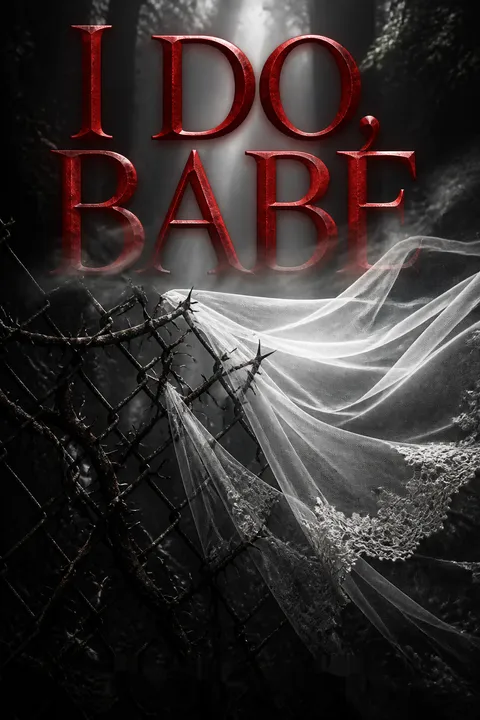
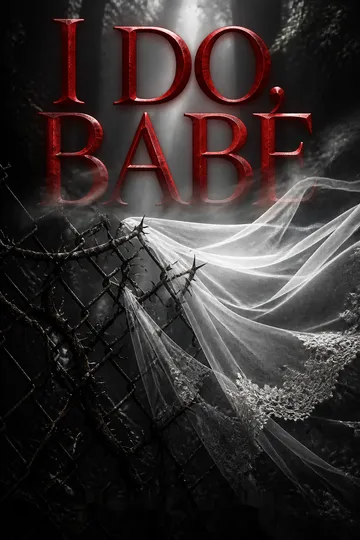
"I Do, Babe" is a novella that distills the essence of trauma, healing, and unconditional love into a tightly woven narrative. At its core, the story is about two people who have been shaped—and nearly broken—by their pasts, yet find in each other the courage to hope, to heal, and to build a future. Styx's struggle with speech is a powerful metaphor for the ways trauma can silence us, while Mae's unwavering acceptance demonstrates the transformative power of empathy. The novella's focus on ritual—wedding, vows, family—serves as a means of reclaiming agency and joy after suffering. Through dual narration, mythic allusion, and the interplay of silence and speech, Tillie Cole crafts a love story that is both raw and redemptive. The lesson is clear: love is not about perfection, but about presence, persistence, and the willingness to be seen and accepted, flaws and all. In a world that often equates strength with stoicism, "I Do, Babe" reminds us that true courage lies in vulnerability, and that healing is possible when we dare to let others in.
Review Summary
I Do, Babe is a heartwarming novella in the Hades Hangmen series, focusing on Styx and Mae's wedding. Readers praise the sweet, low-angst story as a refreshing change from the series' typically dark themes. Many appreciate the emotional depth, particularly Styx's struggle with his speech disorder and Mae's unwavering support. Fans of the series find it a perfect addition, though some wished for more content. The novella is best read in series order to fully appreciate the characters and their relationships.
Characters
Styx (River Nash)
Styx is the president of the Hades Hangmen, a man defined by his silence and his scars. His severe stutter and selective mutism are the legacy of a brutal childhood, marked by abuse and loss. Yet, beneath his intimidating exterior lies a heart fiercely loyal and deeply loving, especially toward Mae. Styx's journey is one of vulnerability—learning to accept love, to trust others, and to find his voice, even when it shakes. His relationship with Mae is both a refuge and a crucible, forcing him to confront his fears and redefine his sense of self. As a leader, he is respected and feared; as a partner, he is tender and protective. Styx's development is a testament to the power of love to heal even the deepest wounds.
Mae (Salome Nash)
Mae is a woman forged in the fires of trauma, having escaped a cult that sought to break her spirit. Her resilience is matched by her gentleness, and her capacity for love is boundless. Mae's relationship with Styx is transformative for both—she gives him hope, and he gives her safety. As she prepares to marry Styx and become a mother, Mae grapples with her own insecurities, but her unwavering support for Styx is her greatest strength. Her bond with her sisters and her ability to find joy after suffering make her a symbol of endurance and grace. Mae's journey is one of reclaiming agency, building a family, and choosing love over fear.
Kyler "Ky"
Ky is Styx's best friend and vice president, the brother who stands by him through every trial. His irreverent humor and brash confidence mask a deep loyalty and understanding of Styx's struggles. Ky's efforts to help Styx speak his vows, though sometimes misguided, come from a place of genuine care. He is the glue that holds the brotherhood together, offering support, tough love, and a sense of normalcy amid chaos. Ky's relationship with his own family, especially his wife Lilah and daughter Grace, mirrors the themes of healing and redemption that run through the story.
Bella
Bella, Mae's sister, is a survivor of the same cult, her journey marked by pain and resilience. As Mae's maid of honor, she provides wisdom, comfort, and a living example of healing. Bella's own marriage and her role as a sister underscore the importance of chosen family and the power of solidarity among women. Her presence at the wedding is a testament to the possibility of joy after suffering.
Maddie
Maddie, another of Mae's sisters, is quiet and reserved, her shyness a remnant of past trauma. Yet, her love for her family and her own journey toward happiness are sources of inspiration for Mae. Maddie's support during the wedding preparations and her reflections on marriage add depth to the story's exploration of healing and hope.
Lilah
Lilah, both a sister and a mother, embodies the protective instincts that come from surviving trauma. Her relationship with Ky and her daughter Grace is a model of the family Mae hopes to build. Lilah's humor and warmth provide comfort to Mae, and her presence at the wedding is a reminder that love can flourish even in the aftermath of darkness.
Grace
Grace, Lilah's young daughter, represents the innocence that the sisters fought to reclaim. Her role as flower girl at the wedding is symbolic—a new generation free from the cult's shadow, a living embodiment of hope and possibility.
Beauty
Beauty, a friend of the Hangmen, takes charge of the wedding preparations, offering guidance and support to Mae. Her practical wisdom and nurturing presence help Mae navigate the complexities of love, family, and celebration. Beauty's role is that of a mentor, helping the sisters reclaim rituals of joy that were once denied to them.
Stephen
Stephen, Mae's adoptive father, is a gentle and supportive presence, walking her down the aisle and affirming her worth. His acceptance and pride are healing for Mae, offering her the fatherly love she was denied in childhood. Stephen's role in the wedding is a symbol of new beginnings and the power of chosen family.
Pastor Ellis
Pastor Ellis, the officiant at the wedding, provides a sense of legitimacy and blessing to Styx and Mae's union. Her understanding and flexibility—allowing Styx to sign or speak his vows—reflect the story's themes of acceptance and accommodation. Pastor Ellis's presence underscores the importance of community and ritual in healing and transformation.
Plot Devices
Dual Narration and Internal Monologue
The novella employs a dual narrative structure, alternating between Styx and Mae's points of view. This allows readers to experience the story's emotional arc from both sides, highlighting the ways trauma, love, and healing are experienced differently by each character. Internal monologues provide insight into their fears, hopes, and motivations, creating a sense of intimacy and immediacy.
Symbolism of Speech and Silence
Styx's struggle to speak is both a literal and symbolic obstacle. His stutter and mutism represent the lasting impact of abuse and the difficulty of expressing vulnerability. The act of speaking his vows becomes a climactic moment, symbolizing the triumph of love over fear. Silence, in turn, is shown not as absence, but as a space where love can be communicated through touch, gesture, and presence.
Ritual and Reclamation
The wedding ceremony is more than a legal union—it is a ritual of reclamation, allowing Mae and her sisters to rewrite the narratives of their past. The preparations, the dresses, the vows—all are acts of agency and celebration, transforming pain into joy. The inclusion of family and friends, both biological and chosen, underscores the importance of community in healing.
Foreshadowing and Mythic Allusion
The recurring motif of Hades and Persephone, depicted in the club's mural and referenced throughout the story, serves as a mythic parallel to Styx and Mae's relationship. The allusion foreshadows their journey from darkness to light, captivity to freedom, and reinforces the idea that love can flourish even in the most unlikely places.
Physical Intimacy as Communication
For characters who struggle with words, physical intimacy becomes a primary mode of communication. Scenes of tenderness and passion are not merely erotic, but are imbued with emotional significance, allowing Styx and Mae to express what they cannot say aloud. This device reinforces the theme that love is felt as much as it is spoken.
Hades Hangmen Series Series



About the Author



Download PDF
Download EPUB
.epub digital book format is ideal for reading ebooks on phones, tablets, and e-readers.








































