
Plot Summary
Infiltration and Deception
Rider, raised in a fanatical religious cult, infiltrates the Hades Hangmen motorcycle club under false pretenses, pretending to be an ex-marine. His mission, assigned by his uncle Prophet David, is to destroy the club from within. Disgusted by the Hangmen's debauchery, Rider steels himself to play the part, all the while burning with religious zeal and self-loathing. He is accepted as a prospect, gaining the trust of the club's president, Shade, and others. But beneath his mask, Rider is torn between the world he's been taught to hate and the darkness he sees in his own faith. His duplicity sets the stage for a collision of violence, faith, and identity.
Captive Prophet's Anguish
Years later, Rider—now known as Cain, the Prophet—finds himself imprisoned in his own cult's cell, betrayed by his twin brother Judah. Subjected to daily beatings and exorcisms, Cain refuses to repent for his supposed sins, haunted by the atrocities committed in his name. He is wracked with guilt over the suffering of the Cursed Sisters and the violence of the Order. Isolated and broken, he questions his own identity, unable to reconcile the roles of prophet, brother, and traitor. The only thing keeping him alive is a stubborn refusal to submit to Judah's twisted vision for the cult.
Arrival of the Cursed
Harmony, a beautiful and sheltered woman from a remote Puerto Rican commune, is discovered and branded as a Cursed Sister of Eve. Torn from her guardians and forced to wear a veil, she is brought to New Zion to fulfill the prophecy: the prophet must wed a Cursed to save the people. Terrified and isolated, Harmony is imprisoned, awaiting her fate as the prophet's bride. Her only comfort is the memory of her sisters and the hope that she can somehow survive the ordeal. The cult's oppressive rituals and the threat of forced marriage loom over her, but Harmony's spirit remains unbroken.
Prison Walls, New Bonds
In adjacent cells, Rider and Harmony begin to communicate through a crack in the wall. Both are broken by their circumstances—he, a fallen prophet; she, a condemned Cursed—but their conversations spark a fragile hope. They share their pain, doubts, and longing for freedom, forming a bond that transcends their isolation. For the first time, Rider finds someone who sees him as more than a symbol, and Harmony discovers a kindred spirit. Their connection becomes a lifeline, offering comfort and the possibility of redemption amid the cult's cruelty.
The Prophet's Twin
Judah, Rider's twin, has usurped his identity and now rules New Zion with fanatic zeal. He visits Rider, demanding repentance and loyalty. Their confrontation is fraught with childhood memories, betrayal, and the weight of prophecy. Judah's delusions and cruelty are laid bare, as is Rider's inability to kill his brother or fully break from the faith. The twins' relationship, once a source of strength, is now a battlefield of ideology and pain. Rider's refusal to submit seals his fate, and Judah orders his continued punishment, setting the stage for a final reckoning.
Harmony's Ordeal
Harmony is summoned to meet Prophet Cain—unaware that the man before her is actually Judah. She is subjected to a humiliating and invasive examination, confirming her status as the prophesied bride. The encounter is laced with sexual threat and psychological torment, as Judah asserts his dominance and strips Harmony of her dignity. Yet, even in the face of this horror, Harmony's inner strength shines through. She returns to her cell, shattered but not defeated, and finds comfort in her growing connection with Rider.
Unmasking the Past
As Rider and Harmony's bond deepens, they begin to share their histories and traumas. Rider confesses his role as the prophet, his guilt over the cult's crimes, and his complicity in the suffering of the Cursed Sisters. Harmony, in turn, reveals her own scars and the abuse she endured. Their mutual vulnerability leads to a moment of trust and intimacy, as they finally see each other's true selves. The revelation that Rider is the real Cain—and that Judah is the imposter—shocks Harmony, but she chooses to stand by him, recognizing the goodness beneath his pain.
The Cellblock Conspiracy
In the shadows of the cellblock, a secret alliance forms. Harmony's guardians, defectors from the faith, and sympathetic guards conspire with Rider to overthrow Judah and free the innocent. They share evidence that the cult's origins are rooted in lies and abuse, not divine revelation. The plan is risky: Rider will switch places with Judah, allowing Harmony to escape and the Hangmen to be warned of an impending attack. The conspirators know the cost may be their lives, but they are driven by a desperate hope for redemption and justice.
The Wedding Ruse
On the day of the prophesied wedding, Rider and Harmony execute their plan. Disguised as Judah, Rider weds Harmony in a public ceremony, consummating the marriage in a moment of genuine tenderness and mutual consent. Their union, meant to fulfill a twisted prophecy, becomes an act of defiance and love. Afterward, they flee New Zion, aided by their allies, and make their way to the Hangmen's compound. The escape is fraught with danger, but their bond gives them the strength to face the unknown together.
Escape and Reunion
Rider and Harmony arrive at the Hangmen's compound, seeking sanctuary and help to save the cult's innocents. Their presence sparks shock and rage among the Hangmen, especially when Harmony is revealed to be the long-lost sister of Mae, Lilah, and Maddie. Old betrayals and fresh wounds resurface, as Rider confesses his past crimes and the role he played in the sisters' suffering. The Hangmen are torn between vengeance and mercy, and Rider submits himself to their judgment, willing to pay the ultimate price for his sins.
Hangmen's Reckoning
The Hangmen, led by Styx and Ky, subject Rider to a savage beating, exacting retribution for his betrayal and the pain he caused. Harmony and her sisters intervene, forming a protective wall around Rider and pleading for his life. Their act of solidarity forces the Hangmen to confront their own capacity for forgiveness and the true meaning of family. In the end, Rider is spared, but exiled to the outskirts of the compound, forever marked by his past but given a chance at redemption.
The Mass Suicide
Back in New Zion, Judah, exposed and desperate, orchestrates a mass suicide, convincing the cult's followers to poison themselves and their children rather than face defeat. The scene is one of unimaginable horror, as hundreds die in agony, their faith twisted into a weapon against themselves. Rider, freed from captivity, arrives too late to stop the carnage. The weight of so much senseless death crushes him, and he is forced to confront the darkness within himself and the legacy of his family.
Brother Against Brother
Amid the bodies of the dead, Rider and Judah face each other one last time. Their battle is both physical and spiritual, a reckoning for years of love, betrayal, and shared guilt. In a moment of agony and necessity, Rider strangles his twin, ending the cycle of violence but losing the only family he ever knew. The act leaves Rider hollow, consumed by grief and self-loathing, but also free from Judah's shadow at last.
Aftermath and Exile
With the cult destroyed and Judah dead, Rider and Harmony are exiled to a remote cabin on the Hangmen's land. The Hangmen, unable to fully forgive, allow them to live but keep them at a distance. Harmony's sisters visit, offering support and love, while Rider struggles to find peace with his actions. The couple is joined by other survivors—defectors, guardians, and a rescued child—forming a new, unconventional family. Together, they begin the slow process of healing and rebuilding.
Redemption's Price
Rider is haunted by nightmares and guilt, unable to escape the faces of the dead or the memory of killing his brother. Harmony stands by him, offering unconditional love and absolution, but the scars run deep. Smiler, Rider's old friend, helps him see the value of what he still has. A visit from Mae brings closure to old wounds, as Rider finally admits his past obsession and embraces his love for Harmony. The path to redemption is painful, but each step brings Rider closer to forgiveness.
A New Beginning
Rider and Harmony settle into their new home, surrounded by those who chose love over hate. Ruth, revealed as Rider's mother, becomes a source of comfort and connection. The sisters' bond is stronger than ever, and the rescued child, Grace, finds a new family with Lilah and Ky. The past cannot be erased, but the future is filled with hope. Together, they create a life defined not by prophecy or violence, but by choice and compassion.
Forgiveness and Family
As Rider recovers from his injuries, he learns to accept the love and forgiveness offered by Harmony, Ruth, and his new family. The Hangmen, while still wary, begin to see him as more than a traitor. The sisters' daily visits and the support of the defectors help Rider and Harmony find their place in the world. The wounds of the past remain, but they are no longer the only story. In the quiet moments of domestic life, Rider discovers a peace he never thought possible.
Healing and Hope
In the final days, Rider and Harmony embrace their new life, free from the chains of the past. Their marriage, though not recognized by law, is real in every way that matters. Surrounded by family and friends, they find joy in simple things—a home, a meal, a touch. The journey has been one of suffering and loss, but also of courage and transformation. In each other, they find the deepest redemption, proving that even in the darkest places, love can take root and grow.
Analysis
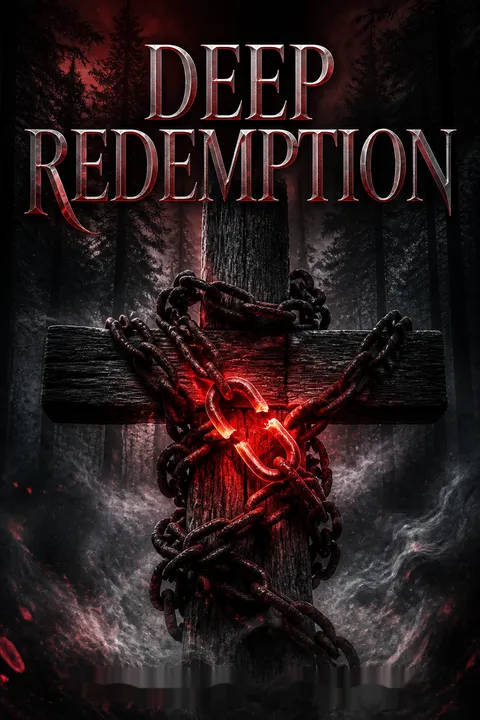
Deep Redemption is a harrowing exploration of trauma, faith, and the possibility of healing after profound betrayal. At its core, the novel interrogates the dangers of blind obedience—to religion, family, or tradition—and the ways in which power can be wielded to justify cruelty. Through the intertwined journeys of Rider and Harmony, the story examines how identity is shaped by both suffering and choice. The narrative does not shy away from the horrors of abuse, but it also refuses to let its characters be defined solely by their pain. Instead, it offers a vision of redemption that is hard-won, rooted in vulnerability, and made possible by the courage to love and forgive. In a modern context, Deep Redemption serves as a meditation on the resilience of the human spirit, the necessity of questioning inherited beliefs, and the transformative power of found family. Its ultimate message is that even in the darkest circumstances, hope can survive—and that true freedom comes not from prophecy or punishment, but from the willingness to embrace one's own humanity and the humanity of others.
Review Summary
Deep Redemption is praised for its emotional intensity and character development. Readers applaud Tillie Cole's ability to redeem a previously despised character, Rider/Cain. The book explores themes of forgiveness, redemption, and unconditional love. Many reviewers were moved to tears by the raw emotions and brutal situations depicted. The relationship between Rider and Harmony is described as pure and touching. While some found certain plot elements predictable or unrealistic, most readers consider it a powerful addition to the Hades Hangmen series.
People Also Read

Characters
Rider / Cain
Rider, born Judah Carter, is the twin brother of Judah and the true Prophet Cain of the Order. Raised in isolation and indoctrinated with religious fanaticism, he is sent to infiltrate the Hades Hangmen, where he lives a double life as a medic and spy. Rider is deeply conflicted, haunted by the violence and abuse perpetrated in his name, and wracked with guilt over his complicity. His psychological journey is one of self-loathing, longing for love, and the desperate search for redemption. Rider's relationship with Harmony becomes his salvation, offering him a chance to break free from the cycle of violence and find peace. His ultimate act—killing his own brother to save others—marks both his lowest and most heroic moment, leaving him forever changed.
Harmony / Bella
Harmony, later revealed as Bella, is a Cursed Sister of Eve, marked by her beauty and condemned to a life of abuse within the Order. Despite years of trauma, she retains a fierce spirit and a capacity for love. Harmony's psychological resilience is remarkable; she endures humiliation, violence, and the threat of forced marriage, yet never loses her sense of self. Her bond with Rider is transformative, allowing her to trust and love again. Harmony's willingness to fight for Rider, even against the Hangmen, demonstrates her courage and loyalty. She becomes the emotional center of the story, embodying the possibility of healing and hope after unimaginable suffering.
Judah
Judah, Rider's identical twin, is the usurper prophet of the Order. Driven by jealousy, pride, and a messianic complex, he orchestrates atrocities in the name of faith, including the mass suicide of his followers. Judah's psychological profile is that of a narcissist and zealot, unable to distinguish between divine will and personal ambition. His relationship with Rider is both intimate and adversarial, rooted in childhood closeness but poisoned by betrayal. Judah's final act—forcing Rider to kill him—cements his role as both victim and villain, a tragic figure destroyed by his own delusions.
Mae
Mae, one of the original Cursed Sisters, is Harmony's sibling and the partner of Styx, the Hangmen's president. She is gentle, compassionate, and deeply loyal to her family. Mae's journey is one of recovery from trauma and the embrace of a new life outside the cult. Her friendship with Rider is complex, marked by past affection and present forgiveness. Mae's support for Harmony and her willingness to stand up to the Hangmen for her sister's sake highlight her quiet strength.
Lilah / Rebekah
Lilah, another Cursed Sister, bears the physical and emotional scars of her time in the Order. Married to Ky, she struggles with infertility and the lingering effects of abuse. Lilah's adoption of Grace, a rescued child, becomes a symbol of healing and the creation of new family bonds. Her forgiveness of Rider and her support for Harmony demonstrate her capacity for empathy and resilience.
Maddie
Maddie, the youngest Cursed Sister, is initially timid and traumatized by her experiences. Her relationship with Flame, a volatile Hangman, helps her reclaim her agency and sense of self. Maddie's growth is evident in her willingness to stand with her sisters and fight for Rider's life. She represents the possibility of transformation through love and support.
Smiler
Smiler is Rider's former best friend in the Hangmen, the one who vouched for him and suffered most from his betrayal. Smiler's journey is one of pain, forgiveness, and quiet loyalty. He is the only Hangman to help Rider after his exile, offering medical care and companionship. Smiler's own losses give him a unique perspective on redemption and the value of second chances.
Ruth
Ruth, once a victim of the Order's founder, is revealed to be Rider's biological mother. Her life is marked by loss, exile, and the longing for her sons. Ruth's reunion with Rider is bittersweet, offering both a chance for healing and a reminder of the cult's horrors. Her gentle strength and capacity for forgiveness help anchor Rider in his new life.
Stephen
Stephen, Harmony's biological father, is a defector from the Order who risked everything to protect his daughters. His presence provides a stabilizing influence for Harmony and her sisters, offering them a sense of family and belonging. Stephen's support for Rider and Ruth helps knit together the fractured survivors into a new community.
Grace
Grace, a young girl branded as a Cursed, is saved from the Order's abuse by Phebe and later adopted by Lilah and Ky. Her presence symbolizes hope, renewal, and the possibility of breaking the cycle of violence. Grace's integration into her new family is a testament to the power of compassion and the resilience of the human spirit.
Plot Devices
Duality and Twinning
The story's central device is the duality between Rider and Judah—identical twins whose lives diverge along lines of faith, power, and morality. Their physical resemblance allows for mistaken identity, deception, and the ultimate switch that enables Harmony's escape. Psychologically, their bond is both a source of strength and destruction, culminating in a fratricidal climax that forces Rider to confront the darkness within himself. The motif of twinning extends to other characters—Harmony and her sisters, the parallel traumas of the Cursed, and the mirrored cycles of abuse and redemption.
Imprisonment and Liberation
The narrative is structured around cycles of captivity—cells, cults, abusive relationships—and the quest for liberation. The literal prison walls separating Rider and Harmony become a metaphor for the barriers between self and other, past and future. Their escape is both a physical act and a psychological breakthrough, symbolizing the possibility of healing and new beginnings.
Prophecy and False Revelation
The cult's prophecy—that salvation depends on the prophet marrying a Cursed—drives the plot and justifies unspeakable acts. The eventual revelation that the cult's origins are rooted in abuse and deception, not divine will, shatters the characters' identities and forces them to redefine themselves. The exposure of false prophecy is both a plot twist and a thematic reckoning with the dangers of blind faith.
Redemption and Sacrifice
The story is structured as a journey of redemption, with Rider seeking to atone for his sins through confession, sacrifice, and ultimately, love. The price of redemption is high—physical pain, exile, and the loss of family—but it is made possible by the support of others. The motif of sacrifice recurs throughout, from Harmony's willingness to marry the prophet to Rider's submission to the Hangmen's judgment.
Found Family and Forgiveness
The survivors of the cult form a new family, bound not by blood or prophecy but by choice and compassion. The process of forgiveness—of self and others—is central to the story's resolution. The Hangmen's eventual acceptance of Rider, the sisters' support for Harmony, and the adoption of Grace all underscore the theme that healing is possible, even after the deepest wounds.
Hades Hangmen Series Series








About the Author



Download PDF
Download EPUB
.epub digital book format is ideal for reading ebooks on phones, tablets, and e-readers.








































