
Plot Summary
Shadows of a Twin
In the aftermath of trauma and political upheaval, Princess Allyssa is thrust into a world of secrets when she learns she has a twin brother, Savenek, hidden away for his safety. The revelation shakes her sense of identity and belonging, as she explores his simple, orderly room and wonders about the life he led apart from her royal upbringing. The contrast between their lives—hers in opulence, his in obscurity—stirs guilt and curiosity. Allyssa's longing for family and understanding is palpable, and her grief over recent losses is compounded by the weight of secrets her parents kept. This chapter sets the emotional tone, blending sorrow, hope, and the first stirrings of a new destiny.
Healing in Exile
Isolated in the home of Nathenek, a trusted family ally and former assassin, Allyssa is forced to confront the physical and psychological scars left by her captivity and torture. Nightmares haunt her, and she is plagued by guilt over the violence she committed to survive. Nathenek, gruff yet caring, challenges her to regain her strength through rigorous training and honest self-reflection. Their dynamic is tense but slowly warms, as Allyssa's resilience and stubbornness emerge. The chapter explores the slow, painful process of healing, the need for purpose, and the first steps toward reclaiming agency in a world that has repeatedly tried to break her.
The Assassin's Test
Determined to prove herself, Allyssa submits to Nathenek's unorthodox tests—stealing tangerines, escaping arrest, and navigating the city's underbelly. Each challenge is designed to strip away her royal assumptions and force her to think like a survivor, not a princess. She fails, learns, and adapts, gradually earning Nathenek's respect. The process is humiliating and infuriating, but it forges a new kind of strength in Allyssa. Through these trials, she begins to understand the complexity of trust, the necessity of cunning, and the value of allies who see her as more than a symbol.
Letters and Lures
Allyssa receives a mysterious letter, purportedly from Prince Kerdan, warning that her former fiancé, Odar, is in danger while attempting to assassinate Queen Jana. Driven by guilt and unresolved feelings, Allyssa is determined to intervene. Nathenek's suspicions about the letter's authenticity grow, and together they deduce it is a trap set by Jana. The realization forces Allyssa to confront her motivations—love, duty, and the need to finish what she started. The chapter is a turning point, as Allyssa chooses to face her fears and take control of her destiny, even if it means walking into danger.
Training for Survival
As Allyssa and Nathenek prepare to enter hostile territory, their training intensifies. Swordplay, deception, and psychological resilience become daily routines. Nathenek pushes Allyssa to fight dirty, anticipate betrayal, and accept the moral ambiguity of leadership. Their bond deepens, built on mutual respect and shared pain. Allyssa's internal struggle—between compassion and ruthlessness—mirrors the external threats she faces. The chapter explores the cost of survival, the necessity of adaptability, and the emergence of a leader who is both vulnerable and formidable.
Reunion and Reckoning
Allyssa's journey brings her to a clandestine meeting with her father, Darmik, and Prince Kerdan. The reunion is bittersweet, as old wounds and new alliances collide. Discussions of assassination, marriage, and political strategy dominate, but beneath the surface are raw emotions—betrayal, longing, and the search for belonging. The presence of Odar, now a rival and source of heartbreak, complicates matters. Allyssa is forced to weigh her personal desires against the needs of her kingdom, setting the stage for difficult choices and shifting loyalties.
The Trap at Jontis
The plan to use Allyssa and Odar as bait unfolds in the border town of Jontis. The operation is fraught with danger, as mercenaries and soldiers vie for the bounty on their heads. Allyssa's training is put to the test as she navigates shifting allegiances, betrayal, and the chaos of capture. The experience is harrowing, stripping away any remaining illusions of safety or control. The chapter is a crucible, forging Allyssa's resolve and clarifying the stakes—not just for her, but for the fate of Emperion and Russek.
Allies and Adversaries
In the aftermath of their capture, Allyssa, Odar, and Kerdan must navigate a web of shifting alliances. Old friends become enemies, and former adversaries reveal unexpected depths. The lines between loyalty and self-interest blur, as each character is forced to confront their own motivations. The chapter delves into the psychology of trust, the pain of betrayal, and the necessity of choosing allies wisely. Through it all, Allyssa emerges as a leader capable of inspiring loyalty and commanding respect, even from those who once doubted her.
Negotiations of the Heart
As political negotiations intensify, so do the personal stakes. Kerdan's proposal of marriage is both a strategic alliance and a test of Allyssa's heart. Odar's return reopens old wounds, forcing Allyssa to confront the difference between first love and true partnership. The chapter is a meditation on the nature of love—its power to heal, its capacity to wound, and its role in shaping destiny. Allyssa's decision is not just about marriage, but about the kind of ruler and person she wants to be.
The Prince's Proposal
In the quiet moments between battles and intrigue, Allyssa and Kerdan find solace in each other. Their relationship evolves from wary alliance to genuine affection, built on mutual respect, shared trauma, and a vision for a better future. Kerdan's vulnerability and Allyssa's strength complement each other, offering hope in a world defined by violence and betrayal. The proposal is both a political necessity and a personal leap of faith, marking the beginning of a partnership that promises to reshape two kingdoms.
Old Wounds, New Resolve
Allyssa's journey is haunted by the ghosts of her captivity, the violence she endured, and the lives she took. Through conversations with Nathenek, Kerdan, and her father, she learns to accept her scars—not as weaknesses, but as sources of strength. The chapter explores the process of healing, the importance of forgiveness (of self and others), and the necessity of moving forward. Allyssa's resolve hardens, and she embraces her role as both survivor and leader.
Into the Russek Wilds
The trek through Russek is a test of endurance, cunning, and trust. Allyssa, Kerdan, and their allies face ambushes, betrayals, and the ever-present threat of Jana's forces. The landscape is as hostile as the people, and every decision carries life-or-death consequences. The journey is also an internal one, as Allyssa grapples with her identity, her feelings for Kerdan, and the responsibilities of leadership. The wilds of Russek become a crucible, burning away doubt and forging unbreakable bonds.
Captured and Chased
Allyssa and Odar are captured by mercenaries and delivered into the hands of Jana's loyalists. The ordeal is brutal, testing their resourcefulness and resolve. Allyssa's training and instincts are put to the ultimate test as she navigates captivity, plans escape, and faces the reality that not everyone can be saved. The experience cements her transformation from sheltered princess to hardened survivor, and sets the stage for the final confrontation with Jana.
The Queen's Web
Brought before Queen Jana, Allyssa, Kerdan, Darmik, and Odar are forced to confront the full extent of her cruelty and cunning. Jana's desire for revenge is personal and all-consuming, and she orchestrates a spectacle of torture and humiliation. The chapter is a study in power—how it is wielded, abused, and ultimately lost. Allyssa's defiance in the face of overwhelming odds inspires those around her, and the stage is set for a reckoning that will determine the fate of kingdoms.
The Hunters Unleashed
In a dramatic reversal, Kerdan's elite squad—the Hunters—launch a surprise assault, turning the tide of battle. The chaos is both physical and psychological, as old scores are settled and new alliances are forged in blood. Allyssa is given the chance to face Jana one-on-one, a confrontation that is as much about reclaiming agency as it is about vengeance. The chapter is a catharsis, releasing years of pain and fear in a single, decisive act.
The Final Confrontation
In a brutal, intimate duel, Allyssa confronts the woman who has haunted her nightmares and threatened her world. The fight is not just physical, but symbolic—a battle between past and future, fear and hope, vengeance and justice. Allyssa's victory is hard-won, and the cost is etched in blood and memory. The death of Jana marks the end of an era, but also the beginning of a new chapter—for Allyssa, for Russek, and for Emperion.
The Weight of Victory
With Jana dead and the immediate threat ended, Allyssa and her allies must grapple with the consequences of victory. The political landscape is unstable, and new challenges arise as old wounds fester. Allyssa's relationship with Kerdan deepens, but the path forward is uncertain. The chapter explores the burden of leadership, the necessity of compromise, and the enduring power of hope. Allyssa's journey is far from over, but she faces the future with newfound strength and clarity.
Homecoming and Healing
Allyssa's return to Emperion is both triumphant and bittersweet. Reunited with her family, friends, and the brother she never knew, she is celebrated as a hero. Yet the scars of her journey remain, and the process of healing is ongoing. The chapter is a meditation on forgiveness, the importance of chosen family, and the promise of a future built on trust, love, and hard-won wisdom. Allyssa's story ends not with a fairy-tale resolution, but with the open-ended hope of a life reclaimed and a destiny embraced.
Analysis
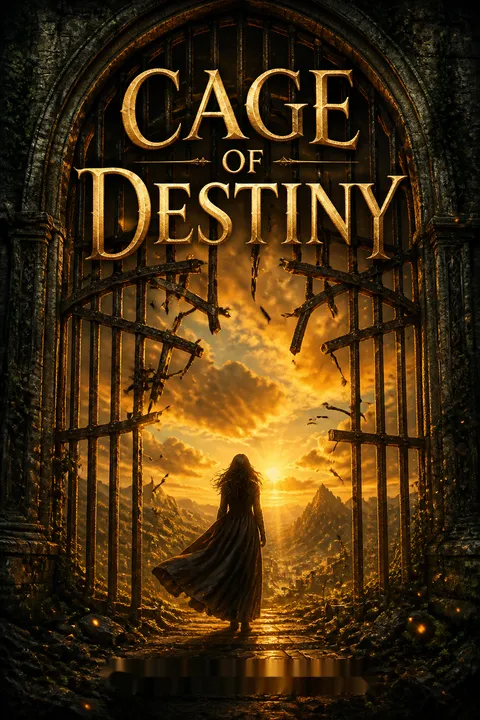
Cage of Destiny is a powerful exploration of trauma, resilience, and the search for identity in a world defined by violence and betrayal. At its core, the novel is about the reclamation of agency—how a young woman, broken by loss and haunted by the past, finds the strength to lead, to love, and to forgive. The story subverts traditional fantasy tropes, offering a nuanced portrayal of power that is both personal and political. Allyssa's journey is not one of simple triumph, but of hard-won wisdom—the understanding that true strength lies in vulnerability, that leadership requires both compassion and ruthlessness, and that love is not a weakness, but a source of enduring power. The novel's feminist undertones are clear, as Allyssa refuses to be defined by her trauma or her relationships, choosing instead to forge her own path. The lessons are universal: healing is possible, but never easy; trust must be earned, not given; and the future belongs to those who are willing to face their fears and embrace the unknown. In the end, Cage of Destiny is less about the defeat of evil than the possibility of redemption, the hope of new beginnings, and the courage to choose one's own destiny.
Review Summary
Cage of Destiny received overwhelmingly positive reviews, with readers praising the character development, exciting plot, and satisfying conclusion to Allyssa's story. Many appreciated the mature handling of relationships and the strong family dynamics. Some found the pacing slower than previous books but remained engaged. Readers loved the return of familiar characters and the introduction of new ones. While a few criticized certain plot elements or character decisions, most found it a thrilling and emotional end to the trilogy, leaving them eager for more stories in this world.
People Also Read








Characters
Allyssa
Allyssa is the heart of the story—a princess forged in the crucible of trauma, betrayal, and political intrigue. Her journey from sheltered royal to hardened survivor is marked by pain, loss, and the gradual reclamation of agency. Allyssa's relationships—with her parents, her hidden twin brother, her friends, and her suitors—are complex and fraught with conflicting loyalties. Psychologically, she is defined by her struggle to reconcile compassion with ruthlessness, vulnerability with strength. Her development is a testament to the power of resilience, the necessity of self-forgiveness, and the courage required to lead not just a kingdom, but herself.
Kerdan
Prince Kerdan is a study in contrasts—brutal yet kind, strategic yet vulnerable. Raised in the harsh world of Russek's military, he wears masks to protect himself from betrayal and loss. His relationship with Allyssa evolves from wary alliance to deep partnership, built on mutual respect and shared trauma. Kerdan's psychological complexity lies in his struggle to balance duty with desire, strength with tenderness. His journey is one of learning to trust, to love, and to envision a future beyond vengeance.
Darmik
Darmik is both a formidable ruler and a loving, if sometimes overbearing, father. His past is marked by violence and sacrifice, and he carries the weight of his choices with stoic resolve. Darmik's relationship with Allyssa is central—he is her anchor, her mentor, and her greatest source of both comfort and frustration. Psychologically, he is driven by guilt, love, and the fear of losing those he holds dear. His development is a gradual acceptance of his daughter's autonomy and the realization that true strength lies in letting go.
Nathenek
Nathenek is a man shaped by violence and regret, his past as an assassin both a source of shame and a tool for survival. Tasked with raising Savenek and protecting Allyssa, he becomes a surrogate father and mentor, teaching hard lessons about trust, deception, and the cost of survival. Psychologically, Nathenek is defined by his struggle for redemption and his deep, unspoken need for connection. His development is a quiet arc of healing, as he learns to care, to trust, and to find purpose beyond killing.
Odar
Odar is Allyssa's first love and greatest heartbreak—a prince torn between duty and desire, courage and fear. His decision to end their engagement is both selfless and cowardly, and the consequences reverberate throughout the story. Psychologically, Odar is defined by insecurity, pride, and the inability to reconcile love with leadership. His arc is one of regret and longing, as he watches Allyssa grow beyond him and is forced to confront the limits of his own strength.
Rema
Rema is the emotional bedrock of Emperion—a ruler who leads with compassion, intelligence, and quiet strength. Her relationship with Allyssa is marked by honesty, support, and the willingness to let her daughter choose her own path. Psychologically, Rema is shaped by her own history of loss and survival, and her wisdom is hard-won. She is both a symbol of hope and a reminder of the sacrifices required to build a better world.
Savenek
Savenek is the embodiment of lost potential and new beginnings—a brother kept in the shadows for his own safety, now thrust into the light. His relationship with Allyssa is tentative but filled with promise, as they navigate the complexities of family, identity, and destiny. Psychologically, Savenek is defined by longing, confusion, and the need to find his place in a world that has always kept him at arm's length.
Jana
Jana is the story's primary antagonist—a woman driven by loss, rage, and an insatiable need for control. Her cruelty is both personal and political, and her machinations set the entire plot in motion. Psychologically, Jana is a study in the corrosive power of vengeance and the emptiness of victory won through pain. Her downfall is both inevitable and deeply human, a cautionary tale about the cost of unchecked ambition.
Neco
Neco is Darmik's right hand and a surrogate uncle to Allyssa—a man defined by loyalty, pragmatism, and quiet strength. His presence is a stabilizing force, and his wisdom is often the voice of reason in moments of crisis. Psychologically, Neco is shaped by a lifetime of service and sacrifice, and his development is a testament to the enduring power of friendship and duty.
The Hunters
Kerdan's elite squad, the Hunters, are more than soldiers—they are a family forged in battle and bound by loyalty. Each member brings unique skills and perspectives, and their presence is a constant reminder of the cost of war. Psychologically, the Hunters represent the possibility of redemption, the strength of chosen family, and the hope that even in darkness, there can be light.
Plot Devices
Duality of Identity
The narrative is driven by the tension between public and private identities—Allyssa's role as princess versus survivor, Kerdan's masks as prince and soldier, Savenek's life in shadow. The motif of masks recurs throughout, symbolizing the necessity of deception in a world where trust is dangerous. This duality is explored through shifting alliances, secret missions, and the constant threat of betrayal. The device allows for deep psychological exploration and underscores the theme that true strength comes from embracing all parts of oneself.
Foreshadowing and Parallelism
The story is rich with foreshadowing—letters that are traps, training that anticipates future trials, and conversations that echo later decisions. Parallel relationships (Allyssa and Savenek, Allyssa and Kerdan, Darmik and Rema) highlight the cyclical nature of trauma, healing, and leadership. The device creates a sense of inevitability, as characters are forced to confront the consequences of their choices and the patterns of the past.
Political Intrigue and Betrayal
The plot is propelled by a web of political machinations—marriage negotiations, assassination plots, and the constant threat of war. Betrayal is a constant danger, and trust is both a weapon and a vulnerability. The device allows for complex character development, as each decision carries both personal and political weight. The ambiguity of right and wrong is ever-present, forcing characters to navigate a world where survival often requires compromise.
Psychological Realism
The narrative structure is deeply psychological, with frequent introspection, flashbacks, and explorations of guilt, shame, and resilience. Allyssa's nightmares, Nathenek's haunted past, and Kerdan's struggle with vulnerability are all rendered with emotional honesty. The device grounds the fantasy in real human experience, making the stakes feel immediate and the characters' growth hard-won.
Feminist Reclamation
Allyssa's journey is a reclamation of agency in a world that seeks to define her by her gender, her trauma, and her lineage. The plot repeatedly subverts expectations—Allyssa is not rescued, but rescues herself; marriage is not a cage, but a choice; leadership is not inherited, but earned. The device is both structural and thematic, challenging traditional narratives and offering a vision of partnership built on equality and respect.
Reign of Secrets Series


About the Author
Other books by Jennifer Anne Davis






Download PDF
Download EPUB
.epub digital book format is ideal for reading ebooks on phones, tablets, and e-readers.








































