
Plot Summary
Night Shadows and Poison
Sixteen-year-old Savenek, a trainee of the Brotherhood of the Crown, slips through the shadows of Emperor's City on a simple assignment: retrieve paperwork from a docked ship. Instead, he discovers a dead Russek warrior and crates of red powder—poison—hinting at a plot far more sinister than routine espionage. The tension between Emperion and Russek is palpable, and Savenek's instincts scream that the poison is meant for something catastrophic. His father and handler, Nathenek, orders him home, but Savenek's hunger for real danger and recognition grows. The night's discoveries set in motion a chain of events that will test Savenek's loyalty, courage, and the very fabric of his identity.
Brotherhood's Hidden Oaths
Savenek's life is defined by the Brotherhood's rigorous training and the shadow of his father's expectations. The academy is a crucible where only the strongest survive, and Savenek, though exceptional, is kept from the most dangerous assignments. His relationship with Nathenek is fraught with unspoken love and frustration, especially as Savenek yearns for independence and recognition. The Brotherhood's purpose—to protect the royal family at all costs—looms over every lesson, every scar. Yet, beneath the discipline, Savenek senses secrets about his own origins and the true nature of the Brotherhood, secrets that will soon unravel.
Father, Handler, Rival
The bond between Savenek and Nathenek is both a source of strength and pain. Nathenek's overprotectiveness, rooted in the loss of Savenek's mother, clashes with Savenek's desire for autonomy. Their sparring is as much emotional as physical, with Nathenek's insistence on sword training and Savenek's longing for real missions. The tension peaks when Savenek is excluded from critical Brotherhood trials, left behind while his peers are sent on dangerous assignments. The father-son dynamic is a dance of love, disappointment, and unspoken fears, setting the stage for Savenek's eventual rebellion and quest for self-definition.
Market Kisses and Secrets
Amidst the intrigue, Savenek finds solace and excitement in his clandestine relationship with Hana, a merchant's daughter. Their playful banter and stolen kisses at the market offer a glimpse of normalcy and hope. Yet, the relationship is fraught with risk—Hana's family disapproves, and Nathenek fears distraction. Savenek's yearning for a future with Hana is shadowed by his duty to the Brotherhood and the secrets he must keep. The tension between love and loyalty, desire and duty, becomes a central conflict as Savenek is drawn deeper into the world of espionage and war.
Trials and Exclusions
As the Brotherhood's final trials approach, Savenek is inexplicably excluded, forced to watch his peers advance while he is left behind. The exclusion is a blow to his pride and sense of purpose, fueling resentment and suspicion. Nathenek's vague explanations only deepen Savenek's frustration, and the sense of being an outsider intensifies. The Brotherhood's secrets, the true reason for Savenek's exclusion, and the looming threat of war all converge, pushing Savenek to seek answers and assert his own agency, even as the world around him grows more dangerous.
The Interpreter's Disguise
Savenek's first solo mission takes him to Lanek, where he is to meet Emperion's negotiator and interpreter for a weapons deal with Apethaga. Instead, he finds the negotiator dead and the interpreter—a sharp, enigmatic young woman named "Aryam"—in disguise as a boy. Their partnership is uneasy, marked by mutual suspicion, quick wit, and undeniable chemistry. Together, they must evade assassins, navigate foreign courts, and unravel the true intentions of Apethaga's royal family. Aryam's secrets and skills challenge Savenek's assumptions, and their alliance becomes both a source of strength and vulnerability.
Flight, Assassins, and Alliances
Savenek and Aryam's journey to Apethaga is fraught with danger—assassins from Telmena, coded messages, and the constant threat of betrayal. Their path is a test of survival and ingenuity, as they dodge enemies and piece together the political machinations at play. Along the way, their guarded partnership deepens into trust and affection, though both are haunted by secrets and the knowledge that their missions may ultimately diverge. The journey is as much about self-discovery as it is about espionage, with each challenge forging a bond that will be tested in the crucible of Apethaga's court.
Into Apethaga's Embrace
Upon entering Apethaga, Savenek and Aryam are subjected to the kingdom's paranoia—drugged for transport, separated, and locked in luxurious but confining rooms. The palace is a labyrinth of intrigue, where every gesture is watched and every word weighed. Savenek's role as Aryam's "brother" is both a shield and a prison, as they navigate court customs, dangerous flirtations, and the ever-present threat of exposure. The opulence of Apethaga masks a deadly undercurrent, and the pair must balance diplomacy with subterfuge, all while searching for the truth behind the kingdom's reluctance to sell weapons.
Palace of Masks
The palace is a stage where everyone wears a mask—princes and princesses, courtiers and spies. Savenek and Aryam are drawn into a web of flirtation and manipulation, using charm and wit to extract information. Savenek's entanglement with Princess Lareissa and Aryam's interactions with Prince Patteon are both strategic and emotionally fraught, blurring the lines between duty and desire. The court's festivities are a veneer for political maneuvering, and every dance is a negotiation. Beneath the surface, alliances are forged and broken, and the true stakes of the weapons deal—and the threat to Emperion—become increasingly clear.
Dangerous Dances, Deadly Games
As negotiations stall, Savenek and Aryam uncover evidence of Apethaga's duplicity: secret correspondence with Russek, coded messages, and the deadly red kepper flower—a poison harvested in the kingdom's mines. Their investigations lead them through hidden passages, midnight escapades, and perilous confrontations. The palace's beauty conceals lethal traps, and trust is a rare commodity. When their cover is blown, and the true extent of Apethaga's alliance with Russek is revealed, Savenek and Aryam must risk everything to escape with the knowledge that could save Emperion—or doom it.
Red Flowers, Golden Traps
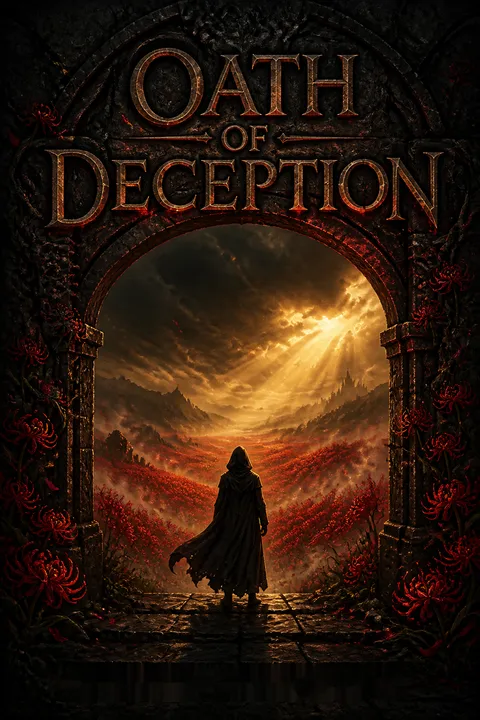
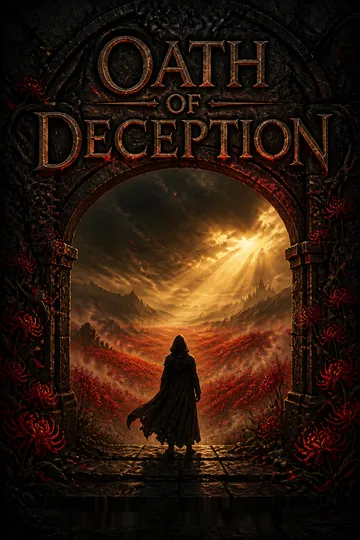
The pair's escape is thwarted by Apethaga's most insidious defense: a valley encircling the capital, filled with the poisonous kepper flowers. The flowers are both a natural barrier and a weapon, and the mines that produce them are the source of the red powder Savenek first discovered. Trapped and hunted, Savenek and Aryam are forced to surrender, hoping to learn the secret of escape from within the palace's dungeon. The red flowers become a symbol of both Apethaga's beauty and its deadly intent, a reminder that even paradise can be a prison.
Secrets in the Dark
Imprisoned and facing torture, Savenek and Aryam must rely on cunning and each other to survive. Their bond deepens in the darkness, as confessions and vulnerabilities are shared. Aryam's linguistic skills and Savenek's training are put to the test as they manipulate their captors, extract crucial information, and plot their escape. The dungeon is both a crucible and a crossroads, where the line between ally and enemy blurs, and the cost of failure is death—not just for them, but for Emperion itself.
Betrayal and Imprisonment
The pair's escape hinges on Aryam's ability to deceive Prince Patteon and Savenek's willingness to risk everything. Their plan is a high-wire act of trust and improvisation, with each moment fraught with danger. The betrayal of Apethaga's royal family is laid bare, and the true scale of the conspiracy against Emperion is revealed. The dungeon becomes a crucible for their relationship, testing the limits of loyalty, love, and sacrifice. The cost of freedom is high, and the scars—physical and emotional—will linger long after the chains are broken.
Dungeon Bargains
Using wit, violence, and a stolen key, Savenek and Aryam break free from the dungeon, navigating a secret tunnel beneath the valley of death. Their escape is a desperate race against time, pursued by Apethaga's soldiers and haunted by the knowledge of the poison shipment bound for Russek. The tunnel is both a passage to freedom and a metaphor for rebirth, as the pair emerges changed—wounded, but alive. Their journey is not over; the true test lies ahead, as they must intercept the poison and warn Emperion before it is too late.
Tunnel of Escape
Savenek and Aryam's flight takes them north, where they intercept the wagons carrying the deadly poison. Using fire and archery, they destroy the shipment, risking their lives to prevent a catastrophe. The act is both a triumph and a turning point, cementing their bond and sealing their fate as fugitives. The escape from Apethaga is a gauntlet of violence and ingenuity, with every step bringing them closer to Emperion—and to the reckoning that awaits them both.
Poisoned Arrows, Desperate Rides
In the chaos of their escape, Savenek is wounded by poisoned arrows, and the race for survival becomes a battle against time and death. Aryam's resourcefulness and care keep him alive, but the journey is harrowing. As Savenek drifts in and out of consciousness, truths are revealed—about their identities, their feelings, and the secrets that have shaped their lives. The ride to safety is a crucible of pain and hope, with the fate of kingdoms hanging in the balance.
Truths Unveiled
Savenek awakens in Lakeside, tended by healers and watched over by Nathenek. The poison's grip is slow to release, and the weeks of recovery are filled with questions and revelations. The arrival of Neco, Ari's father and a legendary figure, brings the final pieces of the puzzle: Aryam is Mayra, Neco's daughter, and Savenek's own heritage is far more than he imagined. The truth of his parentage, the sacrifices made to protect him, and the responsibilities that await him are laid bare. The cost of survival is the loss of innocence—and the acceptance of a destiny he never chose.
The Prince's Return
Savenek returns to Emperor's City, forever changed. The city is in turmoil—Princess Allyssa, his twin sister, has been murdered by Russek, and the kingdom teeters on the brink of war. The truth of Savenek's birth is revealed: he is the lost prince, hidden to protect the royal line, now called to take his place as heir. The reunion with his birth parents, Empress Rema and Emperor Darmik, is bittersweet, marked by grief, duty, and the shattering of old illusions. Savenek's journey—from shadow to light, from orphan to prince—is complete, but the cost is profound. The story ends on the cusp of war, with Savenek poised to embrace his destiny, the oath of deception now an oath of leadership.
Analysis
Oath of Deception is a masterful exploration of identity, loyalty, and the corrosive power of secrets. At its heart, the novel asks what it means to belong—to a family, a kingdom, or oneself—when every relationship is built on deception. The story's intricate plot, rich with political intrigue and espionage, serves as a backdrop for the deeper emotional journeys of its characters. Savenek's transformation from orphaned trainee to crown prince is both a personal and political awakening, forcing him to confront the cost of leadership and the pain of sacrifice. The novel's use of dual identities, hidden heritage, and symbolic motifs—especially the red kepper flower—underscores the dangers of unchecked ambition and the necessity of trust. In a world where beauty conceals poison and love is both a weapon and a refuge, Oath of Deception challenges readers to question the stories they are told and the roles they are asked to play. The ultimate lesson is one of resilience: that even in the face of betrayal and loss, it is possible to forge a new identity, to choose one's own path, and to transform an oath of deception into an oath of hope.
Review Summary
Oath of Deception receives mostly positive reviews, with an average rating of 4.26/5. Readers praise the exciting plot twists, character development, and pacing. Many enjoy Savenek's perspective and backstory, though some found the transition jarring. The book provides insight into events concurrent with previous novels. Critics note occasional awkward dialogue and period-inaccurate language. Despite some reservations, most readers recommend the book and eagerly anticipate the next installment in the series.
People Also Read



Characters
Savenek
Savenek is a young man forged in the crucible of secrecy, discipline, and longing. Raised by Nathenek, he is both a product of the Brotherhood's ruthless training and a boy yearning for love, recognition, and belonging. His psychological complexity is rooted in the tension between duty and desire, obedience and rebellion. Savenek's journey is one of self-discovery—he is haunted by the absence of his mother, the mystery of his origins, and the burden of expectations. His relationships—with Nathenek, Hana, and Aryam—reveal his vulnerability and capacity for deep loyalty. The revelation of his royal heritage is both a liberation and a new prison, forcing him to reconcile the boy he was with the prince he must become. Savenek's arc is a meditation on identity, sacrifice, and the cost of leadership.
Nathenek
Nathenek is the embodiment of the Brotherhood's ethos: disciplined, lethal, and unfailingly loyal. Yet beneath his cold exterior lies a man scarred by loss—the death of his wife, the burden of raising Savenek, and the secrets he must keep. His love for Savenek is fierce but often expressed through control and overprotection, a reflection of his own fears and regrets. Nathenek's psychological depth is revealed in his struggle to balance duty to the Brotherhood with his paternal instincts. He is both a guide and a gatekeeper, shaping Savenek's path while withholding the truth of his origins. Nathenek's arc is one of quiet sacrifice, his actions driven by love, guilt, and the hope that Savenek will surpass him.
Aryam (Mayra)
Aryam, known to Savenek as "Aryam" but truly Mayra, is a master of languages, disguise, and emotional restraint. Her role as interpreter is both literal and symbolic—she bridges worlds, deciphers codes, and navigates the treacherous waters of court and espionage. Aryam's psychological complexity lies in her dual identity: the dutiful daughter of Neco, trained for missions, and the vulnerable young woman who yearns for connection. Her relationship with Savenek is a dance of trust, wit, and suppressed longing, each challenging the other to grow. Aryam's courage, intelligence, and adaptability make her indispensable, but her greatest strength is her ability to see through deception—to the truth of others and herself.
Hana
Hana represents the life Savenek might have had—a world of laughter, market stalls, and simple joys. Her relationship with Savenek is tender but ultimately unsustainable, a casualty of the secrets and dangers that define his existence. Hana's presence in the story is a touchstone for Savenek's humanity, a reminder of what is at stake and what must be sacrificed. Her eventual pairing with another man is both a relief and a sorrow, marking the end of Savenek's innocence and the acceptance of his true path.
King Theon
King Theon is a ruler driven by old wounds and new ambitions. His alliance with Russek, use of poison, and manipulation of his own children reveal a man willing to sacrifice anything for revenge against Emperion. Theon's psychological profile is marked by bitterness, cunning, and a willingness to weaponize beauty and tradition. He is both a formidable adversary and a cautionary tale—a king whose quest for power leads to moral decay and the corruption of his kingdom.
Prince Patteon
Patteon is a study in contrasts: outwardly gracious, inwardly calculating. His interactions with Aryam and Savenek are laced with suspicion, flirtation, and veiled threats. Patteon's psychological complexity lies in his ability to play multiple roles—diplomat, interrogator, and conspirator. He is both a product and a perpetrator of Apethaga's culture of deception, his actions driven by loyalty to his father and a desire for power. Patteon's arc is one of increasing ruthlessness, his charm a mask for darker ambitions.
Princess Lareissa
Lareissa is the wild card of Apethaga's court—beautiful, impulsive, and hungry for attention. Her flirtation with Savenek is both a game and a cry for agency in a world that seeks to use her as a bargaining chip. Lareissa's psychological depth is revealed in her moments of vulnerability and defiance, her actions both aiding and endangering Savenek. She is a symbol of the collateral damage wrought by political intrigue, her fate tied to the machinations of her family.
Neco
Neco is a figure of mythic stature—wise, formidable, and deeply principled. As Mayra's father, he is both protective and demanding, shaping her into a weapon for Emperion's cause. Neco's psychological complexity lies in his ability to balance public duty with private love, his willingness to trust Savenek with his daughter, and his role as a bridge between generations. His presence in the story is a reminder of the sacrifices required by leadership and the enduring power of legacy.
Empress Rema
Rema is the heart of Emperion—a ruler who places the needs of her people above her own happiness. Her decision to separate her twins, to hide Savenek, and to form the Brotherhood are acts of both love and necessity. Rema's psychological profile is marked by resilience, sorrow, and an unwavering sense of duty. Her reunion with Savenek is bittersweet, a moment of both healing and loss. Rema embodies the story's central themes: the cost of leadership, the pain of deception, and the hope of redemption.
Emperor Darmik
Darmik is a man forged by war and responsibility. His love for his family is expressed through action and command, his grief for Allyssa channeled into the defense of his kingdom. Darmik's psychological complexity is revealed in his interactions with Savenek—demanding, yet yearning for connection. He is both a symbol of Emperion's strength and a man haunted by the limits of power. Darmik's arc is one of acceptance, as he welcomes Savenek into the royal line and prepares for the trials ahead.
Plot Devices
Dual Identities and Hidden Heritage
The narrative is driven by the motif of hidden identities—Savenek's true parentage, Aryam's real name, and the disguises adopted by both. This device creates tension, irony, and emotional resonance, as characters struggle to reconcile who they are with who they must pretend to be. The revelation of Savenek's royal blood is foreshadowed through subtle clues—his exclusion from trials, Nathenek's protectiveness, and the Brotherhood's secrecy. The device underscores the story's central question: can we ever truly know ourselves, or are we always shaped by the deceptions of others?
Political Intrigue and Espionage
The plot is a tapestry of political maneuvering—assassins, coded letters, shifting alliances, and the ever-present threat of war. Espionage is both a literal and metaphorical device, with characters constantly watching, listening, and interpreting. The use of codes, secret tunnels, and hidden poisons creates suspense and drives the action, while also serving as metaphors for the hidden motives and emotional barriers between characters.
Foreshadowing and Symbolism
The story is rich in foreshadowing—the red powder on the ship, the kepper flowers encircling Apethaga, and the recurring motif of oaths and blood. These symbols serve as both plot devices and thematic anchors, linking the personal struggles of the characters to the larger fate of kingdoms. The valley of red flowers is a particularly potent symbol, representing both the beauty and danger of deception, and the inescapable consequences of past actions.
Parallel Journeys and Emotional Arcs
Savenek and Aryam's journeys are parallel—each hiding their true selves, each forced to choose between love and duty. Their relationship is a microcosm of the story's larger themes, with their growing trust and affection mirroring the fragile alliances between kingdoms. The emotional arc is one of loss, acceptance, and transformation, with each character forced to confront their deepest fears and desires.
Narrative Structure and Pacing
The story balances high-stakes action—assassinations, escapes, battles—with moments of quiet intimacy and introspection. The pacing is deliberate, allowing for both suspense and character development. The use of cliffhangers, shifting perspectives, and layered revelations keeps the reader engaged, while the emotional depth ensures that the stakes are always personal as well as political.
Reign of Secrets Series
About the Author
Other books by Jennifer Anne Davis



Download PDF
Download EPUB
.epub digital book format is ideal for reading ebooks on phones, tablets, and e-readers.








































