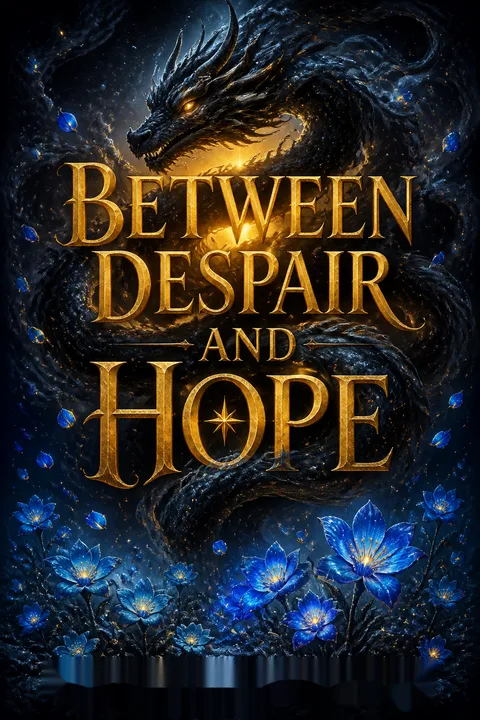

Plot Summary
Shadows Over the Battlefield
The story opens in the aftermath of a brutal battle, where time seems to warp for Dewalt, a Vestian captain. The battlefield is littered with the dead, and the retreat of the enemy Folterrans signals a shift in the war's tides. Amidst the chaos, Emmeline, the Beloved, is found bloodied and desperate, clutching her daughter Elora's body. The trauma of war and the personal cost of leadership are palpable, as friends and allies scramble to save Elora and make sense of the shifting alliances and betrayals that have left the kingdom vulnerable and its leaders scattered.
Blood and Betrayal
In the tense aftermath, Emmeline's secret is revealed: Elora is the true heir, the daughter of Rainier, the uncrowned king. This revelation fractures trust among the inner circle, especially with Rainier's mother, Shivani, who is suspicious of Emmeline's motives. The cost of keeping secrets is laid bare, as Emmeline faces accusations of manipulation and betrayal. The emotional wounds of the past and the present intertwine, threatening to unravel the fragile unity of those who must now defend Vesta from both external and internal threats.
The Price of Prophecy
Cyran, the Folterran prince, is imprisoned and tormented by guilt for slitting Elora's throat—a deed compelled by a seer's prophecy that her death would prevent a greater darkness. The verit oath he swore binds his tongue and his fate, and only after Elora's resurrection can he reveal the truth. The prophecy's cost is not just blood, but the shattering of innocence and trust. Emmeline, grappling with her own guilt and the burden of her divine blessings, must decide whether to forgive or condemn the boy who killed her child to save the world.
Fractured Bonds
As Rainier is held captive in Darkhold, Emmeline and her allies are paralyzed by indecision and political infighting. The council's reluctance to act, Shivani's cold pragmatism, and Emmeline's willingness to sacrifice herself for Rainier all strain the bonds of love and loyalty. The twin flame connection between Emmeline and Rainier is both a source of strength and a curse, as each is willing to die for the other, but neither can bear the thought of being left behind. The cost of leadership is isolation, and the price of love is pain.
Daughter of Two Kingdoms
Elora, trapped in a magical coma, drifts through dreams and memories, haunted by betrayal and loss. Her journey through the dreamscape is a struggle to reclaim her sense of self and agency. With the help of Cyran, who enters her dreams seeking forgiveness, Elora confronts the trauma of her death and resurrection. When she finally awakens, she must navigate the revelation of her true parentage, the expectations of a kingdom, and the complicated feelings she holds for those who saved and betrayed her.
The Weight of Grief
Emmeline and Rainier, separated by war and circumstance, are each consumed by grief—Emmeline for her daughter and the lives lost under her command, Rainier for the family he fears he will never know. The narrative delves into the psychological toll of leadership, the impossibility of making choices without regret, and the struggle to find meaning in suffering. The gods' blessings feel more like curses, and the line between mercy and wrath blurs as Emmeline is forced to kill and heal in equal measure.
The Queen's Bargain
With Rainier's life hanging in the balance, Emmeline orchestrates a daring plan to rescue him from Darkhold. She forges alliances, manipulates council politics, and even creates dragons from memory and shadow to tip the scales. The rescue is a testament to her ingenuity and determination, but it comes at a steep price—innocents die, and the boundaries of her power and morality are tested. The cost of mercy is blood, and the price of hope is sacrifice.
The Sleeping Heir
Elora's awakening is both a miracle and a source of new conflict. She must reconcile her love for her mother and her anger at the betrayals that led to her death. The kingdom celebrates her return, but the scars of the past linger. Emmeline and Rainier, reunited at last, must help their daughter find her place in a world that demands she be both a symbol and a person. The family's healing is fragile, and the threat of war looms ever closer.
The King in Chains
Rainier's time in Darkhold is a crucible of suffering. Tortured by Declan and haunted by hallucinations, he is forced to confront his own darkness and the legacy of violence that defines his family. The bond with Emmeline is both a lifeline and a torment, as he fears he will never be whole again. His eventual rescue is not a triumph, but the beginning of a long journey toward healing and redemption.
The Gathering Storm
As Declan, the self-proclaimed Accursed, amasses an army and unleashes monstrous itzkim upon Vesta, the kingdom braces for war. Old alliances are tested, and new ones are forged in desperation. The threat is not just physical, but existential—the prophecy hangs over all, and the gods' favor is fickle. The narrative tightens as the characters prepare for a final confrontation that will determine the fate of the Three Kingdoms.
Sacrifice and Survival
The battle for Vesta is brutal and costly. Friends and allies fall, and the line between victory and defeat is razor-thin. Emmeline's power is both a weapon and a burden, as she is forced to make impossible choices to save those she loves. The dragons she created become both saviors and symbols of the price she has paid. The cost of survival is innocence, and the price of victory is loss.
The Sins of the Fathers
The truth of Declan's heritage and the origins of the prophecy are revealed. The sins of the fathers—betrayal, violence, and ambition—echo through the generations, shaping the destinies of their children. Emmeline, Rainier, and Elora must each confront the shadows of their lineage and decide what kind of future they will build from the ruins of the past.
The Dragon's Awakening
Emmeline's creation of dragons from memory and shadow is a turning point in the war. The dragons are both a manifestation of her trauma and a symbol of hope. Their arrival shifts the balance of power, but also raises new questions about the limits of divinity and the cost of wielding such power. The battle for Darkhold is a crucible in which old wounds are reopened and new bonds are forged.
The Siege of Darkhold
The assault on Darkhold is a desperate gambit, blending magic, strategy, and raw emotion. Emmeline, Rainier, and their allies fight not just for victory, but for the soul of their kingdom. The siege is a test of every lesson learned, every bond forged, and every sacrifice made. The cost is high, but the reward is the chance to build something new from the ashes.
Reunion and Reckoning
The aftermath of the battle brings both joy and pain. Emmeline and Rainier are reunited, but the scars of captivity and betrayal linger. Elora must find her place as both heir and daughter, and the family must learn to trust each other again. The narrative explores the complexities of forgiveness, the necessity of vulnerability, and the enduring power of love.
The Cost of Mercy
As the dust settles, the survivors must reckon with the choices they have made. Mercy is both a gift and a curse, and the boundaries of forgiveness are tested. Emmeline, Rainier, and Elora each must decide what they are willing to forgive—and what they cannot. The kingdom begins to heal, but the wounds of the past are slow to close.
The Crown Ascendant
The coronation of Rainier and Emmeline marks the dawn of a new age for Vesta. The kingdom is united, but the threat of war remains. Old enemies become new allies, and the future is uncertain. The narrative closes with a sense of hope tempered by the knowledge that peace is fragile and must be fought for every day.
The Enemy Within
Even as the kingdom celebrates, new threats emerge from within. The legacy of the prophecy, the ambitions of the Supreme, and the unresolved pain of the past all threaten to unravel the hard-won peace. The story ends on a note of both triumph and foreboding, as the characters prepare to face whatever comes next—together.
Analysis
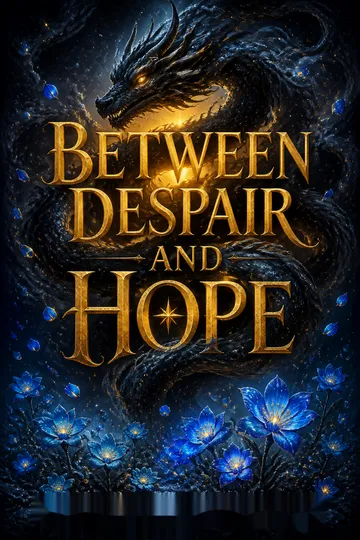
Between Despair and Hope is a sweeping epic that explores the intersection of trauma, love, and destiny in a world shaped by prophecy and divine intervention. At its core, the novel is a meditation on the cost of survival—the ways in which individuals and kingdoms alike are forced to make impossible choices, and the scars those choices leave behind. The narrative refuses easy answers, instead delving into the psychological complexity of its characters as they navigate grief, guilt, and the longing for connection. The use of prophecy as both a plot device and a metaphor allows for a nuanced exploration of free will versus fate, while the magical realism of dragons and divine blessings serves as both symbol and substance. The novel's greatest strength lies in its willingness to confront the darkness within and without, to acknowledge the pain of the past while insisting on the possibility of hope. In a world where mercy is as costly as wrath, and where the sins of the fathers echo through the generations, Between Despair and Hope offers a vision of healing that is hard-won, incomplete, and all the more precious for it. The lesson is clear: survival is not enough; to truly live, one must choose hope, even when it seems impossible.
People Also Read

Characters
Emmeline Highclere
Emmeline is the heart and soul of the narrative—a woman marked by trauma, loss, and the burdens of divine blessing. As the Beloved, she is both a symbol and a weapon, her power both a gift and a curse. Her journey is one of survival, resilience, and the search for meaning in suffering. Emmeline's relationships—with Rainier, Elora, and her found family—are fraught with guilt, love, and the constant fear of loss. Her psychological depth is revealed in her struggle to forgive herself, to accept her power, and to lead with both mercy and wrath. Her development is a testament to the strength found in vulnerability and the courage required to choose hope in the face of despair.
Rainier Vestana
Rainier is a man forged in the crucible of war and captivity, his identity shaped by the expectations of kingship and the trauma of betrayal. His bond with Emmeline is both his salvation and his torment, as he grapples with the fear of hurting those he loves and the legacy of violence that haunts his family. Rainier's journey is one of redemption, as he learns to trust, to forgive, and to lead not just with strength, but with compassion. His relationship with Elora is a source of both joy and anxiety, as he strives to be the father he never had. Rainier's psychological arc is defined by his struggle to reconcile the demands of power with the needs of the heart.
Elora Highclere
Elora is the living embodiment of hope and the cost of destiny. Her journey from victim to agent of her own fate is marked by trauma, betrayal, and the struggle to define herself beyond the expectations of others. As the daughter of Emmeline and Rainier, she is both a symbol and a person, her identity shaped by the secrets and sacrifices of those around her. Elora's psychological depth is revealed in her struggle to forgive, to trust, and to claim her own agency. Her development is a testament to the resilience of the human spirit and the power of choice in the face of fate.
Dewalt Holata
Dewalt is the anchor of the inner circle—a man defined by loyalty, loss, and the weight of responsibility. His grief for Lucia, his unrequited love, and his struggle to move on are central to his arc. Dewalt's relationship with Emmeline and Rainier is both brotherly and fraught, as he navigates the shifting dynamics of power and love. His psychological journey is one of acceptance, as he learns to let go of the past and embrace the possibility of new beginnings.
Shivani Vestana
Shivani is both a source of strength and conflict—a woman whose love is expressed through control and whose pragmatism often borders on cruelty. Her relationship with Rainier is complex, marked by both pride and disappointment. Shivani's arc is one of gradual softening, as she learns to let go of power and trust in the next generation. Her psychological depth is revealed in her struggle to reconcile her own trauma with the needs of her family.
Cyran Umbroth
Cyran is a study in contradictions—a boy forced to become a killer by prophecy, tormented by guilt and the need for forgiveness. His relationship with Elora is both redemptive and tragic, as he seeks to atone for the harm he has caused. Cyran's psychological journey is one of self-acceptance, as he learns to forgive himself and to claim his own agency in a world that has used him as a pawn.
Lavenia Vestana
Lavenia is the overlooked sibling, her identity shaped by the expectations of others and the need to find her own path. Her relationships—with Dewalt, Mairin, and her family—are marked by both love and resentment. Lavenia's arc is one of self-discovery, as she learns to assert her own desires and to claim her own worth. Her psychological depth is revealed in her struggle to balance duty and desire, and to find meaning beyond the role of the spare.
Mairin
Mairin is a figure of both mystery and comfort—a merrow exiled from her people, her identity shaped by both loss and resilience. Her relationship with Lavenia is a source of both tension and healing, as they navigate the boundaries of love and friendship. Mairin's arc is one of belonging, as she seeks to reconcile her past with her present and to find a place in a world that fears her kind.
Nor
Nor is a survivor of the Myriad's cruelty, her identity shaped by both trauma and the revelation of her true parentage. As Declan's daughter, she is both a victim and a potential threat, her loyalties and desires in constant conflict. Nor's psychological journey is one of self-acceptance, as she learns to claim her own agency and to forge her own destiny in the shadow of her father's sins.
Declan Umbroth
Declan is the embodiment of the prophecy's darkness—a man driven by ambition, cruelty, and the belief in his own destiny. His creation of the itzkim and his manipulation of prophecy make him both a physical and existential threat. Declan's psychological depth is revealed in his inability to love, his obsession with power, and his willingness to sacrifice anything and anyone to achieve his goals. His arc is a cautionary tale of the dangers of unchecked ambition and the cost of believing oneself above the gods.
Plot Devices
Prophecy and Divine Intervention
The prophecy is the central engine of the narrative, driving characters to acts of both heroism and horror. Its ambiguity allows for both hope and despair, as each character interprets its meaning in ways that justify their actions. The gods' blessings and curses are both literal and metaphorical, shaping the destinies of the chosen and the damned. The use of prophecy as a plot device allows for foreshadowing, dramatic irony, and the exploration of free will versus fate.
Twin Flames and Broken Bonds
The twin flame connection between Emmeline and Rainier is both a source of strength and a source of pain. Their bond is tested by trauma, separation, and the fear of loss. The breaking and mending of bonds—both magical and emotional—serves as a metaphor for the challenges of intimacy and the necessity of vulnerability. The narrative structure uses parallel arcs and mirrored scenes to highlight the ways in which love can both heal and destroy.
Memory, Trauma, and Healing
The narrative is structured around the interplay of memory and trauma, with characters haunted by both personal and collective wounds. The use of dreams, illusions, and magical comas allows for the exploration of psychological landscapes and the process of healing. The motif of resurrection—both literal and figurative—underscores the possibility of redemption, but also the impossibility of returning to innocence.
Dragons and Magical Realism
Emmeline's creation of dragons from memory and shadow is both a plot device and a symbol. The dragons are weapons, but also embodiments of her trauma and hope. Their presence shifts the balance of power, but also raises questions about the limits of divinity and the cost of wielding such power. The magical realism of the narrative allows for the exploration of psychological themes through fantastical means.
Political Intrigue and War
The narrative is driven by the machinations of councils, the ambitions of monarchs, and the shifting alliances of war. The use of political intrigue allows for the exploration of power, loyalty, and the cost of leadership. The structure of the story—alternating between personal and political stakes—underscores the ways in which the fate of kingdoms is inseparable from the fate of individuals.
The Divine Between Series
Download PDF
Download EPUB
.epub digital book format is ideal for reading ebooks on phones, tablets, and e-readers.








































