
Plot Summary
Shattered Crowns, Frozen Hearts
Thora, Queen of Isjord, is forced to marry for political survival, her heart numbed by years of trauma and loss. Her wedding is not a celebration but a calculated move to protect her throne from the ambitious Iskyla, a rival queen. Thora's emotional detachment is a shield, forged by a childhood of abuse and the burden of leadership. She is surrounded by loyal friends and family, but her isolation is profound, her sense of self fractured by grief and the impossible expectations of her people. The cold, both literal and metaphorical, is her only comfort, and she clings to it as the last remnant of control in a world that demands her sacrifice.
The Wedding Arrow
On the day of Thora's wedding to Erik, an arrow pierces the ceremony, killing her betrothed before her eyes. Blood stains the snow, and chaos erupts. The attack is a message from Iskyla, signaling open war and the fragility of Thora's rule. Thora's numbness deepens as she faces the aftermath, her court shaken and her enemies emboldened. The assassination is not just a personal loss but a political disaster, threatening to unravel the fragile peace she has built. In the chaos, Malik—her former friend and lover—returns after years of absence, his presence stirring old wounds and unresolved longing.
Return of the Rain
Malik's reappearance is both a balm and a torment for Thora. He is changed—scarred, older, haunted by his own demons. Their reunion is fraught with tension, unresolved anger, and the ache of what was lost. Malik's relationship with Thora is complex: he is both protector and betrayer, the only one who truly sees her and the one who left her when she needed him most. Their banter is sharp, masking deeper pain. Malik's return brings hope and danger, as his presence threatens to upend the delicate balance of Thora's court and her own heart.
Wolves in the Snow
The attack on the wedding reveals traitors within Thora's own ranks. Iskyla's forces infiltrate the castle, targeting not just Thora but the children and innocents under her protection. Thora responds with ruthless efficiency, unleashing her magic and her wolves to defend her people. The violence is swift and brutal, a reminder that peace is an illusion in a land ruled by fear and ambition. Thora's power is formidable, but it isolates her further, making her both revered and feared. The lines between friend and foe blur, and trust becomes a rare and precious commodity.
The White Veil Rises
The White Veil, a ghostly figure from Isjordian folklore, begins to appear, slaughtering Iskyla's soldiers and sowing terror among Thora's enemies. The people whisper that the gods are displeased, and Thora's connection to the White Veil becomes a source of both awe and suspicion. In truth, Thora herself dons the mantle of the White Veil, using the legend as a weapon in her psychological war against Iskyla. The boundary between myth and reality dissolves, and Thora's identity becomes ever more fractured as she wields fear as her greatest tool.
Broken Friendships, Old Wounds
Thora and Malik's relationship is a tangle of longing, resentment, and unspoken truths. Both are addicts in their own way—Thora to the numbness that shields her from pain, Malik to the darkness that consumes him. Their intimacy is fraught, each touch a negotiation between desire and self-destruction. Malik's absence is a wound that never healed, and his return forces Thora to confront the depth of her need and the cost of vulnerability. Their connection is both salvation and curse, a reminder that love can be as dangerous as any enemy.
The Past Unburied
The narrative delves into the traumas that shaped Thora and Malik: childhood abuse, the loss of parents and siblings, the violence that forged their identities. The past is never truly past; it bleeds into the present, shaping every decision and relationship. Thora's magic is both a gift and a curse, tied to the pain she cannot escape. Malik's scars are both physical and emotional, reminders of a father's cruelty and a world that punishes tenderness. Together, they navigate a landscape littered with ghosts, each step forward a battle against the weight of memory.
Blood on the Throne
Thora's rule is constantly challenged—by Iskyla, by her own court, by the expectations of her people. She must balance mercy and ruthlessness, compassion and strength. The political machinations are relentless, each alliance and betrayal a test of her resolve. Thora's refusal to rule through fear sets her apart, but it also makes her vulnerable. The cost of leadership is steep: every victory is paid for in blood, every mistake threatens to unravel all she has built. The throne is both a seat of power and a prison, and Thora is never allowed to forget it.
The Heartbeat Beneath
Thora begins to hear a mysterious heartbeat beneath the land, a pulse that grows stronger as her magic falters. She learns that her life and the land's vitality are intertwined—her heart is the heart of Isjord, and her suffering is mirrored in the world around her. The revelation is both empowering and terrifying, forcing Thora to confront the true nature of her power and the responsibilities it entails. The land itself becomes a character, its fate bound to Thora's choices and her willingness to embrace or reject her destiny.
Magic Unraveled
As Iskyla's attacks intensify, Thora's magic begins to fail her. The loss is devastating, stripping her of the one thing that set her apart and protected her people. She is forced to rely on her wits, her allies, and the strength she finds in vulnerability. The absence of magic is both a curse and a blessing, allowing Thora to reconnect with her humanity and the people she serves. The struggle to reclaim her power becomes a metaphor for healing, forgiveness, and the acceptance of one's own brokenness.
The Bargain of Souls
Malik and Thora's relationship reaches a breaking point as secrets are revealed and old wounds reopened. Malik confesses that he never truly took away Thora's pain, only pretended to, forcing her to confront the reality that healing must come from within. Their love is tested by betrayal, pride, and the fear of abandonment. The bargains they make—with each other, with the gods, with themselves—are fraught with risk and sacrifice. In the end, love is not a cure but a choice, one that must be made again and again in the face of pain.
The Duel of Queens
Iskyla challenges Thora to a public duel, hoping to expose her weakness and claim the throne. The battle is both physical and psychological, a test of will, power, and identity. Thora faces not just Iskyla but her own fears, the ghosts of her past, and the expectations of her people. The duel is brutal, pushing Thora to the brink of despair and forcing her to embrace the full extent of her power. In the end, it is not strength or magic that wins the day, but the willingness to be seen, to be vulnerable, and to claim her place as queen.
The King of Bones
In the aftermath of the duel, Malik descends into the tombs to awaken King Edric, the first king of Isea. The dead rise, led by Edric's skeletal form, to crown Thora as the true heir. The spectacle is both awe-inspiring and terrifying, a reminder that history is never truly dead and that the past can be both a burden and a blessing. The coronation is a moment of triumph and transformation, as Thora is recognized not just as a ruler but as the embodiment of the land's hope and renewal.
Winter's True Heir
Thora is crowned by the dead king, her power and legitimacy affirmed before all. The heartbeat of the land resonates through her, and the people—Isjordians and Isliners alike—bow to her as the true queen. The divisions of the past begin to heal, and Thora's vision of unity and compassion takes root. The cost has been immense, but the reward is a fragile peace and the promise of a new beginning. Thora's journey from broken child to sovereign is complete, but the scars remain, reminders of all that was lost and all that was gained.
The Land's Beating Heart
With Iskyla defeated and the kingdom united, Thora must reckon with the personal cost of victory. She forgives, but does not forget, the betrayals and losses that brought her here. Malik, too, must confront his own demons and the consequences of his choices. Together, they navigate the aftermath, seeking healing and redemption in each other and in the land they now share. The heartbeat beneath the earth is both a warning and a blessing, a reminder that peace is never permanent and must be tended with care.
Forgiveness and Farewell
Thora and Malik's relationship reaches its most painful crossroads. To truly heal, they must let each other go, freeing themselves from the patterns of dependence and self-destruction that have defined them. The act of release is both an ending and a beginning, allowing them to choose each other freely, without the weight of obligation or guilt. Forgiveness is not a single act but a process, one that requires courage, honesty, and the willingness to face the truth of one's own heart.
Reunion in the Storm
In the wake of loss and transformation, Thora and Malik find their way back to each other. Their reunion is not a return to the past but the forging of a new bond, one built on mutual respect, vulnerability, and the hard-won wisdom of suffering. Together, they face the challenges of leadership, family, and the ever-present threat of darkness. Their love is both a refuge and a source of strength, a testament to the power of hope in a world shaped by pain.
The Next Red Moon
The story closes with the promise of renewal. Rain, the next generation, is taken to the Arcane Academy to learn to master her formidable powers. The cycle of trauma and healing continues, but with each turn, the possibility of a better future grows stronger. Thora and Malik's legacy is not just a kingdom united, but a family healed, a land restored, and a hope that endures beyond the scars of the past.
Analysis
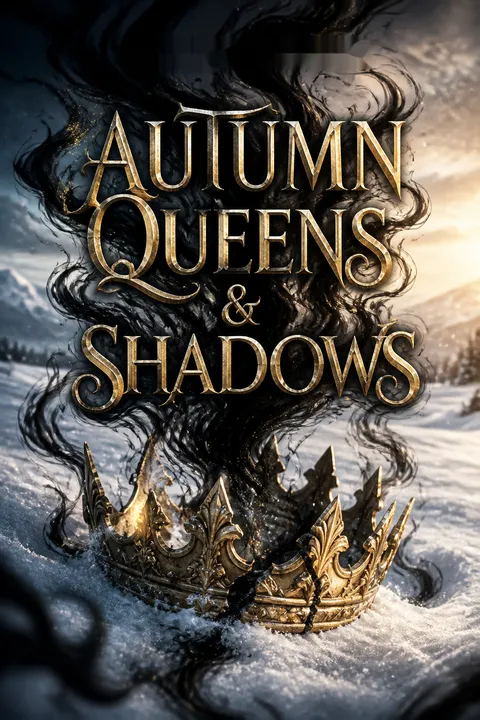
Autumn Queens & Shadows is a powerful meditation on trauma, healing, and the cost of leadership. Wendy Heiss crafts a world where magic is inseparable from pain, and where the scars of the past shape every choice in the present. The novel's greatest strength lies in its refusal to offer easy answers: love does not erase suffering, power does not guarantee safety, and forgiveness is a process, not a destination. Thora's journey is emblematic of the struggle to reclaim agency in the aftermath of abuse, to find strength in vulnerability, and to build a future not defined by the wounds of the past. The story's emotional arc is both harrowing and hopeful, offering readers the catharsis of seeing broken people choose each other, again and again, in the face of darkness. The lessons are clear: true power lies in compassion, healing requires honesty and courage, and the future belongs to those willing to break the cycle of pain. In the end, Autumn Queens & Shadows is a testament to the resilience of the human (and magical) heart, and a celebration of the messy, beautiful work of becoming whole.
Review Summary
Autumn Queens & Shadows follows Thora and Malik's relationship years after the main trilogy. Readers praised the emotionally complex romance between two traumatized characters, the return of beloved characters Snow and Kilian with their family, and Wendy Heiss's compelling writing. While most reviews rated it 4-5 stars, appreciating the angst and character development, some found the story felt rushed as a novella, wanted more resolution, or disliked toxic relationship dynamics and unexplored plot elements like Thora's trauma.
People Also Read

Characters
Thora Krigborn
Thora is the heart and soul of Isjord, a ruler shaped by loss, abuse, and the relentless demands of power. Her childhood was marked by violence and neglect, leaving her emotionally scarred and fiercely protective of those she loves. Thora's magic is both a gift and a curse, intimately tied to her pain and the land she rules. She is compassionate but ruthless when necessary, refusing to rule through fear but unafraid to wield it as a weapon. Her relationships are complex, especially with Malik, whose betrayal and return force her to confront her deepest wounds. Thora's journey is one of self-discovery, healing, and the reclamation of agency. She is both victim and victor, her strength found in vulnerability and her greatest power in the willingness to love and forgive.
Malik Castemont
Malik is Thora's equal in pain and power, a man marked by a brutal upbringing and the scars of war. His magic is tied to death and shadow, making him both feared and misunderstood. Malik's relationship with Thora is the axis around which his life turns—she is his addiction, his salvation, and his greatest regret. He struggles with self-loathing, addiction, and the fear of becoming his father. Malik's absence is a wound that never heals, and his return is both a blessing and a curse for Thora. He is fiercely loyal, willing to sacrifice everything for those he loves, but his inability to forgive himself often sabotages his happiness. Malik's arc is one of redemption, learning to accept love and to let go of the need to control or be needed.
Iskyla Krigborn
Iskyla is Thora's primary antagonist, a queen who seeks to reclaim the throne through violence, manipulation, and the exploitation of tradition. She is a mirror of what Thora might have become—a ruler who wields fear without compassion, who values power above all. Iskyla's attacks are both physical and psychological, designed to undermine Thora's legitimacy and provoke war. Her eventual defeat is not just a political victory but a moral one, affirming Thora's vision of leadership rooted in empathy and unity.
Snowlin Skygard
Snow is Thora's older sister, a force of nature in her own right. She is fiercely loyal, often serving as Thora's shield and confidante. Snow's own traumas mirror Thora's, but she copes through action and defiance rather than withdrawal. Her relationship with Kilian and her children is a source of strength and vulnerability. Snow's presence is a reminder that family can be both a source of pain and healing, and her unwavering support is crucial to Thora's survival.
Kilian Castemont
Kilian is Malik's brother and Snow's husband, a stabilizing force in a world of chaos. He is a skilled leader, a loving father, and a man haunted by his own past. Kilian's relationship with Malik is fraught with unspoken pain and loyalty, while his bond with Snow and their children is a model of the family Thora never had. Kilian's wisdom and patience are often the glue that holds the fractured cast together.
Elias Venzor
Elias is Thora's right hand, a man of integrity and quiet strength. He is deeply loyal, often serving as the voice of reason in the court's chaos. Elias's own unrequited love and personal sacrifices add depth to his character, making him more than just a political tool. His presence is a reminder that leadership is not a solitary endeavor, and that trust, once earned, is invaluable.
Neo
Neo is both a source of comfort and conflict for Thora. His ability to manipulate emotions is both a blessing and a danger, and his relationship with Thora is complicated by jealousy, loyalty, and the blurred lines between friendship and love. Neo's role as a surrogate for Malik during his absence highlights the dangers of dependence and the importance of honest connection.
Skadi
Skadi is a survivor, a woman who has endured exile, betrayal, and the ravages of dark magic. Her relationship with Thora is maternal, offering guidance, tough love, and the wisdom of experience. Skadi's eventual death is a profound loss, forcing Thora to confront the reality of mortality and the limits of even the strongest bonds.
Rain
Rain is the child of Snow and Kilian, a powerful young girl whose magic and innocence represent the possibility of healing and renewal. Her journey to the Arcane Academy at the story's end is a symbol of the future Thora and Malik have fought to secure—a future where trauma does not define destiny.
Isjord
Isjord is more than a setting; it is a reflection of Thora's soul, its heartbeat tied to hers, its fate bound to her choices. The land's suffering and renewal mirror Thora's own journey, and its ultimate healing is both a personal and political triumph.
Plot Devices
Duality of Power and Vulnerability
The narrative structure of Autumn Queens & Shadows is built on the tension between strength and fragility, both in individuals and in the land itself. Thora's magic is strongest when she embraces her pain, and her leadership is most effective when she allows herself to be seen. The interplay of myth and reality—embodied in the White Veil, the heartbeat beneath the land, and the resurrection of King Edric—serves as both foreshadowing and metaphor for the characters' internal struggles. The use of flashbacks and "the past" chapters deepens the emotional resonance, revealing the roots of trauma and the long shadow it casts. The story's climax—the duel, the crowning by the dead, the union of Isjord and Islines—is both a literal and symbolic resolution, uniting the fractured self and the divided kingdom.
The Auran Chronicles Series



About the Author
Other books by Wendy Heiss
Download PDF
Download EPUB
.epub digital book format is ideal for reading ebooks on phones, tablets, and e-readers.








































