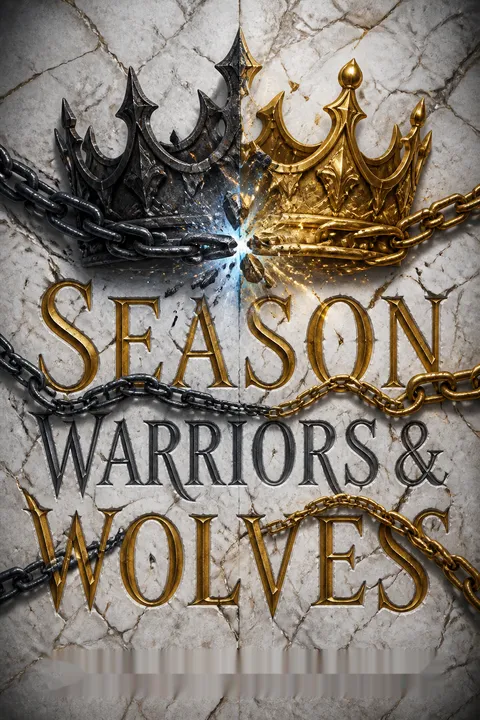

Plot Summary
Chains, Snakes, and Hatred
The story opens with Snowlin, the protagonist, chained and tortured in a dungeon, surrounded by snakes—a method of torment her father used to "train" her as a child. The physical pain is eclipsed by her burning hatred for her father and his allies, especially Melanthe, the witch who now holds power over her. Despite the agony, Snowlin's spirit is unbroken; her hatred is a source of strength, not weakness. The trauma of her past and the cruelty of her present are interwoven, revealing a character forged in suffering but refusing to be defined by it. The emotional landscape is raw, with Snowlin's pain, rage, and dark humor setting the tone for a narrative where survival is an act of defiance.
Bargains and Broken Bonds
Snowlin's captivity is not just physical but political. Her father, King Silas, and his court use violence, starvation, and psychological games to break her will, but she counters with cunning and manipulation. Old bargains—magical and personal—are broken, and new ones are forged in desperation. Snowlin's relationships with her tormentors are complex: she is both victim and threat, using her knowledge and wit to sow discord among her enemies. The chapter explores the cost of survival, the pain of betrayal, and the thin line between submission and strategy. Snowlin's grief for lost loved ones and her thirst for vengeance drive her to make dangerous choices, setting the stage for rebellion.
Crowns, Castles, and Control
Snowlin is paraded as the new heir to Isjord, a move by her father to consolidate power and control the narrative. The court is a stage for psychological warfare, with Snowlin refusing to play the obedient daughter. Her crowning is both a victory and a trap, as she is used as a pawn in her father's larger schemes. The chapter delves into the politics of power, the performance of loyalty, and the subtle ways Snowlin undermines her father's authority. The emotional tension is heightened by her longing for her husband, Kilian, and her brother-in-law, Mal, both held as leverage against her. The struggle for agency within the gilded cage of royalty is palpable.
Training, Truths, and Tactics
Forced to train under the watchful eyes of her enemies, Snowlin hones her skills while gathering intelligence. The training grounds become a battleground for old wounds and new alliances, as she learns the true extent of her family's involvement in dark magic and the creation of monstrous soldiers. The chapter is rich with revelations—about her brother's secret training, the origins of the beasts, and the vulnerabilities of her captors. Snowlin's interactions with allies and adversaries alike are fraught with tension, as trust is a rare commodity. The emotional core is her determination to protect those she loves, even as she is forced to confront the darkness within herself.
Sceptres, Dragons, and Fire
Snowlin is sent to retrieve a piece of the Octa Virga sceptre, a weapon of immense power. Her journey takes her through ruined lands, cursed by divine wrath, where she encounters a dragon—both a symbol of destruction and hope. The trials she faces are as much psychological as physical, forcing her to confront her fears and the legacy of her bloodline. The chapter explores the burden of destiny, the temptation of power, and the cost of violence. Snowlin's choices have far-reaching consequences, as she must decide whether to perpetuate cycles of destruction or seek a different path. The emotional stakes are raised by her encounters with the remnants of past tragedies and the possibility of redemption.
Witches, Veils, and Betrayals
The narrative shifts to the machinations of Melanthe and her coven, who use veils of illusion and dark craft to manipulate events. Snowlin navigates a labyrinth of betrayals, both magical and personal, as she seeks to outwit her enemies and free her allies. The chapter is a study in trust and deception, as old friends become foes and unlikely partnerships are formed. The emotional landscape is one of paranoia and resilience, as Snowlin must rely on her instincts and the few she can trust. The tension between loyalty to family and the demands of survival is ever-present, culminating in acts of both mercy and ruthlessness.
Blood, Beasts, and Rebellion
As Isjord's armies—augmented by dark magic and monstrous transformations—march to war, Snowlin and her allies ignite rebellion from within. The chapter is marked by scenes of chaos and carnage, as the lines between human and beast blur. The emotional toll of violence is explored through the eyes of those forced to fight, those who resist, and those who are lost. Snowlin's leadership is tested as she must make impossible choices, sacrificing pawns for the greater good. The rebellion is both a physical and moral battle, with the fate of kingdoms hanging in the balance. The cost of resistance is measured in blood and broken bonds.
Allies, Losses, and Laughter
In the aftermath of battle, Snowlin and her allies regroup, forging new alliances with neighboring kingdoms and old enemies. The chapter balances the grief of loss with the solace of camaraderie, as moments of laughter and love offer respite from the horrors of war. The emotional arc is one of healing and hope, as characters find strength in each other and in the possibility of a better future. The narrative explores the importance of community, the power of forgiveness, and the resilience of the human spirit. The bonds formed in adversity become the foundation for the final confrontation.
War Games and Warnings
As the final battle approaches, Snowlin and her allies engage in a deadly game of strategy, anticipating the moves of their enemies and the interventions of gods. Prophetic visions and warnings from seers add layers of uncertainty, as the future is revealed to be both malleable and perilous. The chapter is a meditation on fate and free will, as characters grapple with the knowledge of possible outcomes and the weight of their choices. The emotional tension is heightened by the fear of loss and the hope for victory, as the stakes become existential. The narrative builds toward a climax where every move could mean salvation or ruin.
Lightning, Darkness, and Love
The final confrontation is a symphony of elemental forces—lightning, darkness, fire, and ice—as Snowlin, Kilian, and their allies face Aurora, Vas, and the monstrous armies. The battle is both epic and intimate, as personal vendettas and ancient prophecies collide. Snowlin's power, once sealed, is unleashed in full, threatening to consume her and everything she loves. Kilian's darkness is both shield and sword, but even he cannot contain the storm forever. The emotional core is the love between Snowlin and Kilian, tested to its limits as they face the possibility of losing each other. The chapter is a meditation on sacrifice, the price of power, and the hope that love can endure even in the face of annihilation.
Endings, Sacrifices, and Survival
In the wake of victory, the survivors are left to count the cost. The dead are mourned, the wounded tended, and the scars—physical and emotional—begin to heal. Snowlin and Kilian, both brought back from the brink, must learn to live with the consequences of their choices and the burdens of leadership. The chapter explores the themes of forgiveness, redemption, and the possibility of new beginnings. The emotional arc is one of bittersweet relief, as the characters find solace in each other and in the hope of a future free from tyranny and fear. The struggle to rebuild is both external and internal, as the wounds of war linger.
Healing, Hope, and New Beginnings
The kingdoms begin the slow process of reconstruction, forging new alliances and redefining old relationships. Snowlin, Kilian, and their friends and family find moments of joy and laughter amidst the work of healing. The chapter is a celebration of resilience, the power of community, and the importance of hope. The emotional tone is one of cautious optimism, as the characters dare to dream of a world where love and justice prevail. The narrative honors the sacrifices made and the lessons learned, offering a vision of a future shaped by compassion and courage.
Legacies, Thrones, and Futures
The story concludes with the passing of crowns and the forging of new destinies. Thora is crowned Queen of Isjord, embodying the hope for a better future. Eren chooses a path of service and healing, while Mal and the others find their own places in the new world. Snowlin and Kilian, now parents, look to the future with both gratitude and trepidation, knowing that the work of healing and protecting their world is never truly done. The final scenes are a testament to the enduring power of love, the importance of legacy, and the belief that even in the aftermath of darkness, light can be found.
Analysis
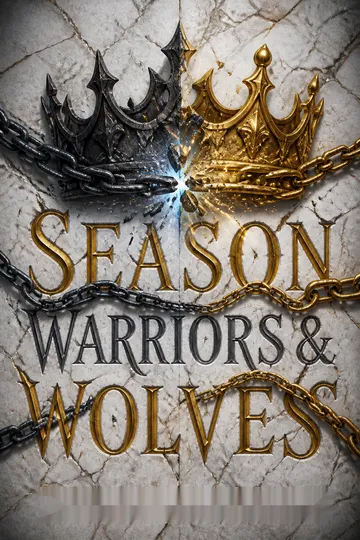
Season Warriors & Wolves is a sweeping epic that interrogates the nature of power, trauma, and healing through the lens of high fantasy. At its core, the novel is a meditation on survival—not just of individuals, but of communities, legacies, and hope itself. Wendy Heiss crafts a world where violence is both a tool and a curse, and where the scars of the past are never fully erased. The story's emotional arc is driven by the tension between love and duty, vulnerability and strength, and the longing for both justice and peace. The characters are deeply human, even when wielding godlike power, and their struggles are as much internal as external. The novel's lessons are clear: true strength lies in the willingness to heal, to forgive, and to hope. The cost of survival is high, but the possibility of new beginnings—of laughter, love, and legacy—makes the struggle worthwhile. In a modern context, the book resonates as a call to confront cycles of violence, to value community over conquest, and to believe in the transformative power of compassion.
Review Summary
Season Warriors & Wolves receives overwhelmingly positive reviews with an average of 4.34/5 stars. Readers praise the satisfying conclusion to Snowlin and Kilian's story, highlighting the complex worldbuilding, compelling romance, and found family dynamics. Many applaud Snow's character development from villain to anti-hero and Kilian's unwavering devotion. Common criticisms include pacing issues with a dragging middle section, underdeveloped villains (Silas and Melanthe), confusing character names, and some plot points feeling rushed while others were overextended. Despite minor flaws, fans celebrate the emotional epilogue and eagerly anticipate novellas featuring side characters like Mal and Thora.
People Also Read
Characters
Snowlin Skygard
Snowlin is the heart of the narrative—a woman forged in pain, defined by resilience, and driven by a complex blend of love, rage, and duty. Daughter of King Silas, she is both his victim and his greatest threat, embodying the legacy of her bloodline and the burden of prophecy. Her relationships are fraught: she is a sister, wife, and leader, torn between the demands of power and the longing for personal freedom. Psychologically, Snowlin is marked by trauma, but her refusal to be broken is her defining trait. Her arc is one of transformation—from pawn to queen, from survivor to savior—culminating in acts of ultimate sacrifice and redemption. Her love for Kilian is both her anchor and her vulnerability, and her journey is a testament to the power of hope in the face of despair.
Kilian Castemont
Kilian is Snowlin's husband and the King of Adriata, a man whose power over darkness is matched only by his devotion to those he loves. His relationship with Snowlin is the emotional core of the story, a partnership forged in adversity and tested by war. Kilian's psychological complexity lies in his struggle to balance the demands of leadership with the needs of his heart. He is haunted by guilt and the fear of loss, but his willingness to sacrifice for others is his greatest strength. His arc is one of learning to trust, to let go, and to believe in the possibility of happiness. Kilian's darkness is both a weapon and a shield, and his journey is a meditation on the duality of power and vulnerability.
Mal (Malik) Castemont
Mal is Kilian's brother and Snowlin's closest ally, a man whose humor masks deep wounds. As a master of death magic, Mal is both feared and misunderstood, struggling with addiction, guilt, and the weight of his own power. His relationship with Thora is a source of both pain and healing, as he learns to accept love and responsibility. Mal's arc is one of self-discovery, as he moves from self-destruction to self-acceptance, finding purpose in service and sacrifice. His loyalty to family is unwavering, and his journey is a testament to the possibility of redemption.
Thora Krigborn
Thora is Snowlin's younger sister, a character who embodies both vulnerability and strength. Her journey from sheltered child to Queen of Isjord is marked by trauma, resilience, and the struggle to define her own identity. Thora's relationship with Mal is a source of growth for both, as they navigate the complexities of love, trust, and healing. Psychologically, Thora is shaped by the expectations of her family and the scars of her past, but her determination to protect others and claim her own destiny is her defining trait. Her arc is one of empowerment, as she learns to wield her power and her voice.
Eren Krigborn
Eren is Snowlin and Thora's brother, a man marked by guilt and the desire for atonement. His experiences in war and exile have left him scarred, both physically and emotionally, but his commitment to healing and service is unwavering. Eren's relationships are defined by both love and distance, as he struggles to reconcile his past with his hopes for the future. His arc is one of reconciliation, as he learns to forgive himself and embrace the possibility of happiness. Eren's journey is a meditation on the cost of violence and the power of compassion.
Melanthe Delcour
Melanthe is the architect of much of Snowlin's suffering, a witch whose ambition and cruelty are matched only by her own wounds. Her relationship with Silas is one of mutual exploitation, and her manipulation of magic and people is both her strength and her undoing. Psychologically, Melanthe is driven by envy, fear, and the desire for control, but her ultimate fate is a cautionary tale about the dangers of unchecked power. Her arc is one of hubris and downfall, as she is ultimately undone by the very forces she sought to command.
Silas Krigborn
Silas is Snowlin's father and the primary antagonist, a king whose pursuit of power is relentless and destructive. His psychological profile is one of narcissism, paranoia, and the inability to love or trust. Silas's relationships are transactional, and his legacy is one of pain and division. His arc is a study in the corrosive effects of power and the inevitability of downfall. Silas is both a product and a perpetuator of cycles of violence, and his defeat is both a personal and political victory for the protagonists.
Visha Delcour
Visha is a complex figure, torn between loyalty to her coven and her growing allegiance to Snowlin. Her mastery of craft and her knowledge of ancient magic make her indispensable, but her emotional distance and fear of vulnerability are obstacles she must overcome. Visha's arc is one of learning to trust, to risk, and to care. Her relationship with Penelope and her role in the final battle are testaments to her growth and the importance of community.
Nia Drava
Nia is Snowlin's closest friend, a healer whose compassion and wisdom are vital to the survival of the group. Her relationship with Moriko is a source of joy and stability, and her role as a mediator and counselor is crucial. Nia's arc is one of quiet strength, as she navigates the demands of war and the needs of those she loves. Her journey is a reminder of the power of kindness and the importance of self-care.
Aurora
Aurora is both a victim and a threat, a being of immense power whose existence is a curse and a catalyst for conflict. Her relationship with Vas is marked by obsession and tragedy, and her role as the ultimate weapon forces the protagonists to confront the limits of power and the dangers of unchecked ambition. Aurora's arc is one of suffering and release, as she is ultimately freed from her role as a tool of destruction.
Plot Devices
Duality of Power and Vulnerability
The narrative structure is built around the interplay of power and vulnerability, both in the personal and political spheres. Characters are constantly forced to confront the limits of their abilities, the consequences of their choices, and the necessity of relying on others. Foreshadowing is used to heighten tension, with prophetic visions and warnings hinting at possible outcomes and the dangers of hubris. The use of magical seals, bargains, and curses serves as both plot mechanisms and metaphors for psychological barriers and the struggle for agency. The story's structure—mirroring a chess game—emphasizes the strategic nature of survival and the importance of sacrifice, with each move carrying the weight of potential loss or victory.
The Auran Chronicles Series
About the Author
Other books by Wendy Heiss
Download PDF
Download EPUB
.epub digital book format is ideal for reading ebooks on phones, tablets, and e-readers.








































