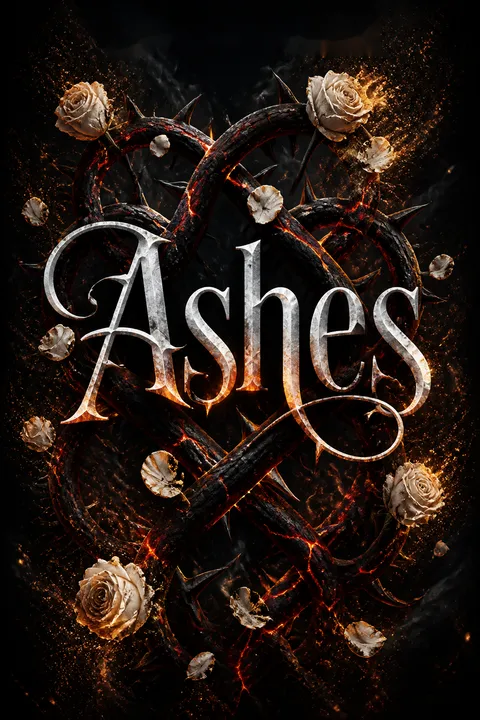

Plot Summary
Childhood Bonds, Broken Promises
In the gritty neighborhood of Harley, four children—Casey, Vail, Lee, and Shaw—forge a fierce, loyal friendship, their weekly sleepovers a sanctuary from the violence and neglect that surrounds them. Each child carries scars: Vail's rage at his abusive father, Lee's poverty, Shaw's trauma, and Casey's resilience in the face of her mother's struggles. Their bond is tested by a harrowing home invasion, where the children defend themselves and each other, cementing their connection. Yet, as they grow, the world's harshness threatens to pull them apart. When Casey's mother finds a way out, promising a better life, the friends vow to stay close. But childhood promises are fragile, and the pain of separation will haunt them all.
Night of Violence
During a sleepover, the children's fragile sense of safety is destroyed when a drug-addled intruder breaks in. The kids, led by Vail's fierce protectiveness, fight back with desperate courage. The violence leaves them bloodied and traumatized, but also reveals the depth of their loyalty. The aftermath is chaos: police, paramedics, and the realization that the adults meant to protect them are often powerless or absent. The event marks a turning point, especially for Casey, whose mother's injuries and the system's indifference force her to rely on her friends more than ever. The night's terror lingers, shaping their fears and their need for each other.
New Life, Old Wounds
Casey's mother remarries, moving them to the affluent Hill, a world away from Harley's violence. But privilege brings its own cruelties. At her new school, Casey is bullied and ostracized for her origins. Her only solace is Nylah, a persistent, kind-hearted friend who refuses to let Casey push her away. Yet, the pain of being abandoned by her old friends—who never call or visit—cuts deeper than any insult. Casey's longing for her lost family is matched only by her determination to survive. When tragedy strikes and her mother and stepfather are killed in a car accident, Casey is left adrift, forced back toward the darkness she thought she'd escaped.
The Hill and the Fall
Casey's world collapses with her mother's death. The system, cold and bureaucratic, sends her back to her biological father, Keith—a man defined by addiction and bitterness. The contrast between the warmth of her life on the Hill and the bleakness of Harley is stark. Casey is forced to navigate a home that is both physically and emotionally hostile, her only comfort the memory of her childhood friends. The return is not a homecoming, but a descent into survival mode. The city's violence has only grown, and Casey must relearn the rules of a world she barely remembers, all while grieving and feeling utterly alone.
Forced Return to Harley
Casey's reentry into Harley Institute is brutal. She is immediately marked as an outsider—"princess" from the Hill—by both students and staff. Bullied by Celeste and her clique, harassed by predatory boys, and ignored by teachers, Casey's every day is a test of endurance. The school is ruled by gangs and crews: the Jackals, tied to the city's criminal underworld, and Vendetta, a group that claims to protect their own. Casey's plan is simple: keep her head down, survive, and escape when she turns eighteen. But Harley is a place where neutrality is not an option, and the past is never far behind.
Outcast Among Wolves
Casey's attempts to remain invisible fail. She is targeted by Celeste, who steals from her and orchestrates attacks, and by Hunter, the Jackals' leader, whose interest is both threatening and obsessive. The school's violence is casual, its cruelty routine. Yet, Casey finds an unlikely ally in Meredith, a blue-haired outcast with ties to Vendetta. Through her, Casey learns the rules of survival: pick a side, or be picked off. The school's divisions mirror the city's, and the threat of real violence—girls disappearing, rumors of trafficking—looms over every interaction. Casey's resilience is tested, but her refusal to break only makes her a bigger target.
Vendetta and Jackals
The school's power struggle is a microcosm of the city's criminal wars. The Jackals, backed by the Celtic Beasts MC and the Faceless, are ruthless, using girls as currency and violence as language. Vendetta, led by Vail, Lee, and Shaw—now hardened, dangerous young men—claims to protect the vulnerable, but their methods are just as fierce. When Casey is nearly assaulted by the Jackals, it is Vendetta who saves her, revealing their true identities as her childhood friends. The reunion is fraught with pain and anger: years of abandonment, betrayal, and longing boil over. But the old bond is not easily broken, and together, they must navigate a world where trust is a rare and precious commodity.
Reunion and Resentment
The reunion with Vail, Lee, and Shaw is as painful as it is healing. The boys are changed—scarred by violence, loss, and the burden of leadership. Their initial hostility masks deep hurt: they shut Casey out to protect her, believing she deserved a better life. But the city's darkness has only grown, and their need for each other is as desperate as ever. As Casey is drawn back into their orbit, old feelings resurface—love, jealousy, and the ache of what was lost. Together, they form a new family, bound by trauma and fierce loyalty, but haunted by the knowledge that survival may demand impossible choices.
Surviving the Gauntlet
Casey's days are a gauntlet of threats: Celeste's escalating violence, Hunter's predatory obsession, and the ever-present danger of being claimed by one gang or another. Vendetta's protection comes at a price—obedience, submission to their rules, and the constant risk of retaliation. The boys' love is possessive, sometimes suffocating, but it is also the only thing keeping her safe. As the city's violence spills into the school—shootings, lockdowns, and disappearances—Casey must decide how much of herself she is willing to sacrifice to survive. The line between protector and jailer blurs, and the cost of safety grows higher.
Choosing Sides
Casey is forced to choose: align with Vendetta and accept their protection, or risk being swallowed by the Jackals and the criminal world they serve. The choice is not just about survival, but about identity—who she is, and who she wants to become. As she is drawn deeper into Vendetta's world, she learns the truth about the city's corruption: the Faceless control everything, and the girls who disappear are never seen again. The boys' love becomes a lifeline, but also a source of conflict, as old rivalries and new desires threaten to tear them apart. In the end, Casey chooses family—imperfect, broken, but hers.
The Price of Protection
Protection in Harley comes with strings. Casey's relationship with Vail, Lee, and Shaw deepens, becoming a complicated, passionate tangle of love and need. Their bond is both sanctuary and prison, as the boys' possessiveness sometimes mirrors the control of the gangs they fight. The threat of violence is constant, and the cost of defiance is high. When Casey is nearly trafficked by the Jackals, the boys' rage is unleashed, and the line between justice and vengeance blurs. The city's darkness seeps into their lives, and every act of love is also an act of defiance against a world that wants to destroy them.
The Past Never Dies
As the violence escalates, the past resurfaces in unexpected ways. Casey discovers the truth about her parentage—her real father is a leader of the Celtic Beasts, and her brother was the first to defy Elias, the Faceless' kingpin. The revelation shatters her sense of self, but also gives her new strength. The boys, too, are forced to confront their own demons: Vail's capacity for violence, Lee's need for control, Shaw's trauma. Together, they must decide what kind of family they want to be, and what they are willing to do to protect each other. The city's war becomes personal, and the stakes are life and death.
The Club's Shadow
The city's criminal underworld closes in. The Faceless, through the Beasts and the Jackals, orchestrate a campaign of terror: bombings, shootings, and the systematic abduction of girls. Vendetta, with the help of the Black Spades MC, fights back, but the cost is high. Allies are lost, and the line between friend and enemy blurs. Casey and the boys are drawn into a world of violence and betrayal, where every choice is a gamble. The club's shadow falls over everything, and the only way out may be through blood.
Fire and Faceless
A coordinated attack on Harley Institute—explosions, gunfire, and the abduction of girls—marks the city's descent into chaos. Casey is taken, along with others, and the boys are left to fight their way through fire and death to save her. The Faceless reveal their true power, and the city's institutions—police, schools, government—are shown to be complicit or powerless. The violence is overwhelming, and survival is no longer guaranteed. The bonds of family are tested to the breaking point, and the cost of resistance is paid in blood.
Captivity and Revelation
In captivity, Casey discovers the full extent of the Faceless' depravity: the girls are to be trafficked, and her own value is as a pawn in a decades-old vendetta. She meets her real father, Sheik, and learns of her brother's sacrifice. The Beasts, torn between loyalty and survival, must choose whether to defy Elias and save the girls. The arrival of Maverick and the Black Spades offers a glimmer of hope, but escape will require courage, sacrifice, and the willingness to trust old enemies. The past and present collide, and Casey must decide who she is, and what she is willing to fight for.
Blood and Escape
The escape is chaos: explosions, gunfire, and the deaths of friends and enemies alike. The Beasts and Spades sacrifice themselves to save the girls, and Casey and her boys barely make it out alive. The city burns behind them, and the cost of freedom is written in blood. The trauma of what they have endured binds them even tighter, but also leaves scars that may never heal. The world they knew is gone, and the future is uncertain. But for the first time, they are free—if only for a moment.
Sanctuary in Exile
Fleeing Ashland, Casey and her boys find sanctuary in Florida, under the protection of new allies. The trauma of their past lingers, but the warmth of the sun and the promise of safety offer hope. They build a new life together, forging a family out of the ashes of their old one. The threat of the Faceless remains, but for now, they are beyond his reach. The bonds between Casey, Vail, Lee, and Shaw deepen, becoming a love that is both healing and transformative. Together, they learn to trust, to hope, and to dream of a future that is finally their own.
Family, Forged in Ashes
In exile, Casey and her boys create a new family, bound by love, loyalty, and the shared scars of survival. Their relationship, unconventional and passionate, is a testament to the power of chosen family. The past is never truly gone, but together, they find the strength to move forward. As Vail proposes, and the others pledge their love, Casey realizes that home is not a place, but the people who fight for you, bleed for you, and love you without condition. In the ashes of their old life, they build something new—fragile, imperfect, but fiercely, beautifully theirs.
Analysis
"Ashes" is a raw, unflinching exploration of trauma, survival, and the power of chosen family. Set against the backdrop of a city rotting from the inside—where institutions fail, and violence is both currency and language—the novel asks what it means to love, to protect, and to endure. Through Casey's journey, we see the cost of resilience: the scars that never fully heal, the compromises made for safety, and the ways in which love can be both a lifeline and a chain. The reverse harem dynamic is not just a romantic fantasy, but a radical act of survival—a refusal to be alone in a world that wants to break you. The story's darkness is leavened by moments of tenderness, humor, and hope, and its ultimate message is one of defiance: that even in the ashes of a ruined life, it is possible to build something new, something fiercely, imperfectly beautiful. "Ashes" is a testament to the strength of those who refuse to be defined by their suffering, and a call to find family wherever you can, even if you have to fight for it.
Review Summary
Ashes receives mixed reviews averaging 3.96/5 stars. Many readers loved the previous Torment duet but found this reverse harem installment disappointing. Common criticisms include underdeveloped characters, lack of chemistry between Casey and her three love interests (Vail, Lee, Shaw), a convoluted gang plot, and excessive similarities to the original duet. Reviewers felt the book lacked the psychological depth and darkness of Torment. However, some praised the childhood-friends-to-lovers dynamic, Casey's strong personality, and Dylan Page's writing style. Most agreed Shaw was the standout hero, though character development felt rushed overall.
People Also Read





Characters
Casey Cooper
Casey is the emotional core of the story—a girl forged in hardship, whose resilience is both her shield and her burden. Her childhood in Harley taught her to fight, to endure, and to love fiercely. The trauma of abandonment by her friends, the violence of her home, and the loss of her mother leave deep scars, but also a fierce determination to survive. Casey's journey is one of reclaiming agency: from victim to protector, from outcast to leader. Her relationships with Vail, Lee, and Shaw are complex—equal parts love, need, and shared pain. She is both a masterpiece and a work in progress, learning to trust, to forgive, and to choose her own family.
Vail St. James
Vail is the group's natural leader—charismatic, strategic, and fiercely protective. His childhood was marked by abuse and rage, culminating in the killing of his father to save his mother. This act, both heroic and traumatic, shapes his identity: he is willing to do whatever it takes to protect those he loves, but fears the darkness within himself. Vail's love for Casey is possessive, passionate, and sometimes overwhelming, but it is also his salvation. He struggles with control, both of himself and of others, and his journey is one of learning to lead with love, not just strength. His vulnerability is his greatest gift, and his greatest fear.
Lee Knight
Lee is the group's heart—a big, strong, gentle soul who craves connection and acceptance. His poverty and family struggles make him fiercely loyal, and his love for Casey is both tender and playful. Lee's strength is both physical and emotional: he is the one who comforts, who holds the group together when things fall apart. Yet, he also struggles with jealousy and the fear of being left behind. His relationship with Casey is marked by a deep, almost childlike affection, but also a growing maturity as he learns to share, to trust, and to fight for his place in the family.
Shaw Bishop
Shaw is the most damaged, and the most dangerous, of the group. His childhood abuse leaves him with deep psychological scars—touch-averse, prone to dissociation, and haunted by nightmares. Yet, his loyalty is absolute, and his love for Casey is pure and desperate. Shaw's violence is a response to trauma, a way to reclaim power in a world that took it from him. He is both protector and avenger, willing to do anything for those he loves. His journey is one of healing, learning to trust, to accept love, and to believe that he is worthy of happiness.
Nylah Bryant
Nylah is Casey's lifeline during her years on the Hill—a friend who refuses to give up, who sees through Casey's defenses and offers unconditional support. Her own struggles—balancing ambition, family, and the pressures of being a Black girl in a white world—mirror Casey's, but her optimism and kindness are a source of strength. Nylah represents the possibility of a better life, and her absence is a wound that never fully heals. Her presence in the story is a reminder that family is not just blood, but the people who choose you.
Meredith Nadeau
Meredith is Casey's first true ally in Harley—a blue-haired, sharp-tongued survivor with her own scars. As a member of Vendetta and a young mother, Meredith embodies resilience and the power of chosen family. Her relationship with Haldon and her daughter Amelie is a rare source of joy in a bleak world. Meredith's honesty, humor, and loyalty make her a vital part of Casey's new life, and her willingness to fight for others is both inspiring and heartbreaking.
Hunter Tremblay
Hunter is the embodiment of Harley's darkness—a boy shaped by abuse, neglect, and the lure of power. As leader of the Jackals, he is both predator and victim, using violence and control to survive. His obsession with Casey is both threatening and pitiable, a twisted reflection of his own longing for love and acceptance. Hunter's choices are shaped by desperation, and his descent into criminality is both inevitable and tragic.
Celeste Wood
Celeste is the school's reigning mean girl—a master manipulator who uses cruelty to maintain her status. Her attacks on Casey are driven by insecurity and the fear of being replaced. Celeste's alliance with the Jackals and her willingness to betray other girls make her both a villain and a victim of the system. Her eventual downfall is a cautionary tale about the cost of power built on the suffering of others.
Maverick Mathers
Maverick is the president of the Black Spades MC—a man haunted by loss, but determined to do right by the next generation. His alliance with Vendetta is a lifeline, offering resources, protection, and wisdom. Maverick's death is a devastating blow, but his legacy endures in the courage and resilience of those he helped save. He represents the possibility of redemption, even in a world defined by violence.
James "Sheik" O'Hare
James is Casey's real father—a leader of the Celtic Beasts, torn between loyalty to his club and the need to protect his daughter. His past mistakes haunt him, and his relationship with Casey is fraught with regret and longing. James's decision to defy Elias and save the girls is an act of redemption, a final attempt to do right by the family he never knew. His sacrifice is both tragic and necessary, a reminder that even the most broken people can choose to be heroes.
Plot Devices
Nonlinear Narrative and Dual Timelines
The novel employs a nonlinear structure, moving between childhood memories and present-day events. This device allows the reader to see how past trauma shapes the characters' present choices, and how the bonds formed in childhood are both a source of strength and a source of pain. The dual timelines create suspense, as revelations in the past foreshadow consequences in the present, and vice versa. The structure mirrors the characters' psychological states—fragmented, haunted, and always looking back.
Reverse Harem and Polyamory
The story's central relationship is a reverse harem: Casey is loved by, and loves, three men. This device is not just for titillation, but a reflection of the characters' need for connection, safety, and healing. The polyamorous dynamic allows for the exploration of jealousy, loyalty, and the ways in which love can be both a refuge and a source of conflict. The boys' willingness to share Casey is both a testament to their bond and a challenge to traditional notions of family and romance.
Gangs, Crews, and Social Hierarchies
The school's social order—divided into gangs, crews, and groupies—mirrors the city's criminal underworld. The use of these structures as plot devices allows the author to explore themes of power, survival, and the ways in which violence is normalized. The constant threat of being "claimed" or "protected" is both literal and metaphorical, reflecting the characters' struggle for agency in a world that wants to control them.
Foreshadowing and Symbolism
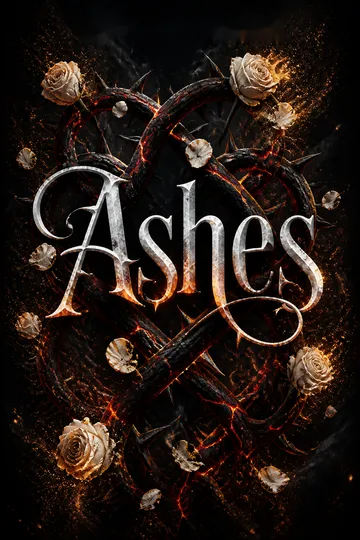
The recurring imagery of fire, ashes, and burning serves as both foreshadowing and metaphor. The city's descent into chaos is mirrored by the burning of the school, the destruction of old lives, and the forging of new ones in the ashes. The motif of ashes symbolizes both loss and the possibility of renewal—a family forged in fire, rising from the ruins of the past.
Trauma and Healing
The novel's plot is driven by trauma—abuse, abandonment, violence—and the ways in which the characters use love, loyalty, and even violence itself to heal. The cycles of abuse are both perpetuated and broken, and the characters' journeys are defined by their ability to confront, survive, and ultimately transcend their pain. The story does not shy away from the darkness, but insists that healing is possible, even if it is never complete.
The Bleeding Hearts Series
About the Author


Download PDF
Download EPUB
.epub digital book format is ideal for reading ebooks on phones, tablets, and e-readers.








































