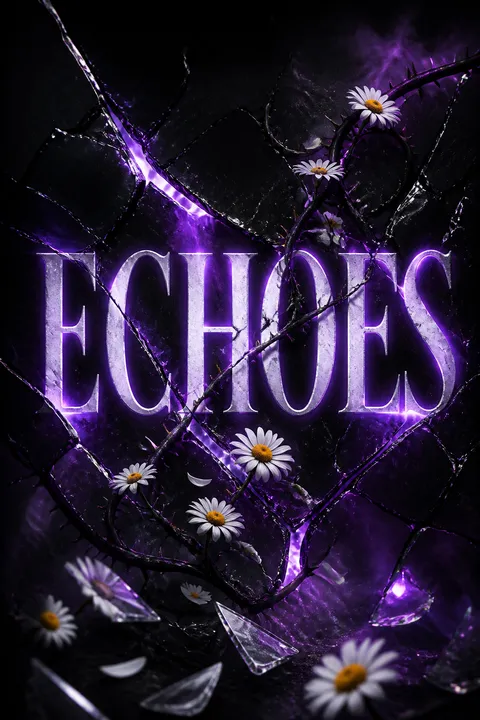

Plot Summary
Broken Roots, Shattered Truths
Hayden's childhood is upended when his classmates discover the dark truth about his family: his biological father was a gang member who died by suicide, and his grandfather's criminal past is exposed. The betrayal by his mother, who kept these secrets, stings deeply. Ostracized and bullied, Hayden is forced to confront his identity as the "freak" with a murderer for a father. The pain of being different, of not belonging even in his own family, is compounded by the cruelty of children and the silence of adults. This trauma plants the seeds of rage and self-doubt, and Hayden's sense of self fractures as he wonders if he's doomed to repeat the sins of his bloodline.
The Girl Who Fights
During a brutal schoolyard attack, Hayden is rescued by a mysterious girl who stands up for him when no one else will. Her intervention is swift and selfless, and though Hayden is too shocked to thank her, her act of kindness becomes a pivotal memory. She disappears as quickly as she arrived, but her courage lingers, a beacon of hope in Hayden's bleak world. This fleeting connection—one soul reaching out to another in pain—plants the idea that not everyone is cruel, and that sometimes, the smallest acts of bravery can echo for years.
Haunted by Bloodlines
As a teenager, Hayden is haunted by the legacy of his father's violence and his own growing anger. He visits his father's grave, torn between resentment and longing for understanding. The voices in his head—echoes of trauma and inherited darkness—urge him toward violence, but he resists, desperate not to become the monster everyone fears. His family's love is a lifeline, but the isolation at school and the weight of his reputation as "dangerous" threaten to pull him under. Hayden's struggle is not just with others, but with himself.
Outcasts and Armor
Hayden adopts his father's old jacket and dog tags as armor, warning others to keep their distance. The bullying stops, replaced by fear and isolation. He becomes an outcast, both protected and imprisoned by his reputation. Meanwhile, Maddy, a girl scarred by neglect and abuse, bounces through the foster system, learning to trust no one. Her mother's instability and the betrayals of adults have left her wary and withdrawn. Both Hayden and Maddy are survivors, shaped by pain, and their paths are set on a collision course.
Phoenix House Sanctuary
Maddy arrives at Phoenix House, a foster home run by women who genuinely care. The environment is safer than any she's known, but her trauma lingers. She struggles to trust, haunted by memories of abuse and the constant fear of being hurt again. The other girls carry their own scars, and together they form a tentative community. Maddy's longing for safety and family is palpable, but she remains on guard, always ready to run. The house offers a glimpse of what could be, but healing is a slow, uncertain process.
Unseen Wounds, Unspoken Pain
Both Hayden and Maddy navigate high school as outsiders, marked by invisible wounds. Hayden's reputation keeps most at bay, but he watches over the vulnerable, especially the girls from Phoenix House. Maddy, meanwhile, is targeted by cruel boys and manipulative girls, her fear of touch and panic attacks making her an easy mark. Their pain is mirrored in each other, and when their paths cross again, a strange familiarity draws them together. They recognize the darkness in each other, and a fragile trust begins to form.
Collision of Pasts
A chance encounter in photography class brings Hayden and Maddy together. Their shared assignment leads them to spend time alone, and the sense of déjà vu is strong. Both are wary, but small acts of understanding—Hayden noticing Maddy's discomfort with touch, Maddy seeing through Hayden's tough exterior—begin to break down their defenses. Their conversations are tentative, but honest, and they find solace in each other's presence. The connection is electric, but haunted by the fear of being hurt or abandoned.
The Weight of Rumors
As Hayden and Maddy grow closer, the school's rumor mill turns its attention to them. Jealousy, resentment, and old grudges fuel a campaign of whispers and threats. Maddy is targeted by Ayla and her clique, while Hayden's old nemesis, Theo, plots revenge. The violence escalates, culminating in a brutal attack on Maddy in the girls' bathroom. Hayden intervenes, but the fallout is swift—suspensions, accusations, and the ever-present threat of being labeled a monster. The world seems determined to keep them apart, but their bond only deepens.
Violence and Vengeance
Hayden's protective instincts turn violent when Maddy is assaulted. He exacts brutal revenge on her attacker, Lucas, sending a message that the girls from Phoenix House are off-limits. The act brings him both relief and shame, as he fears becoming the very thing he despises. Maddy, meanwhile, is both grateful and unsettled by Hayden's capacity for violence. Their relationship is tested by the darkness they both carry, and the line between justice and vengeance blurs. The past refuses to stay buried, and the cycle of pain threatens to repeat.
Finding Each Other
Despite the chaos around them, Hayden and Maddy find comfort in each other. Their relationship deepens, built on honesty, vulnerability, and a shared understanding of pain. They become each other's safe haven, learning to trust and to hope. Their intimacy is both healing and terrifying, as they confront the scars left by others. Together, they begin to imagine a future beyond survival—a life where they are more than the sum of their wounds.
Healing in the Shadows
As graduation approaches, both Hayden and Maddy are forced to confront their deepest fears. Maddy's mother dies by suicide, plunging her into grief and guilt. Hayden, haunted by his father's legacy and Theo's escalating threats, teeters on the edge of despair. With the support of Hayden's family and the community at Phoenix House, they begin to heal. Forgiveness—of themselves and others—becomes the key to breaking the cycle of pain. They learn that healing is not forgetting, but choosing to live despite the scars.
The Festival's Reckoning
At the town's Spring Festival, old rivalries and new betrayals come to a head. Theo's obsession with revenge leads to a deadly confrontation, and Hayden is pushed to his breaking point. Maddy is caught in the crossfire, and the violence threatens to destroy everything they've built. The intervention of Hayden's family and the community averts tragedy, but not without cost. The events force everyone to reckon with the consequences of their actions, and the true meaning of justice and redemption.
Loss, Grief, and Guilt
In the aftermath of violence, Hayden and Maddy are left to pick up the pieces. The loss of loved ones, the weight of guilt, and the fear of repeating old patterns threaten to overwhelm them. But with each other's support, and the unwavering love of their chosen family, they begin to let go. They honor the dead, forgive the living, and choose to move forward. The journey is painful, but necessary, and they emerge stronger for it.
The Final Test
As graduation nears, Hayden and Maddy face one last test. Theo's final act of vengeance pushes Hayden to the brink, and he must choose between succumbing to the darkness or fighting for his future. Maddy, too, is tested—by grief, by the cruelty of others, and by her own doubts. Together, they find the strength to stand up for themselves and each other, refusing to be defined by their pain. Their love becomes an act of defiance, a promise that they will not be broken.
The Brink of Despair
Theo's manipulation brings Hayden to the edge of suicide, echoing the fate of his father. In a moment of crisis, the voices of the past and the love of the present collide. Maddy's intervention—her refusal to let him go—pulls Hayden back from the abyss. The cycle of violence is broken, not by revenge, but by compassion and connection. The choice to live, to keep fighting, becomes an act of courage and hope.
Choosing to Live
With Theo defeated and the threat lifted, Hayden and Maddy are free to imagine a future. They graduate, leave their hometown, and build a life together on the road. Their journey is not without challenges, but they face them as partners, drawing strength from each other and the family they've chosen. The scars of the past remain, but they are no longer chains. Love, forgiveness, and the willingness to keep trying become their guiding lights.
Forgiveness and Family
Returning home years later, Hayden and Maddy are welcomed by the family and community that helped save them. Old wounds are acknowledged, but not allowed to fester. Hayden's grandfather, once haunted by guilt, finds peace in the love of his family. Maddy, once alone in the world, is embraced as a daughter. Together, they honor the dead, celebrate the living, and reaffirm the power of forgiveness. The past is not forgotten, but it no longer controls their future.
New Beginnings, Shared Tomorrows
Hayden and Maddy's story ends where it began: in a place of pain transformed by love. They visit the graves of their parents, not as victims, but as survivors who have chosen to live. Their journey is a testament to the resilience of the human spirit, the power of connection, and the possibility of redemption. Together, they face the unknown, ready to write the next chapter of their lives—one defined not by trauma, but by hope, healing, and the promise of tomorrow.
Analysis
Echoes is a raw, unflinching exploration of trauma, survival, and the possibility of healing. At its core, the novel asks whether we are doomed to repeat the pain of our pasts, or whether we can choose a different future. Through the intertwined journeys of Hayden and Maddy, the story confronts the realities of abuse, bullying, and generational violence, but refuses to let its characters be defined by their wounds. Instead, it offers a vision of hope rooted in vulnerability, connection, and the power of chosen family. The novel's modern relevance is clear: in a world where cycles of pain often seem unbreakable, Echoes insists that redemption is possible—not through denial or revenge, but through honesty, forgiveness, and the daily, difficult work of choosing to live. The lessons are clear: we are not our parents, our scars do not make us unlovable, and even the most broken among us can find home in each other.
Review Summary
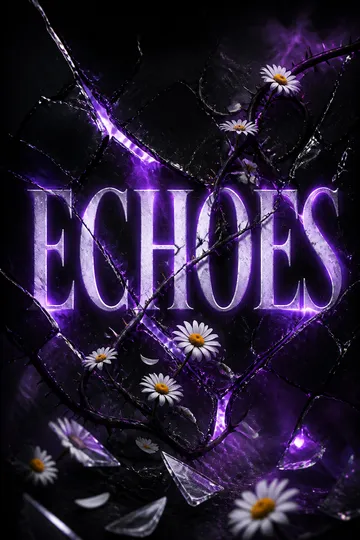
Echoes follows Hayden, the son of Shay and Mina from the Torment Duet, as he navigates his own darkness while falling for Maddy, a foster child with a traumatic past. Readers praised the book as a healing conclusion to the Bleeding Heart series, appreciating how it explores nature versus nurture through Hayden's struggle with intrusive thoughts and his supportive family environment. While some felt it didn't match the emotional intensity of Torment, most found it a satisfying ending that provided closure and redemption, showing an alternate path Shay could have taken with proper support.
People Also Read







Characters
Hayden Mathers
Hayden is a young man marked by the sins of his bloodline—his biological father's criminal legacy and suicide cast a long shadow over his life. Ostracized and bullied, he learns to wear his pain as armor, adopting the symbols of his father's past to keep others at bay. Beneath the tough exterior, Hayden is deeply sensitive, struggling with rage, self-doubt, and the fear of becoming a monster. His psychological journey is one of wrestling with inherited darkness, learning to forgive himself, and choosing to break the cycle of violence. His relationship with Maddy is transformative, offering him a chance at love, hope, and a future beyond survival. Hayden's development is a testament to the power of vulnerability and the courage it takes to choose life.
Madeline "Maddy" King
Maddy is a survivor of neglect, abuse, and the failures of the foster system. Her mother's instability and the betrayals of adults have left her wary, anxious, and deeply mistrustful. She is haunted by trauma, plagued by panic attacks and a fear of touch, but beneath her scars lies a fierce will to live. Maddy's journey is one of learning to trust, to accept love, and to believe in her own worth. Her connection with Hayden is both healing and challenging, forcing her to confront her past and imagine a future she never thought possible. Maddy's compassion, courage, and determination make her a beacon of hope in a world that has often been cruel.
Theo Hebert
Theo is the embodiment of unresolved pain and generational toxicity. Driven by a sense of grievance and a need for control, he fixates on Hayden as the source of his own misery. His cruelty is both calculated and impulsive, escalating from bullying to violence and manipulation. Theo's psychological unraveling is fueled by his father's abuse and his own inability to move on. He is a cautionary figure—a warning of what happens when pain is left to fester and empathy is abandoned. His ultimate downfall is a result of his refusal to let go of the past.
Ayla Savard
Ayla is the architect of much of the social cruelty at school. Insecure and desperate for attention, she targets Maddy out of jealousy and a need to assert dominance. Her friendship is transactional, and her loyalty is to power, not people. Ayla's actions are driven by her own pain and the toxic dynamics of her social circle. She is both a victim and perpetrator of the system that rewards cruelty and punishes vulnerability.
Spencer Carr
Spencer is Theo's right-hand man, a physically imposing presence who uses violence to assert control. He is not a leader, but a follower, drawn to power and easily manipulated. His participation in the group's crimes is both a result of peer pressure and his own unresolved anger. Spencer's lack of agency and moral compass make him dangerous, but also pitiable—a reminder of how easily young men can be led astray.
Mina Mathers
Hayden's mother is a survivor in her own right, having endured abuse and loss. Her love for her family is unwavering, and she becomes a surrogate mother to Maddy. Mina's strength lies in her ability to forgive, to create a home filled with warmth and acceptance, and to fight for her children's happiness. She is a model of resilience and the healing power of unconditional love.
Keenan Mathers
Keenan is Hayden's adoptive father, a man who has chosen to love a child not his own and to break the cycles of violence that plagued his family. He is a source of stability, wisdom, and quiet strength. Keenan's willingness to confront his own past and to support Hayden through his darkest moments is a testament to the power of chosen family and the importance of positive male role models.
James "Grandpa J" O'Hare
Hayden's grandfather is a former gang leader who has spent his later years trying to atone for his past. He is both a source of strength and a cautionary tale, embodying the struggle to forgive oneself and to make amends. His relationship with Hayden is complex—marked by love, regret, and the hope that the next generation can do better. Grandpa J's journey is one of learning that redemption is possible, but it requires honesty, humility, and the willingness to change.
Andrea Walsh
A fellow resident of Phoenix House, Andrea is a survivor of severe abuse. She is withdrawn and anxious, but her friendship with Maddy is a source of mutual support. Andrea's presence highlights the diversity of trauma and the importance of community in healing. Her development is subtle but significant, as she learns to trust and to reclaim her sense of self.
Sawyer
Another Phoenix House girl, Sawyer is fiercely loyal and unafraid to speak her mind. She provides comic relief and emotional support, helping to create a sense of family among the girls. Sawyer's resilience and courage are a reminder that healing is not just about surviving, but about finding joy and connection in the aftermath of pain.
Plot Devices
Dual Narration and Interwoven Timelines
The novel alternates between Hayden and Maddy's perspectives, allowing readers to experience their inner worlds and the echoes of their pasts. Flashbacks to childhood trauma, moments of violence, and fleeting kindnesses are woven throughout, creating a tapestry of memory and meaning. This structure emphasizes the ways in which trauma shapes identity, and how healing is a nonlinear, often messy process. The dual narration also highlights the power of connection—how two broken people can find solace and strength in each other.
Symbolism of Armor and Vulnerability
Hayden's leather jacket and dog tags, Maddy's stuffed bear, and the physical spaces they inhabit (graveyards, Phoenix House, the clearing in the woods) serve as symbols of both protection and longing. These objects are imbued with meaning, representing the ways in which survivors carry their pasts with them, and how letting go of these symbols can be both terrifying and liberating. The act of giving and receiving these objects becomes a ritual of trust and intimacy.
Cycles of Violence and Breaking Patterns
The narrative is haunted by the fear of repeating the past—Hayden's terror of becoming his father, Maddy's dread of ending up like her mother. The story uses foreshadowing and echoes (the bench at Sherwood, the voices in Hayden's head, the repetition of abuse) to illustrate how easily pain can be passed down. The climax hinges on the characters' ability to break these cycles, choosing compassion and connection over revenge and despair.
Community as Redemption
Phoenix House, the Mathers family, and the broader community of survivors and allies serve as a counterpoint to the cruelty of the outside world. The novel uses these spaces to explore the idea that healing is not a solitary journey, but one that requires support, forgiveness, and the willingness to be vulnerable. The festival, the graduation, and the final homecoming are narrative set pieces that underscore the importance of belonging and the possibility of redemption.
The Power of Choice
Throughout the novel, characters are confronted with choices—whether to fight or flee, to forgive or seek vengeance, to live or to die. The narrative structure builds toward moments of crisis where the characters' agency is tested. The ultimate message is that, while the past cannot be changed, the future is shaped by the choices we make in the present. Choosing to live, to love, and to hope is an act of courage.
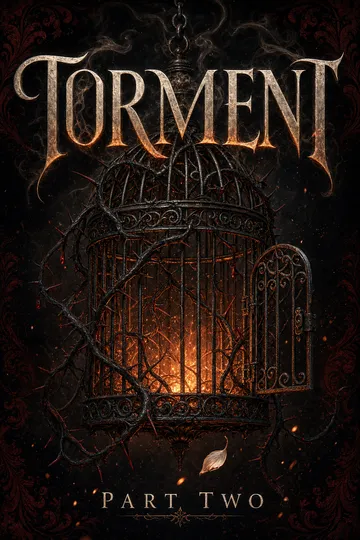
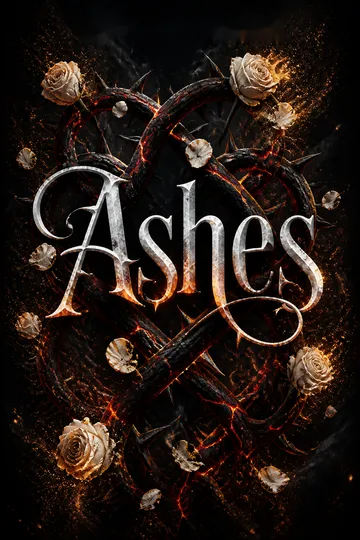
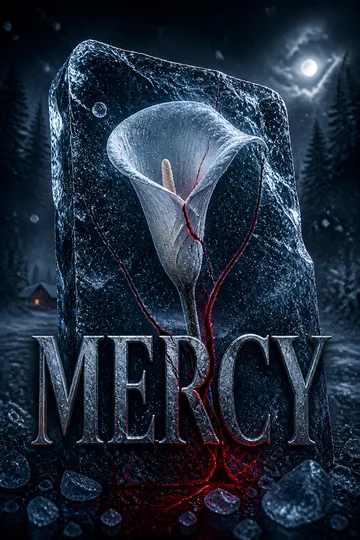
The Bleeding Hearts Series

About the Author


Download PDF
Download EPUB
.epub digital book format is ideal for reading ebooks on phones, tablets, and e-readers.








































