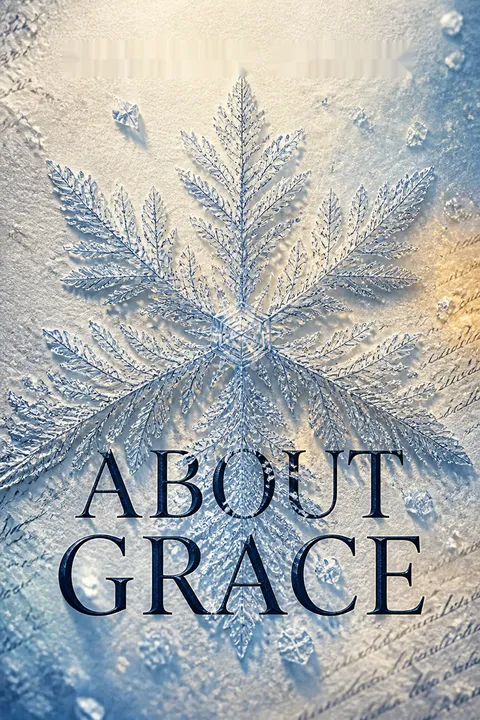

Plot Summary
Snow, destiny, and anxiety
David Winkler, a brilliant hydrologist obsessed with snow, spends much of his life haunted by premonitory dreams. He feels most at home in water and snow, and his connection with these elements echoes in the patterns of his visions: the shape of snowflakes, the cycles of water, and the unpredictable course of destiny. His dreams possess unsettling accuracy, sometimes trivial, sometimes grave. Most haunting is a vision of a catastrophic flood that will endanger his beloved daughter, Grace. This foreshadows the tragic pattern—his life, though shaped by rational science, is haunted by the uncontrollable and the unknown, the certainty of water's cycles matched only by the uncertainty of human love and fate.
Fate collides: David and Sandy
In Anchorage, David's life changes after he dreams of meeting a woman in a supermarket—Sandy—and then the moment comes true. A mutual magnetic vulnerability draws them together; both feel the extraordinary vertigo of a future folding into the present. Sandy is married and restless. The connection between them, ignited by dreams but muddled by guilt and longing, begins with subtle, tender encounters in movie theaters and grows into a passionate, covert affair. The inevitability of David's premonitory dreams suggests the universe conspires in both wonder and cruelty, as what should be chance becomes destiny, infusing their love with urgency, risk, and irrepressible longing.
Secret love, unraveling lives
David and Sandy's secret grows deeper. Anchorage's bleak winter mirrors their emotional turbulence. David is transformed by first love—obsessive, amazed by every detail of Sandy's presence, even studying the molecular structure of snow as a metaphor for hidden passions. Sandy, dreaming of impossible new lives, resists leaving her husband but can't resist the pull to David. When Sandy's husband, Herman, remains oblivious, the lovers'reality cracks further from the demands of normalcy. Then Sandy discovers she is pregnant—an event loaded with guilt and anticipation. For David, expectation and dread interweave, foreshadowing the looming disaster his dreams foretell.
Water, anxiety, prophetic visions
As Sandy's due date approaches, David's nightmare of a great flood intensifies: the house submerged, Grace disappearing from his grasp, rescuers prying his child away. Reality—tense, rainy nights and increasing sleepwalking—merges with dream. Attempts to persuade Sandy to leave for safety are rebuffed; the inexorable power of water, both literal and metaphorical, gathers force. David's conviction that the dream must be averted drives him to ever more desperate acts, but the divide between dream, memory, and prescience narrows. When the flood comes, chaos and misunderstanding merge. David is torn between love and fear—haunted by the certainty that his love may bring harm.
Escape from catastrophe and self
In the aftermath of the flooding, driven by horror at his own actions and convinced his prophetic dreams endanger Grace, David abandons his family. Paralyzed by guilt and fear, he cannot bear the risk—self-reinforcing the very isolation he dreads. He flees across continents and oceans, first to New York and, unable to stop running, to the Caribbean. The cycles of water play out again: rain, ocean, sweat. On foreign soil, he struggles to survive, cut off from everyone, living in poverty. David's attempts to make contact with his lost family find only silence. Exile brings not comfort, but more acute longing, shame, and an eerie stasis—his very will to return frozen.
Island refuge, makeshift family
Washed up in St. Vincent, David is taken in by Felix and Soma, Chilean refugees with their own wounds from dictatorship. Their small house is full of adopted, displaced children and the wild beauty of island life. Little by little, their hospitality brings David back to life: he finds reverence in observing nature, and especially in caring for Naaliyah, their curious daughter. The rhythms of labor, food, and laughter provide solace, but this improvised family can never replace the one he's left behind. Over time, he becomes a builder on an ambitious island resort. Letters to Sandy and Grace, sent in desperation and love, go unanswered—his past is unmoored, yet possibility begins to flicker in him once more.
Loss, solace, and longing on the island
David comes to belong in Felix and Soma's household, but dangers old and new shadow him. His bond with young Naaliyah is an echo of the daughter he lost; his sleepwalking and dark dreams hint at unresolved trauma. A single night's terror almost destroys the trust he's built, and as the girl grows up and leaves the island, her departure enacts the ache of repeated separations—daughters who leave or are lost. The island's shelter ultimately falls away: the past can be survived but not undone. Years pass in slow exile, David sustained by friendships, but longing and regret only deepen as he ages.
Silence, missed connections, search for grace
In the years that follow, David works, writes, sends letters—each a lifeline to the possibility of forgiveness or reunion with the family he left. Silence is the answer. The failure of communication is total: he does not know if Grace survived the flood, if Sandy lives, if any letter is read. Hope and torment mingle in the ritual of writing and waiting. The island world changes; friends endure loss and exile; David's own story is a list of questions: Did his nightmares come true? Can afflicted love ever be redeemed? In the absence of response, time begins to heal by hardening the heart, but wounds remain.
Past and science: water, snow, and memory
David's lifelong devotion to the mysteries of water—its structure, its science, its astonishing mutability—mirrors his emotional life. He is haunted by how little mastery science actually grants; patterns and predictions fail in the face of chance and chaos. These meditations become allegories for his fate: water's capacity for both nurture and destruction, the singular beauty of each snowflake, the inscrutable reason some lives endure while others vanish. The past remains slippery: memory and dream, fact and premonition, merge. Exploring his own childhood, the solace of his pale mother and her love of snow, David finds neither permanent answers nor certain escape—only more evidence of life's wild unpredictability.
A daughter's absence, guilt, and renewal
Years on, David's life is structured by absence—especially the absence of Grace. From the tropics, through years of wandering, he never gives up searching: for letters, for news, for some word that will redeem his choices or let him forgive himself. Caught in the pattern of exile, he meets and loses different "Grace Winklers" on his odyssey across America, every false hope a further wound. Each detour, each random daughter—a Black woman in New Jersey, a child in Tennessee, a house of laughter in Nebraska—only sharpens his hunger for the real child he lost. The cycles of seeking and not finding bring him, finally, home to the meaning of waiting.
Reconnecting, confronting the past
After decades away, David dares to return to the US and eventually to Ohio, desperate to learn what befell Sandy and Grace. Through the fog of time, old homes have new tenants. Libraries and graveyards yield devastating news: Sandy is dead, Grace's fate still obscure. He meets Herman, Sandy's first husband and his rival, forging the first fragile link to his lost past. Relieved of the certainty of destruction, he begins to grope toward repair—toward forgiveness, acceptance, and maybe even reconnection. Yet the erratic paths of longing and fear remain: the daughter David betrayed might yet be alive, but can love or healing be reclaimed after so long?
A new life: hope, family, and repair
In Anchorage, through a chain of reconciliations, David finds Grace alive, a single mother, and forms a clandestine relationship with his grandson, Christopher. On the margins, aided by Herman's unexpected friendship, David and the boy slowly create a world of routine, exploration, and wonder, echoing the love he so deeply regrets failing Grace. The ghosts of the past are omnipresent—Sandy's memory, Grace's anger—but the future blossoms nonetheless. Nature, science, and curiosity thread through their days: watching insects, catching snowflakes, nurturing trees. Though Grace's forgiveness remains elusive, David's endurance, presence, and love for Christopher offer him—and his descendants—a wary redemption.
Levels of guilt, forgiveness, and acceptance
Grace, devastated by David's abandonment and clandestine presence in her life, vents years of pain in new confrontations. David's attempts at restitution are clumsy—a birthday cake, flowers, honesty—but, for the first time, father and daughter reckon candidly with old betrayals. Over time, this exorcism of anger and grief makes space for fragile beginnings: Grace grudgingly admits him to her home, if only for Christopher's sake. In a parallel world, Naaliyah loses her own father, Felix, to illness, drawing the connections between loss, memory, and the need to love where one can, and for as long as one can. Forgiveness is neither total nor simple, but Grace, David, and Christopher face forward.
The shape of time: memory and repair
As time advances, David finds peace in the ordinary details of Anchorage's life: work at a lens shop, caring for insects, small acts of helping others see. The family, battered but functional, weathers further changes—Herman's heart attack and retirement, Grace's continued independence, Naaliyah's journey to Patagonia. David, once lost to time and memory, now rebuilds connection through mutual care, shared joys, and rituals of remembrance: planting a tree over Sandy's grave, drawing with Christopher. Accepting his own limitations, David sees that repair—unlike total redemption—is possible. The story of his family, like a snowflake, is unique, fragile, and no more explicable than the formation of ice in the sky.
To see and to be seen
As David ages, he becomes overwhelmed by gratitude and beauty in small things; each ordinary miracle draws tears. He transfers his wonder to Christopher and, through him, to the next generation—teaching him about snow, insects, water, the mysteries of the world. The family is fragmented yet functional—a collection of survivors, each making amends in their own way. Time is not a straight line; the patterns of memory are cyclical and recursive. David values, above all, the ability to marvel, to nurture, to find kinship in the impermanence and plenitude of the world.
Dreams, snow, and new beginnings
As another Alaskan winter settles in, David dreams of snow; of lost daughters, returning friends, and a family of animals in the woods. Snow returns as both metaphor and reality: unique, fragile, fleeting. The cycles of water, love, pain, and forgiveness endure—each crystal a fleeting miracle, a momentary marvel, a pattern repeating through the universe yet never precisely the same, just as every life is. In old age, David endures: loved by some, forgiven by others, at peace with the mysteries he can never solve. The last flakes descend softly over Anchorage, and the gift of seeing truly settles at last in his heart.
Analysis
In About Grace, Anthony Doerr crafts an intricately patterned meditation on fate, memory, guilt, and the redemptive possibilities of love. The book contemplates the tension between knowledge and power: David's prophetic dreams embody the longing for certainty, but their imprecision and his inability to change outcomes render him powerless—a modern Oedipus, haunted by the difference between seeing and saving. Water and snow, as symbols, evoke both beauty and threat, their ceaseless movement paralleling the cycles of exile and return, loss and renewal. The narrative suggests that while damage cannot be undone, time allows for repair—not erasure. Family is depicted as fragile, cobbled together from both blood and chosen ties, endlessly remade by love and betrayal. Ultimately, the novel urges readers to accept the partial, the mysterious, and the irreparable: to find grace not in absolute absolution, but in the persistent desire to marvel—to see, to care, and to begin again, even after all seems lost. About Grace is a hymn to the ordinary wonders of this world, and a plea for forgiveness when perfection is out of reach.
Review Summary
Reviews of About Grace are deeply divided. Many readers admire Doerr's poetic, lyrical prose and his vivid descriptions of nature, particularly water and snowflakes. However, frequent criticisms include an exasperatingly passive protagonist, excessive descriptive passages that slow the plot, and a reliance on coincidence. Readers who connect emotionally with the themes of parental love, loss, and redemption tend to rate it highly, while others find the protagonist's inexplicable silence and inaction frustrating. Comparisons to All the Light We Cannot See often work against this debut novel.
People Also Read







Characters
David Winkler
David is the novel's center: a hydrologist passionately drawn to snow and water, who suffers from vivid, often prophetic dreams that bleed into waking life. His gift is a burden, making him anxious, withdrawn, and consumed by guilt—particularly when he dreams of tragedy and, acting to prevent it, initiates its fulfillment. His love for Sandy and daughter Grace is profound, but his fear leaves him unable to trust himself, resulting in abandonment and years of exile. Over decades, David evolves from a young romantic, desperate to master fate, into an older, humbler figure—one who finally seeks forgiveness, accepts limitations, and cherishes wonder. His journey is an exploration of the limits of knowledge, the ache of loss, and the courageous pursuit of small redemptions.
Sandy Sheeler/Winkler
Sandy is David's lover and wife, torn between the safety of her marriage and her longing for more. Born in Alaska, she is practical and capable, but also craves adventure and self-determination. Her affair with David is both an escape and a self-discovery, culminating in a pregnancy that further complicates her loyalties. After David disappears, she survives as a determined single mother, marked by resilience as well as guardedness. Sandy embodies the cost of choices—the pain of being left and of leaving, of daring and losing—and her deep ache for her daughter's future shapes Grace's life as much as David's absence does. Her ultimate forgiveness is silent, but her legacy in the story is indelible.
Grace Winkler
Born of passion and fear, Grace is the half-imagined, half-lost daughter at the heart of David's story. As a child, she is the innocent whom David seeks both to protect and, through his panic, endangers. Her adulthood is shaped by abandonment; she becomes an angry, independent single mother herself, fiercely protective and suspicious. Grace's journey toward forgiveness is slow: she must reverse a lifetime's pain and accept her father's belated overtures. Her relationship with her own son, Christopher, reflects the complicated legacies of love and absence. Ultimately, Grace is both victim and agent—her forgiveness incomplete but her presence, in David's life, a hard-won grace.
Naaliyah Orellana
The adopted daughter of Felix and Soma, Naaliyah grows up on a Caribbean island and shares with David a deep curiosity about the natural world. As a child, she gives David a place to focus his love and repair some sorrow. As an adult, she becomes a biologist and researcher, focused on insects, embodying the capacity for renewal and scientific wonder David cherishes. Naaliyah is fiercely independent, deeply loving to her parents, and at times lost, but her journey mirrors David's: exile, belonging, loss, and the possibility of return. She becomes, in many ways, his spiritual daughter—and, ironically, the person who helps reconnect him to humanity.
Felix Orellana
Chilean exile, master chef, and loving father, Felix is David's benefactor during his Caribbean exile. A combination of wisdom, humor, and private hurt, Felix anchors his household through generosity and culinary magic. His own life is scarred by loss—of home, friends, and, eventually, health—but he persists in building meaning through food, small kindnesses, and the care of his children. Felix is also a model for David: someone able to bear grief, exile, and imperfection with warmth and resilience, and whose death underscores both the persistence of love and the quiet heroism of making a family.
Soma Orellana
Soma is Felix's wife; her strength, faith, and capacity for care hold the island family together. Though a refugee, she forges community, raises children (some not her own), and acts as a healer beyond her family's needs. Her profound generosity helps save David emotionally. She becomes a letter-writer, confidante, and—through small acts like sending addresses and advice—one of David's most important bridges to home, healing, and action.
Herman Sheeler
Sandy's first husband and later David's reluctant friend, Herman is at first a symbol of the life David and Sandy leave behind. After Sandy's death, he becomes Grace's primary support and, through old age and health crises, demonstrates patience, humor, and generosity. His ability to forgive David—and to place Grace and Christopher's needs first—exemplifies maturity. Herman is a quietly heroic figure, embodying the possibility of reconciliation and the strength to let go of anger for the sake of love.
Christopher Ennis
The son of Grace, Christopher is the living embodiment of possibility and redemption. Sensitive, curious, and gentle, Christopher is drawn to the natural world, to stories, to learning—qualities nurtured by David, Grace, and Naaliyah. Through their bond, Christopher allows David to repair, in some measure, the damage of the past. His innocence, trust, and capacity for wonder are the foundation on which David builds a new life and from which the family's scattered pieces find some harmony.
Naaliyah's brothers (Felix and Soma's adopted sons)
Forged from chaos and loss, the Orellana boys are defined by their resilience and adaptation. Though their stories serve a background role, their presence in the Caribbean household embodies survival, the fluid nature of family, and the possibility of finding kinship across blood and borders.
Supporting figures (Sue/Evans, Brent Royster, variety of "Grace Winklers")
From Dr. Evans, David's boss at the lens shop, to the humorous and kind Brent Royster, to the various "Grace Winklers" David meets on his journey—all represent humanity's capacity to extend moments of kindness or friction, and our shared experience of seeking, stumbling, connecting, and yearning.
Plot Devices
Prophetic dreams and premonition
David's premonitory dreams form the axis of the novel's plot, serving as both curse and narrative catalyst. These dreams are ambiguous—sometimes trivial, often deeply consequential, and always anxiety-laden. They foreshadow disaster, especially regarding his daughter's fate, creating tension between fate and agency. Are dreams warnings, or self-fulfilling prophecies? The interplay of dream and waking action drives both psychological suspense and philosophical depth.
Water and snow as metaphor
Water, in all its forms—rain, flood, ocean, snow—parallels the unpredictability and cyclicality of life. The fragile uniqueness of snowflakes, the inexorable motion of water, and the impossibility of absolute control all reinforce themes of beauty, chaos, and limitation. This motif threads through the story's structure: beginnings and endings fold like weather cycles, subtle repetitions emerge, and the unpredictability of the elements becomes a metaphor for love, guilt, and redemption.
Chronological looping and fragmented narrative
The novel's narrative resists strict chronology: time is bent, replayed, fragmented by trauma, dream, and memory. David is often "unstuck," both reliving and failing to recover moments. This structural device reflects the characters' psychological states—guilt and longing dissolve barriers between past and present, blurring memory, dream, and reality, reinforcing the theme of inescapable patterns.
Letters and missed connections
Letters—sent, unsent, returned—become an emotional lifeline and recurring device. David's constant, unanswered correspondence with his family is at once futile and hopeful, showing both his inability to let go and his irrepressible yearning for connection. The silence he receives in return is as powerful as any rejection: absence becomes its own kind of response. This device underlines the tragedy of broken bonds and the possibility, however slim, of repair.
Multiple "Graces" and shifting identity
David's cross-country quest to find his daughter by tracking down various "Grace Winklers" spotlights the randomness of fate, the universality of loss, and the endlessly shifting nature of identity. Every encounter is a false hope, each "Grace" a reflection of what's sought but not found. These interludes reinforce the theme that the search for forgiveness and reconciliation is common, always incomplete, and woven into human experience.
Foreshadowing and circularity
Recurring symbols (rain, snow, swings, windows), repeated scenarios (leaving, returning, loss, and near-rescue), and prefiguring dreams all build the sense that time loops and nothing is ever truly resolved. The notion that one can change destiny but not escape pattern is a central tension, explored through both design and coincidence.
Download PDF
Download EPUB
.epub digital book format is ideal for reading ebooks on phones, tablets, and e-readers.








































