
Plot Summary
Trail Beckons, Fears Lurk
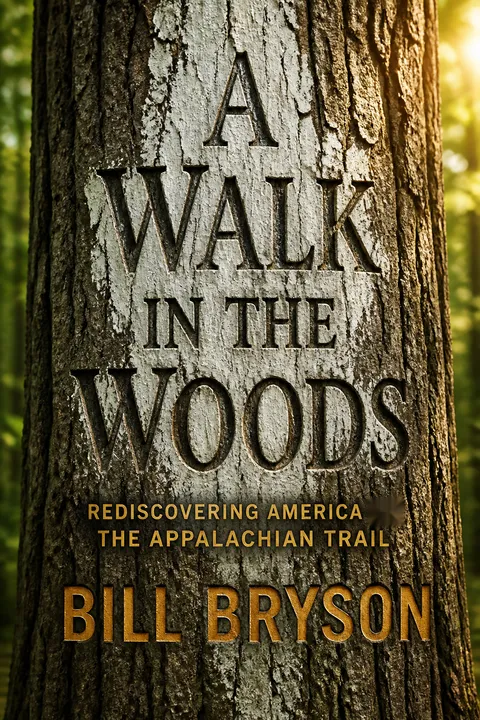
Bill Bryson, newly settled in New Hampshire, stumbles upon the Appalachian Trail and is instantly captivated by the idea of hiking its daunting 2,100 miles. The trail's grandeur and the urgency to witness its threatened forests inspire him, but his enthusiasm is quickly tempered by research into the dangers: wild animals, disease, and the sheer physical challenge. Bryson's initial bravado gives way to anxiety as he realizes the enormity of the task, but he commits publicly, purchases expensive gear, and prepares for an adventure that is as much about self-discovery as it is about nature. The chapter sets the tone for a journey that will oscillate between awe, humor, and trepidation.
Companions and Calamities
Bryson's dread of solitude is alleviated when Stephen Katz, an old friend with a checkered past, volunteers to join the hike. Katz's arrival brings comic relief but also new worries—he is out of shape, addicted to junk food, and ill-prepared. Their preparations are chaotic, marked by overpacking and last-minute doubts. The duo's dynamic is established: Bryson's anxious planning contrasts with Katz's slovenly improvisation. As they set off, the reality of the trail's hardships—cold, exhaustion, and the threat of wildlife—quickly dispels any romantic notions. The partnership is uneasy but necessary, and their mutual dependence becomes a central theme.
Dreamers and Trailblazers
The narrative shifts to the origins of the Appalachian Trail, conceived by Benton MacKaye as a utopian escape for urban workers and realized through the relentless efforts of Myron Avery. The trail's construction is a testament to vision and volunteerism, but also to compromise and conflict. Bryson and Katz, now on the trail, encounter the physical and psychological barriers that have defeated many before them. The chapter juxtaposes the idealism of the trail's founders with the gritty reality faced by modern hikers, highlighting the gap between dreams and execution.
Into the Wild Woods
Bryson and Katz's initial days on the trail are a baptism by fire. The woods are both enchanting and intimidating, filled with silence, solitude, and the ever-present threat of getting lost or injured. The pair struggle with heavy packs, relentless hills, and the monotony of the landscape. Their camaraderie is tested by exhaustion and discomfort, but moments of wonder—occasional wildlife, the vastness of the forest—offer glimpses of the sublime. The chapter captures the paradox of the trail: its beauty is inseparable from its brutality.
Mary Ellen and Misadventures
The arrival of Mary Ellen, an overbearing and clueless fellow hiker, injects new energy and irritation into Bryson and Katz's journey. Her constant criticism and obliviousness provide comic relief but also strain the group dynamic. The trio's misadventures—overpacking, getting lost, and enduring each other's quirks—culminate in a desperate bid for town comforts. The eventual ditching of Mary Ellen is both a relief and a source of guilt, underscoring the moral ambiguities of trail life and the longing for solitude.
Storms, Snow, and Shelter
A sudden snowstorm transforms the trail from challenging to perilous. Bryson and Katz, joined by other hikers, are forced to seek shelter and rely on each other for survival. The ordeal exposes the inadequacies of trail maps and the unpredictability of the wilderness. The enforced camaraderie in crowded shelters, the struggle to stay warm and dry, and the longing for civilization highlight the vulnerability of even the best-prepared hikers. The storm becomes a crucible, forging bonds and testing resolve.
Smokies: Beauty and Bureaucracy
Entering the Great Smoky Mountains, Bryson and Katz are awed by the region's biodiversity and grandeur. Yet, the experience is marred by relentless rain, crowded shelters, and the bureaucratic restrictions imposed by the Park Service. The chapter delves into the environmental challenges facing the Smokies—dying trees, invasive species, and underfunded conservation efforts. The contrast between the park's natural beauty and its administrative shortcomings becomes a metaphor for the broader tensions between preservation and access.
Gatlinburg and Gaps
A detour into Gatlinburg, a garish tourist town, provides a jarring contrast to the wilderness. Bryson and Katz are confronted with the commercialization of nature and the fleetingness of American landscapes. A visit to an outfitter's shop and a glance at a map reveal how little of the trail they have actually covered, prompting a reassessment of their goals. The realization that they will never hike the entire trail is both liberating and sobering, leading to a decision to skip ahead and focus on enjoying the journey rather than completing it.
Legends, Loss, and Logistics
The narrative explores the lore of the trail—stories of legendary hikers, record-setters, and eccentrics who have attempted or completed the AT. Bryson reflects on the nature of endurance, obsession, and the meaning of accomplishment. The decision to become "section hikers" rather than thru-hikers marks a turning point, allowing for flexibility and a renewed appreciation of the trail's pleasures and challenges. The chapter underscores the diversity of trail experiences and the personal nature of success.
Forests Past and Present
Bryson delves into the ecological history of the Appalachian forests, tracing the impact of logging, disease, and climate change. The loss of the American chestnut and other keystone species is mourned, but the resilience of the forest is celebrated. The chapter is both elegy and ode, blending scientific insight with personal reflection. The woods become a living archive of human folly and natural renewal, and Bryson's walks through New England are imbued with a sense of gratitude and wonder.
Walking, Wonder, and Weariness
As Bryson continues his journey, the daily routine of hiking becomes both meditative and monotonous. The simplicity of trail life—measured in miles, meals, and moments of beauty—contrasts with the physical and mental fatigue that accumulates over time. Encounters with wildlife, fellow hikers, and the changing landscape provide intermittent delight, but the grind of the trail is ever-present. The chapter captures the duality of long-distance hiking: it is at once an escape and an ordeal.
Shenandoah's Spring and Shadows
Spring in Shenandoah National Park brings a sense of renewal—flowers bloom, wildlife abounds, and the hiking becomes easier. Yet, the shadow of violence intrudes with news of murders on the trail, reminding Bryson of the ever-present risks. The camaraderie of shelters, the pleasures of restaurant breaks, and the beauty of the park are tempered by a heightened awareness of vulnerability. The chapter explores the tension between trust and caution, community and isolation.
Separation, Solitude, and Search
Bryson and Katz part ways temporarily, each confronting the challenges of hiking alone. Bryson's solo walks are marked by introspection, loneliness, and a renewed appreciation for companionship. The absence of Katz is keenly felt, and the dangers of solitude—getting lost, injury, or worse—are ever-present. The chapter is a meditation on the psychological demands of the trail and the importance of human connection.
Pennsylvania's Perils and Pasts
Pennsylvania proves to be one of the most punishing sections of the trail, with its infamous rocky paths, unreliable maps, and industrial wastelands. Bryson encounters the remnants of mining towns, environmental disasters, and the ghosts of past tragedies. The landscape is both beautiful and blighted, a testament to human ambition and neglect. The chapter is a journey through the physical and historical obstacles that define the middle stretch of the AT.
Water Gaps and Warnings
The Delaware Water Gap offers a rare spectacle, but it is also a site of environmental controversy and near-misses with disaster. Bryson reflects on the American tendency to alternate between exploiting and sanctifying nature, often to the detriment of both. The chapter is a cautionary tale about the fragility of wild places and the unintended consequences of human intervention. The trail becomes a microcosm of broader environmental challenges.
New England's Peaks and Perils
In New England, Bryson confronts new dangers—rumors of mountain lions, the ever-present threat of getting lost, and the physical demands of the region's peaks. Encounters with eccentric hikers like Chicken John highlight the unpredictability of the trail. The landscape is both inviting and unforgiving, and the limits of human endurance are tested. The chapter is a celebration of the region's beauty and a sobering reminder of its hazards.
White Mountains and Hypothermia
The White Mountains of New Hampshire present the most formidable challenge yet. Bryson, joined by a friend, faces sudden weather changes, treacherous climbs, and the very real threat of hypothermia. The experience is humbling, reinforcing the lesson that nature is indifferent to human plans. The camaraderie of shared hardship and the exhilaration of survival are central themes, as is the recognition of one's own vulnerability.
Mount Washington's Wildness
Mount Washington, notorious for its deadly weather, is both a triumph and an anticlimax. The summit is crowded with tourists who have arrived by car or train, a stark contrast to the solitude of the trail. Bryson reflects on the history of the region's grand hotels, now mostly vanished, and the fleeting nature of human achievement. The mountain is a symbol of both the power of nature and the transience of civilization.
Maine: The Final Test
The last great challenge is Maine's Hundred Mile Wilderness, a remote and demanding stretch that tests Bryson and Katz to their limits. The terrain is brutal, the weather oppressive, and the risks real. The duo's partnership is strained by fatigue and frustration, but moments of beauty—a moose sighting, a serene pond—offer solace. The wilderness becomes a crucible for reconciliation and self-discovery.
Wilderness, Weakness, and Reconciliation
A misadventure leaves Katz lost and Bryson frantic, forcing both men to confront their limitations and the fragility of their friendship. The ordeal is a turning point, leading to honest conversation, mutual forgiveness, and the decision to end their hike short of the ultimate goal. The chapter is a meditation on failure, acceptance, and the meaning of accomplishment.
Endings, Endurance, and Epiphany
Bryson and Katz's journey ends not with the triumphant ascent of Katahdin, but with a quiet return to civilization and a sense of peace. The trail has changed them, instilling humility, resilience, and a deeper appreciation for nature and companionship. Bryson reflects on the lessons learned, the miles walked, and the beauty witnessed. The story closes with the recognition that the value of the journey lies not in its completion, but in the attempt, the effort, and the memories forged along the way.
Analysis
A Walk in the Woods endures as a masterful blend of travelogue, memoir, and environmental meditation, resonating with modern readers for its wit, candor, and insight. Bryson's journey along the Appalachian Trail is less about conquering nature than about confronting the limits of self, the unpredictability of friendship, and the complexity of the American landscape. The book's humor disarms, making space for vulnerability and humility, while its digressions into history and ecology invite readers to see the woods not as a backdrop, but as a living, threatened entity. In an age of distraction and environmental crisis, Bryson's narrative reminds us of the value of slowness, perseverance, and attention—to the world, to others, and to ourselves. The lesson is not in the completion of the trail, but in the attempt, the willingness to be changed, and the gratitude for what endures. The Appalachian Trail, like life, is not a test to be passed, but a path to be walked—imperfectly, humorously, and with wonder.
Review Summary
A Walk in the Woods receives mixed reviews, with many praising Bryson's humor and storytelling. Readers appreciate his witty observations, historical insights, and the entertaining dynamic with his hiking companion, Katz. The book offers a blend of travelogue, nature writing, and social commentary. Some criticize Bryson's occasional snarkiness and digressions into historical and scientific information. While not universally loved, most find it an enjoyable and informative read that captures the challenges and joys of hiking the Appalachian Trail.
People Also Read







Characters
Bill Bryson
Bryson is the narrator and protagonist, a middle-aged writer seeking to reconnect with his homeland and himself through the challenge of the Appalachian Trail. Initially motivated by curiosity, nostalgia, and a desire for fitness, he is quickly humbled by the trail's demands. Bryson's voice is marked by self-deprecating humor, keen observation, and a growing environmental consciousness. His relationship with Katz is central—by turns exasperating and endearing, it mirrors his own internal struggles with perseverance, fear, and the search for meaning. Over the course of the journey, Bryson evolves from a bumbling novice to a more seasoned, if still imperfect, outdoorsman, gaining respect for nature's power and the limits of human ambition.
Stephen Katz
Katz is Bryson's old friend and hiking companion, a recovering alcoholic with a checkered past and a penchant for junk food and impulsive decisions. Out of shape and ill-prepared, Katz provides much of the book's humor and pathos. His struggles with addiction, self-esteem, and the physical demands of the trail are both comic and poignant. Katz's relationship with Bryson is complex—marked by bickering, mutual dependence, and moments of deep vulnerability. His journey is one of small victories and setbacks, culminating in a hard-won self-acceptance and a reaffirmation of friendship.
Mary Ellen
Mary Ellen is a fellow hiker who briefly joins Bryson and Katz, bringing with her a barrage of unsolicited advice, complaints, and eccentricities. Her presence is both a source of comic relief and a test of the duo's patience. Mary Ellen's obliviousness to social cues and trail etiquette highlights the diversity of personalities drawn to the AT and the challenges of communal living in the wilderness. Her eventual departure is a relief, but also prompts guilt and introspection.
Benton MacKaye
MacKaye is the intellectual architect of the Appalachian Trail, envisioning it as a refuge from industrial society and a means of personal and communal renewal. His idealism is contrasted with the practical, sometimes ruthless, efforts of those who brought the trail to fruition. MacKaye's story is a reminder of the gap between dreams and reality, and the enduring power of vision to inspire collective action.
Myron Avery
Avery is the driving force behind the actual construction of the AT, a man of formidable energy and organizational skill. His single-mindedness and lack of sentimentality are both his strength and his flaw. Avery's legacy is the physical trail itself, but his personal sacrifices and conflicts with MacKaye underscore the costs of achievement and the complexities of leadership.
Jim and Heath
Jim and his son Heath are encountered during a snowstorm, embodying the virtues of preparation, resilience, and generosity. Their willingness to share resources and support fellow hikers contrasts with the self-absorption of others. They serve as a reminder of the importance of community and the rewards of shared hardship.
Chicken John
Chicken John is a legendary figure among hikers, known for his chronic disorientation and cheerful acceptance of misadventure. His presence injects humor and a sense of the absurd into the narrative, while also highlighting the diversity of motivations and experiences on the trail. Chicken John's resilience in the face of repeated setbacks is both comic and inspiring.
Keith Shaw
Keith Shaw is the proprietor of a famous guesthouse in Monson, Maine, offering weary hikers food, shelter, and a taste of civilization. His generosity and eccentricity make him a memorable figure, embodying the tradition of "trail magic" and the kindness of strangers. Shaw's home is a sanctuary at the edge of the Hundred Mile Wilderness, a place where the bonds of the trail community are renewed.
Bill Abdu
Abdu is a neighbor and orthopedic surgeon who joins Bryson for hikes in the White Mountains. His expertise, calm demeanor, and companionship provide reassurance and practical support during some of the most challenging sections of the trail. Abdu's presence allows Bryson to confront his fears and push his limits, while also modeling the value of friendship and mutual aid.
The Appalachian Trail
The trail itself is a central character—by turns beautiful, brutal, indifferent, and redemptive. It shapes the experiences, relationships, and inner lives of those who walk it. The AT is a testing ground for ambition, humility, and resilience, a place where the boundaries between self and nature are blurred. Its history, ecology, and mythology are woven throughout the narrative, making it both a physical journey and a metaphor for the search for meaning.
Plot Devices
Comic Juxtaposition and Irony
Bryson's narrative is driven by a constant interplay between the romanticized vision of the trail and the often absurd, humiliating reality of long-distance hiking. Comic episodes—overpacking, encounters with eccentric hikers, misadventures with gear—are used to deflate pretension and highlight the unpredictability of nature. Irony is a tool for both self-critique and social commentary, allowing Bryson to explore serious themes without didacticism.
Dual Narrative Structure
The book weaves together Bryson's personal experiences on the trail with digressions into the history, ecology, and sociology of the Appalachian region. This dual structure enriches the narrative, providing depth and perspective while maintaining momentum. The interplay between past and present, individual and collective, underscores the continuity and change that define both the trail and the American landscape.
Foreshadowing and Repetition
Early chapters foreshadow the physical and psychological challenges to come—warnings about bears, stories of lost hikers, and the litany of potential disasters. These motifs recur throughout the book, creating a sense of continuity and escalating tension. The repetition of certain experiences—packing and repacking, losing and finding the trail, moments of despair and delight—mirrors the cyclical nature of the journey and the process of adaptation.
Symbolism and Metaphor
The Appalachian Trail functions as a metaphor for life's journey—unpredictable, arduous, and ultimately unknowable. Encounters with wildlife, weather, and other hikers become symbolic of broader human struggles with fear, ambition, and connection. Failure—whether in completing the trail or in personal relationships—is reframed as an opportunity for growth, humility, and gratitude.
Environmental Commentary
Bryson uses his journey to explore the environmental history and current threats facing the Appalachian region. The decline of forests, the impact of invasive species, and the failures of conservation policy are woven into the narrative, prompting reflection on the responsibilities of stewardship and the fragility of natural systems. The trail becomes a lens through which to examine the broader relationship between humans and the environment.
FAQ
What is A Walk in the Woods by Bill Bryson about?
- Hiking the Appalachian Trail: The book follows Bill Bryson’s attempt to hike the 2,100–2,200-mile Appalachian Trail, stretching from Georgia to Maine, capturing his adventures, challenges, and the beauty of the American wilderness.
- Blend of Humor and Reflection: Bryson’s narrative mixes humor, satire, and personal reflection, making the journey both entertaining and insightful.
- Exploration of Nature and History: The story delves into the history, ecology, and environmental issues of the Appalachian region, offering readers a deeper understanding of the trail and its significance.
- Themes of Friendship and Perseverance: The relationship between Bryson and his companion Katz, along with their personal struggles, adds emotional depth and relatability to the adventure.
Why should I read A Walk in the Woods by Bill Bryson?
- Engaging and Humorous Writing: Bryson’s witty, accessible style and comic storytelling make the book enjoyable for a wide audience, even those unfamiliar with hiking.
- Insight into American Wilderness: The book provides vivid descriptions of the Appalachian Trail, blending natural history, environmental issues, and cultural observations.
- Relatable Human Experience: Bryson’s candid portrayal of his fears, struggles, and friendship with Katz makes the journey accessible and emotionally resonant.
- Educational and Thought-Provoking: Readers gain knowledge about conservation, American history, and the challenges of preserving wild spaces.
What are the key takeaways and reflections from A Walk in the Woods by Bill Bryson?
- Respect for Nature: Bryson develops a deep appreciation for the scale, complexity, and fragility of the American wilderness.
- Limits and Acceptance: The narrative acknowledges the physical and mental limits of the hikers, emphasizing that value lies in the journey, not just completion.
- Balance of Adventure and Comfort: The book contrasts the hardships of the trail with the comforts of civilization, highlighting the mixed emotions of leaving the wilderness.
- Personal Growth and Connection: Bryson’s experience leads to greater patience, humility, and a renewed sense of connection to the land.
Who is Katz in A Walk in the Woods by Bill Bryson, and what role does he play?
- Old Friend and Companion: Katz is Bryson’s friend from Iowa who joins the hike after years apart, providing companionship and comic relief.
- Source of Humor and Contrast: Katz’s lack of preparation, physical struggles, and impulsive behavior create many of the book’s funniest and most memorable moments.
- Symbol of Friendship and Resilience: Despite his flaws, Katz’s perseverance and evolving relationship with Bryson highlight themes of loyalty and human vulnerability.
- Emotional Depth: Katz’s battle with sobriety and his impact on the journey add emotional complexity to the story.
What are the main challenges faced by Bill Bryson and Katz on the Appalachian Trail in A Walk in the Woods?
- Physical and Environmental Hardships: The duo faces rugged terrain, unpredictable weather, insects, and the sheer length of the trail, testing their endurance.
- Equipment and Logistical Issues: They struggle with heavy packs, lost gear, water scarcity, and the need to adapt their supplies and strategies.
- Wildlife and Health Risks: Encounters with bears, snakes, and diseases like Lyme disease and hantavirus add to the dangers.
- Psychological and Interpersonal Struggles: The isolation, monotony, and Katz’s personal challenges, including alcoholism, strain their friendship and resolve.
How does Bill Bryson describe the Appalachian Trail and its environment in A Walk in the Woods?
- Vast and Varied Wilderness: The trail traverses diverse landscapes, from southern mountains to New England forests, with changing seasons and ancient geology.
- Enclosing and Spooky Woods: Bryson describes the woods as “cubic,” pressing in from all sides, creating a sense of vulnerability and awe.
- Wildlife and Natural History: The book features encounters with animals like moose and bears, and reflections on lost species and ecological changes.
- Human Impact and Conservation: Bryson discusses the balance between preserving wilderness and allowing human access, critiquing environmental management and highlighting conservation efforts.
What is the history and significance of the Appalachian Trail as described in A Walk in the Woods by Bill Bryson?
- Visionaries Behind the Trail: The trail was conceived by Benton MacKaye in 1921 as a retreat for urban workers, and built under Myron Avery’s leadership with volunteer labor.
- Trail’s Construction and Evolution: Completed in 1937, the trail has been rerouted and maintained by volunteers, making it a symbol of grassroots conservation.
- Cultural and Historical Context: Bryson connects the trail to broader American history, including Civil War sites and the evolution of hiking culture.
- Enduring Spirit: The Appalachian Trail represents resilience, adventure, and the ongoing challenge of preserving wild spaces in America.
What dangers and wildlife encounters does Bill Bryson describe in A Walk in the Woods?
- Bear Attacks and Animal Hazards: Bryson recounts stories of bear attacks, differences between black bears and grizzlies, and the unpredictability of wildlife.
- Other Wildlife and Insects: Encounters with snakes, bobcats, coyotes, wild boar, and disease-carrying insects like ticks are detailed.
- Environmental and Human Risks: The book addresses dangers from weather, accidents, illness, and rare but real threats from other people on the trail.
- Preparation and Caution: Bryson emphasizes the importance of knowledge, proper equipment, and respect for the wilderness to mitigate risks.
What environmental and conservation issues does A Walk in the Woods by Bill Bryson address?
- Threats to Forests: The decline of tree species due to disease, pests, and climate change is a recurring concern, with warnings about the future of the Appalachian ecosystem.
- Critique of Forest Management: Bryson criticizes the U.S. Forest Service for prioritizing logging and road building over conservation, leading to habitat loss and inefficiency.
- National Park Service Challenges: Underfunding, neglect, and mismanagement in national parks are discussed, alongside the dedication of rangers and volunteers.
- Balance of Preservation and Access: The book explores the tension between protecting wilderness and allowing public enjoyment, highlighting ongoing conservation debates.
What historical and cultural insights does A Walk in the Woods by Bill Bryson provide about the Appalachian region?
- Civil War and Industrial Heritage: Bryson recounts the history of Harpers Ferry, John Brown’s raid, and the impact of coal mining and environmental disasters like the Centralia mine fire.
- Development of Wilderness and Tourism: The rise and fall of grand hotels, the evolution of hiking culture, and contrasts with European attitudes toward nature are explored.
- Trail Towns and Local Culture: The book features small towns along the trail, revealing diverse attitudes toward hikers and wilderness.
- Connection to American Identity: The trail is situated within the broader context of American land use, history, and recreation.
How does friendship and companionship shape the journey in A Walk in the Woods by Bill Bryson?
- Central Relationship: The friendship between Bryson and Katz is the emotional core, providing support, humor, and conflict throughout the hike.
- Support and Conflict: Katz’s struggles with sobriety and fitness challenge their partnership, but shared hardships deepen their bond.
- Reflection on Companionship: Bryson reflects on the importance of having a companion in the wilderness, highlighting both vulnerability and strength.
- Human Connection: The journey is as much about human relationships as it is about the physical adventure.
What are some memorable anecdotes and quotes from A Walk in the Woods by Bill Bryson, and what do they mean?
- Comic Incidents: Stories like losing a walking stick, Katz’s shoelace antics, and the “Breakfast of Champions” on Mount Washington add humor and humanity.
- Notable Quotes: “It takes about five months, and five million steps, to walk the trail from end to end,” emphasizes the trail’s vastness and challenge.
- On the Woods’ Atmosphere: “Woods are not like other spaces. To begin with, they are cubic…” captures the unique, enclosing nature of the forest.
- On the Trail’s Spirit: “We hiked the Appalachian Trail,” reflects the sense of accomplishment and the value of the journey, regardless of completion.
About the Author
Other books by Bill Bryson








Download PDF
Download EPUB
.epub digital book format is ideal for reading ebooks on phones, tablets, and e-readers.








































