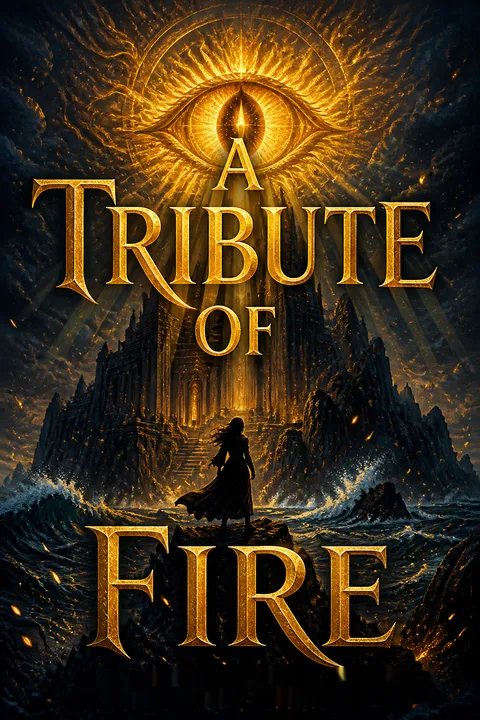

Plot Summary
Tribute's Deadly Selection
In the arid, dying land of Locris, Princess Lia is chosen as one of two annual tributes—maidens sent to Ilion as penance for an ancient crime. The selection is both feared and expected, a ritual that has claimed countless lives. Lia, determined to break the cycle, has spent a year training in secret, hoping to survive the deadly race through Ilion's labyrinthine city to the goddess's temple. Her resolve is fueled by love for her family and the desperate hope of restoring her homeland. The weight of history, the pain of loss, and the looming threat of death converge as Lia prepares to face her fate, knowing that her sacrifice may be the last hope for Locris.
Training for Survival
Under the harsh tutelage of Demaratus, a disgraced Daemonian general, Lia endures brutal training to outwit and outrun the Ilionian hunters. She learns that strength alone will not save her; cunning, speed, and self-control are her only weapons. The camaraderie of her regiment offers fleeting comfort, but the knowledge that she is alone in her true mission haunts her. Each lesson is a reminder of her vulnerability and the near certainty of death. Yet, Lia clings to the hope that her skills—and a cryptic prophecy about the goddess's eye—might allow her to do the impossible: survive, and change the fate of her people.
Family Bonds and Loss
Lia's family is fractured by grief over her brother's disappearance and the relentless demands of Ilion. Her sisters, Quynh and Kallisto, are her confidantes and anchors, each bearing their own burdens. The family's sorrow is compounded by the knowledge that Lia's selection is both a death sentence and a political necessity. The bonds of love are tested as Lia and Quynh are both chosen as tributes, forcing them to confront the reality that only one may survive. Their shared determination to protect each other, even at the cost of their own lives, becomes the emotional core of Lia's journey.
The Enemy Arrives
The arrival of the Ilionian delegation is marked by tension, cruelty, and unexpected attraction. Lia's first encounter with Jason, a mysterious and infuriatingly charming Ilionian, ignites a spark that complicates her mission. The brutality of Ilion's men is made clear when Lia and her maid are attacked, reinforcing the peril she faces. Yet, Jason's presence is a dangerous comfort, blurring the lines between enemy and ally. As the selection approaches, the palace becomes a crucible of fear, longing, and betrayal, setting the stage for the deadly journey ahead.
Kisses and Deceptions
In a stolen moment beneath the olive tree, Lia and Jason share a kiss that is both awakening and dangerous. Their chemistry is undeniable, but trust is elusive. Jason's true identity and intentions remain hidden, and Lia's heart is torn between longing and suspicion. The kiss becomes a symbol of everything Lia stands to lose—her innocence, her freedom, and perhaps her life. As the night deepens, so do the secrets between them, foreshadowing the betrayals and revelations to come.
The Race for Sanctuary
The tributes' arrival in Ilion is met with hostility and spectacle. Lia and Quynh are thrust into the infamous race, pursued by armed men through a labyrinth designed for their destruction. Every lesson from Demaratus is tested as Lia fights to keep herself and her sister alive. The city is a maze of danger, and the odds are stacked against them. In a harrowing sequence of violence and sacrifice, Quynh is captured, forcing Lia to choose between saving her sister and fulfilling her mission. The trauma of loss and the brutality of survival leave Lia forever changed.
Sisterhood and Sacrifice
Against all odds, Lia reaches the temple and is forced to claim sanctuary through ancient laws. Her arrival is met with suspicion and hostility, but she finds unexpected allies in a group of acolytes—Io, Zalira, Ahyana, and Suri. Together, they form an adelphia, a sacred sisterhood bound by blood and vows. The temple is both refuge and prison, a place of healing and new dangers. Lia's grief for Quynh is soothed by the strength of her new sisters, but the threat of betrayal and the weight of her vows loom over every moment.
The Temple's Secrets
Life in the temple is governed by rituals, training, and secrets. Lia discovers that the temple's history is not as it seems—ancient texts reveal that priestesses once married and wielded power now denied to them. The high priestess, Theano, is a figure of both authority and menace, guarding the temple's secrets with ruthless control. Lia's search for the goddess's eye leads her into forbidden places, where she uncovers evidence of hidden magic and the true nature of the temple's power. The line between faith and manipulation blurs, and Lia must decide whom to trust.
Enemies Within Walls
The temple is not the sanctuary Lia hoped for. Rival acolytes, especially the formidable Artemisia, see her as a threat and a curse. Attacks from within and without test Lia's resolve and the loyalty of her sisters. A violent assault on the temple leaves many dead and exposes the fragility of their safety. Lia's own secrets—her identity, her mission, her forbidden love—become weapons that others may use against her. The struggle for survival is no longer just physical, but political and spiritual, as Lia navigates a web of intrigue and danger.
The Prince's True Face
The siege of the temple by Ilion's army brings Lia face-to-face with Jason's true identity: Prince Alexandros, her betrothed and the architect of her suffering. The revelation is a shattering betrayal, unraveling the trust and affection that had grown between them. Alexandros's manipulation, his threats, and his willingness to use Lia's love against her force her into an impossible position. The personal and political collide as Lia must choose between her own happiness, her vows, and the safety of those she loves.
Siege and Betrayal
The temple is besieged, supplies dwindle, and tensions rise. Lia becomes the focal point of blame and resentment, her presence seen as the cause of all their suffering. Attempts to escape are thwarted, and even her sisters cannot shield her from the growing danger. Betrayals from unexpected quarters—Io's confession, the theft of crucial evidence, and the high priestess's machinations—leave Lia isolated and vulnerable. The walls close in, both literally and figuratively, as the prince's ultimatum looms.
The Savior's Choice
Io reveals that Lia is the prophesied savior, marked by the goddess and destined to restore Ilion's magic. The weight of destiny is crushing, and Lia is forced to confront the truth of her own power and purpose. The goddess's voice, the mysterious mark on her shoulder, and the strength she finds in her sisters all point to a fate she cannot escape. When Alexandros presents Quynh—alive but a prisoner—Lia is given an impossible choice: her freedom or her sister's life. The prophecy, the vows, and the bonds of love converge in a moment of ultimate sacrifice.
The Price of Vows
Lia's vows—to the goddess, to her sisters, to her homeland—are tested as never before. The cost of keeping them is steep: her autonomy, her dreams, and perhaps her soul. The marriage to Alexandros is both a surrender and a strategy, a way to save Quynh and buy time for her true mission. The lines between love and duty, desire and obligation, blur as Lia navigates the treacherous waters of Ilion's court and the goddess's will. Every choice is a gamble, and the stakes are nothing less than the fate of nations.
The Goddess's Mark
The goddess's presence in Lia's life becomes undeniable. Dreams, visions, and inexplicable strength mark her as chosen. The mysteries of the temple, the power of the earth, and the legacy of the curse all point to a coming transformation. Lia's journey is no longer just about survival, but about embracing her role as the goddess's instrument. The mark on her shoulder, the change in her hair, and the awakening of her power signal that the old order is ending—and a new one is about to begin.
The Final Surrender
Lia's surrender to Alexandros is both an act of love and a declaration of war. She gives herself to save Quynh, but vows to take revenge on those who have wronged her. The marriage is a battlefield, and Lia is determined to win, even if it means destroying the man she once loved. The goddess's prophecy hangs over them both, promising that Lia's choices will shape the future of Ilion and Locris alike. The story ends on the precipice of change, with Lia poised to claim her destiny—whatever the cost.
One for Many
Throughout her journey, Lia embodies the principle of "one for many"—the willingness to give everything for the sake of others. Her sacrifices are not just personal, but generational, echoing the ancient curse that began it all. The bonds of sisterhood, the pain of loss, and the hope of redemption are woven through every choice she makes. As the story closes, Lia stands as both victim and savior, a testament to the power of love, the burden of history, and the possibility of transformation. The future is uncertain, but the legacy of sacrifice endures.
Analysis
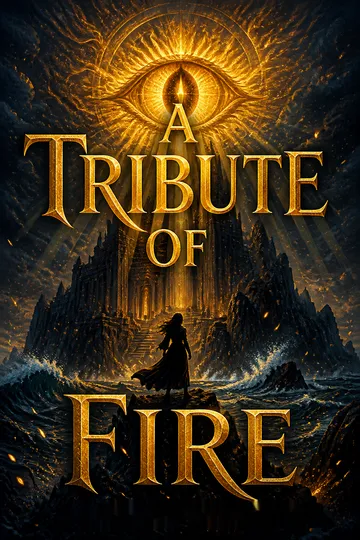
A Tribute of Fire is a sweeping romantasy that reimagines ancient myth through the lens of trauma, agency, and the redemptive power of chosen bonds. At its heart, the novel interrogates the legacy of violence—how the sins of the past echo through generations, demanding sacrifice and perpetuating cycles of suffering. Lia's journey from reluctant tribute to prophesied savior is both a personal and collective transformation, challenging the inevitability of fate and the authority of tradition. The story's emotional core lies in the bonds of sisterhood, the willingness to risk everything for love, and the courage to claim one's own destiny. Through its deft use of plot devices—hidden identities, prophecy, forbidden knowledge—the novel explores the tension between duty and desire, faith and doubt, power and vulnerability. In a modern context, A Tribute of Fire resonates as a meditation on the costs of survival, the necessity of resistance, and the hope that even the most entrenched curses can be broken. The lessons are clear: true strength lies not in violence, but in solidarity; redemption is possible, but only through honesty, sacrifice, and the willingness to change.
People Also Read







Characters
Lia (Princess Thalia/Euthalia)
Lia is the youngest princess of Locris, marked by her fierce loyalty, stubbornness, and deep sense of responsibility. Haunted by her family's losses and her nation's decline, she volunteers as tribute, determined to break the curse that has doomed generations. Lia's psychological journey is one of transformation—from a girl desperate to save her family to a woman willing to sacrifice everything for her people. Her relationships—with her sisters, her mentor Demaratus, and the enigmatic Jason/Alexandros—reveal her capacity for love, grief, and resilience. Lia's development is shaped by trauma, betrayal, and the discovery of her own power, culminating in her acceptance of a destiny she never sought but cannot refuse.
Jason / Prince Alexandros
Jason is introduced as a roguish, seductive Ilionian sailor, but is later revealed to be Prince Alexandros, Lia's betrothed and the architect of her suffering. His dual identity is both a plot device and a psychological mask, allowing him to pursue Lia while hiding his true motives. Jason's actions are driven by a complex mix of desire, duty, and ambition. He is both protector and manipulator, capable of genuine affection and ruthless calculation. His relationship with Lia is a battleground of trust, passion, and betrayal, reflecting his own divided loyalties and the burdens of power. Jason's development is marked by moments of vulnerability, but ultimately he is a man shaped by the demands of his crown and the scars of his past.
Quynh
Quynh is Lia's adopted sister and closest confidante, a gentle soul whose strength lies in her compassion and loyalty. Her selection as tribute alongside Lia is a devastating blow, and her eventual capture and apparent death are the story's emotional nadir. Quynh's willingness to sacrifice herself for Lia is both a testament to their bond and a reflection of the story's central theme: one for many. Her unexpected return as a prisoner is a cruel twist, forcing Lia to make the ultimate choice. Quynh's presence haunts Lia, shaping her decisions and fueling her determination to save those she loves.
Demaratus
Demaratus is a disgraced Daemonian general who becomes Lia's secret trainer and surrogate father. His harsh methods and relentless demands are tempered by a deep, if unspoken, affection for Lia. Demaratus's own history of failure and exile informs his teachings, instilling in Lia the values of self-control, honor, and sacrifice. His psychological complexity lies in his inability to forgive himself, projecting his hopes for redemption onto Lia. Demaratus's influence is felt throughout the story, his voice echoing in Lia's mind during moments of crisis.
Io
Io is an acolyte in the temple and Lia's closest friend among her new sisters. Her cheerful demeanor hides a secret: she is the runaway princess of Ilion, fleeing an arranged marriage and her stepmother's machinations. Io's ability to read and her hidden identity mirror Lia's own secrets, creating a bond of trust and mutual protection. Her eventual betrayal—revealing Lia's identity to Alexandros—is motivated by love for her brother and fear for her nation, adding layers of complexity to her character. Io's journey is one of self-discovery, guilt, and the search for belonging.
Zalira
Zalira is a member of Lia's adelphia, marked by her strength, practicality, and connection to the earth. She possesses an uncanny ability to sense water and navigate the land, hinting at a latent magical gift. Zalira's loyalty to her sisters is unwavering, and she often serves as the group's voice of reason. Her backstory of loss and unfulfilled love adds depth to her character, while her willingness to fight for Lia underscores the power of chosen family.
Ahyana
Ahyana, Zalira's sister, brings levity and warmth to the group. Her affinity for animals, especially her raven Kunguru, and her mischievous nature make her both endearing and resourceful. Ahyana's optimism and generosity are a counterbalance to the story's darker moments. Her willingness to risk everything for Lia reflects the strength of their bond and the transformative power of friendship.
Suri
Suri is the quietest member of the adelphia, communicating through gestures and actions rather than words. Her past is marked by trauma and self-harm, but she finds healing and purpose within the sisterhood. Suri's gift for finding lost things and her resilience in the face of danger make her an invaluable ally. Her silence is both a shield and a source of power, allowing her to perceive truths others miss.
Theano
Theano is the enigmatic and controlling leader of the temple, wielding power through secrecy, ritual, and fear. Her longevity and mysterious illness hint at hidden magic or corruption. Theano's psychological profile is that of a zealot, convinced of her own righteousness and willing to sacrifice others to maintain her authority. She is both gatekeeper and antagonist, embodying the dangers of institutional power and the perils of blind faith.
Artemisia
Artemisia is Lia's chief adversary within the temple, a skilled fighter driven by jealousy, resentment, and a thirst for dominance. Her aggression masks deep insecurities and a need for validation. Artemisia's willingness to break vows and harm her sisters makes her a symbol of the story's internal threats. Her rivalry with Lia is both personal and ideological, reflecting the broader conflict between tradition and change.
Plot Devices
The Deadly Tribute and Labyrinth Race
The annual selection of maidens as tribute to Ilion is the story's inciting incident and central plot device. The labyrinthine race through the city, with its promise of sanctuary or death, creates immediate stakes and relentless tension. This device serves as both literal and metaphorical trial, testing Lia's skills, resolve, and capacity for sacrifice. The curse's origins in myth and the cycle of violence it perpetuates provide a backdrop for exploring themes of fate, agency, and redemption.
Hidden Identities and Double Lives
The motif of concealed identity—Lia as a princess and tribute, Jason as prince and lover, Io as a runaway royal—fuels the story's suspense and emotional complexity. Deception is both survival strategy and source of pain, shaping relationships and driving the plot's major twists. The gradual revelation of true selves is mirrored in the uncovering of the temple's secrets and the goddess's will.
Prophecy and the Chosen One
The prophecy of a savior marked by the goddess, the mysterious mark on Lia's shoulder, and the recurring dreams all serve as foreshadowing and thematic anchors. These devices raise questions about predestination, the burden of expectation, and the possibility of change. Lia's journey from reluctant participant to prophesied savior is both a personal and collective transformation, challenging the boundaries of fate.
Sisterhood and Found Family
The formation of the adelphia, the rituals of blood and vows, and the repeated motif of "one for many" create a narrative structure built on solidarity and sacrifice. The sisterhood is both haven and crucible, a space where characters confront their fears, heal their wounds, and find the strength to resist oppression. The interplay of loyalty, betrayal, and forgiveness within the group mirrors the larger struggles of the story.
The Eye of the Goddess and Forbidden Knowledge
The search for the goddess's eye—a magical artifact capable of restoring Locris—drives Lia's actions and the story's central quest. The motif of forbidden books, hidden keys, and secret vaults underscores the dangers and allure of knowledge. The tension between what is known, what is hidden, and what is revealed is a recurring plot device, reflecting the story's exploration of truth, faith, and agency.
Dream Magic and Shared Visions
The recurring dreams between Lia and Jason/Alexandros, and Lia's visions of the goddess, serve as both plot device and psychological window. These dreams foreshadow events, reveal hidden emotions, and connect characters across distance and circumstance. The ambiguity of dream and reality heightens the story's sense of magic and fate, while also serving as a metaphor for longing, regret, and the search for meaning.
The Eye of the Goddess Series



Download PDF
Download EPUB
.epub digital book format is ideal for reading ebooks on phones, tablets, and e-readers.








































