
Plot Summary
Resurrection and Ruin
Faraine is resurrected by Vor, the Shadow King, after sacrificing herself to save Mythanar from monstrous cave devils. Her return is marked by pain and a sense of disconnection from her gods-gift, the empathic magic that once defined her. As she and Vor descend into the ruined city, Faraine is haunted by the cost of her resurrection and the emptiness left by her fading power. Mythanar itself is battered, its people traumatized, and the threat of further disaster looms. Faraine's love for Vor is deepened by their shared ordeal, but she is plagued by uncertainty—about her place in this world, the price of her life, and the darkness growing within her soul.
Shadows of the Throne
As king, Vor must project strength while his city reels from disaster. He is beset by rumors, political machinations, and the subtle threat of his half-brother Sul, whose loyalty is shadowed by ambition and old wounds. The court is divided, some blaming Faraine for the city's woes, others questioning Vor's judgment. The arrival of Vor's estranged mother, Maylin, brings cryptic warnings and a mysterious crystal that hints at a life-debt owed for Faraine's resurrection. Vor is forced to confront the possibility that saving Faraine may cost him everything, even as he clings to her as his anchor in a world unraveling.
The Price of Life
The consequences of Faraine's resurrection become clear: the magic that restored her demands a price. Maylin's crystal, stained with darkness, is a constant reminder that a life must be given in exchange for Faraine's. Both Vor and Faraine fear that the gods will claim one of them, or someone they love, to balance the scales. This knowledge hangs over their renewed intimacy, making every moment together bittersweet. As Faraine struggles with her fading gods-gift and Vor with his mounting guilt, the couple is drawn ever closer, even as fate conspires to tear them apart.
Broken Gifts, Broken Hearts
Faraine's empathic magic is unreliable, leaving her isolated and uncertain of her worth. She longs to help Mythanar but is confined by Vor's protectiveness and the suspicion of the court. Their love is passionate but fraught, shadowed by political realities and the threat of war. Faraine's desire to be more than a pawn or a victim drives her to defy Vor, seeking agency and purpose. Meanwhile, Vor is torn between his duty as king and his devotion to Faraine, unable to reconcile the needs of his people with the demands of his heart.
The Queen's Demand
Refusing to be sidelined, Faraine insists on standing beside Vor during the ancient ceremony to honor the dead. Her presence is both a challenge to tradition and a statement of her right to be queen. The court is scandalized, but Vor relents, recognizing her strength. The ceremony itself is a test of endurance and will, as Vor must bear the weight of the Death Stone and guide the souls of the dead to rest. Faraine's support is crucial, but her own power is still uncertain, and the city's wounds run deep.
The Song of the Dead
The Vulug Ugdth, the Song of the Dead, is a harrowing ritual that nearly breaks Vor. As he channels the souls of the slain, he is confronted by the unquiet dead of Hoknath—victims of a previous magical catastrophe. Overwhelmed, Vor is on the verge of collapse when Faraine intervenes, using the remnants of her gods-gift to help him guide the lost souls to peace. Their connection is both magical and emotional, a lifeline in the darkness. But the effort nearly kills Faraine, and the cost of their magic continues to mount.
Into the Waiting Place
Vor and Faraine's spirits are drawn into the Waiting Place, a liminal realm where the dead linger. Here, they confront the consequences of past failures and the suffering of those left behind. Faraine's empathy allows her to reach the tormented souls, but the pain threatens to consume her. Together, they channel the power of the urzul crystals, freeing the dead but deepening the debt owed to the gods. The experience leaves them both changed—closer than ever, but marked by the knowledge that their love is bound to sacrifice.
The Unquiet Undead
The souls of Hoknath, trapped between life and death by a failed va-jor ritual, are a warning of the dangers of unchecked magic and the cost of trying to control fate. Faraine and Vor's attempt to help them is only partially successful, and the darkness at the heart of the world stirs in response. The threat of the dragon, Arraog, becomes more tangible—a force of rage and destruction that cannot be appeased by half-measures. The city's salvation will require a greater sacrifice than anyone has yet dared.
Bargains and Blood
Sul's machinations come to a head as he confesses to poisoning Vor and orchestrating attempts on Faraine's life. His actions are driven by a twisted sense of loyalty, believing that only by removing Faraine can he save his brother and the kingdom. Vor is forced to banish Sul, a decision that wounds them both. Meanwhile, Maylin reveals her true purpose: she has been shaping events to bring about a confrontation with Arraog, the dragon at the heart of the world. Faraine is the key, but the path to victory is paved with blood.
The Witch's Return
Maylin's past is revealed—her own gods-gift, her love for Vor's father's brother, and the failed attempt to enstone the dragon through va-jor. Her story is one of pain, manipulation, and the desperate hope that Faraine can succeed where she failed. The prophecy of the kurspari-glur, the Woman of Crystals, is both a promise and a curse. Faraine is trained to harden her heart, to wield her power without mercy, but the cost is the loss of her empathy and the risk of becoming as monstrous as the dragon she must face.
The Heart of Stone
Under Maylin's guidance, Faraine performs a massive va-jor ritual, using the blood of a willing sacrifice to channel the power of the urzul and enstone the people of Mythanar. The act is both salvation and damnation—protecting the city from destruction but trapping its people in living death. Faraine is left hollow, her humanity buried beneath layers of crystal and guilt. Vor returns to find his city petrified and his wife transformed, forced to choose between love and duty in the face of unimaginable loss.
The Sacrifice and the Spell
As the world quakes and the dragon stirs, Faraine descends to the heart of the world, guided by Maylin's dying magic. The final sacrifice is made—Maylin gives her life to pay the debt owed for Faraine's resurrection. Faraine, now more force than flesh, channels the combined power of the urzul to confront Arraog. The dragon's pain and rage threaten to destroy everything, and Faraine must choose between hardening herself completely or risking everything to feel.
The Dragon Stirs
In the depths, Faraine confronts the dragon not with violence, but with empathy. She offers to share Arraog's pain, channeling it through herself and the urzul, transforming rage into calm. The act is both agony and grace, a miracle of compassion that soothes the dragon and lulls her back to sleep. The world is saved, but Faraine is left on the brink of annihilation, her soul scattered across the stones of the Under Realm.
Descent to the Heart
Vor, refusing to abandon Faraine, follows her into the depths—both physically and spiritually. He finds her encased in crystal, her humanity nearly lost. Through sheer force of love and will, he reaches her in the liminal space between life and death, reminding her of who she is and what they mean to each other. His choice—to love her above all else—gives Faraine the strength to return, to reclaim her empathy, and to balance her power with mercy.
The Dance of Pain
With the dragon calmed and the world no longer ending, Faraine uses her restored gift to free the people of Mythanar from va-jor. The process is slow and exhausting, but each life reclaimed is a testament to hope and the possibility of redemption. Vor and Faraine, scarred but united, begin the work of rebuilding—not just the city, but their own hearts and the bonds of trust broken by betrayal and loss. The lessons of pain, love, and sacrifice shape a new era for the Under Realm.
The Choice of Love
Faraine is crowned Queen of Mythanar, not as a symbol of power, but as a healer and savior. The people, once suspicious, now revere her as the kurspari-glur, the Woman of Crystals. Vor and Faraine's love, tested by every trial, is the foundation of a new future. The scars of the past remain, but they are reminders of what was endured and overcome. The story ends not with triumph, but with the quiet, enduring strength of two souls who chose each other—and, in doing so, saved a world.
Analysis
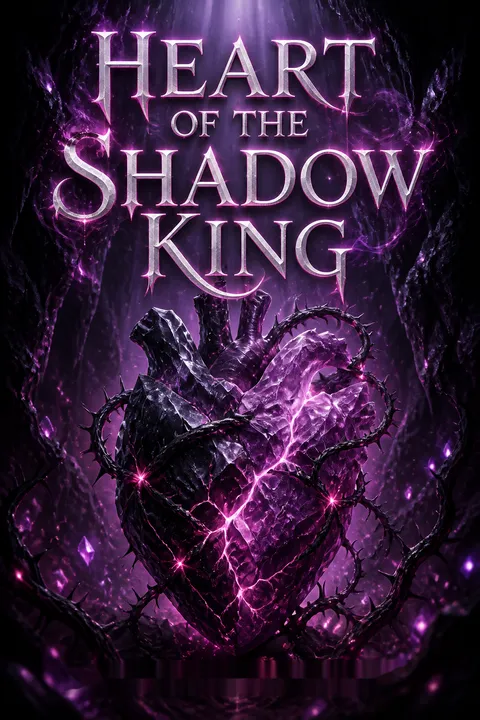
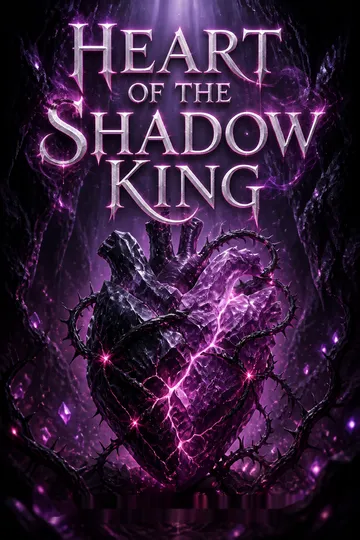
"Heart of the Shadow King" is a sweeping romantic fantasy that interrogates the nature of sacrifice, the burden of empathy, and the redemptive power of love. At its core, the novel is about the cost of miracles—how every act of salvation demands a price, and how true strength lies not in hardness alone, but in the willingness to feel, to suffer, and to hope. Faraine's journey from broken princess to savior queen is a meditation on the dangers of both unchecked feeling and unyielding stone; only by embracing both can she heal herself and her world. The story's use of prophecy, magical debt, and ritual underscores the tension between fate and agency, while its focus on liminal spaces and spiritual journeys invites readers to consider the boundaries between life and death, self and other. Ultimately, the novel argues that love—romantic, familial, and communal—is the force that binds worlds together and makes redemption possible. In a modern context, "Heart of the Shadow King" resonates as a tale of trauma, resilience, and the courage to choose connection over isolation, even when the world seems lost.
Review Summary
People Also Read





Characters
Faraine
Faraine is the gods-gifted daughter of a human king, marked by her ability to feel and channel the emotions of others. Her journey is one of transformation—from a self-doubting, isolated princess to the savior of the Under Realm. Her empathy is both her greatest strength and her deepest vulnerability, making her susceptible to pain but also uniquely capable of compassion. Faraine's love for Vor is the anchor that keeps her from losing herself in power or despair. Her arc is defined by the struggle to balance feeling and hardness, to wield her magic without becoming a monster, and to accept that true strength lies in embracing both pain and love. Her choices, especially the decision to face the dragon with empathy rather than violence, redefine what it means to be a hero.
Vor
Vor is the half-human, half-trolde king of Mythanar, a figure of immense strength and deep vulnerability. Haunted by the legacy of his parents and the expectations of his people, Vor is constantly forced to choose between his heart and his crown. His love for Faraine is both a source of joy and a cause of guilt, as he fears that choosing her means betraying his kingdom. Vor's journey is one of self-forgiveness and acceptance, learning that true kingship is not about sacrifice alone, but about the courage to love and to hope. His willingness to follow Faraine into the depths, to choose her above all else, is the act that ultimately saves both of them and the world.
Sul
Sul is Vor's half-brother, a prince whose charm masks deep wounds and conflicted loyalties. Driven by a desire to protect Vor and Mythanar, Sul resorts to betrayal and manipulation, believing that only by removing Faraine can he save the kingdom. His actions are both villainous and pitiable, rooted in love twisted by fear. Sul's arc is one of regret and reluctant acceptance, as he realizes that his efforts to control fate have only hastened disaster. His final acts—helping to save survivors and accepting his own limitations—are a quiet redemption.
Maylin
Maylin is Vor's estranged mother, a former queen and powerful gods-gifted witch. Her life is marked by loss, manipulation, and the desperate hope of redemption. Maylin's love for her lost beloved and her son drives her to orchestrate the events of the story, shaping Faraine into the weapon needed to face Arraog. Her methods are ruthless, her motives both selfish and self-sacrificing. In the end, Maylin pays the ultimate price, giving her life as the final sacrifice to balance the magic that saved Faraine. Her legacy is one of pain, but also of possibility—the chance for her son and Faraine to break the cycle of suffering.
Hael
Hael is Faraine's bodyguard and Vor's loyal captain, a trolde woman marked by strength and hidden vulnerability. Her devotion to duty leads her to offer herself as the willing sacrifice for the va-jor ritual, a choice that nearly costs her life. Hael's arc is one of silent suffering and steadfast courage, embodying the trolde ideal of becoming stone—hard, enduring, but not unfeeling. Her survival and continued loyalty are a testament to the power of choice and the bonds of found family.
Queen Roh
Roh is Vor's stepmother and a leader of the Children of Arraog, the cult that seeks salvation through enstonement. Her fanaticism is both a source of strength and a tragic flaw, driving her to support the va-jor ritual that petrifies Mythanar. Roh's arc is one of misguided faith, her desire for peace leading her to embrace oblivion. Her eventual rescue from va-jor by Faraine is an act of mercy that hints at the possibility of forgiveness and change.
Theodre
Theodre is Faraine's brother, a charming but often clueless crown prince of Gavaria. Initially a pawn in political schemes, Theodre grows into a figure of unexpected bravery, risking his life to save Faraine and Hael. His lightness provides contrast to the story's darkness, and his loyalty to his sister is a reminder of the enduring bonds of family.
Targ
Targ is the high priest of the Children of Arraog, a zealot whose belief in salvation through stone leads him to orchestrate the va-jor ritual. His actions are both sincere and catastrophic, embodying the dangers of faith untempered by compassion. Targ's willingness to sacrifice others—and himself—sets the stage for the story's greatest tragedies and its ultimate redemption.
Arraog
Arraog is the dragon at the heart of the world, a being of unimaginable power and suffering. Her rage and grief are the source of the Under Realm's cataclysms, and only empathy can reach her. Arraog is both monster and victim, her pain a mirror of the story's human struggles. Her eventual calming by Faraine is a triumph of compassion over violence.
Madame Ar
Madame Ar is the palace healer, a figure of stability and resilience. Her survival and return to duty after being freed from va-jor are emblematic of the city's capacity to heal and rebuild. She represents the everyday heroism that underpins the story's grander sacrifices.
Plot Devices
Life-Price and Magical Debt
The central plot device is the magical law that a life restored must be paid for by another. This debt, embodied in Maylin's crystal, drives the story's tension and choices. It is a literalization of the theme that nothing comes without cost, and that love and sacrifice are inseparable. The uncertainty of who will pay the price—Vor, Faraine, Maylin, or another—creates suspense and shapes every major decision.
Empathy as Power and Curse
The narrative structure is built around Faraine's empathic magic, which allows her to feel and channel the emotions of others. This power is both her greatest strength and her undoing, making her uniquely suited to confront the dragon but also vulnerable to manipulation and pain. The waxing and waning of her gift mirrors her psychological journey, and its ultimate integration with jor (stone-hardness) is the key to her victory.
Va-jor Ritual and Enstonement
The va-jor ritual, which turns living beings to stone, is used as a desperate measure to protect Mythanar from destruction. It is a double-edged sword—saving lives but trapping souls. The ritual's reliance on blood sacrifice and the tension between willing and unwilling victims highlight the story's moral complexity. The reversal of va-jor by Faraine is a redemptive act that restores hope.
Prophecy and Manipulation
The ancient prophecy of the Woman of Crystals is both a guiding light and a tool of manipulation. Maylin's efforts to fulfill the prophecy drive her to shape Faraine's life, blurring the line between fate and free will. The story uses foreshadowing and mythic echoes to build a sense of inevitability, even as characters struggle to assert agency.
Liminal Spaces and Spiritual Journeys
The narrative frequently moves into liminal realms—the Waiting Place, the heart of the world, the mist between life and death—where characters confront their deepest fears and desires. These journeys are both literal and metaphorical, representing the process of transformation and the search for meaning. The use of spiritual and magical thresholds heightens the emotional stakes and allows for moments of profound connection.
Love as Salvation
The story's structure is anchored by the love between Faraine and Vor, which is tested by every imaginable trial. Their willingness to choose each other, even at the cost of everything else, is the force that ultimately saves the world. The narrative uses repeated motifs of choice, sacrifice, and reunion to reinforce the idea that love—compassionate, enduring, and selfless—is the greatest magic of all.
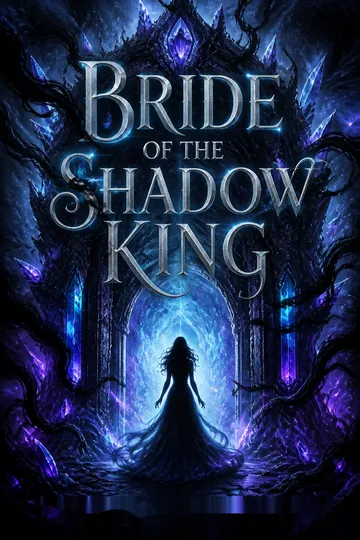
Bride of the Shadow King Series
About the Author
Download PDF
Download EPUB
.epub digital book format is ideal for reading ebooks on phones, tablets, and e-readers.








































