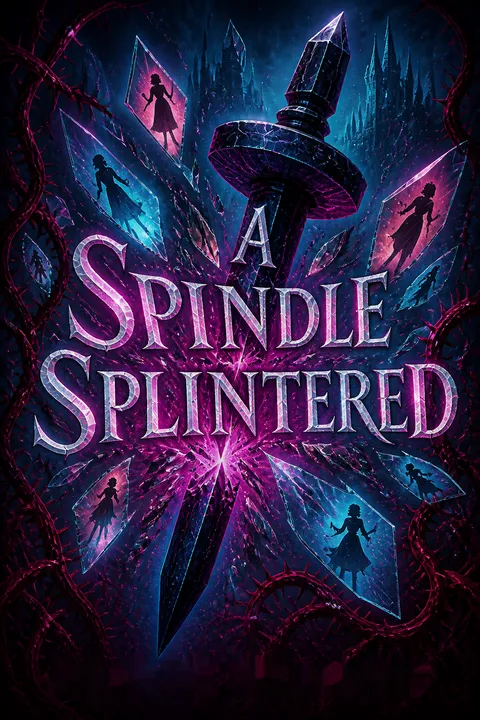

Plot Summary
Dying Girls and Fairy Tales
Zinnia Gray, a terminally ill folklore scholar, has lived her life under the shadow of Generalized Roseville Malady, a rare, fatal disease. Her fascination with the story of Sleeping Beauty is both personal and academic—she sees herself in the doomed princesses who sleep through their own stories. Zinnia's world is shaped by the knowledge that her time is short, and she clings fiercely to the things she loves, especially fairy tales. Her best friend, Charm, is her anchor, and together they navigate the bittersweet rituals of living with a ticking clock. Zinnia's voice is wry, self-aware, and deeply empathetic, setting the tone for a story that will challenge the boundaries of fate, agency, and the stories we inherit.
Birthday in the Tower
On her twenty-first birthday, Zinnia's friends—led by Charm—throw her a Sleeping Beauty-themed party in an abandoned watchtower. The celebration is both joyful and haunted, as everyone is aware of Zinnia's prognosis. The party is filled with fairy wings, roses, and a spinning wheel, a nod to the fairy tale that has defined Zinnia's life. As the night winds down, Zinnia, slightly drunk and feeling the weight of her mortality, is dared to prick her finger on the spindle. The moment is meant to be playful, but it becomes a turning point as Zinnia's blood touches the spindle, and reality begins to unravel.
Spindle, Blood, and Worlds Collide
The world blurs and Zinnia is pulled from her reality into another—a fairy tale kingdom where she meets Princess Primrose, a Sleeping Beauty on the verge of her own curse. The two girls are linked by the moment of the spindle prick, their stories overlapping in a cosmic accident. Zinnia realizes she's not dead, but somewhere impossible, and her presence disrupts the narrative of Primrose's world. The two quickly bond over their shared sense of doom and the loneliness of being cursed. Zinnia's hope is rekindled: maybe, in a world of magic, her fate can change.
Princesses Meet Across Stories
Zinnia wakes in Primrose's castle, disoriented but alive. She learns that Primrose's curse is imminent, and the princess is expected to marry Prince Harold, a man she does not love. The two women share their stories, recognizing the parallels in their lack of agency and the burdens placed upon them. Zinnia's outsider perspective and irreverent humor help Primrose see her own story differently. Together, they hatch a plan to confront the source of the curse, refusing to accept the endings written for them. Their alliance is forged in shared defiance and the hope for a better story.
Curses, Castles, and Engagements
Primrose is paraded before the court as the curse's deadline passes, and her engagement to Harold is announced. The castle is a gilded cage, and Primrose's misery is palpable. Zinnia observes the performative nature of royal life and the suffocating expectations placed on women. The curse's pull grows stronger, and the spinning wheel that brought Zinnia to this world vanishes, complicating any hope of returning home. The two women realize that neither marriage nor passive endurance will save them. Instead, they must take action, even if it means breaking the rules of their stories.
Escape Plans and Poisoned Sleep
Zinnia and Primrose decide to seek out the wicked fairy who cast the curse, hoping to negotiate or break it. Armed with a hidden knife and determination, they escape the castle under the cover of night. Their journey is fraught with danger—both magical and mundane—as Primrose's curse tries to reclaim her, pulling her toward sleep and doom. Zinnia's illness is a constant threat, but she pushes forward, driven by the possibility of changing both their fates. The journey cements their bond, and Zinnia's resolve to fight for more than just survival deepens.
Journey to the Wicked Fairy
Guided by a raven and Primrose's knowledge, the pair traverse the forbidden moor, a landscape shaped by sacrifice and old magic. Primrose's blood opens the way, and the journey becomes a test of endurance and will. The moor is haunted by the shadows of other stories and the threat of failure. As they reach the fairy's lair, Zinnia reflects on the countless girls trapped in similar tales, longing for rescue or agency. The approach to the fairy's castle is both literal and symbolic—a confrontation with the source of their suffering and the possibility of rewriting their destinies.
Truths, Blessings, and Choices
The wicked fairy, Zellandine, is not the villain they expected. She reveals her own tragic history as a sleeping beauty, cursed by circumstance and violence. Zellandine's "curse" was meant as a blessing—a way to protect Primrose from a loveless, dangerous marriage. The fairy's interventions across worlds are acts of resistance, not malice. The revelation reframes the narrative: curses can be shields, and villains may be survivors. Primrose and Zinnia are left to grapple with the limits of agency and the weight of choices made for them. The encounter is both heartbreaking and empowering.
Roses, Dungeons, and Rescue
Returning to the castle, Primrose and Zinnia are caught. The spinning wheel is destroyed, and Zinnia is thrown into the dungeon, separated from her friend. Facing despair, Zinnia turns to her only remaining connection—her phone and Charm, who is searching for a way to help from the other world. Zinnia's plea for help echoes across realities, and she is answered by other sleeping beauties from parallel worlds. The power of shared stories and solidarity becomes a lifeline, as Zinnia realizes that rescue is possible when girls reach for one another.
Multiversal Beauties Unite
Zinnia is joined in her cell by Charm and a cadre of sleeping beauties from other universes—warriors, scientists, and rebels, each with their own version of the tale. Together, they break free, using their unique strengths to overcome the castle's defenses. The rescue is chaotic and triumphant, a celebration of difference and unity. The group races to save Primrose from her forced wedding, determined to give her the choice denied to so many princesses. The multiversal alliance is a testament to the power of collective action and the rewriting of old narratives.
Wedding Crashers and New Endings
The beauties crash Primrose's wedding, disrupting the ceremony and exposing the hollowness of the "happily ever after" promised by tradition. Primrose, emboldened by her friends, rejects Harold and claims her own agency. The confrontation is both comedic and cathartic, as the old story is shattered and a new one begins. The group flees the castle, pursued by guards, and races to the tower in search of a way home. The climax is a whirlwind of action, emotion, and narrative resonance, as the boundaries between worlds blur and the possibility of true freedom emerges.
Homecoming and Second Chances
Zinnia collapses from her illness, teetering on the edge of death. She awakens in her own world, miraculously alive and surrounded by her parents, Charm, and Primrose. The journey has changed her—her disease is not cured, but the clock has been reset, granting her more time. Primrose chooses to stay in Zinnia's world, eager to explore a life beyond the confines of her fairy tale. The reunion is bittersweet, filled with gratitude, relief, and the recognition that every ending is also a beginning.
Futures Unwritten, Goodbyes Spoken
As Zinnia recovers, she contemplates her future for the first time. She reconnects with her family, finds joy in small moments, and watches as Charm and Primrose build a life together. The sense of possibility is overwhelming—Zinnia is no longer just playing out the clock, but actively choosing her path. She realizes that her story is not defined by her illness or her past, but by the choices she makes and the people she loves. The time comes to say goodbye, not out of despair, but out of hope for new adventures.
Once Upon a New Time
Zinnia decides to use her remaining time to help others—other sleeping beauties, other girls trapped in stories not of their making. She leaves home with a sense of purpose, determined to be the hero of her own narrative and to reach across worlds for those who need her. The story ends not with a happily ever after, but with a once upon a time—a promise that every ending is a chance to begin again, and that the power to change stories lies within us all.
Analysis
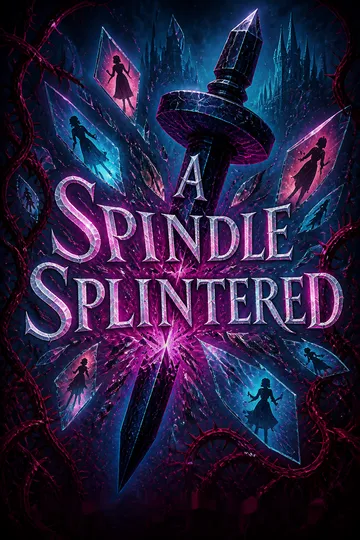
A Spindle Splintered is a fiercely modern, meta-feminist reimagining of Sleeping Beauty that interrogates the power of stories to both trap and liberate. Through Zinnia's journey, the novella explores themes of agency, mortality, friendship, and the necessity of rewriting inherited narratives. The blending of multiversal theory with fairy tale logic allows for a playful yet profound examination of how stories shape identity and possibility. Harrow's work is a call to arms for anyone who has felt trapped by circumstance or expectation: it insists that solidarity, defiance, and the courage to demand better endings are acts of radical hope. The book's emotional core is the love between Zinnia and Charm, and the recognition that true rescue comes not from princes or magic, but from the hands we reach for in the dark. Ultimately, the story is a celebration of second chances, chosen family, and the belief that every "once upon a time" can be rewritten.
Review Summary
People Also Read
Characters
Zinnia Gray
Zinnia is a young woman living with a fatal genetic disease, which has shaped her worldview and sense of urgency. Her obsession with Sleeping Beauty is both a coping mechanism and a lens through which she understands her own lack of agency. Zinnia is witty, sarcastic, and deeply empathetic, refusing to be defined solely by her illness. Her relationship with Charm is the emotional core of her life, providing both comfort and challenge. Over the course of the story, Zinnia transforms from a passive observer of her own fate into an active agent, determined to rewrite not just her story, but the stories of others. Her journey is one of self-acceptance, courage, and the radical act of hope.
Charm (Charmaine Baldwin)
Charm is Zinnia's anchor, a fiercely protective and resourceful friend who refuses to give up on her. She is practical, scientific, and driven by a hero complex rooted in her own complicated past. Charm's love for Zinnia is unwavering, manifesting in both tough love and genuine care. Her queerness and outsider status make her both a mirror and a foil for Zinnia. When Zinnia is lost between worlds, Charm's determination and intellect become the key to rescue. Her relationship with Primrose hints at new possibilities, and her arc is one of learning to let go and trust others to save themselves.
Princess Primrose
Primrose is the Sleeping Beauty of her world, raised in isolation and burdened by the knowledge of her impending curse. Outwardly perfect and dutiful, she is inwardly desperate for freedom and self-determination. Her engagement to Prince Harold is a symbol of the constraints placed upon her. Through her alliance with Zinnia, Primrose discovers her own strength and capacity for rebellion. Her journey is one of awakening—not just from magical sleep, but from the passivity imposed by her story. Primrose's choice to stay in Zinnia's world is an act of radical self-creation.
Zellandine (The Wicked Fairy)
Zellandine is the original Sleeping Beauty, transformed by trauma into a figure of power and ambiguity. Her "curse" is revealed to be a blessing, a desperate attempt to save girls like Primrose from fates worse than sleep. Zellandine's interventions across worlds are acts of resistance against patriarchal narratives. She is weary, wise, and deeply compassionate, carrying the scars of her own story. Her role complicates the binary of villain and hero, offering a nuanced perspective on agency, protection, and the costs of survival.
Prince Harold
Harold is the archetypal prince—handsome, entitled, and utterly lacking in self-awareness. His pursuit of Primrose is more about fulfilling a narrative than genuine love. He represents the dangers of unexamined privilege and the harm caused by rigid adherence to tradition. Harold's inability to understand Primrose's rejection is both comedic and tragic, highlighting the need for new stories and new kinds of heroes.
Zinnia's Parents
Zinnia's mother and father are defined by their love for their daughter and the pain of watching her suffer. Their attempts to protect and save her are both a comfort and a source of tension. They embody the complexities of parental love—its power to both nurture and suffocate. Their eventual acceptance of Zinnia's choices is a testament to growth and the importance of letting go.
Multiversal Sleeping Beauties
The other sleeping beauties who answer Zinnia's call are diverse in background, appearance, and temperament. Each represents a different version of the story—a warrior, a scientist, a rebel, a queen. Their willingness to unite and fight for one another is a powerful statement about solidarity and the universality of struggle. They are both individuals and archetypes, reminders that every story can be retold.
The Queen (Primrose's Mother)
The Queen is a figure of quiet strength, shaped by her own lack of choices. Her love for Primrose is genuine but constrained by the expectations of her role. She is both a cautionary tale and a source of hope, ultimately choosing to help Zinnia and Primrose break free. Her arc is one of subtle rebellion and the recognition that love can be a key, not just a cage.
The King
The King is a man defined by tradition and the desire to protect his daughter, but his efforts are ultimately misguided. He is unable to see beyond the narratives handed down to him, and his authority is both a shield and a prison. His role is to embody the limits of good intentions when unexamined.
The Castle Guards and Court
The guards, courtiers, and other minor characters serve as obstacles and reflections of the world's rules. They are not evil, but they are complicit in maintaining the systems that trap Primrose and Zinnia. Their reactions to the beauties' rebellion range from confusion to awe, underscoring the power of collective action to disrupt even the most entrenched structures.
Plot Devices
Narrative Resonance and Multiversal Overlap
The central plot device is the idea that stories, when told often enough, bleed through the fabric of reality, creating points of overlap between worlds. Zinnia's spindle prick is both a literal and metaphorical crossing—her fate and Primrose's become entangled, allowing for the possibility of change. The multiverse is depicted as a book, with each story a page, and the ink of repeated narratives seeping through. This device allows for the convergence of multiple sleeping beauties, each bringing their own strengths and perspectives. Foreshadowing is woven through Zinnia's academic knowledge and her awareness of narrative conventions, subverting expectations and empowering characters to seize agency. The structure is recursive, with stories within stories, and the ultimate message is that retelling and solidarity can break even the oldest curses.
Fractured Fables Series
About the Author

Download PDF
Download EPUB
.epub digital book format is ideal for reading ebooks on phones, tablets, and e-readers.








































