
Plot Summary
Dawn Before the Storm
Thalia stands at the edge of war, the sun rising over a kingdom bracing for invasion. Haunted by her past as a captive of Gavril, she steels herself, refusing to let fear show. Jorah, her loyal friend, offers comfort and protection, but Thalia's heart is already claimed by Sorin, the vampyre warrior. The threat of Gavril's return and the scars he left behind are ever-present, but Thalia is determined to face the coming chaos with strength. The bonds of friendship and unspoken love are tested as the kingdom prepares for battle, and Thalia's internal struggle between vulnerability and resilience sets the stage for the trials ahead.
Haunted by Scars
Thalia's nights are plagued by dreams of loss and violence, especially the death of Jorah, whose absence leaves her wracked with guilt. She finds fleeting comfort in Sorin's arms, but daylight brings distance and denial. The scars on her body are matched by those on her soul, reminders of the pain inflicted by Gavril and the choices she's made. Sorin's devotion is unwavering, but Thalia's fear of losing him keeps her from surrendering fully. The tension between desire and self-protection grows, as Thalia's need for solace battles with her terror of attachment and loss.
Night's Solace, Day's Distance
Sorin and Thalia share intimate moments in the darkness, where vulnerability is allowed and comfort is found. Yet, as dawn breaks, Thalia withdraws, masking her need with stoicism. Their friends, Adara and Evren, observe the growing tension, offering support but unable to bridge the emotional chasm. Thalia's role as a warrior and mentor to Adara is complicated by her own inner turmoil. The kingdom's fragile peace is threatened not only by external enemies but by the unresolved passions and grief within its defenders.
The King's Deadly Invitation
News arrives that the human king, Henrick, seeks a Starblessed bride, putting Thalia and others like her in danger. Spies report secretive meetings between Henrick and the fae, raising suspicions of dark alliances and blood magic. The kingdom's leaders debate who should infiltrate the human court—Sorin volunteers, but Thalia insists on going herself, believing her unique position as a Starblessed gives her the best chance to uncover the truth. The decision is fraught with risk, as both love and duty pull Thalia toward a perilous path.
Secrets and Sacrifice
Thalia defies Sorin and Evren, determined to enter the human king's competition alone. She confides in Adara, who fears for her safety but understands the necessity. Thalia's choice is as much about running from her feelings for Sorin as it is about protecting the kingdom. She prepares to leave, burdened by the knowledge that her actions may break Sorin's heart, but resolved to do what must be done. The cost of loyalty and the pain of unspoken love weigh heavily as Thalia sets out into the unknown.
A Kingdom's Gamble
Arriving at the human kingdom, Thalia adopts a new identity, hiding her scars and her past. The palace is a place of beauty and danger, filled with rivals and watchful eyes. Thalia must navigate the treacherous social landscape, using charm and cunning to gain King Henrick's favor. The other Starblessed are both allies and competitors, each with their own secrets and ambitions. Thalia's mission—to uncover the king's true intentions and the extent of his alliance with the fae—demands every ounce of her strength and wit.
Lovers Torn by Duty
Sorin, unable to stay away, follows Thalia to the human kingdom, torn between protecting her and respecting her autonomy. Their reunion is fraught with jealousy and unresolved passion, culminating in a desperate, forbidden night together. The boundaries between love and duty blur as they risk everything for fleeting moments of connection. The threat of discovery looms, and the consequences of their actions threaten not only their mission but their lives. The tension between personal desire and the greater good becomes nearly unbearable.
The Human King's Game
King Henrick's competition is a series of trials designed to test the Starblessed's magic, strength, and loyalty. Thalia excels, drawing the king's attention and the envy of her rivals, especially Cyra. The trials are not just contests of skill but battles for survival, as the king's true motives—power, control, and the use of blood magic—become increasingly apparent. Thalia must balance the need to win Henrick's trust with the danger of becoming his pawn, all while searching for evidence of his alliance with the fae.
Trials of Magic and Power
The competition intensifies, culminating in a brutal combat trial where Thalia and Cyra emerge as the strongest contenders. Thalia's prowess earns her the king's admiration and the suspicion of his court. The rivalry with Cyra turns personal, as secrets and betrayals come to light. Thalia's scars are exposed, threatening her carefully constructed façade. The king's interest in her deepens, but so does the peril, as the true nature of his ambitions—and his willingness to use and discard those around him—becomes clear.
Rival Queens, Hidden Wounds
As Thalia draws closer to winning the king's hand, the rivalry with Cyra escalates. Both women are haunted by their pasts and driven by their own forms of desperation. The king's manipulations pit them against each other, while Sorin's presence complicates Thalia's emotions. The scars Thalia hides become symbols of both her trauma and her resilience, and their revelation threatens to unravel everything she has worked for. The cost of survival grows higher, and the line between victim and victor blurs.
The Dance of Deceit
Thalia's relationship with King Henrick becomes increasingly dangerous as he uncovers her secrets and her connection to Sorin. The king's possessiveness turns violent, and Thalia is forced to defend herself, leading to a confrontation that exposes the full extent of his cruelty and his alliance with the fae. Sorin's attempt to rescue her results in tragedy, as he is gravely wounded by blood magic. The palace erupts in chaos, and Thalia's carefully laid plans collapse under the weight of betrayal and violence.
Blood and Betrayal
Thalia is captured and tortured, her magic suppressed by wards and blood magic. King Henrick and King Riven reveal their true intentions—to use her power to fuel their own. Thalia's resilience is tested to its limits as she faces the threat of being drained and discarded. Sorin, barely alive, becomes her last hope. The love and trust between them are put to the ultimate test as Thalia risks everything to save him, even at the cost of her own freedom and safety.
The Price of Survival
In a desperate act, Thalia uses her own blood to heal Sorin, breaking the cycle of victimhood and reclaiming her agency. Their escape is a harrowing journey through fire and blood, as Thalia unleashes her full power to destroy the palace and those who sought to enslave her. The cost is immense—physical, emotional, and magical—but the bond between Thalia and Sorin is finally laid bare. Their love, forged in suffering and sacrifice, becomes a source of strength and hope.
The Breaking Point
Thalia and Sorin flee into the wilderness, pursued by the ghosts of their trauma and the consequences of their actions. The wounds—both literal and metaphorical—are slow to heal. Thalia is haunted by guilt over the destruction she caused and the lives lost, while Sorin grapples with the pain of nearly losing her. Their reunion with Evren and Kalen brings relief but also the need to confront the past and the future. The journey home is as much about healing as it is about survival.
Fire and Flight
The fall of the human and fae kings brings a measure of justice, but the scars of war and betrayal linger. Thalia and Sorin return to the Blood kingdom, where they are welcomed as heroes but must still face the memories of those they lost. The kingdom begins to rebuild, and the threat of blood magic is finally extinguished. Thalia's journey from victim to victor is complete, but the cost is etched into her skin and soul. The promise of peace is fragile, but hope endures.
Love's Last Stand
In the quiet aftermath, Thalia and Sorin finally confess their love, allowing themselves to be vulnerable and whole. The barriers that once kept them apart—fear, guilt, and the weight of the past—are broken down. Their union is both a personal victory and a symbol of the kingdom's resilience. Together, they begin to imagine a future not defined by pain, but by the possibility of healing and happiness. The journey from darkness to light is not easy, but it is theirs to share.
Homecoming and Healing
Thalia and Sorin's return is marked by forgiveness and the rekindling of bonds with friends and family. Evren and Adara welcome them home, and the wounds of the past begin to close. The kingdom, too, starts to heal, its people inspired by the courage and sacrifice of its champions. Thalia's scars remain, but they are no longer symbols of shame—they are marks of survival and strength. The promise of a new beginning is celebrated, and the pain of loss is honored without being allowed to define the future.
Promises Under Starlight
Under the open sky, Thalia and Sorin reflect on all they have endured and all they have gained. The memory of lost friends, especially Jorah, lingers, but gratitude and love prevail. Their marriage is a testament to resilience, and their vows are made not just to each other, but to the promise of living fully despite the scars of the past. The story closes with hope—a future built on trust, healing, and the unbreakable bond between two souls who have survived the fire and claimed their fate.
Analysis
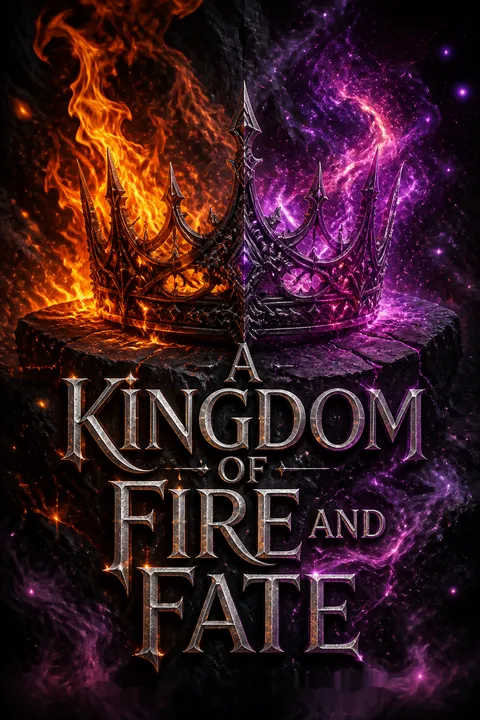
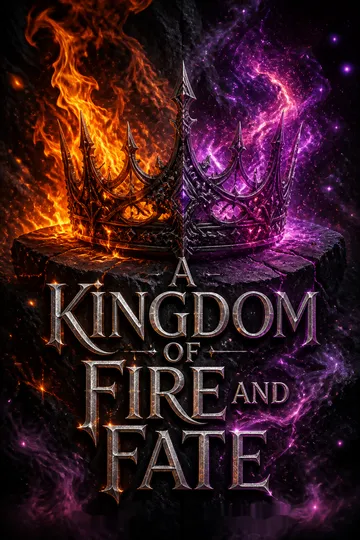
A Kingdom of Fire and Fate is a dark, romantic fantasy that explores the enduring impact of trauma, the complexities of love, and the struggle for agency in a world rife with power imbalances. At its core, the novel is about survival—not just in the face of external threats, but against the internalized wounds left by abuse and betrayal. Thalia's journey from victim to victor is both harrowing and inspiring, marked by moments of weakness, resilience, and ultimately, self-acceptance. The story interrogates the cost of sacrifice, the dangers of conflating love with possession, and the necessity of confronting the past to claim a future. Through its use of trials, magic, and shifting alliances, the book examines how systems of power perpetuate cycles of violence, and how breaking those cycles requires both personal and collective courage. The ultimate lesson is one of hope: that healing is possible, that scars can become symbols of strength, and that love—when chosen freely and embraced fully—can be both a refuge and a revolution.
Review Summary
People Also Read






Characters
Thalia
Thalia is the heart of the story—a Starblessed woman marked by trauma, loss, and resilience. Once a victim of Gavril's cruelty, she is scarred both physically and emotionally, her past a constant shadow. Her relationships are complex: she mourns Jorah, relies on Adara, and is fiercely drawn to Sorin, whose love both comforts and terrifies her. Thalia's journey is one of reclaiming agency—she chooses to risk everything for her kingdom, even as she battles the fear of losing those she loves. Her psychological depth is defined by guilt, self-doubt, and a desperate need for control, but also by a capacity for love and sacrifice that ultimately leads her to healing and hope.
Sorin
Sorin is Thalia's anchor and greatest temptation—a vampyre warrior whose loyalty is matched only by his passion. Haunted by the loss of Jorah and his own inability to save Thalia from her nightmares, Sorin is both fierce and vulnerable. His love for Thalia is all-consuming, bordering on possessive, but it is also selfless; he is willing to risk everything, even her hatred, to keep her safe. Sorin's psychological struggle centers on the tension between his need to protect and his respect for Thalia's autonomy. His journey is one of learning to trust, to let go, and to accept love not as weakness, but as strength.
King Henrick
King Henrick is the human monarch whose quest for a Starblessed bride masks darker ambitions. Outwardly charismatic and attentive, he is inwardly calculating, possessive, and ultimately cruel. His alliance with the fae and use of blood magic reveal a willingness to exploit and destroy for power. Henrick's psychological complexity lies in his ability to feign vulnerability and desire, only to reveal a core of entitlement and violence. His relationship with Thalia is a study in manipulation, as he seeks to possess her while underestimating her strength.
Jorah
Jorah is Thalia's steadfast companion and unrequited admirer, whose death haunts the narrative. His love for Thalia is pure but unreturned, and his loss becomes a source of guilt and grief for both Thalia and Sorin. Jorah's presence lingers as a symbol of what is lost in war and the cost of survival. His memory shapes Thalia's actions, driving her to honor his sacrifice by fighting for a better future.
Adara
Adara is Thalia's closest friend and a fellow Starblessed, married to Evren. She provides emotional support and practical wisdom, helping Thalia navigate both personal and political challenges. Adara's own trauma mirrors Thalia's, and their bond is forged in shared suffering and mutual care. She is a voice of reason and compassion, urging Thalia to accept help and reminding her that vulnerability is not weakness.
Evren
Evren is the prince (and later king) of the Blood kingdom, a shrewd and compassionate ruler. His relationship with Thalia is brotherly, marked by deep trust and occasional conflict over how best to protect the kingdom. Evren's leadership is defined by his willingness to make hard choices and his loyalty to those he loves. He is both a source of stability and a reminder of the burdens of power.
Cyra
Cyra is Thalia's chief competitor for King Henrick's hand, a Starblessed with her own scars and ambitions. Her rivalry with Thalia is fueled by jealousy, desperation, and a desire for validation. Cyra's actions are often antagonistic, but her motivations are rooted in her own pain and longing for acceptance. She serves as a mirror to Thalia, reflecting the dangers of allowing trauma to become bitterness.
King Riven
King Riven is the architect of much of the story's suffering—a master of blood magic and manipulation. His alliance with Henrick and his history with Thalia and Adara make him a formidable and terrifying antagonist. Riven's psychological makeup is defined by a lust for power and a complete lack of empathy, making him a symbol of the dangers of unchecked ambition and the dehumanization of others.
Kalen
Kalen is Evren's trusted spy, instrumental in gathering intelligence and aiding Thalia and Sorin's escape. He is quiet, observant, and deeply loyal, operating in the shadows to protect the kingdom. Kalen's presence is a reminder that heroism often goes unseen, and his actions are motivated by a sense of duty and friendship.
Gavril
Though dead before the story begins, Gavril's legacy of violence and control shapes every aspect of Thalia's psyche. He is the source of her deepest wounds and the standard by which she measures all threats. Gavril's memory is a constant antagonist, his cruelty a force that Thalia must overcome not just physically, but emotionally and spiritually.
Plot Devices
Trauma as Catalyst and Obstacle
The narrative is structured around the enduring impact of trauma—Thalia's scars, both visible and hidden, are not just backstory but active forces shaping her decisions, relationships, and sense of self. Nightmares, flashbacks, and physical reminders of abuse are used to foreshadow danger, motivate sacrifice, and complicate intimacy. The story's emotional arc is built on the tension between the desire for healing and the fear of vulnerability, with trauma serving as both a catalyst for action and an obstacle to happiness.
Duality of Love and Duty
The central conflict is the push and pull between love (Thalia and Sorin's relationship) and duty (the need to protect the kingdom). This duality is explored through parallel plotlines—romantic longing is constantly interrupted by political intrigue, and moments of intimacy are shadowed by the threat of loss. The narrative structure alternates between personal and public stakes, using foreshadowing (dreams, warnings, scars) to heighten suspense and emotional investment.
Trials and Competitions
The king's competition for a Starblessed bride serves as both a literal and metaphorical trial. The challenges—tests of magic, combat, and loyalty—mirror Thalia's internal battles with self-worth, trust, and agency. The structure of the trials provides a framework for character development, escalating tension, and the revelation of secrets. The competition also functions as a crucible, forcing alliances, betrayals, and moments of reckoning.
Blood Magic and Power Dynamics
Blood magic is both a plot device and a symbol of exploitation, addiction, and the transfer of power. The use and abuse of magic reflect the broader themes of autonomy, consent, and the cost of survival. The narrative uses the mechanics of magic—wards, feeding, healing—to create suspense, drive action, and explore the psychological consequences of being used or using others.
Cyclical Structure and Foreshadowing
The story is structured around cycles—of trauma, of sacrifice, of love and loss. Nightmares repeat, patterns of abuse threaten to recur, and characters struggle to break free from the past. Foreshadowing is used to build dread and anticipation, while moments of breaking the cycle (Thalia healing Sorin, confessing love, destroying the palace) mark turning points in the narrative. The epilogue's peaceful scene under the stars serves as both closure and a promise that healing, though never complete, is possible.
Stars and Shadows Series
About the Author


Download PDF
Download EPUB
.epub digital book format is ideal for reading ebooks on phones, tablets, and e-readers.








































