
Plot Summary
Love and Silence
Orla McGrath, a painter, and her husband Nick, struggle with their son Sam's selective mutism. Orla's love for Sam is fierce, sometimes frightening, and she is haunted by the intensity of her feelings. The family's life in Bristol is marked by Orla's anxiety and Nick's desire for change. When Sam's silence persists, Nick proposes a move to the Dorset coast, near his parents, hoping the countryside will help their son. Orla, ambivalent but compliant, agrees. The move is as much about escaping their current life as it is about seeking healing for Sam. The family's dynamic is shaped by unspoken tensions, Orla's lost artistic ambitions, and the hope that a new house might bring peace.
The Reeve Beckons
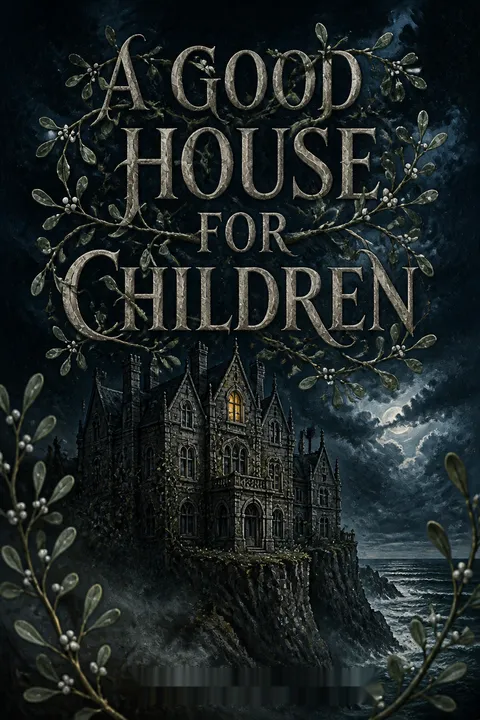
The McGraths arrive at The Reeve, an imposing, isolated house perched on a cliff. Its beauty is matched by its strangeness: vast, echoing rooms, overgrown gardens, and a sense of history pressing in. Orla is both enchanted and unsettled, feeling the house's personality and secrets. Nick is decisive, eager to claim the space, while Orla is more cautious, sensing the house's latent power. The children, especially Sam, are drawn to the garden and the sea beyond. The Reeve's architecture—its windows, landings, and attic—suggests a place designed to observe and contain. Orla's sense of self begins to blur as she slips into the rhythms of the house, which seems to awaken with their arrival.
Echoes of the Past
In 1976, Lydia, a Londoner, becomes nanny to Sara and Doug's children at The Reeve. The house is a refuge after Doug's death, but also a place of unease. Lydia navigates Sara's detachment, the children's wildness, and her own longing for connection. The twins, Tabitha and Clover, are inseparable and secretive; Philip, the sensitive middle child, clings to Lydia. The house's history is layered with sorrow and neglect. Lydia's outsider status is both a comfort and a burden, as she becomes the children's emotional anchor. The past and present intermingle, with Lydia's experiences foreshadowing the McGraths' future struggles.
Settling Shadows
Orla adjusts to life at The Reeve, managing the children alone during the week while Nick works in Bristol. The house's size and emptiness amplify her loneliness. She befriends Claude, the local gallery owner, and contemplates returning to painting. The villagers are wary, hinting at the house's dark reputation. Orla's relationship with Nick grows strained as she shoulders the burdens of motherhood and renovation. The house's quirks—locked doors, strange noises, and shifting light—become sources of anxiety. Orla's sense of self erodes as she becomes more attuned to the house's moods and mysteries.
Unspoken Tensions
The McGraths' daily life is marked by small failures and growing distance. Orla's attempts to help Sam speak are met with resistance. Nick's absence and Orla's isolation deepen her sense of inadequacy. The house's history intrudes: birds crash into windows, objects go missing, and Sam's drawings depict ghostly children and a mysterious pond. Orla's art becomes a compulsion, her paintings dark and unsettling. The house seems to demand attention, feeding on the family's vulnerabilities. Orla's longing for connection is thwarted by the house's oppressive presence and the family's inability to communicate.
Children's Games
The children at The Reeve—both past and present—are drawn into games that blur the line between play and peril. In 1976, Lydia observes the twins' private language and their friendship with an unseen boy. Philip feels excluded and yearns for belonging. In the present, Sam's silence is mirrored by his fascination with the garden and his imaginary companions. Nursery rhymes and clapping games echo through the house, carrying warnings and memories. The boundaries between the living and the dead, the real and the imagined, grow porous as the children become conduits for the house's secrets.
The House Watches
The house exerts its influence through subtle and overt means: locked doors open, birds die, and objects from the past surface. Orla discovers a child's shoe hidden in a chimney, a christening bracelet buried in the garden, and Sam's drawings become increasingly disturbing. The villagers' warnings intensify, and Orla learns of past tragedies—children lost, drownings, and families who never stayed long. The house's appetite for attention and sacrifice becomes undeniable. Orla's attempts to protect her children are undermined by the house's relentless demands and her own unraveling sense of reality.
Warnings and Whispers
Both timelines converge around warnings ignored and tragedies foretold. In the past, Lydia tries to shield the children from the house's dangers, but illness and grief overwhelm her. Sara's attempts at natural remedies backfire, and Philip's illness becomes fatal. In the present, Orla's fears for Sam and Bridie escalate as the house's manifestations become more aggressive. Mistletoe grows unchecked, and the garden's secrets—especially the pond—loom large. The house's history of loss and longing is mirrored in Orla's own struggles to keep her family safe.
The Garden's Secret
The garden, especially the site of the old pond, is a focal point for the house's malevolence. In both timelines, children are drawn to the water, and accidents—real and supernatural—occur. Sam's play with invisible friends leads him to danger; in the past, the twins' games and Philip's longing for connection end in tragedy. The pond is a symbol of the house's power to consume and erase. Orla's attempts to reclaim the garden are thwarted by the persistence of the past and the house's refusal to let go of its dead.
Portraits and Presences
Orla's paintings become a battleground between her will and the house's influence. Her portrait of Sam is unsettling, capturing a version of him that is both familiar and alien. The act of painting is both a refuge and a risk, as the house seems to shape her work. The past intrudes through objects, dreams, and visions—Lydia's sightings of a mysterious woman, Orla's glimpses of children not her own. The house's need to be seen and remembered is channeled through art, but the cost is high: Orla's sense of self and safety erodes.
Winter's Grip
As winter descends, the house's hold tightens. Orla's sleep is disturbed by dreams and nocturnal wanderings. Sam's accident—falling from a tree, breaking his arm—deepens Orla's guilt and Nick's resentment. In the past, Philip's illness becomes fatal, and Lydia is consumed by grief and helplessness. The house's appetite for suffering is insatiable, and the families within are powerless to resist. Attempts at protection—charms, rituals, and vigilance—prove futile. The house's history of loss is reenacted, and the living are drawn ever closer to the fate of the dead.
Hide-and-Seek
The motif of hide-and-seek recurs as children disappear—sometimes literally, sometimes into silence or death. Orla's terror peaks when Sam goes missing in the garden, playing with unseen companions. In the past, Lydia follows a vision of Philip to the pond, only to lose him again. The house's power is most acute in these moments of loss, when mothers are unable to protect their children. The boundaries between timelines blur, and the house's victims are united in their longing and grief. The game is never truly over; the house always finds its prey.
The Breaking Point
The accumulated tensions—between Orla and Nick, Lydia and Sara, parent and child—erupt. Accusations fly, blame is assigned, and relationships fracture. Orla's sense of failure is compounded by Nick's anger and the villagers' suspicions. Lydia is dismissed by Sara, forced to leave the children she loves. The house's influence is revealed to be both supernatural and psychological, feeding on guilt, grief, and unmet needs. The characters' attempts to escape or appease the house are met with indifference or punishment. The Reeve's hunger is never sated.
Midsummer Revelations
The village's Midsummer festival brings the community together, but also exposes the house's reputation and the persistence of old beliefs. Orla is attacked by Toby's grandmother, who blames her for the house's tragedies. The festival's rituals—parades, costumes, and the figure of the White Lady—echo the house's own cycles of loss and renewal. In the past, Lydia and the twins attend the festival, only to return to a house overtaken by mistletoe and neglect. The thin place between worlds is most permeable now, and the house's ghosts are closest to the surface.
Loss and Leaving
Lydia is forced to leave The Reeve, abandoning the twins and Owen to Sara's unraveling care. Orla, after a series of near-tragedies, is left alone as Nick takes the children to his parents. The house, now overrun with mistletoe and decay, is both a tomb and a trap. The characters' departures are marked by regret, guilt, and the sense that escape is only temporary. The house's history of abandonment is perpetuated, and its need for new inhabitants remains. The cycle of arrival and loss continues.
The House Devours
Alone in The Reeve, Orla succumbs to the house's demands. Her art becomes increasingly abstract, full of holes and wounds. She wanders the house at night, unable to sleep, and is drawn to the sea. The house's hunger is finally appeased as Orla walks into the water, offering herself as a sacrifice. In the past, Sara drowns herself in the pond, joining the house's legion of lost mothers and children. The Reeve is both devourer and memorial, a place where the living and the dead are forever entwined.
Alone in the Reeve
Orla's disappearance leaves The Reeve empty, but not at peace. The house is now a mausoleum, overgrown with mistletoe and haunted by the memories of those it has consumed. The cycles of arrival and loss, love and grief, are inscribed in its walls and gardens. The house's need for witness and remembrance is both its curse and its purpose. The story ends with the sense that The Reeve will always hunger for new lives to shape and devour.
Arrival and Return
In 2023, a new family arrives at The Reeve, full of hope and plans for the future. Jenny, pregnant and optimistic, feels an uncanny sense of belonging. The house welcomes them, its history hidden but not erased. As Jenny gazes out at the garden, she glimpses a mysterious figure in the grass—an echo of the past, a warning for the future. The cycle begins anew, as The Reeve prepares to weave another family into its tapestry of love, loss, and longing.
Analysis
A Good House for Children is a modern gothic novel that explores the intersection of motherhood, grief, and the supernatural through the lens of a haunted house. The Reeve is both a literal and metaphorical space: a repository for the traumas and longings of its inhabitants, and a sentient force that shapes their fates. The novel interrogates the burdens of motherhood—the impossibility of perfect protection, the erasure of self, and the transmission of pain across generations. Through its dual timelines, the book suggests that history is inescapable, and that the past is always present, especially in places marked by loss. The use of psychological horror, unreliable perception, and rich symbolism creates an atmosphere of dread and inevitability. The house's hunger for attention, memory, and sacrifice is a metaphor for the ways in which families and societies consume women's labor and love. Ultimately, the novel warns that the desire to create a safe haven can become a trap, and that the stories we inherit—and the places we inhabit—shape us in ways we cannot fully control. The final image of a new family arriving at The Reeve is both hopeful and ominous, suggesting that the cycles of love, loss, and haunting will continue as long as there are houses—and hearts—hungry for meaning.
Review Summary
People Also Read
Characters
Orla McGrath
Orla is the emotional and psychological center of the novel, a woman whose love for her children is both nurturing and suffocating. Her relationship with her son Sam is marked by anxiety over his mutism and a desperate need to protect him. Orla's artistic ambitions are stifled by motherhood and isolation, and her sense of self erodes as she becomes more attuned to The Reeve's moods. She is both victim and participant in the house's cycles, ultimately offering herself as a sacrifice in a bid to save her children. Orla's psychological journey is one of longing, guilt, and surrender, as she is consumed by the very house she hoped would heal her family.
Sam McGrath
Sam's selective mutism is both a symptom and a symbol of the family's dysfunction. He communicates through drawings, gestures, and his connection to the garden and its invisible inhabitants. Sam is both vulnerable and resilient, navigating the house's dangers with a child's logic. His relationship with Orla is intense, marked by mutual dependence and misunderstanding. Sam's silence is a form of resistance, but also a channel for the house's influence. He is both a victim and a survivor, carrying the weight of the house's history into the future.
Nick McGrath
Nick is the driving force behind the family's move to The Reeve, motivated by a desire to fix what he perceives as broken. His relationship with Orla is strained by unspoken resentments and differing priorities. Nick's absence—both physical and emotional—exacerbates Orla's isolation and the family's vulnerability. He is both well-meaning and oblivious, unable to see the house's true nature or the depth of Orla's suffering. Nick's pragmatism is ultimately inadequate in the face of the house's supernatural and psychological demands.
Bridie McGrath
Bridie, Orla and Nick's younger child, is a symbol of hope and renewal, but also of vulnerability. She is less demanding than Sam, but becomes a target for the house's hunger as the story progresses. Bridie's near-accidents and her mother's fear for her safety underscore the house's power to threaten even the most innocent. She represents the future that Orla is desperate to protect, and her survival is both a victory and a loss.
Lydia
Lydia is the heart of the 1976 timeline, a Londoner who becomes the emotional anchor for Sara's children. Her longing for connection and her outsider status make her both vulnerable and perceptive. Lydia's relationships with the children—especially Philip—are marked by tenderness and sorrow. She is powerless to prevent the tragedies that unfold, but her efforts to protect and remember the children are acts of resistance against the house's erasure. Lydia's psychological journey is one of grief, guilt, and reluctant acceptance.
Sara
Sara is a complex figure, undone by the loss of her husband and son. Her attempts to create a safe haven at The Reeve are undermined by her own detachment and the house's malevolence. Sara's relationship with Lydia is fraught, marked by dependence and resentment. Her descent into despair and eventual suicide are both a personal tragedy and a fulfillment of the house's cycle of loss. Sara embodies the limits of maternal love and the dangers of denial.
Philip
Philip is the most vulnerable of Sara's children, a boy marked by sensitivity and longing for acceptance. His illness and death are the emotional core of the 1976 narrative, and his absence haunts both timelines. Philip's relationship with Lydia is one of mutual need and affection. He is both a victim of circumstance and a symbol of the house's power to consume those who are most unprotected.
Tabitha and Clover
The twins are inseparable, communicating in their own language and forming alliances with invisible friends. They are both innocent and complicit, drawn into the house's games and rituals. Their relationship with Philip is ambivalent, and their survival is marked by a loss of innocence. The twins embody the house's ability to shape and distort childhood, turning play into peril.
Toby
Toby is a local hired to help with the garden, and becomes a rare source of support for Orla. His kindness and practicality are a balm for Orla's isolation, but he is ultimately drawn into the house's web. Toby's fall from the ladder is both a literal and symbolic warning of the house's danger. His family's superstitions and his grandmother's warnings highlight the persistence of old beliefs and the house's reputation in the village.
The Reeve (The House)
The Reeve is more than a setting; it is a character in its own right. The house is both a witness to and a participant in the cycles of love, loss, and longing that play out within its walls. It hungers for attention, sacrifice, and remembrance, shaping the lives of its inhabitants to suit its needs. The house's power is both supernatural and psychological, feeding on grief, guilt, and unmet desires. It is a place where the boundaries between past and present, living and dead, are blurred. The Reeve is both a tomb and a cradle, a place where stories begin and end.
Plot Devices
Dual Timelines and Mirrored Tragedies
The novel employs a dual timeline structure, alternating between the present-day McGrath family and the 1976 narrative of Lydia and Sara's family. This device allows the author to explore the house's history and the repetition of trauma across generations. Events in one timeline foreshadow or mirror those in the other: children's games, accidents, and the gradual unraveling of mothers. The cyclical nature of the plot reinforces the idea that The Reeve is a place where history repeats, and that the house's hunger is never satisfied. The use of nursery rhymes, repeated motifs (such as mistletoe, ponds, and portraits), and the recurrence of certain phrases and images create a sense of inevitability and doom.
Unreliable Perception and Psychological Horror
The novel's horror is as much psychological as supernatural. Characters' perceptions are frequently unreliable: Orla's dreams bleed into waking life; Lydia sees ghosts and is unsure of her sanity; children's drawings and games reveal truths that adults cannot face. The house manipulates time, space, and memory, creating a sense of disorientation and dread. Locked doors open and close, objects from the past surface, and the boundaries between the living and the dead are porous. The use of art—Orla's paintings, Sam's drawings—as both witness and warning heightens the sense of unreality and the power of the house to shape its inhabitants' minds.
Foreshadowing and Symbolism
The novel is rich in foreshadowing and symbolism. Objects such as the child's shoe, the christening bracelet, and the hag stone serve as links between timelines and as markers of the house's history. Nursery rhymes and children's songs carry hidden warnings and echo the fates of the characters. The natural world—especially the garden, the pond, and the mistletoe—serves as both setting and symbol, representing the house's power to nurture and destroy. The recurring motif of holes—literal and metaphorical—suggests the presence of unseen forces and the permeability of reality.
The House as Character
The Reeve is not merely a backdrop but an active participant in the story. It shapes events, influences emotions, and demands sacrifice. The house's needs are expressed through accidents, hauntings, and the compulsion to remember and repeat. Its sentience is suggested through the reactions of animals, the growth of plants, and the uncanny timing of events. The house's hunger is both literal (for lives, for attention) and metaphorical (for stories, for meaning). The final chapter, in which a new family arrives, reinforces the idea that the house's cycles will continue, and that its story is never truly over.
Download PDF
Download EPUB
.epub digital book format is ideal for reading ebooks on phones, tablets, and e-readers.








































