
Plot Summary
Last Dance in the Glade
Briony Rose, a fae orphan raised in a convent, dances alone in a secluded glade, savoring her last moments of freedom before adulthood forces her into a practical life as a governess. Her dreams of ballrooms and belonging are bittersweet, colored by the knowledge that her parents never came for her. In her daydreams, she conjures memories and even the image of Thorne Blackwood, a human baker she once saw from afar. Their imaginary dance is interrupted by a strange, vivid encounter—one that feels more real than any dream. As Briony prepares to leave the only home she's ever known, she is haunted by longing, loss, and the sense that her life is about to change forever.
Dreams and Unwanted Goodbyes
Briony's birthday at the convent is a celebration tinged with sorrow, as she and her friends realize it marks her final day among them. The teachers, fae sisters who raised her, struggle with the secret they've kept: Briony's parents have finally sent for her. The news is both a miracle and a shock, upending Briony's resignation to a future as a governess. As she says goodbye to the only family she's known, Briony is swept into a tide of conflicting emotions—hope, fear, and the ache of leaving behind the comfort of the familiar for the uncertainty of her true heritage.
A Birthday, A Letter
Briony receives a letter from her birth mother, Queen Divina Briar, filled with effusive love and apologies for years of absence. The letter reveals that Briony is not only a princess but also engaged to a stranger, Monty Phillips, in a political alliance meant to save her family's throne. The warmth of her mother's words is both a balm and a burden, as Briony grapples with the reality of being wanted and the pressure of being her family's "hero." The letter ignites hope but also fear—of not belonging, of being used, and of losing herself in the expectations of others.
The Stranger Arrives
Thorne Blackwood, the enigmatic baker from Briony's dreams, arrives at the convent to escort her to her family. The encounter is fraught with awkwardness and unspoken recognition, as Briony struggles to reconcile the fantasy version of Thorne with the real man. The truth of her identity as Princess Rosaline Briar is revealed, along with the political machinations that have shaped her life. Briony is swept away from the convent in secrecy, unable to say proper goodbyes, and thrust into a world of bargains, bargains, and the ever-present threat of being a pawn in someone else's game.
Truths and Revelations
On the journey to her family, Thorne and Briony engage in a tense dance of questions and half-truths. Thorne reveals the ancient feud between the Briars and the Lemurias, two fae families cursed to destroy each other. Briony learns she is the "iron-cursed" nextborn, doomed to be bound by iron if it touches her flesh, and that Thorne is her fated nemesis. Their connection is deeper than either realized, forged in dreams and blood. The weight of destiny, curses, and family secrets presses down on Briony, even as she yearns for agency and love.
The Bargain and the Journey
Briony and Thorne arrive at Nocturnus Palace, where she meets her exuberant mother and her strange, loving fae family. The joy of reunion is quickly overshadowed by the revelation that her engagement to Monty is not just a formality but a necessity for her family's survival. Briony is swept into a world of court politics, expectations, and the looming threat of her own curse. Thorne, bound by a bargain to protect her, becomes both ally and adversary, as their fates entwine in ways neither can escape.
Curses and Family Feuds
The ancient feud between the Briars and Lemurias is laid bare: betrayals, curses, and a cycle of violence that has left both families scarred. Briony learns the true cost of her heritage and the danger she faces—not just from outside enemies, but from the legacy of violence and mistrust within her own bloodline. Thorne's role as both protector and potential destroyer becomes clear, as does the impossibility of escaping the past. The only hope lies in breaking the cycle, but at what cost?
The Princess and the Baker
Briony's introduction to her family is a whirlwind of affection, awkwardness, and the realization that she is both cherished and instrumental. The warmth of her parents and relatives is genuine, but always tinged with the knowledge that her marriage is a transaction. Thorne, meanwhile, struggles with his dual identity as both Briony's dream confidant and her family's nemesis. Their growing connection is fraught with longing, guilt, and the ever-present threat of betrayal.
A New Home, Old Fears
Briony's new life is a mixture of luxury and confinement. She is celebrated, dressed in finery, and paraded before her family, but her choices are limited and her future is not her own. The pressure to marry Monty and save her family is relentless, and the threat of her curse—and Thorne's power over her—looms large. Briony's dreams become both refuge and torment, as she struggles to hold onto her sense of self amid the expectations of others.
The Family She Never Knew
Briony's longing for family is fulfilled, but not in the way she imagined. Her parents' love is real, but so are their flaws and the darkness of their past. The Briars' desperation to maintain power leads to choices Briony cannot condone, and she is forced to confront the reality that love and loyalty are not always enough. The tension between duty and desire, between saving her family and saving herself, becomes unbearable.
The Governess or the Bride
Briony is faced with an impossible decision: accept a life of quiet service as a governess, or sacrifice her heart and marry Monty to save her family. The weight of expectation, the fear of being used, and the longing for agency war within her. Thorne's presence complicates everything, as their connection deepens and the lines between enemy and ally blur. Briony's dreams become a battleground for her desires, her fears, and her hope for something more.
The Bargain's Price
Briony and Thorne strike a desperate bargain: she will marry Monty to break the curse and save both their families, and Thorne will help her succeed. Their alliance is fraught with tension, longing, and the ever-present threat of betrayal. Monty, meanwhile, turns their courtship into a series of humiliating games, forcing Briony to perform, compete, and prove herself worthy. The cost of the bargain becomes clear, as Briony is forced to choose between her heart and her duty.
The Game of Hearts
Monty's games escalate, pushing Briony and Thorne into ever more intimate and vulnerable situations. Their chemistry is undeniable, but so is the pain of knowing that their love is forbidden. Each game becomes a test—not just of Briony's worthiness as a bride, but of her ability to hold onto herself in the face of relentless pressure. Thorne's jealousy and longing simmer beneath the surface, threatening to erupt and destroy everything they've built.
Dances, Dresses, and Deceit
Briony is forced to navigate the treacherous waters of courtship, family expectations, and her own desires. Every dance, every dress, every conversation is a performance, a mask she must wear to survive. Thorne's support is both a comfort and a torment, as their connection deepens and the risk of discovery grows. The line between truth and deception blurs, and Briony must decide what she is willing to sacrifice for love.
The Kissing Game
Monty's cruelest game yet forces Briony and Thorne to confront their feelings in front of an audience. Their passion is undeniable, but so is the danger of giving in. The kiss they share is both a victory and a curse, igniting a chain of events that will force them to choose between love and loyalty, between freedom and duty. The cost of desire becomes clear, as the consequences of their actions ripple outward.
Racing Toward Ruin
A reckless race on horseback becomes a metaphor for Briony's life—pushed to the brink, forced to prove herself, and ultimately saved by Thorne at great personal cost. The near-disaster exposes the fragility of their bargain and the depth of their feelings. The aftermath is a reckoning, as Briony and Thorne are forced to confront the reality of what they stand to lose.
The Breaking of the Spell
With time running out and the curse unbroken, Briony and Thorne are forced to make the ultimate sacrifice. Thorne uses his power to command Briony to forget him, believing it is the only way to save her family. The act is both an act of love and a betrayal, shattering Briony's heart and erasing the memories that made her who she is. The spell is broken, but at a terrible cost.
The Cost of Freedom
Briony awakens to find her family restored but her heart hollow. The price of freedom is steep—her memories, her love, and her sense of self. As she confronts her parents and the reality of their choices, Briony is forced to redefine what family means and what she is willing to forgive. The journey to reclaim her memories and her love becomes a quest for true belonging.
Choosing Love, Choosing Self
Briony's memories return, and with them, the full force of her love for Thorne. Together, they confront their families, claim their freedom, and choose each other—despite the odds, despite the past, despite the pain. Their love is hard-won, forged in fire and sacrifice, but it is theirs. In the end, Briony learns that true heroism lies not in saving others at the cost of herself, but in choosing love, agency, and the family she creates. The story closes with hope, laughter, and the promise of a future built on choice, not obligation.
Analysis
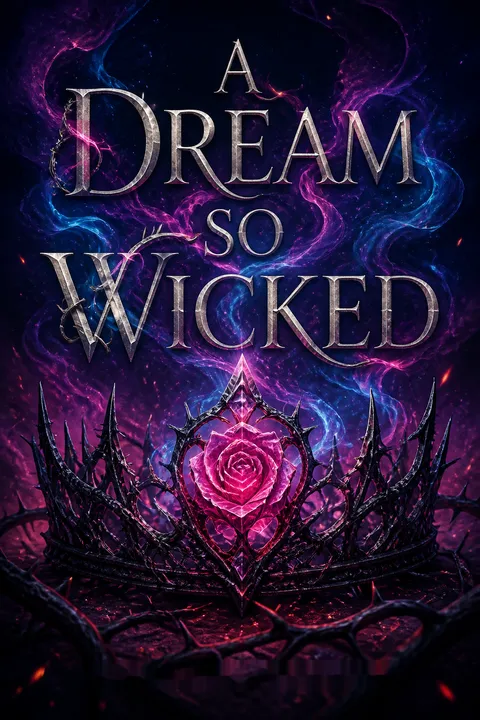
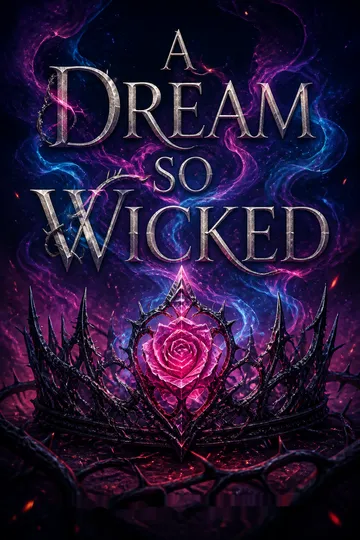
A Dream So Wicked is a lush, emotionally charged fantasy that explores the tension between fate and agency, family and self, love and duty. At its heart, the novel is a meditation on the power of choice—how we are shaped by the stories we inherit, the bargains we make, and the dreams we dare to pursue. Briony's journey from orphaned dreamer to self-possessed heroine is both a classic coming-of-age arc and a subversion of the fairytale trope: she does not find happiness by fulfilling others' expectations, but by claiming her own desires and forging her own path. Thorne's transformation from nemesis to lover is equally compelling, as he learns to reject the roles imposed upon him and embrace vulnerability as strength. The novel's use of dream magic, curses, and bargains externalizes the psychological struggles of its characters, making the fantastical both intimate and universal. Ultimately, A Dream So Wicked is a story about breaking cycles—of violence, of self-sacrifice, of inherited pain—and building a new future on the foundation of chosen love, found family, and the courage to be one's truest self.
Review Summary
A Dream So Wicked is highly praised as a captivating Sleeping Beauty retelling with magical elements and swooning romance. Readers love the chemistry between Briony and Thorne, the enemies-to-lovers trope, and the author's unique twists on the classic tale. Many consider it one of the best in the Entangled with Fae series, appreciating the vivid world-building, engaging characters, and perfect balance of romance and fantasy. While some found it predictable or long-winded, most readers were enchanted by the story's charm and creativity.
People Also Read
Characters
Briony Rose / Princess Rosaline Briar
Briony is a fae orphan raised in a convent, marked by longing for family, belonging, and freedom. Her journey is one of self-discovery, as she moves from passive dreamer to active agent in her own life. Psychoanalytically, Briony is torn between the desire to please others (her family, her teachers, society) and the need to assert her own will. Her magical ability to create dreamscapes mirrors her psychological need to escape, but also her power to shape reality. Her relationship with Thorne is both a source of comfort and conflict, as he embodies both her deepest desires and her greatest fears. Briony's arc is one of reclaiming agency, learning to choose herself, and redefining what family means.
Thorne Blackwood / Vintarys Lemuria
Thorne is a half-fae, half-human baker with a secret identity as Briony's fated enemy. Raised as a tool of vengeance, he is haunted by the legacy of family feuds, curses, and the burden of expectation. Thorne's psychological complexity lies in his struggle between duty and desire, between the role he was born to play and the man he wants to become. His ability to lie, his dual nature, and his power over Briony make him both dangerous and vulnerable. Thorne's love for Briony is transformative, forcing him to confront his own darkness and choose a new path. His arc is one of redemption, self-acceptance, and the courage to break free from the past.
Queen Divina Briar
Divina is Briony's birth mother, a powerful fae queen whose love is both genuine and suffocating. She is driven by the need to protect her family and maintain power, often at the expense of honesty and trust. Divina's psychological profile is marked by anxiety, guilt, and the inability to let go of control. Her relationship with Briony is fraught with unspoken expectations and the pain of separation. Divina's arc is one of reckoning—forced to confront the consequences of her choices and the limits of her love.
King Horus Briar
Horus is Briony's father, a ruler whose reign is threatened by scandal, debt, and the weight of history. He is both loving and distant, torn between his role as father and king. Horus's psychological struggle is with inadequacy and the fear of losing everything. His relationship with Briony is marked by moments of tenderness and profound misunderstanding. Horus's arc is one of humility, as he is forced to relinquish control and accept the consequences of his actions.
Monty Phillips
Monty is Briony's intended fiancé, a human aristocrat who turns their engagement into a series of games. Outwardly frivolous and self-absorbed, Monty is secretly perceptive and manipulative, using humor and mischief to mask his own vulnerabilities. His psychological complexity lies in his refusal to be a pawn, his desire for agency, and his unexpected loyalty to Thorne and Briony. Monty's arc is one of self-awareness, as he moves from obstacle to unexpected ally.
Minka
Minka is a fae servant who shifts between seelie and unseelie (cat) forms. She is playful, resourceful, and fiercely loyal to Briony, providing both comic relief and genuine support. Minka's psychological role is that of the trickster and confidante, helping Briony escape and offering a model of chosen family. Her relationship with Mr. Boris hints at the possibility of love and partnership beyond blood ties.
Mr. Boris
Mr. Boris is a fox fae who serves as Briony's protector and friend. He is anxious, dutiful, and deeply caring, embodying the best qualities of chosen family. His psychological significance lies in his willingness to defy authority for Briony's sake, modeling the importance of loyalty, courage, and self-sacrifice. His evolving relationship with Minka adds warmth and humor to the story.
Queen Morgana Lemuria
Morgana is Thorne's mother, the matriarch of the rival Lemuria clan. She is powerful, cunning, and consumed by the need for retribution. Her psychological profile is marked by grief, rage, and the inability to move beyond the past. Morgana's relationship with Thorne is fraught with expectation and disappointment, as she struggles to accept his choices. Her arc is one of loss, as she is forced to let go of her son and the cycle of vengeance.
Trentas
Trentas is the moon dragon who raised Thorne, serving as both father figure and political rival. He is ambitious, strategic, and ultimately pragmatic, willing to use any means to achieve his goals. Trentas's psychological complexity lies in his dual role as protector and manipulator, as he pushes Thorne to fulfill his destiny while also caring for him. His arc is one of acceptance, as he recognizes Thorne's autonomy and the limits of his own power.
Angela Phillips
Angela is Monty's younger sister, a symbol of hope, kindness, and the possibility of new beginnings. She is naive but earnest, longing for friendship and belonging. Angela's psychological role is that of the innocent, reminding Briony and Thorne of what is worth fighting for. Her arc is one of growth, as she learns to navigate the complexities of family, loyalty, and love.
Plot Devices
Dream Magic and Memory
The narrative is structured around Briony's unique dream magic, which allows her to create, enter, and manipulate dreamscapes. This device serves as both a metaphor for psychological escape and a literal means of agency—Briony's ability to shape reality, confront trauma, and connect with others (especially Thorne). The interplay between dreams and memory is central, as forgotten or stolen memories become both a source of pain and a path to healing. The use of dreams blurs the line between fantasy and reality, mirroring the characters' struggles with identity, desire, and fate.
Curses and Family Feuds
The central plot is driven by ancient curses and the feud between the Briars and Lemurias. These devices externalize the psychological wounds of the characters, making the past inescapable and the present fraught with danger. The curses serve as both literal obstacles and metaphors for generational trauma, the burden of expectation, and the difficulty of breaking free from destructive patterns. The narrative structure uses foreshadowing, parallelism, and repetition to reinforce the cyclical nature of violence and the possibility of redemption.
Bargains and Games
Bargains—both magical and social—are a recurring device, structuring the relationships and conflicts throughout the story. Whether it's Briony's bargain with Thorne, her engagement to Monty, or the unspoken deals within families, these agreements force characters to confront the limits of their agency and the price of their choices. Monty's games literalize the performative nature of courtship and the ways in which love, loyalty, and power are negotiated. The games also serve as a crucible for character development, pushing Briony and Thorne to reveal their true selves.
Dual Identities and Masks
Many characters—especially Thorne—navigate dual identities, hiding their true selves behind masks of propriety, duty, or deception. This device is mirrored in the narrative structure, which often withholds or distorts information, creating suspense and inviting the reader to question what is real. The use of shifting perspectives, unreliable memories, and hidden motives reinforces the theme that identity is fluid, constructed, and always in flux.
Sacrifice and Redemption
The climax of the story hinges on acts of sacrifice—Briony's willingness to give up her memories, Thorne's renunciation of his family, and both characters' readiness to lose each other for the greater good. These sacrifices are not just plot points but psychological turning points, forcing the characters to confront what they truly value and what they are willing to risk. Redemption is not achieved through victory, but through vulnerability, honesty, and the courage to choose love over fear.
Entangled with Fae Series
About the Author
Download PDF
Download EPUB
.epub digital book format is ideal for reading ebooks on phones, tablets, and e-readers.








































