
Plot Summary
Liminal Warnings and Fallen Brooms
As Halloween approaches, Hecate Goodwin, a hedge witch living on the edge of Ipswich, Massachusetts, feels the veil between worlds thinning. Her cozy cottage is filled with the warmth of autumn rituals, but omens begin to intrude: her broom falls repeatedly, echoing her late mother's warnings that "somebody's coming." The night is unsettled, the forest outside her window unnaturally still, and Hecate's sense of belonging is as fragile as the season's last leaves. When an elder of her coven, Margaret Halliwell, appears in the fog, Hecate is drawn into a chilling encounter that blurs the line between dream and reality, setting the stage for a week where the past, present, and supernatural will collide.
Dreams, Duties, and Doubts
Hecate awakens from a disturbing dream of Margaret, who cryptically warns her about the "King Below" and urges her to find her mother's book. The dream stirs old wounds: Hecate's mother chose her magical path at birth, making her a hedge witch—an ancient, solitary role—rather than letting her choose at thirteen, as tradition dictates. Hecate's sense of isolation is deepened by her mother's death and the coven's expectations. As she prepares for her thirty-first birthday and the ritual Containment that will limit her magic, she questions her place in the world, her mother's motives, and whether she can ever truly belong to her craft or her community.
Death's Arrival and Unwanted Guests
News arrives that Margaret Halliwell has died, confirming Hecate's dream was more than mere imagination. The loss unsettles the coven and disrupts Samhain plans, forcing Hecate's sisters, Miranda and Celeste, to return home and thrusting Hecate into the role of reluctant hostess for the upcoming celebrations. Amidst grief and the pressure to uphold family traditions, Hecate receives a mysterious box from Margaret containing unused balms and a vial of murky water—an enigmatic inheritance. The week's demands mount, and Hecate's sense of control slips as the supernatural and familial intertwine, foreshadowing the chaos to come.
The Hexan Seeks Sanctuary
On a stormy night, Hecate's past collides with her present when Matthew Cypher, a powerful hexan from the rival Pacific Gate, appears at her door seeking sanctuary—a sacred duty for hedge witches. Their history is fraught: once friends, then enemies, their connection is complicated by betrayal and forbidden magic. Bound by her role, Hecate reluctantly lets him in, but distrust lingers. Matthew's presence is both a comfort and a threat, stirring old feelings and new suspicions. As they navigate uneasy coexistence, the boundaries between guest and danger, ally and adversary, begin to blur, setting the stage for deeper entanglements.
Nightmares and Ancestral Shadows
Hecate is plagued by nightmares of being trapped, pursued, and abandoned by her family—visions that echo her waking fears of isolation and inadequacy. The dreams are more than subconscious anxieties; they are warnings from the thinning veil, hinting at a greater threat. The forest, once her sanctuary, becomes ominous, and the memory of her mother's strictures against touching the dead resurfaces. The boundaries between life and death, dream and reality, are dissolving. Hecate's connection to her ancestors and the land is both her strength and her vulnerability, as the past begins to assert its claim on the present.
Forest Offerings and Old Wounds
Seeking solace, Hecate forages in the forest, grounding herself in the rhythms of nature. Yet even here, she cannot escape the legacy of her mother's warnings and the trauma of her death. The discovery of a bird's skull triggers memories of her mother's rule: never touch the dead, lest it interfere with her magic. The pain of loss and the burden of inherited secrets weigh heavily. When Hecate returns home, she finds Matthew at ease in her space, deepening the tension between them. Their uneasy alliance is tested as they confront the demands of the coming days and the unresolved mysteries of their past.
Pumpkin Promises and Unraveling Truths
As Samhain approaches, Hecate and Matthew prepare Goodwin Manor for the coven's arrival, their partnership growing more complex. The work is both physical and emotional, as they share stories, confront misunderstandings, and reveal vulnerabilities. Matthew's shadow magic, forbidden in the Atlantic Key, is both a source of fear and fascination. Hecate's discovery of her mother's hidden book—a grimoire protected by blood magic—deepens the mystery of her family's past. The lines between friend and foe, tradition and transgression, are increasingly blurred, and the true nature of Hecate's inheritance begins to emerge.
The Grimoire's Blood Secrets
With Matthew's help, Hecate attempts to unlock her mother's grimoire, only to be cursed by its blood magic protections. The experience is harrowing, forcing Matthew to draw out the curse at great personal risk. The grimoire's contents—rituals, bargains, and evidence of her mother's dealings with the King Below—reveal a legacy of desperation and compromise. Hecate is forced to confront the reality that her mother's choices, made in the name of protection, have bound her to a dangerous fate. The past's grip tightens, and the cost of inherited secrets becomes painfully clear.
Bargains, Boundaries, and Betrayals
The coven gathers for Samhain, and tensions rise as Hecate's sisters and the Atlantic Key's leader, Winifred, become entangled in the unfolding crisis. Winifred's own bargains with the King Below come to light, and the coven's power is revealed to be weakened by years of secret deals and magical drain. Matthew's true purpose is exposed: he is a descendant of the King Below, sent to train Hecate but choosing instead to protect her. Betrayals and divided loyalties threaten to tear the coven apart, and Hecate must decide whom to trust as the boundaries between ally and adversary collapse.
The King Below's Game
As the veil thins on Samhain, the King Below makes his move, sending hellhounds and shadows to claim Hecate. She is forced into the land below, where she must choose between sacrificing herself to save her mother's soul or condemning her to eternal torment. The King Below's manipulations are relentless, exploiting every weakness and regret. Hecate's refusal to submit leads to a desperate battle, with her ancestors' spirits and Matthew at her side. The cost of resistance is high, and the line between victory and defeat is razor-thin.
Siphoning Shadows, Shattered Chains
In a climactic confrontation, Hecate embraces the full scope of her hedge witch powers, using Siphoning to draw the King Below's magic into herself and heal her wounds. The act is both triumph and tragedy, as she risks becoming the very thing she fights. With Matthew's help, she breaks the chains binding her ancestors and herself, but the victory is bittersweet. The King Below's final curse threatens to trap Hecate as the new gatekeeper between worlds, and only a final act of love and sacrifice can prevent her from being lost forever.
Veilkeepers and New Beginnings
Matthew offers himself as the new gatekeeper, taking the burden from Hecate and freeing her to return to the living. Their love, forged in adversity, becomes the key to breaking the cycle of sacrifice and betrayal. Hecate's acceptance of her role as hedge witch is transformed: no longer a sentence, but a choice. The coven, shaken by revelations and loss, begins the slow work of healing and rebuilding. The boundaries between life and death, tradition and change, are redrawn, and a new era begins.
Recipes for the Living and the Dead
In the aftermath, Hecate finds solace in the rituals of daily life: cooking, crafting, and caring for her community. The recipes and spells passed down through generations become acts of remembrance and renewal, connecting the living and the dead. The mundane and the magical are intertwined, and healing is found not in grand gestures, but in the quiet persistence of love, memory, and tradition. The lessons of the past are honored, but not repeated, as Hecate forges a new path for herself and her coven.
Sisters, Sacrifice, and Samhain
The Goodwin sisters, once divided by secrets and resentment, come together in the wake of crisis. Through shared grief, confession, and acts of care, they rebuild their relationship and reaffirm their commitment to one another. The coven, too, is transformed by the ordeal, learning the cost of isolation and the necessity of unity. Samhain becomes not just a time of mourning, but of celebration and hope—a reminder that even in the darkest season, the bonds of family and community endure.
The Containment and the Choice
As the ritual Containment approaches, Hecate faces the ultimate test: will she submit to the coven's tradition and limit her magic, or will she claim her right to choose her own path? The decision is fraught with risk, as the King Below's threat looms and the coven's future hangs in the balance. In a moment of clarity, Hecate rejects the Containment, breaking the cycle of enforced sacrifice and asserting her agency. The act is both rebellion and renewal, setting a new precedent for the coven and for herself.
Descent to the Land Below
Drawn into the land below, Hecate confronts the King Below in his domain—a realm of shadows, memory, and temptation. The encounter is a test of will, love, and identity, as Hecate must resist the lure of power and the weight of guilt. The spirits of her ancestors, her mother, and Matthew all play a role in the final reckoning. The boundaries between self and other, life and death, are blurred, and Hecate's choices will determine not only her own fate, but the fate of the worlds above and below.
The Final Bargain
In the story's climax, Hecate and Matthew make the ultimate sacrifice for one another. Matthew takes the burden of the gatekeeper, freeing Hecate from the King Below's curse. Their love, tested by betrayal and loss, becomes the force that breaks the cycle of suffering and opens the possibility of redemption. The act is both an ending and a beginning, as the old order is shattered and a new one is born. The cost is great, but the reward is freedom, agency, and the promise of reunion.
The Gate and the Key
In the aftermath, Hecate returns to the world of the living, forever changed by her journey. The coven begins to heal, old wounds are acknowledged, and new traditions are forged. Matthew, now the gatekeeper, is able to return to her during the thinning of the veil, and their love endures across worlds. Hecate's role as hedge witch is redefined—not as a burden, but as a calling. The story ends with the promise of renewal, the power of choice, and the enduring magic of love, memory, and community.
Analysis
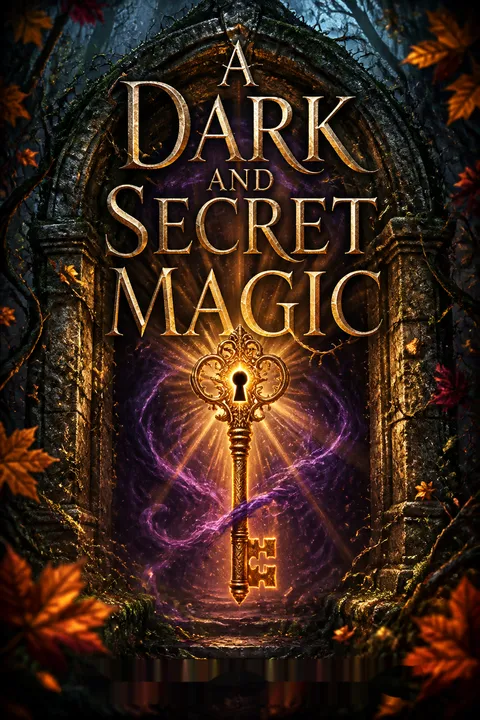
A Dark and Secret Magic is a modern gothic fairytale that uses the trappings of witchcraft, family legacy, and seasonal ritual to explore the psychological costs of inherited trauma and the redemptive power of agency and love. At its core, the novel interrogates the ways in which tradition can both protect and imprison, and how the secrets we inherit shape our sense of self and belonging. Hecate's journey—from reluctant, isolated hedge witch to empowered, self-determining guardian of the veil—mirrors the struggle many face in breaking cycles of generational pain and forging new paths. The story's use of plot devices—liminal time, blood magic, the guest/host dynamic—serves to blur boundaries and force characters to confront the consequences of secrecy, sacrifice, and the refusal to choose. Ultimately, the novel argues that healing comes not from denying the darkness in our inheritance, but from integrating it, choosing love over fear, and building new traditions from the ashes of the old. The recipes and rituals that close the book are not just magical instructions, but metaphors for the work of everyday healing: the power of intention, the necessity of community, and the enduring hope that even the most haunted legacies can be transformed.
Review Summary
A Dark and Secret Magic is a cozy, atmospheric witch romance set during Halloween. Many readers praised its autumn vibes, magical elements, and romantic storyline. The book follows Hecate, a hedge witch preparing for a coven gathering while dealing with unexpected guests and family secrets. While some found it too romance-focused or lacking in darkness, most enjoyed the Halloween atmosphere and witchy details. Criticisms included underdeveloped characters and a rushed ending. Overall, it's recommended as a light, seasonal read perfect for fall.
People Also Read


Characters
Hecate Goodwin
Hecate is the heart of the story—a solitary, introspective witch whose life is shaped by the choices of others, especially her mother. Forced into the ancient, isolating role of hedge witch, she is both healer and outsider, straddling the boundary between life and death, community and solitude. Her relationships—with her sisters, her coven, and especially with Matthew—are marked by longing, mistrust, and the search for belonging. Hecate's journey is one of self-discovery: from passive inheritor of secrets and burdens to active agent of her own fate. Her psychological arc is defined by grief, guilt, and the struggle to reconcile love and duty, tradition and autonomy. Ultimately, she becomes a symbol of transformation, forging a new legacy from the ashes of the old.
Matthew Cypher
Matthew is a complex figure: a powerful hexan from the rival Pacific Gate, heir to a legacy of shadow magic and ancestral bargains. His relationship with Hecate is fraught with history—friendship, betrayal, and unresolved desire. Psychologically, Matthew is torn between duty and love, secrecy and vulnerability. His willingness to risk everything for Hecate, even to the point of self-sacrifice, reveals a deep capacity for devotion and change. As a descendant of the King Below, he embodies the tension between darkness and redemption, tradition and rebellion. His arc is one of atonement, as he chooses love over legacy, becoming both gatekeeper and beloved.
Sybil Goodwin (Hecate's Mother)
Sybil is the unseen force shaping Hecate's life—a mother whose love drives her to desperate bargains and secret betrayals. Her decision to name Hecate a hedge witch, her hidden grimoire, and her pact with the King Below are all acts of protection that become chains. Psychologically, Sybil is defined by fear, guilt, and the impossible demands of motherhood. Her legacy is both a curse and a gift, and her posthumous presence in the story is a source of both comfort and pain. In the end, she is a tragic figure, whose sacrifices and mistakes set the stage for her daughter's liberation.
Miranda Goodwin
Miranda, the eldest Goodwin sister, is a sea witch and natural authority, often at odds with Hecate. Her need for control, adherence to tradition, and quickness to judge mask a deep vulnerability and fear of loss. Her relationship with Hecate is fraught with rivalry, resentment, and unspoken love. Miranda's arc is one of reckoning: forced to confront her own limitations, her complicity in the family's secrets, and her capacity for forgiveness. She is both antagonist and ally, a mirror for Hecate's own struggles with duty and autonomy.
Celeste Goodwin
Celeste, the youngest sister, is an astrologer and free spirit, often caught between her siblings' conflicts. She brings levity, intuition, and a longing for connection to the family dynamic. Psychologically, Celeste is marked by a desire for belonging and a fear of being left behind. Her openness to magic, her empathy, and her willingness to forgive make her a catalyst for healing. She represents the possibility of new traditions and the hope of reconciliation.
Winifred Bennet
Winifred is the formidable leader of the Atlantic Key, a meta-magic witch whose power is both awe-inspiring and dangerous. Her bargains with the King Below, her role in the Containment, and her complicity in the coven's decline make her a figure of both authority and suspicion. Psychologically, Winifred is driven by fear of death, the desire to protect her family, and the burden of leadership. Her arc is one of reckoning and atonement, as she faces the consequences of her choices and helps guide Hecate toward a new future.
Margaret Halliwell
Margaret's death sets the story in motion, and her spectral warnings haunt Hecate throughout. As a sea witch and elder, she represents the weight of tradition and the dangers of unfinished business. Her cryptic messages, her role in the coven's secrets, and her posthumous influence make her both guide and warning. Psychologically, Margaret is marked by regret, loyalty, and the desire to set things right from beyond the grave.
The King Below
The King Below is the story's central antagonist—a death god, trickster, and master of bargains. He is both literal and symbolic: the embodiment of generational trauma, the cost of forbidden magic, and the lure of power. Psychologically, he is a predator, exploiting weakness and regret, but also a mirror for the story's themes of choice, sacrifice, and the cyclical nature of suffering. His defeat is both a personal and communal liberation.
Ginny Bennet
Ginny, Rebecca's daughter, is a precocious book witch whose magical recall and research skills make her an invaluable ally. She represents the next generation's hunger for knowledge, the dangers of curiosity, and the hope of breaking old patterns. Psychologically, Ginny is marked by ambition, impatience, and a longing for recognition. Her willingness to help Hecate, even at personal cost, makes her a symbol of the story's faith in renewal.
Merlin
Merlin, Hecate's black cat, is more than a pet—he is a familiar, a source of comfort, and a subtle magical presence. His reactions often foreshadow danger or signal shifts in the story's emotional landscape. Psychologically, Merlin represents Hecate's need for connection, her vulnerability, and the grounding power of the everyday amidst the supernatural.
Plot Devices
The Liminal Veil and Seasonal Magic
The story is structured around the liminal week before Halloween, when the veil between worlds is thinnest. This temporal device heightens tension, urgency, and the sense of inevitability. The cyclical nature of the seasons, the rituals of Samhain, and the approach of Hecate's birthday/Containment create a narrative countdown, foreshadowing both crisis and transformation. The interplay of dreams, omens, and waking events blurs reality, making the supernatural feel both intimate and inescapable.
Blood Magic and Ancestral Bargains
The grimoire, protected by blood magic, is both a literal and symbolic plot device: it contains the secrets, bargains, and betrayals that bind generations. The act of unlocking it triggers curses, revelations, and confrontations with the past. The theme of sacrifice—what is given up for love, power, or protection—recurs through ancestral bargains, the Containment ritual, and the final confrontation with the King Below. The story uses these devices to explore the psychological cost of secrecy, the dangers of inherited trauma, and the possibility of breaking destructive cycles.
The Sanctuary and the Guest
The hedge witch's obligation to offer sanctuary is a recurring plot device, forcing Hecate to welcome Matthew and setting up the central tension between trust and betrayal. The guest/host dynamic is mirrored in the coven's rituals, the family's gatherings, and the supernatural bargains that underpin the plot. The device is used to explore boundaries—between self and other, safety and danger, tradition and change.
Shadow Magic and Siphoning
Shadow magic, forbidden in the Atlantic Key but central to Matthew and Hecate's journey, is both a source of danger and salvation. The ability to Siphon—transforming death into life and vice versa—becomes the key to defeating the King Below and healing old wounds. The device is used to literalize the story's psychological themes: the integration of darkness and light, the necessity of embracing the full spectrum of one's inheritance, and the power of love to transmute suffering.
The Grimoire and the Key
The grimoire, the key, and the act of unlocking or sealing away knowledge are central plot devices. They represent the tension between secrecy and revelation, the danger of forbidden knowledge, and the possibility of rewriting one's fate. The final act of passing the key—of choosing who will bear the burden—becomes a metaphor for agency, love, and the creation of a new legacy.
Download PDF
Download EPUB
.epub digital book format is ideal for reading ebooks on phones, tablets, and e-readers.








































