
Plot Summary
Ghostly Warnings and Secrets
Ellowyn Good, a half-witch in St. Cyprian, is visited by the ghost of Zelda, her ex-boyfriend Zander's mother. Zelda insists Ellowyn must reveal her pregnancy to Zander, a secret she's been hiding from everyone, including her coven. The urgency is palpable, as Zelda's spirit is fading, and the threat of the Joywood—the ruling coven—looms over the town. Ellowyn's internal struggle is raw: she's cursed to never lie, but omission has been her shield. The night air is thick with magic and dread as Ellowyn prepares to face Zander, knowing that her secret will change everything. The emotional weight of legacy, belonging, and impending motherhood presses in, setting the stage for a story where truth is both weapon and wound.
The Truth Unveiled
Ellowyn confesses her pregnancy to Zander, igniting a storm of anger, confusion, and old wounds. Their history is toxic yet magnetic, bound by a decade-old pact to only be together on Beltane. The revelation is interrupted by a shadowy magical attack, forcing Ellowyn and Zander to fight side by side. Their coven, the Riverwood, arrives to help, and together they repel the darkness. In the aftermath, Ellowyn's secret is exposed to her friends, and a physical wound on her belly—inflicted by the shadow—raises the stakes. The emotional fallout is immediate: trust is shaken, alliances are tested, and the threat of the Joywood's dark magic becomes terrifyingly real.
Shadows and Revelations
The Riverwood regroups at Wilde House, their sanctuary, to process the attack and Ellowyn's pregnancy. The magical bricks of St. Cyprian offer some protection, but the Joywood's reach is growing. Ellowyn's friends rally around her, but the revelation of her pregnancy brings both support and tension. The coven debates the meaning of the shadow attack, suspecting the Joywood's involvement. The need for sponsors for the upcoming ascension ritual becomes urgent, and the group decides to summon ancestral ghosts as a loophole. Ellowyn's sense of belonging is fragile, but the love and loyalty of her chosen family begin to mend old wounds, even as new dangers gather.
Mothers, Curses, and Comfort
Ellowyn's mother, Tanith, arrives in a storm of protective fury, blaming Zander for her daughter's predicament. Yet, beneath the bluster, Tanith offers comfort and wisdom, reminding Ellowyn of the strength in motherhood and the power of legacy. The conversation is laced with humor, pain, and the ever-present shadow of curses—both literal and emotional. Ellowyn grapples with her place in the coven and her worth as a half-witch, but her mother's unwavering support becomes a lifeline. The chapter closes with a sense of fragile hope, as Ellowyn is reminded that even in the face of war and uncertainty, love endures.
Confessions and Coven Bonds
The morning after, Ellowyn faces her closest friends, confessing the details of her secret relationship with Zander and the annual Beltane tryst that led to her pregnancy. The coven's reactions range from shock to support, with Rebekah feeling particularly betrayed. Yet, the bonds of friendship prove resilient. The group rallies around Ellowyn, planning for her care and the baby's future. The need for magical and mundane support becomes clear, and the coven's unity is both tested and strengthened. The emotional landscape is complex—guilt, relief, and love intertwine as the Riverwood prepares for the challenges ahead.
Ghosts, Sponsors, and Summoning
The coven researches potential ghost sponsors for the ascension ritual, uncovering a tangled history of Rivers and Good ancestors. Ellowyn's summoning abilities are put to the test as she prepares to call forth Zachariah Rivers and Elizabeth Good. The process is fraught with self-doubt and the fear of magical failure, but the support of her friends and Zander's quiet faith in her provide strength. The ghosts, once summoned, are both a source of wisdom and a mirror to Ellowyn and Zander's own tumultuous relationship. The past and present collide, setting the stage for a battle not just for power, but for healing and redemption.
Past Lovers, Present Dangers
As the ghosts linger in the mortal world, Ellowyn and Zander are forced to confront the echoes of their ancestors' failed marriage and their own unresolved feelings. The Joywood's machinations intensify, with Maeve delivering veiled threats and the coven realizing that Ellowyn's pregnancy is of particular interest to their enemies. The magical protections around Ellowyn and her unborn child become a focal point, and the need for secrecy and vigilance grows. Amidst the tension, moments of vulnerability and honesty begin to thaw the ice between Ellowyn and Zander, hinting at the possibility of a future built on something other than pain.
Hope, Healing, and Heritage
The coven prepares for the summoning ritual, with Ellowyn at the center, surrounded by layers of magical protection and the love of her friends. The ritual is both a test of her power and a journey into her heritage, as she channels the strength of generations past. The ghosts of Elizabeth and Zachariah reveal themselves as more than mere sponsors—they are guides, protectors, and symbols of the choices that shape destiny. The ritual's success is hard-won, and the emotional toll is heavy, but the Riverwood emerges stronger, bound by shared sacrifice and the promise of new beginnings.
Ancestors Among Us
With the ghosts now haunting Ellowyn and Zander, the boundaries between past and present blur. Elizabeth and Zachariah's bickering and eventual reconciliation serve as both comic relief and a cautionary tale. Ellowyn's sense of self is challenged as Elizabeth insists she is a Revelare—a rare witch who can see both past and future. The revelation unsettles Ellowyn, who has always felt "less than" due to her mixed heritage. Meanwhile, the coven's research into the Joywood's history and the rules of ascension uncovers more questions than answers. The ghosts' presence is a reminder that healing old wounds is as important as winning new battles.
Revelations and Restlessness
Ellowyn's struggle with her identity intensifies as she grapples with the possibility of being a Revelare. The coven debates the meaning of an old fairy tale that seems to mirror their lives, and the lines between story and reality blur. Zander's unwavering support becomes a source of strength, but also a trigger for Ellowyn's fears of vulnerability and loss. The ghosts' influence grows, pushing Ellowyn to accept her power and her place in the coven. The chapter is a meditation on the power of stories, the burden of prophecy, and the courage it takes to claim one's truth.
Ascension and Accusations
The ascension ritual begins with a public trial, where the Joywood and Riverwood must answer for their actions and beliefs. The Joywood use every trick to undermine Ellowyn and her friends, accusing them of weakness, impurity, and ambition. Ellowyn's inability to lie becomes both shield and target, as the Joywood attempt to discredit her. The trial is a battle of words and wills, with the future of St. Cyprian hanging in the balance. The emotional stakes are high, as personal histories and public responsibilities collide, and the coven must decide what kind of leaders they want to be.
Poison, Protection, and Power
The Joywood escalate their attacks, using dark magic to poison Ellowyn during a public ritual. The coven's healers work desperately to save her, and the revelation that her human blood offers unique protection becomes a turning point. The ritual to protect other Summoners is planned, with Ellowyn's blood as the key ingredient. The experience is harrowing, but it also marks a shift in Ellowyn's self-perception—from victim to survivor, from weak link to linchpin. The chapter is a testament to the power of community, the resilience of the human (and witch) spirit, and the necessity of sacrifice.
Breaking Curses, Building Futures
Ellowyn and Zander confront the ghosts of their past—both literal and metaphorical. Zander reveals the truth behind their high school breakup, and Ellowyn finally allows herself to feel and express her love. The cycle of anger and self-destruction is broken, replaced by vulnerability and hope. The ghosts of Elizabeth and Zachariah find peace, and Ellowyn's acceptance of her Revelare identity unlocks new power. The chapter is a celebration of forgiveness, the healing of generational wounds, and the building of a future rooted in love rather than fear.
The Undine's Summons
The Undine, a sentient statue and ancient arbiter, summons the covens to the riverbank and announces the start of the ascension trials. The rules are clear: no violence, no subterfuge, only truth and transparency. The Joywood's power is checked, and the Riverwood is given a fighting chance. The trials are both magical and moral, testing not just strength but character. The chapter is a turning point, as the balance of power shifts and the possibility of real change emerges. The emotional tone is one of awe, fear, and the exhilaration of standing on the edge of the unknown.
Family, Forgiveness, and Foundations
Ellowyn and Zander navigate the complexities of family—both blood and chosen. Forgiveness is offered and accepted, old wounds are acknowledged, and new bonds are forged. The importance of legacy is underscored, not as a burden but as a foundation for the future. The chapter is filled with small moments of grace: a flower crown passed down, a kitchen filled with laughter, a home made ready for new life. The emotional arc is one of healing, as the characters learn that strength comes not from perfection, but from the willingness to begin again.
Fairy Tales and Future Fears
The coven delves into the meaning of the fairy tale that seems to predict their lives, searching for clues to the final trial. Ellowyn's fears about the future—her own, her child's, her coven's—are mirrored in the story's themes of dragons, crows, and hidden power. The line between fiction and reality blurs, and the characters are forced to confront the possibility that their destinies are both written and unwritten. The emotional tone is restless, anxious, and tinged with the hope that comes from facing the unknown together.
Facing the Past, Embracing Love
Ellowyn and Zander finally lay their past to rest, choosing love over fear, honesty over self-destruction. The ghosts of Elizabeth and Zachariah are sent back to the spirit world, their story a lesson in the dangers of holding on to anger. The coven prepares for the final trial, armed with new understanding and the strength that comes from forgiveness. The chapter is a meditation on the power of choice—the choice to love, to forgive, to hope, and to fight for a better future.
Fire, Sacrifice, and Survival
The Joywood's final assault is brutal: Ellowyn is trapped in a magical fire, cut off from her coven and her power. With the help of Elizabeth and Zander, she fights her way back, enduring pain and loss but refusing to give in. The ghosts sacrifice themselves to save Ellowyn and Zander, a final act of love that echoes through the generations. The chapter is a crucible, burning away old fears and forging new strength. Survival is not just physical, but spiritual—a testament to the power of love, sacrifice, and the refusal to be erased.
The Final Trial
The Joywood frame Ellowyn's human sister for murder, using her as a pawn in a last-ditch effort to retain power. Ellowyn sacrifices her own freedom to save Sadie, and the coven must defend their beliefs before the entire witching world. The final trial is not just a test of magic, but of character, compassion, and vision. The choice is given to the people: Joywood or Riverwood. The emotional stakes are at their highest, as the future of St. Cyprian—and the meaning of community, family, and justice—hangs in the balance.
Victory, Loss, and New Beginnings
The Riverwood wins the ascension, the Joywood are deposed, and a new era begins. The victory is bittersweet: the ghosts are gone, scars remain, and the work of healing and rebuilding is just beginning. Ellowyn and Zander, finally free of old curses and fears, build a home and a future together, preparing to welcome their daughter into a world they helped save. The story ends with a sense of hope and possibility, tempered by the knowledge that the fight for love, truth, and community is never truly over—but that, together, they are always enough.
Analysis
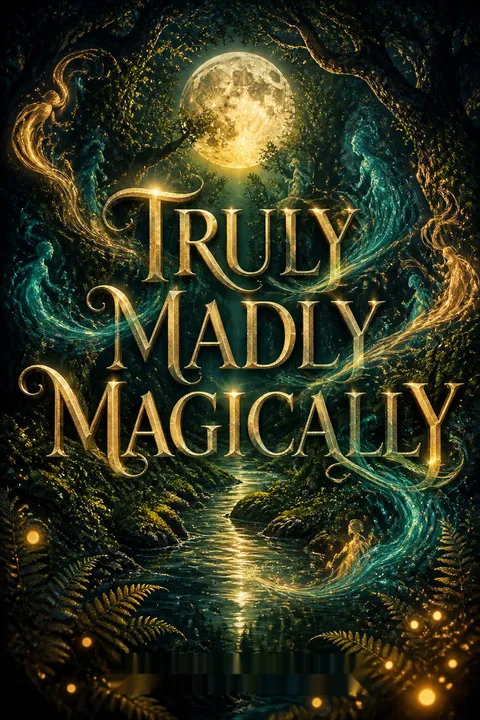
Hazel Beck's Truly Madly Magically is a vibrant, emotionally rich exploration of legacy, identity, and the power of chosen family. At its heart, the novel is about the courage to claim one's truth in a world that punishes difference and rewards conformity. Ellowyn's journey—from self-doubt and secrecy to self-acceptance and leadership—mirrors the struggles of anyone who has felt "other," whether by blood, circumstance, or choice. The book interrogates the nature of power: who wields it, who is excluded, and what it means to lead with compassion rather than fear. The magical elements—curses, ghosts, ancestral rituals—are not just window dressing, but metaphors for the ways the past shapes the present, and the ways we can choose to break cycles of pain. The story's emotional arc is one of healing: forgiveness of self and others, the mending of generational wounds, and the building of a future rooted in love, not anger. In a modern context, the book resonates as a call to community, to the messy, beautiful work of showing up for each other, and to the radical act of hope in the face of darkness. The lesson is clear: the truth, though painful, is the only path to real magic—and real change.
Review Summary
Truly Madly Magically, the third book in the Witchlore series, follows Ellowyn and Zander's complicated second-chance romance amid their coven's battle against the evil Joywood. Most reviewers praised the cozy, witchy atmosphere and found-family themes, comparing it to Gilmore Girls meets Halloween vibes. While many appreciated Ellowyn's character growth and empowerment journey, some found her immature and the pregnancy trope off-putting. The romance divided readers—some loved the emotional depth, others felt it rushed or relied too heavily on miscommunication. Overall, fans enjoyed the quick, entertaining read despite pacing issues, with ratings averaging around 4 stars.
Characters
Ellowyn Good
Ellowyn is the emotional and magical heart of the story—a half-witch, half-human Summoner cursed to never lie. Her journey is one of self-acceptance, as she moves from feeling like the weak link in her coven to embracing her unique power as a Revelare, able to see both past and future. Ellowyn's relationships are fraught: her toxic, magnetic history with Zander, her fraught but loving bond with her mother, and her deep loyalty to her friends. Psychologically, she is marked by abandonment, self-doubt, and a fierce need for control, but also by resilience, humor, and a capacity for love that ultimately saves her and her community. Her development is a slow shedding of armor, as she learns that vulnerability is not weakness, and that her "otherness" is her greatest strength.
Zander Rivers
Zander is Ellowyn's ex-boyfriend, the father of her child, and the Guardian of the Riverwood. He is defined by loyalty, a deep sense of duty, and a legacy of protection that both empowers and burdens him. His relationship with Ellowyn is a study in contrasts: passion and pain, love and anger, history and hope. Psychologically, Zander is haunted by guilt—over his mother's death, his family's expectations, and his inability to "fix" everything. His arc is one of learning to accept help, to forgive himself, and to choose love over pride. His development is mirrored in his willingness to be vulnerable, to fight for Ellowyn not just as a protector, but as a partner.
Emerson Wilde
Emerson is the Confluence Warrior, the coven's leader, and the embodiment of hope and action. She is fiercely confident, sometimes abrasive, but always driven by a desire to build and protect her community. Her relationship with her sister Rebekah, her fiancé Jacob, and her friends is marked by loyalty and a refusal to give up. Psychologically, Emerson is a survivor of trauma—her magical memory was wiped for a decade—but she channels her pain into purpose. Her arc is one of learning to balance strength with vulnerability, leadership with listening, and action with reflection.
Rebekah Wilde
Rebekah is Emerson's younger sister, a Chaos Diviner whose power is both a gift and a curse. She is dramatic, fiercely independent, and unafraid to speak uncomfortable truths. Her relationship with Ellowyn is central—a friendship marked by shared secrets, betrayals, and forgiveness. Psychologically, Rebekah is driven by a need to prove herself, to be seen and valued for who she is, not just as Emerson's sister. Her arc is one of reconciliation—with her past, her power, and her place in the coven.
Georgie Pendell
Georgie is the coven's Historian, a lover of books and secrets, and the quiet anchor of the group. She is often underestimated, but her research and insight are crucial to the coven's success. Her relationship with Sage, her boyfriend, is understated but supportive. Psychologically, Georgie is marked by a sense of responsibility—to history, to truth, to her friends. Her arc is one of stepping into her power, trusting her instincts, and finding her voice.
Jacob North
Jacob is the coven's Healer, Emerson's fiancé, and the emotional ballast of the group. He is calm, patient, and deeply compassionate, often putting others' needs before his own. His magic is both a gift and a burden, as he is called upon to heal wounds both physical and emotional. Psychologically, Jacob is marked by a quiet strength, a willingness to sacrifice, and a deep well of empathy. His arc is one of learning to accept help, to set boundaries, and to claim his own happiness.
Zelda Rivers (Ghost)
Zelda is Zander's mother, whose death haunts the story and catalyzes much of the action. As a ghost, she is both a source of wisdom and a reminder of unfinished business. Her love for her son and for Ellowyn is fierce, and her insistence on truth sets the story in motion. Psychologically, Zelda represents the power of legacy, the pain of loss, and the possibility of healing across generations.
Elizabeth Good (Ghost)
Elizabeth is Ellowyn's ancestor, summoned as a sponsor for the ascension ritual. Her presence is both comic and profound, as she bickers with her ghostly husband and pushes Ellowyn to accept her power as a Revelare. Psychologically, Elizabeth is marked by regret, anger, and a longing for reconciliation. Her arc is one of letting go—of old wounds, of control, of the need to be right—and finding peace in forgiveness.
Zachariah Rivers (Ghost)
Zachariah is Zander's ancestor, Elizabeth's estranged husband, and a ghostly reflection of Zander's own struggles. His relationship with Elizabeth is a cautionary tale about pride, honor, and the dangers of holding on to anger. Psychologically, Zachariah is marked by regret and a longing for redemption. His arc is one of sacrifice, as he gives his remaining energy to save Zander and Ellowyn, finding peace in the act of letting go.
Carol Simon (Antagonist)
Carol is the head of the Joywood, the story's primary antagonist, and the embodiment of everything the Riverwood stands against. She is cunning, ruthless, and obsessed with maintaining control, using fear, lies, and dark magic to achieve her ends. Psychologically, Carol is driven by insecurity, a need for validation, and a terror of losing power. Her arc is one of unraveling, as her grip on the community slips and her true nature is revealed.
Plot Devices
The Curse of Truth
Ellowyn's inability to lie is both a literal curse and a metaphor for the burdens of authenticity. It drives the plot by forcing secrets into the open, creating both vulnerability and power. The curse is a source of tension—Ellowyn's evasions, omissions, and the creative ways she navigates truth become central to her relationships and the story's unfolding. Thematically, it explores the cost of honesty, the pain of being seen, and the liberation that comes from embracing one's whole self.
Ancestral Ghosts and Summoning
The summoning of Elizabeth and Zachariah as ghostly sponsors is a narrative device that bridges past and present, allowing the characters to confront generational trauma, repeat (or break) old patterns, and find wisdom in history. The ghosts serve as foils, mirrors, and mentors, their unresolved issues echoing in Ellowyn and Zander's own struggles. The device also enables magical solutions to political problems, as the coven exploits loopholes in the ascension rules.
The Ascension Trials
The trials, presided over by the Undine, structure the story's climax, forcing the covens to answer for their actions, beliefs, and leadership. The trials are both literal (magical duels, public debates) and symbolic (tests of honesty, compassion, and vision). The device allows for public reckoning, the exposure of hidden truths, and the ultimate choice by the community. It also introduces the theme of legacy—what kind of world will be built, and who gets to decide.
Magical Pregnancy and Protection
Ellowyn's pregnancy is both a plot catalyst and a symbol of hope, legacy, and the future. It raises the stakes, making her a target for the Joywood and a focal point for the coven's protective instincts. The magical protections around her and her child become a metaphor for the ways communities rally around the vulnerable, and the ways in which new life can change the course of history.
The Fairy Tale Mirror
The recurring fairy tale about a Revelare, a Guardian, and a dragon serves as both foreshadowing and a meta-commentary on the characters' journeys. The line between fiction and reality blurs, suggesting that stories shape destiny as much as destiny shapes stories. The device invites the characters (and readers) to look for meaning in symbols, to question the boundaries of fate, and to find courage in the stories they tell themselves.
Download PDF
Download EPUB
.epub digital book format is ideal for reading ebooks on phones, tablets, and e-readers.








































