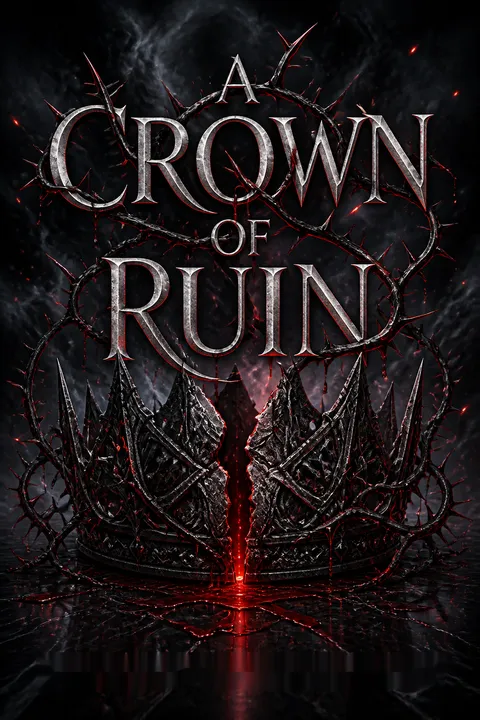

Plot Summary
Shattered in Stasis
After a brutal confrontation with Kolis, Poppy is left on the edge of death, her body shattered and her essence nearly drained. Suspended between life and death, she drifts in a stasis-like state, haunted by pain, shame, and the memory of her own helplessness. As her consciousness flickers, she clings to the love she shares with Casteel, refusing to surrender to oblivion. The world around her is chaos—gods, mortals, and fate itself seem to fracture. Poppy's struggle is not just physical but existential, as she faces the undoing of all she has become. Her agony is both a crucible and a revelation, exposing the raw core of her identity and the depth of her connection to those she loves.
Kingdoms on the Brink
With Poppy lost to stasis, Casteel is left to confront a kingdom teetering on collapse. Grief and rage war within him, threatening to consume what remains of his humanity. Kieran, loyal and burdened, tries to steady the realm, but the fractures between gods, mortals, and fate widen. The city is haunted by death and the echoes of loss. Casteel's transformation—marked by new, godlike powers—alienates him from those around him. The kingdom's survival hangs by a thread, and love becomes the only force holding the realms together. In the silence left by Poppy's absence, every moment is charged with longing, regret, and the desperate hope for her return.
Wrath and Ruin Unleashed
Casteel's grief explodes into violence. Unable to find solace, he unleashes his newfound powers, leveling cities and forests in his wake. Pensdurth is reduced to ashes, and the Blood Forest is scarred by his rage. The world recoils from his wrath, and even the gods take notice. The boundaries between life and death blur as Casteel becomes a force of destruction, feared by allies and enemies alike. His actions are both a cry of pain and a warning: nothing will stand between him and the woman he loves. The cost of power becomes clear, as every act of ruin leaves deeper wounds on his soul and the world.
Bonds of Blood and Bone
The Joining has irrevocably changed Poppy, Casteel, and Kieran, binding their fates and powers together. These bonds are both a source of strength and a source of tension, as secrets and promises threaten to tear them apart. Kieran shoulders the burden of loyalty, caught between his friends and the demands of leadership. Old wounds and new betrayals surface, forcing each to confront the limits of trust and forgiveness. The relationships at the heart of the story—lover, friend, heartmate—are tested by grief, guilt, and the specter of death. Yet, even as they fracture, these bonds remain the only hope for healing and redemption.
The Weight of Grief
The aftermath of loss is a landscape of silence and sorrow. Casteel, Kieran, and those around them are haunted by what they could not prevent. Guilt gnaws at every decision, and the future seems uncertain. The kingdom mourns its dead, and the survivors struggle to find meaning in the ruins. Grief becomes both a guide and a prison, shaping the actions of those left behind. In the quiet moments, love and loyalty are all that keep despair at bay. The story lingers in these spaces, exploring the ways grief can both destroy and transform.
Dreams of the Lost
In her stasis, Poppy drifts through dreams and memories, encountering echoes of the past and visions of what might have been. She meets the gods Eythos and Kolis in a surreal landscape, witnessing their ancient rivalry and the loneliness that haunts them. These dreamlike encounters reveal the cyclical nature of love, loss, and longing. Poppy's journey through the dreamscape is both a search for herself and a confrontation with the forces that have shaped her fate. The boundaries between memory, prophecy, and reality blur, offering glimpses of hope and warning.
The Golden Cage
Both Poppy and Casteel are trapped—she in her stasis, he in his grief and rage. The metaphor of the golden cage recurs, symbolizing the ways love can both protect and confine. Casteel's dreams are haunted by images of Poppy caged and unreachable, while Poppy's own visions are tinged with longing and regret. The cage is not just physical but emotional and spiritual, a barrier forged by choices, secrets, and the machinations of the gods. Breaking free will require sacrifice and a reckoning with the past.
Wolves and Kings
As the kingdom reels, old friends and new enemies converge. Kieran, ever the steadfast wolf, navigates the shifting alliances and the burdens of leadership. Jasper, Kieran's father, returns, bringing both comfort and painful memories. The gods Attes and Reaver, the draken, and other powerful beings move through the story, each with their own agendas. The interplay of loyalty, rivalry, and ambition shapes the fate of the realm. The struggle for power is as much about the heart as it is about the throne.
The God of Death's Throne
Transformed by the Joining and his grief, Casteel becomes a new kind of god—a Deminyen Primal, belonging to no court. He takes the throne of bone and ash, surrounded by the remnants of those who challenged him. The Great Hall becomes a place of both power and isolation, a testament to what has been lost and what must be defended. Casteel's rule is marked by both mercy and ruthlessness, as he balances the demands of vengeance and justice. The throne is both a seat of power and a reminder of the cost of love.
Siblings and Betrayals
The story delves into the complex relationships between siblings—Poppy and Millicent, Casteel and Malik, Callum and Millicent. Betrayals old and new come to light, forcing each character to confront the limits of forgiveness and the meaning of family. The revelation of Callum's true nature and his connection to Poppy adds new layers of tension and tragedy. The bonds of blood are both a source of strength and a source of pain, shaping the choices that will determine the fate of the realm.
The Fates Intervene
The Fates, led by Aydun and Kyriel, step into the story, challenging Casteel and warning of the consequences of unchecked power. Their interventions are both cryptic and consequential, revealing the larger patterns at work in the world. The Fates see heartmates as both a blessing and a curse, destined to bring great change but also great sacrifice. Their presence underscores the tension between free will and destiny, and the price that must be paid for love and power.
The Price of Power
As Casteel and Poppy grow in power, they are forced to confront the costs of their abilities. The destruction wrought by Casteel's wrath, the toll of the Joining, and the manipulations of the gods all exact a heavy price. The story explores the dangers of unchecked power and the ways it can corrupt even the noblest intentions. Sacrifice becomes inevitable, and the characters must decide what they are willing to lose to save those they love.
The Prisoner Below
Hidden in the depths of the Shadow Temple, Callum is both prisoner and enigma. His connection to Poppy and Millicent, his loyalty to Kolis, and his own pain are revealed through tense confrontations. Casteel's struggle with vengeance and mercy comes to a head as he faces the man who once tormented him. The cell becomes a crucible for truth, forcing both men to confront the darkness within themselves and the bonds that tie them to the past.
The Bringer of Ruin
Embracing his new identity as the Bringer of Ruin and Giver of Wrath, Casteel becomes a force to be reckoned with. The Fates acknowledge his power—and their fear of it. The balance of the realms is threatened by his presence, and even the gods are wary. Casteel's journey is one of self-discovery and acceptance, as he learns to wield his power without losing himself. The question of what it means to be a god, a king, and a lover is at the heart of his transformation.
Heartmates and Sacrifice
The bond between Poppy and Casteel is both their greatest strength and their greatest vulnerability. The Fates warn that heartmates are destined to bring about great change, but also great loss. The possibility of breaking the bond—of choosing duty over love—looms over the story. Both Poppy and Casteel must decide what they are willing to sacrifice for each other and for the world. The tension between personal desire and the greater good is never fully resolved, leaving the future uncertain.
The Gathering Storm
As the novella ends, the realms stand on the brink of further upheaval. Kolis remains at large, the Fates continue to meddle, and the wounds of the past have yet to heal. Poppy's fate is still uncertain, and Casteel's power is both a promise and a threat. The story closes with the sense that the true battle is yet to come—a storm gathering on the horizon, fueled by love, loss, and the unbreakable bonds that tie gods and mortals together.
Analysis
A Crown of Ruin is a meditation on the costs of love, power, and grief in a world where gods and mortals are bound by fate and choice. Jennifer L. Armentrout uses the novella to fill the emotional and narrative gaps between major installments, offering readers a raw, intimate look at her characters in their most vulnerable moments. The story's structure—fragmented, dreamlike, and deeply psychological—mirrors the chaos and uncertainty faced by its protagonists. At its heart, the novella is about the ways love can both heal and destroy, the necessity of sacrifice, and the enduring hope that even in the ruins, something new can be built. The interventions of the Fates and the looming threat of Kolis remind us that destiny is both a burden and a gift, and that true strength lies in the willingness to face loss and keep fighting. For modern readers, the novella resonates as a story of resilience, the dangers of unchecked power, and the redemptive power of connection. It is a bridge between worlds—mortal and divine, past and future, love and ruin.
Review Summary
Reviews for A Crown of Ruin are mixed, averaging 4.15/5. Many readers felt this novella was superior to its predecessor, The Primal of Blood and Bone, praising its faster pace and plot progression. Common criticisms include Casteel's unhinged, out-of-character behavior and frustration with the series' repetitive storytelling. Readers appreciated Kieran's POV chapters and brief appearances from other beloved characters. A recurring sentiment is series fatigue, with many hoping the final book delivers a satisfying conclusion.
People Also Read

Characters
Poppy
Poppy is the emotional and narrative center of the novella, her journey marked by suffering, transformation, and fierce love. As a Primal and queen, she is both powerful and vulnerable, caught between the demands of destiny and the desires of her heart. Her relationship with Casteel is the axis around which the story turns, and her willingness to sacrifice for those she loves defines her character. Poppy's time in stasis and her dreamlike encounters with the gods reveal her deep empathy and her struggle to reconcile her mortal past with her divine present. Her development is a testament to the strength found in vulnerability and the courage required to face both love and loss.
Casteel Da'Neer
Casteel is transformed by grief, rage, and the power bestowed by the Joining. His journey is one of descent and ascent—falling into wrath and ruin, then clawing his way back toward hope and love. As king, lover, and now a Deminyen Primal, Casteel is both feared and revered. His actions are driven by an all-consuming love for Poppy, but also by guilt and the need for vengeance. The novella explores his psychological unraveling and the dangers of unchecked power, as well as his capacity for mercy and self-restraint. Casteel's relationships—with Kieran, his family, and the gods—are fraught with tension, but ultimately grounded in loyalty and the longing for redemption.
Kieran
Kieran is the anchor for both Poppy and Casteel, his loyalty unwavering even as the world falls apart. The Joining has changed him, granting new powers and deeper connections, but also new burdens. Kieran's role as mediator, confidant, and leader is tested by grief and the demands of leadership. His relationship with Casteel is brotherly, marked by both affection and frustration. Kieran's own struggles with guilt and responsibility add depth to his character, making him a vital part of the story's emotional core.
Kolis
Kolis is the antagonist whose actions set the story in motion. His obsession with Poppy (Sotoria) and his willingness to destroy anyone who stands in his way make him both tragic and terrifying. Kolis's relationship with his brother Eythos and his manipulation of those around him reveal a deep loneliness and a hunger for connection that is forever denied. He is both a symbol of the dangers of unchecked power and a cautionary tale about the costs of obsession.
Millicent
Millicent is Poppy's half-sister, marked by trauma and resilience. Her relationship with Callum and her role in capturing him add layers of complexity to the story's exploration of family and betrayal. Millicent's sharp wit and willingness to confront danger head-on make her a memorable presence. She embodies the struggle to find identity and agency in a world shaped by gods and fate.
Callum
Callum is both victim and villain, his loyalty to Kolis and his connection to Poppy and Millicent making him a figure of tragedy and ambiguity. His imprisonment and confrontations with Casteel force him to confront the consequences of his choices. Callum's psychological complexity lies in his ability to both love and betray, to seek connection and to inflict pain.
Attes
Attes is a Primal god whose presence brings both wisdom and sorrow. His resemblance to Casteel's father and his role as a guide and protector add emotional weight to the story. Attes's own losses and regrets mirror those of the mortal characters, blurring the lines between god and human. He is a reminder of the costs of immortality and the burdens of leadership.
The Fates (Aydun, Kyriel)
The Fates are both observers and manipulators, their interventions shaping the course of events. Aydun and Kyriel, in particular, challenge Casteel and warn of the dangers of unchecked power and the inevitability of sacrifice. Their cryptic wisdom and occasional humor provide both insight and frustration. The Fates embody the tension between free will and destiny, and their presence underscores the story's larger themes.
Jasper
Jasper is Kieran's father and a symbol of the old guard. His return brings both comfort and painful memories, highlighting the generational struggles at play. Jasper's wisdom and strength are tempered by grief, and his relationship with Kieran and Casteel is marked by both affection and the weight of loss.
Reaver
Reaver is a draken whose power and unpredictability make him both a valuable ally and a source of tension. His presence signals the return of ancient forces and the shifting balance of power in the realm. Reaver's loyalty is hard-won, and his actions are guided by a fierce sense of justice and survival.
Plot Devices
Stasis and Dreamscape
The dreamscape sequences allow for exploration of memory, prophecy, and the cyclical nature of love and loss. These interludes deepen the emotional stakes and provide insight into the motivations of gods and mortals alike.
The Joining
It amplifies their abilities, blurs the boundaries between them, and forces each to confront the limits of trust and forgiveness. The Joining is a metaphor for the interconnectedness of love, loyalty, and sacrifice.
Dual Narratives and Multiple POVs
This structure allows for a deeper exploration of grief, guilt, and the complexities of relationships. The use of multiple POVs also heightens the emotional impact and creates a sense of immediacy.
Foreshadowing and Prophecy
Prophecy is both a guide and a threat, shaping the choices of the characters and underscoring the tension between free will and destiny.
Symbolism of the Cage and Throne
These images encapsulate the central conflicts of the story—between freedom and duty, love and sacrifice, mortality and divinity.
Download PDF
Download EPUB
.epub digital book format is ideal for reading ebooks on phones, tablets, and e-readers.








































