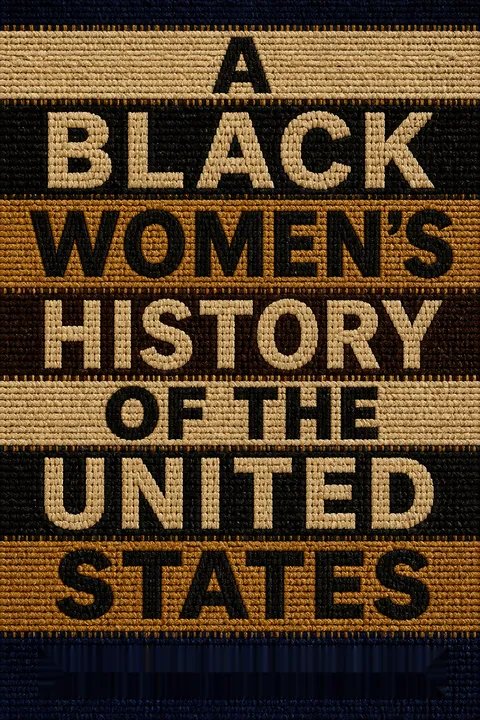

Key Takeaways
1. Black Women's Early Presence: Freedom Before 1619
Women of African descent arrived in what became the United States as early as the sixteenth century.
Challenging narratives. American history often begins with European arrival in 1607, but Black women were present much earlier, some as free individuals. Isabel de Olvera, a mulatto woman, petitioned for her rights in 1600 before joining a Spanish expedition to New Spain, demonstrating an early assertion of freedom and belonging. Her story, and those of other unnamed women, reveals a hidden history of exploration and self-determination before the systemic enslavement of Africans in the British colonies.
Diverse arrivals. These early Black women did not always arrive as captives; some traveled as indentured servants, missionaries, interpreters, or even leaders with Spanish and Portuguese explorers. They were among the first non-indigenous explorers of the Southwest, navigating chaotic periods of warfare, trade, and cultural clashes. Their presence challenges the singular narrative of Black arrival tied solely to the transatlantic slave trade.
Asserting rights. Isabel de Olvera's demand for justice, seeking legal protection to confirm her free and unmarried status, highlights the precariousness of Black womanhood even in early colonial contexts. Her successful petition, requiring multiple witnesses, underscores the constant need for Black women to prove their liberty and mobility. This early fight for recognition foreshadows centuries of struggle for autonomy and legal protection.
2. The Middle Passage: Trauma and Early Resistance
African women brought to the Americas faced trauma well before they were loaded onto ships and traversed the Atlantic.
Unspeakable horrors. The journey from capture in Africa to forced transport across the Atlantic was a living nightmare for African women. Stripped naked, packed into sex-segregated holds, they endured rampant sexual exploitation, disease, starvation, and psychological torment. The stench, darkness, and sounds of suffering created an environment of profound dehumanization, with many perishing and being unceremoniously thrown overboard.
Defiant spirit. Despite the brutal conditions, African women actively resisted their captivity. They participated in ship revolts and mutinies, using their knowledge of the ship's layout and crew behavior to aid escape efforts. The 1730 rebellion on the sloop Little George, where women and children were the majority of captives, demonstrates their resilience and determination to fight for freedom, even if it meant risking their lives on the open waters.
Early settlements. Women of African descent arrived in large numbers in Spanish American port cities and later in various North American colonies, including Spanish Florida, Dutch New York, and French Louisiana. They were instrumental in establishing infrastructure, clearing land, and planting crops. Early legislation, like Spain's Las Siete Partidas and France's Code Noir, attempted to regulate their lives, often acknowledging their humanity even while enforcing their enslavement.
3. Revolutionary Era: Demanding Liberty and Redefining Status
While the whites in the country around them boasted about life, liberty, and the pursuit of happiness, Black women used the courts, and their feet, words, and actions, to liberate themselves from the yoke of slavery.
Leveraging rhetoric. The American Revolution's ideals of liberty and independence provided a powerful framework for Black women to challenge their enslaved status. They filed freedom petitions, like Elizabeth Freeman's successful suit in Massachusetts, and used the instability of war to escape. Many, like Agnes and Lucy, forged passes or feigned free status, often using distinctive clothing to blend into free society.
Seeking refuge. Black women actively sought freedom by aligning with either the British or Continental armies, whichever promised emancipation. Lord Dunmore's proclamation in 1775, offering freedom to enslaved people who fought for the British, led many to flee to British lines. At the war's end, thousands of Black women and men embarked on voluntary migrations to Canada, West Africa, and the Caribbean, transforming maritime travel from a symbol of forced migration to one of liberation.
Complex choices. The era also saw the emergence of Black slaveholders, often women, who strategically purchased family members to free them or used slaveholding as a means of economic stability. Figures like Fenda Lawrence and Anna Kingsley, free African women who became enslavers, highlight the complex and often contradictory choices Black women made to navigate and survive within the system of slavery. This period underscores the diverse strategies employed in the pursuit of liberty.
4. Antebellum Expansion: Commodification and Covert Resistance
Nineteenth-century enslavers, traders, physicians, businessmen, and showmen were obsessed with Black women’s bodies for many reasons.
Reproductive exploitation. The closing of the transatlantic slave trade in 1808 intensified the focus on Black women's reproductive capabilities, making forced reproduction central to maintaining the institution of slavery. This commodification extended to medical exploitation, with enslaved women like Anarcha, Betsy, and Lucy enduring experimental surgeries without anesthesia, contributing to the foundation of American gynecology.
Domestic slave trade. Nearly one million African Americans were forcibly moved across the United States through the domestic slave trade, separating families and inflicting immense trauma. Women like Sarah Ashley recounted being sold multiple times and enduring humiliating inspections on auction blocks. Slave pens, often adjacent to hotels and courthouses, served as grim holding facilities where families were torn apart daily.
Resilience and defiance. Despite the pervasive violence and commodification, Black women continued to resist.
- Lear Green shipped herself in a box to freedom.
- Anna Murray financed Frederick Douglass's escape.
- Ellen Craft disguised herself as a white male enslaver to flee with her husband.
- Harriet Robinson Scott fought for her family's freedom in court, challenging the legality of slavery in free territories.
- Some women committed infanticide or suicide to escape the horrors of bondage.
These acts, both overt and covert, demonstrate an unwavering commitment to self-liberation and family protection.
5. Civil War to Reconstruction: Diverse Roles and the Fight for True Freedom
Black women fought and prayed for the Union cause and the cause of emancipation.
Wartime contributions. Black women played critical, often overlooked, roles during the Civil War. They served as:
- Spies, like Mary Bowser in Jefferson Davis's home, and an unnamed laundress who used a clothesline to relay Confederate troop movements.
- Regimental cooks, nurses, and laundresses in both Union and Confederate camps.
- Workers on hospital transports and naval gunboats.
- Harriet Tubman commanded a spy network and led the Combahee River Raid, freeing hundreds.
Their labor and intelligence were vital to the war effort, often driven by the hope of emancipation.
Transition to freedom. The end of the Civil War and the Emancipation Proclamation brought a "happy jubilee" for many, but also new challenges. Formerly enslaved women, like Mary Colbert, found their loyalty unrewarded, while others, like Sarah Ford, immediately sought independent lives. The delayed news of freedom in Texas led to the Juneteenth celebration, a testament to the enduring spirit of emancipation.
New forms of oppression. Reconstruction brought the Black Codes, designed to limit Black freedom and maintain white supremacy, and the rise of the Ku Klux Klan. Despite the Fourteenth and Fifteenth Amendments, Black women faced continued discrimination, violence, and voter suppression. However, the Freedmen's Bureau and efforts by Black women like Charlotte Forten Grimké and Sarah Jane Woodson Early helped establish schools and support newly freed communities.
6. The Black Woman's Era: Activism, Entrepreneurship, and Confronting Jim Crow
Black women effectively, if not miraculously, cultivated and applied a variety of social and political tactics to confront racial bigotry and to stake their own claims on what freedom and US citizenship would mean.
Rising activism. Post-Reconstruction, Black women faced intensified racial violence, including lynching, and systemic discrimination under Jim Crow. Ida B. Wells-Barnett emerged as a fearless journalist and anti-lynching activist, exposing white lies and challenging white supremacy. Her work, and that of other Black clubwomen, led to the founding of organizations like the National Association of Colored Women (NACW), which became a powerful force for civil rights and women's suffrage.
Economic autonomy. Despite limited job prospects and rampant discrimination, Black women created their own economic opportunities. They dominated the beauty industry, with entrepreneurs like Madame C. J. Walker and Annie Turnbo Malone becoming self-made millionaires. Maggie Lena Walker founded the first Black-owned bank, demonstrating Black women's leadership in finance and their commitment to community economic development.
Challenging norms. Black women artists and performers, like Matilda Sissieretta Jones ("Black Patti") and Gladys Bentley, defied restrictive gender and sexual norms. Jones achieved international acclaim in classical music, while Bentley, a Black lesbian, openly performed in tuxedos, challenging heterosexual conventions in Jazz Age Harlem. Their artistic expressions carved out spaces for diverse Black identities and sexualities.
7. Great Migration & Depression: Cultural Flourishing Amidst Hardship
Augusta’s life was steeped in the blossoming African American cultural revolution taking place.
Mass migration. The early 20th century saw millions of Black people, including countless women, migrate from the rural South to urban centers in the North and Midwest, driven by economic hardship (like the boll weevil invasion) and pervasive racial violence. This Great Migration fueled the Harlem Renaissance, a vibrant cultural awakening that redefined Black art, music, and literature.
Artistic defiance. Augusta Savage, a sculptor, exemplified this era's spirit, battling racism to pursue her art and becoming a central figure in the Harlem Renaissance. Her work, often depicting Black people with dignity, and her efforts to establish art schools and guilds, empowered other Black artists. Despite personal tragedies and professional setbacks, Savage's dedication to her craft and community remained unwavering.
Economic resilience. The Great Depression brought immense suffering, but Black women's long histories of self-reliance and collective organizing helped their families survive. They engaged in informal economies, grew food, and organized through churches and groups like the Housewives' League of Detroit to support Black businesses and protest unfair labor practices. This era also saw Black women, like Connie Smith, leading labor strikes for better wages and conditions.
8. World War II: Battling Discrimination on the Home Front and in Service
Why should Black people fight for democracy in Europe when it did not exist in the United States?
Double V campaign. As the U.S. entered World War II, Black women, like Lutensia Dillard, questioned the hypocrisy of fighting for democracy abroad while facing systemic racism at home. This led to the "Double V" campaign, demanding victory against fascism overseas and racism at home. A. Philip Randolph's proposed March on Washington, spurred by Black women's activism, forced President Roosevelt to desegregate defense industries.
Breaking barriers, facing bias. The war opened new industrial jobs for Black women, but they faced fierce resistance from white co-workers and discriminatory hiring practices. In the military, Black WACs, like Alice Young, endured segregation and were relegated to menial tasks, leading to strikes and court-martials. Despite these challenges, women like Charity Adams Earley and Mabel K. Staupers fought for equal opportunities, eventually leading to the integration of the Army and Navy Nurse Corps.
Athletic and personal triumphs. Alice Coachman, the first Black woman to win an Olympic gold medal in 1948, exemplified the struggle to transcend traditional gender expectations and racial stereotypes in sports. Her victory, while celebrated by the Black press, was often framed by mainstream media in bigoted terms. Coachman's decision to retire after her win to pursue marriage and family highlights the societal pressures Black women faced to conform to respectable womanhood.
9. Civil Rights Movement: Unsung Heroines and the Birth of Black Feminism
We, the Negroes, request the Rev. King, and not he over us.
Grassroots leadership. The modern Civil Rights Movement was propelled by the everyday heroism of Black women, often preceding and guiding prominent male leaders. Aurelia Browder, Claudette Colvin, Susie McDonald, and Mary Louise Smith all refused to give up their bus seats before Rosa Parks, becoming lead plaintiffs in Browder v. Gayle, which ultimately desegregated Montgomery buses. Their collective action and sacrifice, often unacknowledged, were foundational.
Mamie Till-Mobley's courage. The brutal murder of Emmett Till in 1955 ignited national outrage, largely due to Mamie Till-Mobley's courageous decision to hold an open-casket funeral. Her unwavering resolve to expose the monstrous face of white supremacy, despite death threats and character assassination, galvanized the movement and inspired activists like Rosa Parks. Mamie's fight for justice, even after her son's murderers were acquitted, profoundly shaped the course of civil rights.
Challenging "Jane Crow." Black women activists, like Ella Baker and Pauli Murray, fought not only against racial segregation ("Jim Crow") but also against sexism within the movement ("Jane Crow"). They pushed for decentralized, grassroots leadership and challenged patriarchal attitudes that limited women's roles. Young women in SNCC, like Diane Nash and Fannie Lou Hamer, were at the forefront of sit-ins, Freedom Rides, and voter registration drives, often enduring brutal violence and imprisonment.
10. Black Power to Mass Incarceration: Political Leadership and Enduring Struggles
Doc, you’d better know what you’re talking about because I am running for Congress and I am not going to have a baby.
Political trailblazers. Shirley Chisholm's audacious 1972 presidential bid, following her historic election as the first Black congresswoman, shattered political barriers and inspired broad sections of Black America. Her campaign, run on a platform of "unbought and unbossed," challenged both racial and gender stereotypes, paving the way for future Black women in politics like Barbara Jordan and Carol Moseley Braun. Chisholm's journey highlighted the intersectional challenges faced by progressive Black women.
Black feminism's rise. The Black Power era, while often patriarchal, also saw the deliberate articulation of Black feminism. Organizations like the National Black Feminist Organization (NBFO) and the Combahee River Collective distinguished Black feminism from white feminism, rooting it in the interconnected struggles against racism, sexism, classism, and homophobia. Figures like Frances M. Beal and Audre Lorde powerfully critiqued sexism within Black movements and advocated for Black women's holistic liberation.
Mass incarceration and stereotypes. The "Moynihan Report" of 1965, which blamed Black matriarchies for urban pathology, fueled damaging stereotypes about Black women as "welfare queens." This, combined with the "War on Drugs" and stringent sentencing laws, led to a disproportionate surge in Black women's incarceration rates. Activists like Johnnie Tillmon of the National Welfare Rights Organization fought against these dehumanizing policies and stereotypes, demanding dignity and economic justice for poor Black women.
11. The 21st Century: Continuing the Fight for Justice and Self-Definition
Patricia’s climb, on the Fourth, and at the Statue of Liberty, embodies Black women’s history in the United States.
Enduring activism. Black women continue to be at the forefront of social justice movements, embodying the spirit of resistance from centuries past. Patricia Okoumou's 2018 climb up the Statue of Liberty to protest migrant child separation, and Angela Whitehead's defiance against police in her home, exemplify contemporary Black women's courage in confronting systemic injustice. Their actions, like those of their foremothers, demand that America live up to its democratic ideals for all.
Unacknowledged sacrifices. The tragic murder of Breonna Taylor in 2020, an unarmed Black woman killed by police in her home, became a rallying cry for Black Lives Matter and criminal justice reform. Her case, alongside those of Ahmaud Arbery and George Floyd, highlighted the ongoing violence against Black people, particularly Black women, and spurred widespread protests and legislative changes like "Breonna's Law." Her sacrifice, like many before her, has driven changes that benefit everyone.
Expanding influence. Black women's impact continues to grow in politics, culture, and sports. From record numbers of Black women in Congress to Vice President Kamala Harris's historic election, their political power is undeniable. Artists like Roxanne Shanté and Lauryn Hill have pioneered new musical genres, while athletes like Serena Williams continue to challenge racist and misogynistic policing of their bodies. This enduring legacy of strength, creativity, and unwavering demand for justice continues to shape the nation.
Review Summary
People Also Read




ReVisioning American History Series Series
Download PDF
Download EPUB
.epub digital book format is ideal for reading ebooks on phones, tablets, and e-readers.








































