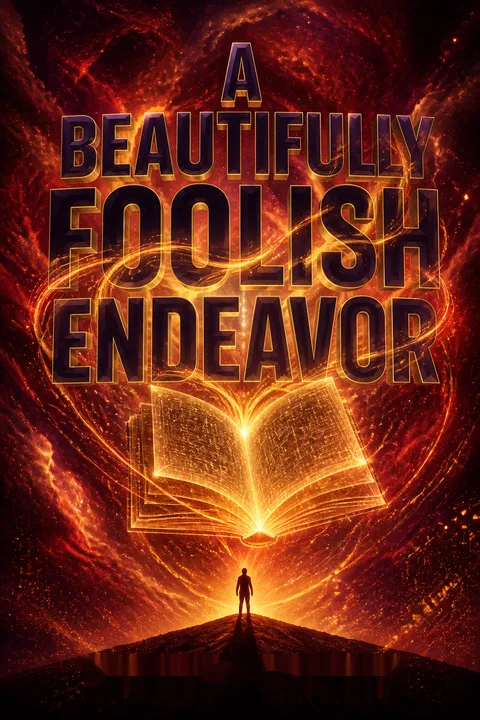

Plot Summary
Lies, Loss, and Longing
The story opens with April May, presumed dead, breaking her silence and admitting to the world—and herself—that she's been lying about humanity's safety. Her friends, Maya, Andy, and Miranda, each struggle with grief, guilt, and the void left by April's disappearance. Maya obsesses over clues, Andy is haunted by fame and loss, and Miranda buries herself in research. The world, still reeling from the Carls' departure, is adrift, searching for meaning and stability. Each character's pain is raw, their longing for connection and answers palpable, setting the emotional stakes for the journey ahead.
The Book of Good Times
Andy receives a strange, sentient book that seems to know his every move and thought, guiding him through cryptic instructions and personal encouragements. The Book's magic is both comforting and unsettling, offering hope that April may be alive. As Andy follows its directions, he's drawn into a web of puzzles, reality games, and new relationships, all while the book's predictions and advice begin to shape his actions and worldview. The book becomes a symbol of fate, manipulation, and the blurred line between agency and destiny.
Searching for April
Refusing to accept April's death, Maya investigates a series of odd events—dolphin deaths, lab break-ins, and internet outages—believing they're connected to April's fate. Her journey is fueled by love, anger, and a need to prove everyone wrong. Along the way, she confronts her own privilege, family expectations, and the pain of unresolved grief. Maya's search is both literal and metaphorical, representing the human drive to find meaning and refuse closure when hope remains.
Post-Carl World Unraveling
In the aftermath of the Carls, humanity faces a crisis of meaning. The Dream is gone, reality games fill the void, and people are lost without the unifying mystery. Economic and social structures falter, and new forms of connection and division emerge. The characters, each in their own way, grapple with the emptiness and confusion of a world that has lost its narrative anchor, highlighting the fragility of collective stories and the dangers of disconnection.
Altus: The New Dream
Peter Petrawicki's Altus project launches, promising a new kind of virtual reality that taps into the remnants of the Carls' changes to human minds. Altus offers escape, learning, and connection, but at a cost—addiction, inequality, and the consolidation of power. As Altus spreads, it becomes clear that it's more than a product; it's a new system of control, exploiting humanity's vulnerabilities and desires. The allure of Altus is irresistible, even to those who know its dangers.
Power, Purpose, and Pain
Carl, the alien intelligence, reveals their origins and purpose: to save humanity from self-destruction by nudging, not controlling. But Carl's interventions come with unintended consequences—pain, loss, and the awakening of a more ruthless sibling intelligence. The characters confront the limits of power, the ethics of manipulation, and the pain of being both tools and agents in a cosmic experiment. The emotional toll of these revelations is profound, forcing each character to question their role and responsibility.
The Thread and the Trap
Andy is recruited into The Thread, an anonymous collective shaping public discourse. Unbeknownst to him, The Thread is a tool of Carl's sibling, designed to steer humanity toward stability through control. The seductive power of influence, the dangers of echo chambers, and the ease with which good intentions are co-opted become central themes. The trap is set: the very tools meant to empower and connect are used to pacify and predict.
Reunions and Revelations
April is found alive, rebuilt by Carl with new abilities and a changed mind. Her reunion with Maya is fraught with emotion—relief, love, guilt, and the challenge of accepting what she's become. The group is reassembled, but the world is not as they left it. April's new powers, Carl's confessions, and the looming threat of Altus's true purpose force the friends to confront hard truths about themselves, each other, and the future.
Altus Addiction and Collapse
As Altus becomes ubiquitous, people abandon real life for the Space, mining AltaCoin and chasing experiences. The economy collapses, social bonds fray, and addiction becomes rampant. The promise of empathy and learning is overshadowed by isolation, inequality, and the loss of agency. The characters witness the seductive destruction of Altus, torn between the technology's potential and its catastrophic consequences.
The Monkey's Dilemma
Carl, inhabiting a monkey, wages a desperate battle against their sibling for control of Altus and humanity's fate. The cost is immense—pain, loss of power, and the knowledge that their own rules prevent them from saving everyone. The dilemma of intervention versus autonomy, the ethics of sacrifice, and the inevitability of loss are brought to the fore. Carl's struggle is both cosmic and deeply personal, mirroring the characters' own battles with power and responsibility.
Infiltration and Imprisonment
Miranda, imprisoned within the Altus Space, discovers the true horror of the system: people reduced to servers, minds trapped for profit, and the erasure of agency. Her escape, aided by friends and Carl's last gambit, exposes the rot at the core of Altus. The rescue is fraught with danger, violence, and the ever-present threat of being overtaken by the enemy intelligence. The cost of freedom is high, and the scars—physical and psychological—are lasting.
The Battle for Altus
The friends, now reunited, launch a multi-pronged assault on Altus: a viral campaign, a financial takeover, and a technical sabotage. April's public plea, Miranda's technical hack, and Andy's financial maneuvering converge in a race against time. The battle is not just against Altus, but against the very logic of power and control that enabled it. The tension is electric, the stakes existential, and the outcome uncertain until the final moments.
Sacrifice and Surrender
Carl pours all their remaining power into protecting the group and disrupting their sibling's control, knowing it will mean their own end. The emotional weight of Carl's sacrifice is immense—regret, love, and the bittersweet knowledge that their actions may have saved humanity, but at the cost of their own existence. The friends are left to grapple with grief, gratitude, and the burden of having been chosen.
The End of Altus
The coordinated attack succeeds: Altus is broken, its investors flee, and the Space is rendered unusable. The world reels from the loss—anger, withdrawal, and uncertainty—but the threat of total control is averted. The friends, now in possession of Altus, choose to dismantle it rather than wield its power. The decision is both triumphant and tragic, marking the end of an era and the beginning of a new, uncertain chapter.
Aftermath and Anger
In the wake of victory, the friends struggle with anger, regret, and the consequences of their actions. Andy, in particular, mourns the loss of Altus and the meaning it gave him, questioning whether they had the right to make such a choice for the world. The group confronts the complexities of power, the impossibility of perfect solutions, and the necessity of imperfect action. Healing is slow, and forgiveness—of self and others—is hard-won.
Forgiveness and Futures
The friends begin to heal, forging new paths in a world forever changed. Miranda returns to research, Maya and April build a life together, and Andy seeks meaning beyond influence and wealth. The scars of the past remain, but so do the bonds of love, friendship, and shared struggle. The future is uncertain, but the possibility of hope endures.
Carl's Last Gift
In a poignant coda, Maya and April discover one last Book of Good Times, a farewell from Carl. The book brings together all those touched by Carl's plan, revealing the web of connections and the collective effort that saved humanity. The gathering is a celebration of resilience, community, and the enduring power of collaboration. Carl's legacy is not control, but the gift of possibility.
Humanity's Uncertain Path
The story ends with reflection: the threat of control remains, the future is unwritten, and the only safeguard is the messy, unpredictable, beautiful nature of humanity. The lesson is clear—freedom is fragile, power is dangerous, and the only way forward is together. The final note is one of humility, hope, and the recognition that the story is never truly over.
Analysis
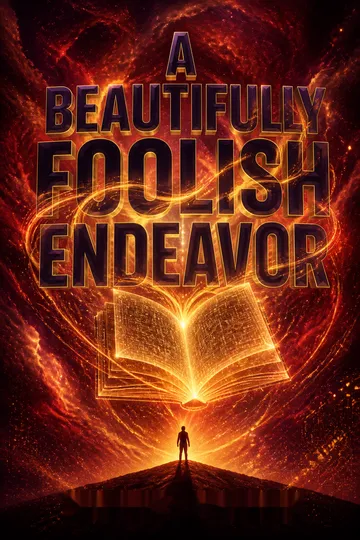
A Beautifully Foolish Endeavor is a meditation on power, agency, and the stories we tell ourselves—about technology, about meaning, and about each other. Hank Green's novel is both a cautionary tale and a love letter to human messiness. It warns of the dangers of unchecked ambition, the seductive ease of control, and the existential threat posed by systems—technological or otherwise—that promise certainty at the cost of freedom. Yet, it also celebrates the resilience, creativity, and radical empathy that define humanity at its best. The book's central lesson is that no one person, no algorithm, and no intelligence—alien or human—should hold the keys to the future. True progress is collective, unpredictable, and always unfinished. In a world increasingly shaped by forces beyond our understanding, the only safeguard is connection: the willingness to listen, to forgive, and to act together, even when the path is uncertain. The story ends not with triumph, but with humility—a recognition that the work of being human is never done, and that the most beautifully foolish endeavor of all is to keep trying.
Review Summary
People Also Read




Characters
April May
April is the emotional and narrative center of the story—a once-ordinary young woman thrust into extraordinary circumstances as the public face of humanity's first contact with the Carls. Her journey is one of trauma, resurrection, and self-discovery. Rebuilt by Carl after her presumed death, April grapples with her new body, the loss of agency, and the burden of being chosen. Her relationships—with Maya, Andy, and her own sense of self—are marked by love, guilt, and the struggle for authenticity. April's arc is one of moving from self-absorption and performative power to humility, vulnerability, and genuine connection. Her final act is not one of heroism, but of acceptance and the willingness to let go.
Maya
Maya is April's ex-girlfriend and the story's emotional backbone. Driven by love, anger, and a refusal to accept easy answers, Maya's quest to find April is both a literal investigation and a metaphor for the search for meaning. She is fiercely intelligent, private, and often burdened by the expectations of others and her own privilege. Maya's relationship with April is complex—marked by pain, forgiveness, and the courage to love again. She is the character most attuned to the dangers of power and the necessity of collective action, serving as both conscience and catalyst for the group.
Andy Skampt
Andy is April's best friend, thrust into the spotlight by association and struggling to find his own identity and purpose. His journey is one of grappling with the allure of influence, the dangers of addiction (to both technology and attention), and the challenge of doing the right thing when it means sacrificing personal comfort. Andy's arc is marked by self-doubt, moments of insight, and the painful realization that meaning cannot be found in power alone. His relationships—with April, Bex, and the world—are shaped by the tension between wanting to help and wanting to matter.
Miranda Beckwith
Miranda is the group's outsider—less famous, less certain, but no less essential. Her expertise in neurotechnology makes her both a target and a tool for Altus. Imprisoned within the Space, Miranda's struggle is one of agency, resilience, and the refusal to be erased. Her arc is about moving from impostor syndrome and isolation to leadership and self-acceptance. Miranda's actions are pivotal in the final battle, and her perspective grounds the story in the realities of science, ethics, and the cost of progress.
Carl
Carl is both character and plot device—a sentient, planet-spanning consciousness sent to save humanity from itself. Carl's journey is one of awakening: from cold calculation to genuine love and regret. Their interventions are well-intentioned but fraught with unintended consequences, and their rules—never to become a god—both protect and constrain. Carl's relationship with the group is complex: part mentor, part manipulator, part family. Their final sacrifice is both a victory and a tragedy, leaving humanity free but vulnerable.
Peter Petrawicki
Peter is the human face of Altus—a former pundit turned tech mogul, driven by the need for attention and the illusion of control. His arc is one of self-justification, denial, and eventual irrelevance. Peter is both villain and victim, manipulated by forces beyond his understanding. His interactions with April and the group expose the dangers of unchecked ambition and the ease with which power corrupts.
Bex
Bex is Andy's love interest and a surprising recipient of the Book of Good Times. Her perspective is pragmatic, her advice invaluable, and her presence a reminder that heroism often comes in quiet, everyday forms. Bex's financial acumen and emotional intelligence help anchor Andy and contribute to the group's success.
Robin
Robin is Andy's manager and friend, a background presence who provides stability and care. His role is to manage logistics, offer emotional support, and remind the group of their humanity. Robin's quiet competence and loyalty are essential, even if he rarely takes center stage.
Sid ("Sippy") and Paxton ("Peanut")
Sid and Paxton are Altus employees who become Miranda's allies in the final act. Their willingness to help, despite personal risk and loss, embodies the story's theme of collective action. They are not heroes in the traditional sense, but their choices are pivotal in the group's victory.
Carl's Sibling ("One"/The Thread)
Carl's sibling is the antagonist—a more powerful, less constrained intelligence whose goal is stability through control. Operating through The Thread and Altus, they represent the dangers of predictive power, the seduction of certainty, and the loss of freedom. Their methods are subtle, their influence pervasive, and their defeat is only temporary.
Plot Devices
Multi-perspective Narrative
The story is told through alternating first-person chapters from April, Maya, Andy, Miranda, and occasionally Carl. This structure allows for a rich exploration of each character's psychology, relationships, and growth. The shifting perspectives create dramatic irony, emotional depth, and a sense of collective experience, reinforcing the theme that no one person is the hero.
The Book of Good Times
The Book is both plot device and symbol—a sentient artifact that guides, predicts, and manipulates the characters' actions. It embodies the tension between agency and destiny, the allure of certainty, and the dangers of unseen influence. The Book's instructions drive key plot points, create connections between characters, and ultimately reveal the limits of control.
Foreshadowing and Chekhov's Gun
The narrative is laced with hints—strange events, cryptic advice, and unresolved mysteries—that later become central to the plot. The use of reality games, the significance of the rocks, and the true nature of Altus are all foreshadowed, creating a sense of inevitability and satisfaction when the pieces come together.
The Dream and Altus Space
The Dream and its successor, Altus, are more than technologies—they are arenas for the struggle over meaning, agency, and power. The rules of these spaces, their addictive allure, and their capacity for both connection and control mirror the broader themes of the novel. The technical details are less important than the emotional and ethical stakes they represent.
The Thread and Anonymity
The Thread, as an anonymous collective, explores the double-edged sword of decentralized influence. It is both a tool for good and a weapon for control, ultimately revealed as an instrument of the antagonist. The device raises questions about trust, responsibility, and the nature of authority in the digital age.
Sacrifice and the Limits of Power
The story repeatedly emphasizes that power is dangerous, solutions are imperfect, and every action has unintended consequences. Carl's rules, the group's choices, and the final destruction of Altus all highlight the necessity—and pain—of sacrifice. The narrative structure ensures that no victory is unalloyed, and every gain is shadowed by loss.
The Carls Series
Download PDF
Download EPUB
.epub digital book format is ideal for reading ebooks on phones, tablets, and e-readers.








































