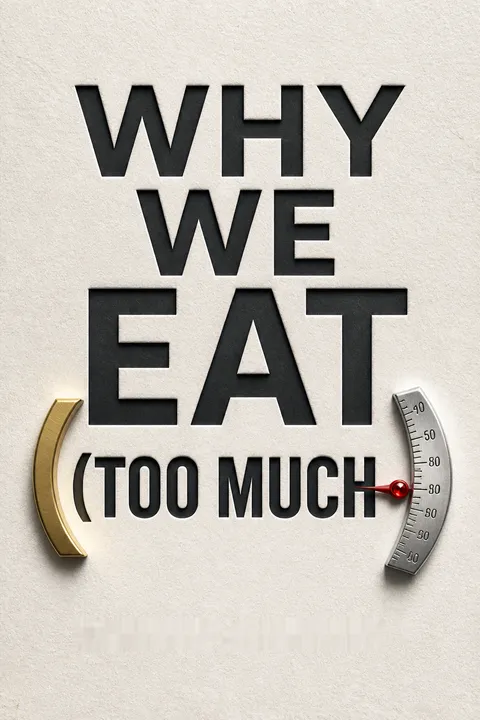

核心要点
1. 肥胖并非个人意志力的问题
“如果你问大多数营养师或医生是否了解这种机制——对过度饮食的代谢适应——他们通常会说不了解。”
个人责备是误导。 肥胖并非单纯源于懒惰或意志力不足。人体拥有复杂的代谢机制,调节体重超出意识控制范围。医学界传统上误将肥胖视为个人失败,而非生物学过程。
代谢的复杂性。 身体具备维持能量平衡的精密系统,包括:
- 可燃烧或储存热量的适应性代谢
- 控制食欲的激素信号
- 体重调节的遗传倾向
- 影响体重设定点的环境因素
科学认知不足。 传统医学教育未能充分解释肥胖的生物机制,导致治疗效果不佳和社会污名。身体积极维持其认定的最佳体重,常常与有意识的减重努力相悖。
2. 你的身体有一个预设的体重设定点
“体重设定点是代谢学规则1和2的核心——它驱动着它们。”
生物体重恒温器。 人体内有类似恒温器的机制,维持一个预定的体重范围。这个设定点基于遗传、环境和历史因素计算,使得减重远比简单的热量计算复杂。
设定点机制:
- 由下丘脑控制
- 受瘦素等激素影响
- 适应环境信号
- 可通过特定干预升高或降低
生存机制。 体重设定点作为保护策略进化而来,确保在潜在食物短缺时生存,使身体对剧烈体重变化具抵抗力。
3. 节食会提高你的体重设定点
“反复节食是训练身体变得肥胖的绝佳方法。”
代谢适应。 反复节食实际上促使身体提高体重设定点。每次节食都传递潜在未来食物短缺的信号,使身体更高效储存能量并减缓代谢。
节食后果:
- 代谢率下降
- 饥饿激素增加
- 未来体重反弹概率升高
- 可能造成长期代谢损伤
心理影响。 节食造成暂时减重后反弹的循环,引发挫败感和对体重的心理困扰。
4. 激素比热量更主导体重控制
“食欲似乎并非完全受意识控制,而是由这些新发现的激素调节。”
激素调节。 食欲和体重主要由胃饥饿素、瘦素和肽YY等激素控制,独立于意识决策。
关键激素机制:
- 胃饥饿素刺激饥饿感
- 瘦素传递能量储存信号
- 胰岛素管理血糖和脂肪储存
- 肽YY引发饱腹感
无意识控制。 这些激素通过复杂反馈回路作用,使体重调节更多依赖生物信号而非意志力。
5. 食物环境决定体重
“没有哪个自然的秋季会导致脂肪酸向欧米伽-6大幅偏移,远离欧米伽-3。”
环境影响。 现代食物环境以加工食品、植物油和精制碳水化合物为特征,根本改变了代谢信号和体重调节。
环境因素:
- 加工食品的普及
- 糖和精制碳水摄入
- 欧米伽脂肪酸比例
- 食品加工技术
进化不匹配。 我们的身体进化于天然未加工食物环境,当前食物格局与代谢系统根本不兼容。
6. 欧米伽脂肪酸影响代谢
“欧米伽-6家族,这些僵硬且不友好的守卫,竟然与大麻有秘密亲和力。”
细胞代谢。 欧米伽-3和欧米伽-6脂肪酸在细胞功能、炎症和代谢信号中扮演关键角色。
欧米伽脂肪酸作用:
- 影响细胞膜柔韧性
- 调节炎症反应
- 影响胰岛素敏感性
- 作用于代谢率
现代饮食干扰。 西方饮食极大改变了天然欧米伽-3与欧米伽-6的比例,可能导致代谢功能紊乱。
7. 胰岛素推动体重增加
“胰岛素水平越高,瘦素抵抗越强,体重设定点也越高。”
胰岛素的代谢角色。 胰岛素是体重调节的关键激素,控制血糖和脂肪储存。
胰岛素机制:
- 管理葡萄糖吸收
- 触发脂肪储存
- 与其他代谢激素相互作用
- 受饮食成分影响
饮食影响。 摄入引起胰岛素快速升高的食物,会导致长期代谢变化和体重增加。
8. 压力与睡眠影响体重调节
“如果你过度紧张,代谢就像受伤的动物一样运作。”
生理压力反应。 皮质醇和褪黑素水平通过代谢和激素机制显著影响体重调节。
压力与睡眠因素:
- 皮质醇增加食欲
- 睡眠不足扰乱代谢信号
- 慢性压力改变体重设定点
- 夜班工作诱发体重增加
整体健康观。 管理压力和保持良好睡眠对维持健康体重至关重要。
9. 遗传与表观遗传因素影响肥胖
“一旦我们理解这些信号、体重设定点,我们的体重终将掌握在自己手中。”
遗传倾向。 肥胖风险约75%由遗传决定,环境因素居次要地位。
遗传机制:
- 遗传的代谢倾向
- 表观遗传修饰
- 不同族群肥胖易感性差异
- 家族史影响
可塑性。 虽然遗传作用显著,生活方式干预仍能调节体重控制。
10. 可持续减重需生活方式改变
“成功且可持续的减重秘诀在于理解身体如何调节体重设定点。”
整体方法。 有效体重管理需全面生活方式调整,而非短期干预。
生活方式调整策略:
- 优化食物质量
- 管理压力
- 改善睡眠
- 规律运动
- 理解个体代谢反应
长远视角。 可持续减重在于营造支持环境,理解个体代谢信号。
读者评价
《我们为何(过度)进食》探讨了体重增加与肥胖背后的科学原理,挑战了传统的节食观念。书中详尽阐述了新陈代谢、激素以及人体设定点的机制,令读者受益匪浅。作者作为一名减重外科医生,其专业背景为论点增添了权威性。尽管许多读者认为本书内容丰富且发人深省,但也有人批评其实用建议不够切实或不够全面。书中关于脂肪、碳水化合物及加工食品的观点引发了广泛讨论。总体而言,本书提供了关于体重管理的新视角,强调长期生活方式的改变胜过速效节食。
其他人还在读




常见问题
What's Why We Eat (Too Much) about?
- Focus on Obesity: The book delves into the multifaceted causes of obesity, arguing that it is not simply due to lack of willpower or poor lifestyle choices.
- Metabology Concept: Dr. Andrew Jenkinson introduces "metabology," the study of metabolism and appetite regulation, influenced by hormones and environmental factors.
- Bariatric Surgery Insights: Insights from Jenkinson's experience as a bariatric surgeon are shared, explaining how surgery can reset weight set-points and alter appetite signals.
- Obesity Epidemic: The book examines the modern obesity epidemic, attributing it largely to changes in lifestyle and dietary habits.
Why should I read Why We Eat (Too Much)?
- Comprehensive Understanding: It offers a thorough understanding of the biological and environmental factors contributing to obesity, challenging common misconceptions.
- Practical Solutions: The book provides actionable advice for managing weight and improving health, emphasizing sustainable lifestyle changes over temporary diets.
- Empathy for Sufferers: Jenkinson emphasizes empathy for those struggling with obesity, highlighting factors beyond individual control to foster a compassionate view.
- Engaging Narrative: The author combines scientific research with personal anecdotes and patient stories, making complex concepts accessible and relatable.
What are the key takeaways of Why We Eat (Too Much)?
- Weight Set-Point Theory: Each person has a weight set-point, a predetermined weight defended by hormonal signals and metabolic adjustments.
- Obesogenic Environment: The modern food environment, rich in processed foods, contributes significantly to obesity.
- Long-Term Lifestyle Changes: Sustainable weight loss is achieved through long-term changes in eating and lifestyle habits, not short-term diets.
- Role of Hormones: Hormones like leptin and insulin play crucial roles in appetite regulation and weight management.
What is the weight set-point theory mentioned in Why We Eat (Too Much)?
- Definition: The theory suggests that each individual has a specific weight range that their body naturally tries to maintain.
- Body's Response: When weight changes, the body adjusts metabolism and appetite to return to the set-point, complicating sustained weight loss.
- Influencing Factors: Genetics, environment, and hormonal signals can influence the weight set-point.
- Implications: Understanding this theory helps in setting realistic expectations for weight management and emphasizes creating a supportive environment.
How does Why We Eat (Too Much) address the role of insulin in weight gain?
- Insulin's Function: Insulin regulates blood sugar by facilitating glucose uptake into cells, released in response to sugar and carbohydrates.
- Insulin and Weight Set-Point: High insulin levels can lead to increased fat storage and a higher weight set-point, contributing to obesity.
- Dietary Changes: Reducing sugar and refined carbs can lower insulin levels, helping to reset the weight set-point and promote weight loss.
What dietary changes does Why We Eat (Too Much) recommend?
- Eat Whole Foods: Emphasizes consuming fresh vegetables, meats, fish, and dairy, avoiding added sugars and unhealthy fats in processed foods.
- Avoid Sugar and Refined Carbs: Advises against high-sugar and refined carbohydrate foods, focusing on low-glycemic index foods for sustained energy.
- Increase Healthy Fats: Encourages incorporating healthy fats from avocados, nuts, and olive oil to promote satiety and regulate appetite hormones.
What is the significance of omega-3 and omega-6 fatty acids in Why We Eat (Too Much)?
- Essential Fatty Acids: Omega-3 and omega-6 are crucial for health, obtained through diet, and play roles in cellular function and inflammation regulation.
- Imbalance in Modern Diets: The typical Western diet is high in omega-6 from vegetable oils and low in omega-3s, leading to inflammation and weight gain.
- Restoring Balance: Recommends dietary adjustments to improve the omega-3 to omega-6 ratio, such as consuming more fatty fish and reducing vegetable oil intake.
How does Why We Eat (Too Much) explain the psychological aspects of eating?
- Mindful Eating: Encourages being present and aware during meals to recognize hunger cues and improve the relationship with food.
- Food Cravings: Discusses how cravings are influenced by emotional and environmental factors, offering strategies like mindfulness to manage them.
- Psychological Support: Emphasizes the importance of psychological support in weight management, particularly for those with a history of dieting.
What are some practical steps outlined in Why We Eat (Too Much) for lowering the weight set-point?
- Five-Step Program: Includes eating more whole foods, improving sleep quality, optimizing cellular health, toning muscles, and reducing insulin levels.
- Focus on Cooking: Encourages cooking meals with fresh ingredients to improve dietary quality and foster a positive relationship with food.
- Regular Exercise: Suggests incorporating enjoyable physical activities to improve metabolic health and lower the weight set-point.
What are the best quotes from Why We Eat (Too Much) and what do they mean?
- "Prevention is better than cure.": Stresses addressing root causes of obesity and lifestyle diseases rather than focusing solely on treatment.
- "You are what you eat.": Highlights the connection between diet and health, emphasizing the impact of food quality on well-being.
- "The answer is all around us.": Encourages looking at food culture and making conscious dietary choices for better health.
How does Why We Eat (Too Much) explore the historical context of human diets?
- Diet Evolution: Discusses how human diets have evolved from natural foods to processed diets and the health impacts of this transition.
- Historical Insights: Provides insights into dietary changes over time and their role in the modern obesity epidemic.
- Consequences of Transition: Examines the shift to processed foods and its contribution to increased rates of obesity and related diseases.
What insights does Why We Eat (Too Much) offer from bariatric surgery?
- Surgical Interventions: Explains how bariatric surgery can effectively reset a person's weight set-point and alter appetite signals.
- Weight Management: Offers insights into how surgical procedures can aid in long-term weight management and health improvement.
- Patient Experiences: Shares experiences and outcomes from patients who have undergone bariatric surgery, illustrating its impact on weight and appetite.
下载 PDF
下载 EPUB
.epub digital book format is ideal for reading ebooks on phones, tablets, and e-readers.








































