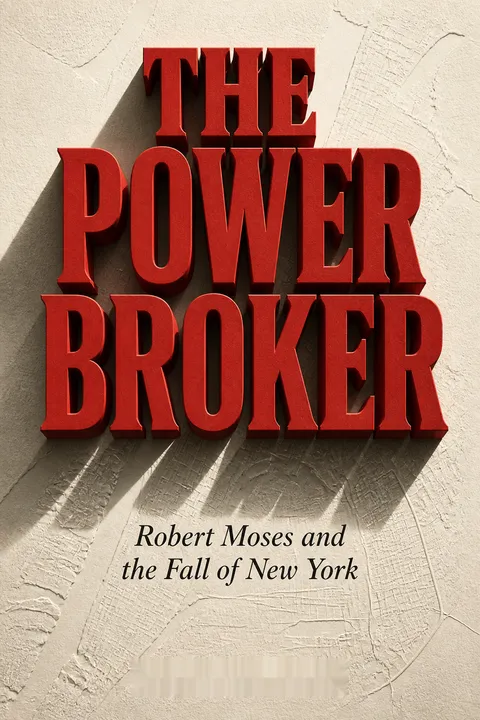

核心要点
1. 理想主义者:早期的抱负与原则
在第一次世界大战前那个充满乐观、改革与理想主义的年代,罗伯特·摩西是乐观者中的乐观者,改革者中的改革者,理想主义者中的理想主义者。
早年生活与教育。 罗伯特·摩西1888年出生于一个富裕的德裔犹太家庭,母亲贝拉·摩西坚强的意志和慈善精神深刻影响了他。他曾就读于耶鲁和牛津等名校,学业优异,深信公共服务的重要性和择优制度的价值。他早期的著述和行动体现出炽热的理想主义,主张以真理和逻辑推动改革。
为理想而战。 在耶鲁,摩西挑战既有的社会等级,争取基于才能的认可,甚至顶撞体育主管沃尔特·坎普,组织小型体育活动。他的牛津论文《英国公务员制度》倡导择优的公务员体系,同时也流露出对知识精英阶层的早期信仰。他“满脑子都是改善城市的点子”,从小型公园凉亭到宏伟的滨水高速公路无所不包。
改革的初尝试。 加入市政研究局这一进步改革中心后,摩西致力于公务员制度重组,坚信效率与逻辑终将战胜裙带关系。他设计了复杂的评分系统,孜孜不倦地推动其采纳,面对与塔马尼政治机器紧密相连的愤怒市政员工的强烈反对。尽管才华横溢、全力以赴,他的早期努力仍被根深蒂固的政治机器所挫败。
2. 改革者的幻灭:权力是实现理想的关键工具
没有权力,理念和梦想都无法转化为现实。
失败与觉醒。 1918年,摩西理想主义的公务员改革以惨败告终,制度被废弃,他失业在家。这段经历粉碎了他单凭真理和逻辑就能改变现实的信念。他意识到,没有权力,即使最卓越的理念和最热烈的理想主义也无济于事。
新的认知。 失败教会摩西一个关键教训:要实现梦想,必须拥有权力。此后,他毕生追求权力,凭借想象力、坚韧意志和决心不断积累权力。这标志着他从相信理念本身正当性的理想主义者,转变为注重实现手段的务实主义者。
通往权力之路。 机遇来自贝尔·莫斯科维茨,她慧眼识才,将摩西引荐给州长艾尔·史密斯。为史密斯的重建委员会工作期间,摩西学会了现实政治的运作和妥协的重要性。他开始明白,曾经轻视的政治手腕,实际上是推动事情进展的必需。
3. 权力的崛起:掌握政治游戏
“欧尼,”他曾说,“艾尔·史密斯听我的。”
与艾尔·史密斯的联盟。 摩西与来自下东区的政治高手州长艾尔·史密斯结成独特而强大的联盟。尽管背景迥异,史密斯认可摩西的才华与奉献,摩西则视史密斯为实现梦想的政治力量。史密斯成为摩西实用政治艺术的导师。
学习政治游戏。 与史密斯紧密合作,摩西学会了如何驾驭政治格局,如何应对立法者,如何利用媒体,如何运用政治关系。他观察史密斯在谈判、妥协和权力运用上的高超技巧。这段经历使摩西从天真的理想主义者蜕变为精明的政治操盘手。
早期成就。 在史密斯支持下,摩西开始取得实质成果。他在州行政重组和监狱改革立法中发挥关键作用,构思并启动了长岛庞大的州立公园和公路系统规划。史密斯的支持为摩西提供了他所认识的“行政支持”,不可或缺。
4. 权力的运用:建设实体城市
为了修建高速公路,摩西驱逐了25万人出家门——比奥尔巴尼、查塔努加,或斯波坎、塔科马、杜鲁斯、阿克伦、巴吞鲁日、莫比尔、纳什维尔或萨克拉门托的人口还多。
愿景成形。 掌握权力后,摩西开始大规模建设。他的愿景涵盖庞大的高速公路、桥梁和公园网络,彻底改造纽约市及其郊区。他看中了未开发的土地和沼泽地,将其转变为公共空间和交通动脉。
建设手段。 摩西以无情的效率和政治手腕实现目标。他利用征用权征收土地,驱逐居民,往往对人道代价漠不关心。他绕过官僚障碍,无视反对声音,专注于项目落地。
城市的物理变革。 结果是城市景观的剧烈改变:
- 数英里的高速公路和公园大道纵横交错。
- 主要桥梁连接各区和岛屿。
- 大型公园和海滩由未开发土地和填海地形成。
- 公共住房项目和城市更新区重塑社区。
他对城市的物理影响不可否认且极为深远。
5. 权威机构:新型无约束权力的来源
通过权威机构运作,摩西能让公众无法得知他的所作所为……
权威机构的力量。 摩西认识到公共权威机构作为权力工具的潜力,这些机构在很大程度上不受传统民主监督。通过起草赋予这些机构广泛权力的立法,如发行债券、收取通行费,并在选举官员直接监管之外运作,他建立了一个平行政府结构。
摆脱监督。 权威机构能够:
- 发行基于收入而非税收的债券。
- 保持运作秘密,记录不公开。
- 制定具有法律效力的规章。
- 行使征用权及其他政府权力。
这一结构使摩西绕过了早期改革中令他挫败的政治程序和公众问责。
巩固控制。 摩西策略性地整合多个权威机构的控制权,尤其是三桥隧道管理局,使自己成为庞大财力帝国的核心人物。这种控制为他提供了巨大的资源和杠杆,得以在市长和州长干预有限的情况下推进建设议程。
6. 人的代价:社区与居民的流离失所
他摧毁了数十个社区的核心,这些社区规模堪比小城市,曾是充满活力、友好的居住地,是纽约成为人们家的重要部分。
流离失所与破坏。 摩西对大型公共工程的执着追求付出了惨重的人道代价。他的高速公路和城市更新项目迫使数十万居民迁离,许多来自稳定而充满活力的社区。这些社区被夷为平地,为新建设让路。
对贫困和少数族裔的影响。 流离失所的负担主要落在贫困和少数族裔居民身上。
- 数万贫困非白人被驱逐。
- 替代住房往往不足或难以负担。
- 安置过程常常冷漠无情。
他的项目加剧了贫民区的隔离和恶化,同时也催生了新的贫民区。
社区的丧失。 除了物理上的迁移,摩西的项目破坏了社区的社会结构。长期建立的紧密社区被分裂和驱散,居民失去了身份认同和归属感。大规模的物理改造往往掩盖了受影响居民的需求和愿望。
7. 权力的衰落:声誉受损,影响力减弱
但在此过程中,他失去了最珍贵的资产:声誉。
局势逆转。 在数十年几乎绝对的权力和广泛的公众赞誉之后,摩西的形象开始破裂。他曾被视为进步所必需的铁腕手段,逐渐暴露出傲慢和无视公众意见的缺点。围绕“绿洲酒馆”停车场和电池公园大桥等项目的争议揭示了他的傲慢。
公众反感。 曾经塑造摩西神话的媒体开始转向,描绘他为公园的破坏者和以自我为中心的人。他试图压制批评、控制舆论的努力适得其反,进一步损害了声誉。曾经坚定的支持者开始将他视为无约束权力和冷漠的象征。
权力受挑战。 虽然他的权威机构法律上依然存在,但公众支持的流失削弱了他的政治杠杆。市长和州长虽受限于权威机构的法律框架,却更愿意挑战他的决策,限制其影响力。“中央公园之战”成为转折点,表明即使在其权力中心,公众抗议也能迫使他退让。
8. 遗产:塑造城市,疑问犹存
只能说,这座城市本会是另一番模样。
城市的重塑。 罗伯特·摩西在纽约市及其郊区留下了不可磨灭的物理印记。他的道路、桥梁和公园网络从根本上改变了该地区的地貌和基础设施。从物理建设角度看,他是美国最伟大的建设者。
持久的疑问。 尽管成就巨大,人们仍对其遗产的最终价值存疑。他的项目是否真正提升了市民生活质量,还是加剧了拥堵、流离失所和社会不平等?他塑造的城市是进步与绝望的复杂交织。
权力的本质。 摩西的生涯是民主权力本质的有力案例。他展示了如何在传统民主结构之外积累并运用巨大权力,以及这种权力如何实现宏大物理变革。但他也揭示了当权力缺乏公众问责和人文关怀时可能付出的代价。
另一座城市。 没有罗伯特·摩西,纽约无疑会是另一番景象。它是否会更好,历史或许永远无法给出定论。他的遗产见证了一人意志塑造世界的力量,无论是福是祸。
读者评价
《权力掮客》被广泛誉为罗伯特·摩西的传世巨著,详尽描绘了他如何崛起并掌控纽约市基础设施的权力与影响力。读者赞赏卡罗严谨的调研、引人入胜的文笔,以及将复杂政治权谋巧妙编织成引人注目的叙事的能力。此书不仅是对摩西个人的传记,更是一部关于权力本质的研究,揭示了他如何通过公园、高速公路和桥梁塑造城市,往往以牺牲社区和公共交通为代价。尽管部分读者觉得篇幅庞大令人望而生畏,但大多数人仍认为这是理解城市规划与政治权力不可或缺的重要读物。
其他人还在读




常见问题
What is The Power Broker: Robert Moses and the Fall of New York by Robert A. Caro about?
- Comprehensive biography and urban history: The book is a detailed biography of Robert Moses, chronicling his rise to power and his profound impact on New York City’s infrastructure, politics, and society.
- Focus on power and urban development: It explores how Moses used public authorities to build parks, highways, bridges, and housing, transforming the city and its suburbs over four decades.
- Political and social analysis: Caro examines the interplay between Moses’ personal ambitions, political maneuvering, and the consequences of his projects, especially for marginalized communities.
- Historical context: The narrative situates Moses’ career within the broader history of New York, including the roles of key political figures and major events like the Great Depression and postwar era.
Why should I read The Power Broker by Robert A. Caro?
- Insight into power dynamics: The book offers a profound understanding of how power operates in government, urban planning, and public works, revealing the mechanisms behind Moses’ dominance.
- Urban planning lessons: It provides a critical look at the social and ethical implications of large-scale infrastructure projects, especially their impact on poor and minority communities.
- Masterful storytelling and research: Caro’s exhaustive research and compelling narrative make complex political and technical subjects accessible and engaging.
- Historical and contemporary relevance: The book is essential for anyone interested in history, politics, urban studies, or the consequences of unchecked authority.
What are the key takeaways from The Power Broker by Robert A. Caro?
- Power can corrupt and isolate: Moses’ story illustrates how immense, unchecked power can lead to arrogance, isolation, and disregard for public welfare.
- Urban development has social costs: Large-scale projects can displace communities and exacerbate social inequalities, as seen in Moses’ expressways and housing policies.
- Political skill and manipulation: Moses’ mastery of political maneuvering, patronage, and media control was central to his success and longevity.
- Institutional innovation and danger: The creation of quasi-sovereign public authorities allowed Moses to bypass democratic checks, serving as both a tool for progress and a cautionary tale.
Who was Robert Moses and what was his role in New York City’s development according to The Power Broker?
- Master builder and planner: Robert Moses was the most influential urban planner in New York during the 20th century, responsible for major highways, bridges, parks, and housing projects.
- Powerful public official: He held multiple key positions simultaneously, giving him unprecedented control over public works and urban development.
- Controversial legacy: Moses’ projects modernized the city but often displaced hundreds of thousands, especially poor and minority residents, and reinforced segregation.
- Political boss and empire builder: He used patronage, intimidation, and alliances to maintain his power, creating an empire centered on public authorities like the Triborough Bridge and Tunnel Authority.
How did Robert Moses acquire and maintain power according to The Power Broker?
- Use of public authorities: Moses exploited the legal and financial structure of public authorities, which operated independently and with little transparency, to secure financial and political autonomy.
- Political alliances and patronage: He distributed contracts and favors to politicians, contractors, and unions, building a network of loyalty and support.
- Manipulation of democratic processes: Moses concentrated decision-making in his hands, bypassed traditional oversight, and kept records closed to public scrutiny.
- Control over city and state projects: He held veto power over major contracts and shaped priorities to enhance his influence, making himself indispensable to government operations.
What were the social and urban consequences of Robert Moses’ projects as described in The Power Broker?
- Mass displacement: Moses’ highways and urban renewal projects displaced nearly half a million people, often targeting poor and minority neighborhoods.
- Promotion of automobile culture: His focus on highways encouraged car use and suburban sprawl, while neglecting public transit and worsening congestion.
- Segregation and ghettoization: Public housing and recreational facilities were often designed to reinforce racial and economic segregation, with limited amenities for the poor.
- Destruction of urban fabric: Historic neighborhoods and cultural sites were destroyed, fragmenting the city and delaying rational urban planning.
How did Robert Moses use public authorities to gain and wield power, according to The Power Broker?
- Creation of powerful authorities: Moses drafted legislation to create entities like the Triborough Bridge Authority, granting them broad, indefinite powers and financial independence.
- Financial autonomy and secrecy: These authorities collected tolls and issued bonds, operating with private records and minimal public oversight.
- Legal entrenchment: Moses embedded his powers in bond contracts, making them nearly impossible to revoke without bondholder consent, effectively creating a “fourth branch” of government.
- Institutional innovation: This structure allowed Moses to bypass elected officials and maintain control for decades.
What was the significance of the Cross-Bronx Expressway and other highway projects in The Power Broker?
- Engineering challenges: Projects like the Cross-Bronx Expressway required complex construction through dense urban areas, involving tunnels, viaducts, and massive interchanges.
- Human cost: Thousands of families were displaced with minimal compensation, and entire neighborhoods like East Tremont were destroyed.
- Political maneuvering: Moses bypassed democratic processes, using intimidation and bureaucratic pressure to push projects through despite public opposition.
- Long-term impact: These highways accelerated urban decay, increased congestion, and shaped the city’s development around automobiles.
How did Robert Moses’ approach to urban planning and democracy conflict, according to The Power Broker?
- Autocratic philosophy: Moses believed large-scale public works required autocratic power, often dismissing public input and democratic procedures.
- Disdain for opposition: He openly mocked protests and enjoyed imposing his will, prioritizing projects over people.
- Bypassing elected officials: Moses used his control over public authorities to circumvent mayors, city councils, and community groups.
- Consequences for democracy: His methods undermined democratic governance and set a precedent for unchecked bureaucratic power.
What role did political alliances, banks, unions, and contractors play in Robert Moses’ power as described in The Power Broker?
- Alliance with economic forces: Moses provided lucrative contracts and jobs to banks, unions, and contractors, ensuring their support for his projects.
- Political patronage: He distributed favors, campaign contributions, and patronage jobs to politicians and party bosses, creating a network of loyalty.
- Manipulation of bond sales: Banks profited from purchasing bonds issued by Moses’ authorities, reinforcing their political backing.
- Symbiotic relationships: These alliances created a powerful coalition that protected Moses from political challenges and enabled his dominance.
What controversies and criticisms of Robert Moses are highlighted in The Power Broker?
- Displacement and social injustice: Moses’ projects led to the eviction of thousands, especially in poor and minority communities, often with inadequate relocation assistance.
- Corruption and patronage: His use of political machines, contractors, and unions involved graft, favoritism, and manipulation of public funds.
- Authoritarian style: Moses was known for bullying, secrecy, and intolerance of dissent, alienating allies and opponents alike.
- Neglect of community needs: He prioritized grand projects over neighborhood preservation, often ignoring the voices and welfare of affected residents.
What are the best quotes from The Power Broker by Robert A. Caro and what do they mean?
- “The important thing is to get things done.” Reflects Moses’ pragmatic, results-oriented approach, often prioritizing achievement over legality or ethics.
- “You can’t make an omelet without breaking eggs.” Justifies the collateral damage and displacement caused by his projects, emphasizing sacrifice for the greater good.
- “An institution is the lengthened shadow of one man.” Highlights how Moses shaped public authorities to reflect his personality and ambitions, for better or worse.
- “The ancient truth is that power corrupts.” Underscores the book’s central theme about the dangers of unchecked authority and its impact on character and governance.
关于作者
下载 PDF
下载 EPUB
.epub digital book format is ideal for reading ebooks on phones, tablets, and e-readers.








































