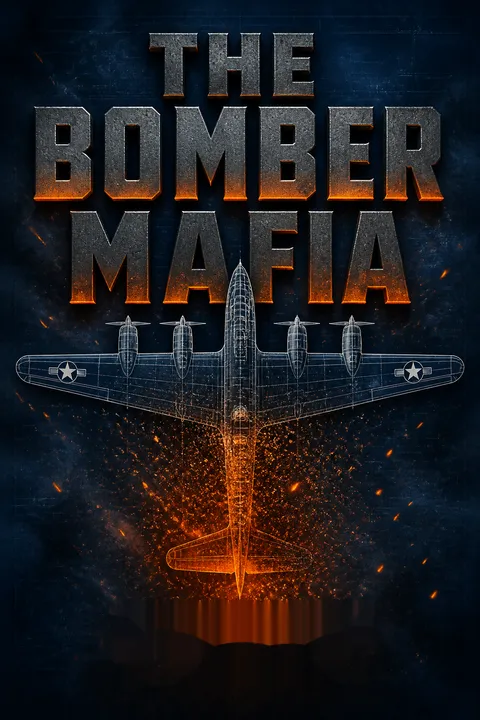

核心要点
1. 精确轰炸:人道战争的梦想
他真心相信陆军和海军告诉他的话——我们要摧毁的是战争机器,而非战争中的人。
崇高的理想。 精确轰炸的理念源于减少平民伤亡、只针对军事和工业设施的愿望。这一理念彻底摒弃了过去无差别轰炸的做法,旨在让战争更具“手术性”,减少破坏。
- 利用科技让战争更具人道性。
- 这是对第一次世界大战惨烈景象的回应。
- 相信科技能让战争更精准、流血更少。
卡尔·诺登的执着。 卡尔·诺登是一位才华横溢却古怪的工程师,他毕生致力于打造完美的瞄准镜。他坚信提高轰炸精度能拯救生命。他发明的诺登瞄准镜,是一台复杂的模拟计算机,能计算从高空投弹的最佳时机。
- 诺登是个完美主义者,独自钻研。
- 他怀揣深厚的道德使命感。
- 他的瞄准镜象征着精确战争的梦想。
道德的使命。 精确轰炸不仅是技术追求,更是道德追求。它试图调和战争的破坏性与减少痛苦的愿望,目标是打击战争手段,而非人民。
2. 轰炸机黑帮:怀揣理想的兄弟团
我们的进步不受传统束缚。
叛逆的群体。 “轰炸机黑帮”是阿拉巴马州麦克斯韦尔基地空军战术学校一群年轻有为的飞行员。他们坚信空军力量的变革潜力,拒绝传统军事教条。
- 他们是挑战现状的兄弟团。
- 痴迷于飞机的潜能。
- 相信空军能独自赢得战争。
全新的战争方式。 轰炸机黑帮提出高空、白天、精确轰炸的学说。他们认为轰炸机能深入敌后,摧毁关键工业目标,使敌人屈服,无需大规模地面战。
- 他们设想空中主导的战争。
- 认为轰炸机势不可挡。
- 视诺登瞄准镜为实现理想的关键。
远见的梦想。 轰炸机黑帮的理念激进且未经验证,基于对科技进步和空军革命战争力量的信仰。他们是梦想家,期望让战争更高效、更少破坏。
3. 技术的局限:诺登瞄准镜的缺陷
这是不可能的。
战争的现实。 尽管诺登瞄准镜技术先进,但在实际战场环境中效果远不及预期。天气、风力和战斗压力等因素使得实现承诺的精度极为困难。
- 瞄准镜是复杂的机械装置。
- 对温度和摩擦极为敏感。
- 战斗条件下操作困难重重。
自然的不可预测性。 高空急流是精确轰炸的主要障碍,使轰炸机难以保持稳定航线,准确命中目标。
- 急流是此前未知的现象。
- 使高空轰炸极为艰难。
- 暴露了诺登瞄准镜的局限。
人的因素。 年轻且经验不足的轰炸手在战斗压力下难以熟练操作复杂瞄准镜。人的因素成为精确轰炸失败的重要原因,战斗的紧张和恐惧影响了瞄准效果。
4. 区域轰炸:道德的十字路口
在我看来,他们都是活跃的士兵。
不同的策略。 英国推崇的区域轰炸,是对平民区的无差别攻击,基于摧毁城市、杀伤平民以瓦解敌人士气、迫使其投降的信念。
- 大规模毁灭的战略。
- 目标包括平民和军事设施。
- 基于“去屋化”敌人的理念。
林德曼的影响。 温斯顿·丘吉尔的亲密顾问弗雷德里克·林德曼是区域轰炸的坚定支持者,认为即使造成大量平民伤亡,这也是赢得战争的最有效手段。
- 林德曼是才华横溢却古怪的科学家。
- 丘吉尔的密友。
- 坚信士气轰炸的威力。
道德困境。 区域轰炸的转变引发严肃的道德质疑:为了军事目标,攻击平民是否合理?这场辩论凸显了现代战争的伦理复杂性,背离了精确轰炸的原则。
5. 勒梅的无情效率:战略的转变
我宁愿要一个愚蠢但行动的人——即使他错了——也不愿要一个犹豫不决、无所作为的人。
务实的领导者。 柯蒂斯·勒梅是一位才华横溢却冷酷无情的指挥官,专注于取得成果。他不受轰炸机黑帮理想束缚,愿意放弃精确轰炸,采用更有效但道德上难以接受的战术。
- 勒梅是务实主义者,重视结果。
- 敢于挑战传统观念。
- 物流和计划的大师。
新策略。 勒梅转向低空、夜间、燃烧弹轰炸。他意识到急流和云层使高空精确轰炸不可能,决定用凝固汽油弹焚烧日本城市。
- 放弃精确轰炸原则。
- 采用大规模毁灭战略。
- 效率优先于道德。
不懈的驱动力。 勒梅渴望尽快结束战争,认为最大限度破坏敌人是最有效手段,即使造成大量平民伤亡也在所不惜。他愿为胜利付出一切代价。
6. 东京大轰炸:堕入地狱
全是灰烬——那边那边那边。
“会议屋”行动。 1945年3月9日,东京遭遇历史上最具破坏性的空袭之一。勒梅指挥的B-29投下数千吨凝固汽油弹,引发火灾风暴,估计造成约10万人死亡。
- 针对平民的蓄意攻击。
- 旨在制造火灾风暴。
- 是对日空战的转折点。
火海中的城市。 东京大轰炸惨烈无比,城市被烈焰吞噬,数千人活活烧死。此役生动展现了现代战争的毁灭力。
- 火灾风暴自成风系。
- 空气中弥漫着焦尸气味。
- 场面惨不忍睹。
道德的审判。 东京大轰炸引发深刻的战争道德反思:对平民施加如此巨大破坏是否合理?这场攻击虽是战争转折,却也标志着道德深渊的堕落。
7. 技术痴迷的意外后果
沉迷技术,有时会惹麻烦。
完美主义的风险。 轰炸机黑帮的故事警示技术痴迷的危险。对完美瞄准镜的追求导致忽视天气和人的因素。
- 过度关注技术忽略现实。
- 追求完美带来意外后果。
- 精确轰炸的梦想终成幻影。
技术的滑坡。 凝固汽油弹和原子弹的发展展示了技术可被用于毁灭。轰炸机黑帮的故事强调新技术开发和使用需伦理指导。
- 技术可为善亦可为恶。
- 科技进步必须遵循道德原则。
- 新武器研发可能带来意外后果。
人类判断的重要性。 轰炸机黑帮的故事凸显战争中人类判断的关键。单靠技术无法解决战争问题,必须考虑伦理影响,基于道德原则做决策。
8. 战争与道德的永恒命题
战争残酷肮脏,你会杀很多人,无法回避。
战争的本质。 轰炸机黑帮的故事提出战争本质的根本问题:能否以既有效又合乎道德的方式进行战争?答案往往并不明朗。
- 战争本质上充满破坏和暴力。
- 战争的道德问题无简单答案。
- 追求胜利可能导致道德妥协。
道德的局限。 轰炸机黑帮的故事揭示战争中道德的局限。即使出发点良好,也可能面临艰难抉择,妥协价值观。
- 战争考验人类道德极限。
- 胜利欲望可能引发道德妥协。
- 军事必要性与道德原则存在张力。
反思的重要性。 轰炸机黑帮的故事提醒我们,尤其在战争时期,必须不断反思行为的伦理影响。永远不能忽视冲突的人类代价,必须努力减少痛苦。这是对道德责任的呼唤。
读者评价
《轰炸机黑帮》评价褒贬不一,既有对其引人入胜的叙事和对二战轰炸策略探讨的赞赏,也有批评声音。评论者认可格拉德威尔对军事领导者道德困境的剖析,但部分人认为书中的论点混乱且过于简化。读者们重视其历史见解和音频制作质量,却对分析深度表示怀疑。尽管许多人喜欢格拉德威尔的写作风格,另一些读者则觉得本书不及他以往作品的严谨。总体来看,这本书被视为对复杂历史话题的一次有趣但略显不足的探索。
其他人还在读








常见问题
What's "The Bomber Mafia" about?
- Overview of the book: "The Bomber Mafia" by Malcolm Gladwell explores the contrasting philosophies of two groups during World War II: the Bomber Mafia, who believed in precision bombing to minimize civilian casualties, and those who advocated for area bombing.
- Central figures: The book focuses on key figures like Haywood Hansell, a proponent of precision bombing, and Curtis LeMay, who ultimately led the firebombing campaign against Japan.
- Historical context: It delves into the technological and moral challenges faced by the U.S. Army Air Forces during the war, particularly in the Pacific theater.
- Moral and ethical questions: Gladwell examines the ethical dilemmas of warfare and the impact of technological advancements on military strategy.
Why should I read "The Bomber Mafia"?
- Insight into military history: The book provides a detailed look at a pivotal moment in military history, offering insights into the development of airpower strategy during World War II.
- Moral exploration: It raises important ethical questions about the conduct of war and the balance between military objectives and humanitarian concerns.
- Engaging storytelling: Gladwell's narrative style makes complex historical events accessible and engaging, weaving together personal stories and broader historical analysis.
- Relevance to modern warfare: The themes of technological innovation and moral decision-making in warfare are highly relevant to contemporary military and political discussions.
What are the key takeaways of "The Bomber Mafia"?
- Precision vs. area bombing: The book highlights the tension between the Bomber Mafia's vision of precision bombing and the reality of area bombing during World War II.
- Technological challenges: It underscores the limitations and challenges of the Norden bombsight and the impact of the jet stream on bombing accuracy.
- Moral complexity: Gladwell explores the moral complexities faced by military leaders, particularly the temptation to abandon principles for expedient solutions.
- Legacy of airpower: The book examines the long-term impact of these wartime decisions on the development of airpower and military strategy.
What is the Bomber Mafia's philosophy?
- Precision bombing: The Bomber Mafia believed in using precision bombing to target specific military and industrial sites, minimizing civilian casualties.
- Technological faith: They placed great faith in the Norden bombsight, which they believed could allow for highly accurate bombing from high altitudes.
- Moral high ground: The group saw precision bombing as a more humane way to conduct warfare, aligning with their ethical principles.
- Revolutionary vision: They envisioned a future where wars could be won from the air without the need for large-scale ground invasions.
Who was Curtis LeMay and what was his role?
- Military leader: Curtis LeMay was a key figure in the U.S. Army Air Forces during World War II, known for his leadership and strategic innovations.
- Firebombing campaign: He led the firebombing campaign against Japan, which involved low-altitude, nighttime raids using incendiary bombs.
- Pragmatic approach: LeMay prioritized achieving military objectives quickly, even if it meant abandoning the precision bombing doctrine.
- Controversial legacy: His actions and decisions remain controversial, raising questions about the ethics of wartime strategies.
What challenges did Haywood Hansell face?
- Technological limitations: Hansell struggled with the limitations of the Norden bombsight and the impact of the jet stream on bombing accuracy.
- Moral dilemma: He faced pressure to abandon precision bombing in favor of more destructive tactics, which conflicted with his principles.
- Operational difficulties: The harsh conditions in the Pacific theater, including logistical challenges and weather issues, complicated his efforts.
- Eventual replacement: Hansell was eventually replaced by Curtis LeMay, who took a different approach to the air war against Japan.
How did the jet stream affect bombing missions?
- Unexpected obstacle: The jet stream, a fast-flowing air current, was an unforeseen challenge that disrupted bombing accuracy over Japan.
- Impact on Norden bombsight: The high-altitude winds made it difficult for bombardiers to use the Norden bombsight effectively.
- Strategic adjustments: The presence of the jet stream forced military leaders to reconsider their bombing strategies and tactics.
- Historical significance: The discovery of the jet stream highlighted the limitations of existing technology and the need for adaptation in warfare.
What role did napalm play in the Pacific theater?
- Development of napalm: Napalm was developed as a highly effective incendiary weapon, capable of causing widespread destruction.
- Use in firebombing: Curtis LeMay used napalm extensively in the firebombing of Japanese cities, leading to massive civilian casualties.
- Moral implications: The use of napalm raised ethical questions about the conduct of war and the targeting of civilian populations.
- Long-term impact: Napalm's effectiveness in the Pacific theater influenced future military strategies and the development of incendiary weapons.
What are the best quotes from "The Bomber Mafia" and what do they mean?
- "We make progress unhindered by custom." This quote reflects the Bomber Mafia's belief in innovation and challenging traditional military doctrines.
- "The bomber will always get through." This statement encapsulates the Bomber Mafia's confidence in the power of airpower to achieve military objectives.
- "War is a mean, nasty business." Curtis LeMay's pragmatic view of warfare highlights the harsh realities and difficult decisions faced by military leaders.
- "If you, then, will worship me, it will all be yours." This biblical reference underscores the moral temptations and ethical dilemmas faced by figures like Haywood Hansell.
How does "The Bomber Mafia" explore the theme of moral decision-making?
- Ethical dilemmas: The book examines the moral challenges faced by military leaders in choosing between precision and area bombing.
- Principles vs. pragmatism: It highlights the tension between adhering to ethical principles and achieving military objectives through expedient means.
- Impact of technology: The role of technological advancements in shaping moral decision-making is a central theme throughout the book.
- Historical reflection: Gladwell encourages readers to reflect on the moral implications of wartime decisions and their relevance to modern conflicts.
What is the significance of the Norden bombsight in "The Bomber Mafia"?
- Technological innovation: The Norden bombsight was a key technological advancement that promised precision bombing capabilities.
- Limitations revealed: The book explores the challenges and limitations of the bombsight, particularly in the context of the Pacific theater.
- Symbol of the Bomber Mafia's vision: The bombsight represents the Bomber Mafia's belief in using technology to conduct more humane warfare.
- Impact on military strategy: The effectiveness and limitations of the Norden bombsight influenced the development of airpower strategy during World War II.
How does "The Bomber Mafia" relate to modern military strategy?
- Legacy of airpower: The book traces the evolution of airpower strategy from World War II to contemporary military operations.
- Precision bombing advancements: It highlights the technological advancements that have made precision bombing a reality in modern warfare.
- Ethical considerations: The moral questions raised in the book remain relevant to current discussions about the conduct of war and the use of technology.
- Lessons for the future: Gladwell's exploration of historical events offers insights into the challenges and opportunities facing military leaders today.
关于作者
其他作品,作者: 马尔科姆·格拉德威尔









下载 PDF
下载 EPUB
.epub digital book format is ideal for reading ebooks on phones, tablets, and e-readers.








































