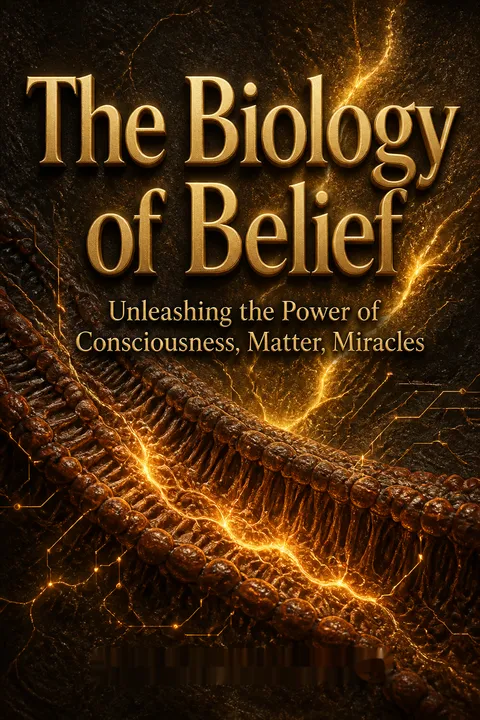

核心要点
1. 我们的信念对生物学的影响远超基因
基因并非命中注定!
感知的力量。 我们对生活和环境的信念与认知,对生物学的影响远远超过遗传密码。这一观点挑战了传统的基因决定论,即认为基因主宰着我们的生物命运。
表观遗传的作用。 表观遗传学研究表明,环境因素,包括我们的思想和信念,能够在不改变DNA序列的情况下调控基因表达。也就是说,虽然我们可能遗传了某些基因倾向,但生活方式和心态在决定哪些基因被激活或抑制中起着关键作用。
实际意义:
- 积极的信念有助于促进康复和整体健康
- 消极的信念可能导致疾病和病痛
- 改变信念能够带来显著的生物学变化
- 认识到这一点使我们能够掌控自身健康与福祉
2. 细胞膜,而非细胞核,是细胞的大脑
细胞膜是一种具有门控和通道的液晶半导体。
膜的智慧。 细胞膜才是真正控制细胞行为的大脑,它通过响应环境信号来调节细胞活动。这一观点颠覆了传统认为含有DNA的细胞核是细胞主要控制中心的看法。
信息处理。 细胞膜上的受体蛋白如同天线,捕捉环境信号并转化为细胞反应。这一过程类似于计算机芯片的信息处理,使细胞膜成为一个复杂的信息处理系统。
细胞膜的关键组成:
- 磷脂双分子层:构成基本结构
- 整合膜蛋白:充当受体和效应器
- 离子通道:选择性允许分子通过
- 糖蛋白:促进细胞间通讯
3. 量子物理揭示心灵与物质的相互关联
我们不是无力的生化机器,遇到心理或身体不适时仅靠吃药绝非良策。
超越牛顿物理学。 量子物理表明,宇宙并非由孤立的固体物体构成,而是一个能量与信息相互交织的网络。这一认识挑战了生物学和医学中的还原论机械观。
身心连接。 量子物理的原理支持意识和意图能够影响物理现实,包括我们的身体。这为安慰剂效应和冥想对健康影响等现象提供了科学依据。
健康与疗愈的启示:
- 基于能量的疗法可能具备科学有效性
- 思想和信念能直接影响身体健康
- 整体医学方法或优于还原论方法
- 量子物理中的观察者效应表明我们的观察塑造现实
4. 意识与潜意识协同塑造现实
潜意识严格依赖习惯;它会不断重复对生活信号的相同行为反应,令我们苦恼不已。
双重心智系统。 我们的心智由两部分组成:负责理性思考和决策的意识,以及基于习得模式和信念自动运作的潜意识。
编程与再编程。 潜意识通过重复和情感体验,尤其是童年时期形成程序。尽管这些程序根深蒂固,但并非不可改变。理解潜意识的运作机制,我们可以重新编程,使其支持我们的意识目标和愿望。
协调意识与潜意识的策略:
- 视觉化与积极肯定
- 正念与冥想练习
- 认知行为疗法技巧
- 催眠及其他改变意识状态的方法
- 通过自我反思和治疗解决限制性信念
5. 压力抑制细胞层面的生长与修复
要真正茁壮成长,我们不仅要消除压力源,还需积极追求充满喜悦、爱与满足的生活,激发生长过程。
压力反应。 当感知到压力时,身体启动“战斗或逃跑”机制,将能量和资源从生长修复转移出去。此进化机制虽有助于短期生存,但长期激活则有害无益。
细胞影响。 压力激素如皮质醇会抑制免疫系统,减缓细胞再生,甚至改变基因表达。这解释了慢性压力为何与心血管疾病、抑郁症等多种健康问题相关。
慢性压力对身体的影响:
- 免疫功能受抑制
- 炎症反应增加
- 认知功能受损
- 睡眠模式紊乱
- 加速衰老过程
- 慢性疾病风险上升
6. 表观遗传学揭示环境如何影响基因表达
胎内生活质量——我们出生前的临时家园——决定了我们日后患冠心病、中风、糖尿病、肥胖及多种疾病的易感性。
超越基因决定论。 表观遗传学显示,营养、压力,甚至思想和情绪等环境因素,能在不改变DNA序列的情况下调控基因表达,挑战了基因单独决定生物命运的观念。
代际影响。 表观遗传变化可跨代遗传,解释了祖先环境如何影响我们自身健康和易感性。这强调了为自己及后代创造积极环境的重要性。
表观遗传学核心概念:
- DNA甲基化:向DNA添加甲基可关闭基因
- 组蛋白修饰:改变组蛋白影响基因可及性
- 非编码RNA:调控基因表达的RNA分子
- 跨代表观遗传遗传:表观遗传变化可遗传
7. 有意识的育儿从受孕起积极影响孩子发展
父母在无瘾、平静稳定且有亲友支持的环境中表现更佳。
产前影响。 母亲怀孕期间的环境和经历对胎儿发育有深远影响,不仅包括营养,还涵盖情绪和心理状态。
早期儿童编程。 儿童生命的最初几年对潜意识信念和行为模式的形成至关重要,这些模式可能持续终生。有意识的育儿意味着关注我们的行为和态度如何塑造孩子的心智发展。
有意识育儿原则:
- 从受孕起营造充满爱与支持的环境
- 怀孕期间关注自身思想与情绪
- 早期多给予身体亲昵和积极关注
- 以身作则,展示期望孩子养成的行为与态度
- 培养开放沟通与情绪智力
8. 爱与积极思维对健康福祉有可测量的影响
如果积极思维能帮助你走出抑郁、治愈受伤的膝盖,试想消极思维会在你生活中造成何种影响。
信念的生物学。 积极的思想和情绪能触发有益神经化学物质和激素的释放,促进康复和整体健康。相反,消极思想会激活压力反应,损害健康。
超越安慰剂效应。 虽然安慰剂效应展示了信念在疗愈中的力量,研究表明培养爱与感恩等积极情绪对身心健康有持久益处,超出单纯安慰剂的解释范围。
培养积极情绪的益处:
- 增强免疫系统
- 减少炎症反应
- 改善心血管健康
- 提升认知功能
- 增强抗压能力
- 改善社会关系与支持网络
9. 我们是拥有身体体验的灵性存在
我们不是基因的受害者,而是命运的主宰,能够创造充满和平、幸福与爱的生活。
超越唯物主义。 量子物理和细胞生物学的洞见表明,意识不仅是大脑的产物,更是宇宙的基本组成部分。这一观点与许多灵性传统相契合,认为人类是暂时居住在肉体中的灵性存在。
相互关联。 认识到我们的灵性本质,彰显了我们与生命万物及宇宙的紧密联系。这种理解能带来更强的使命感、同情心和对行为及其影响的责任感。
灵性本质的启示:
- 生命超越物质存在,具有内在意义与目的
- 我们有能力通过意识塑造现实
- 死亡或非终结,而是转变
- 我们的行为在相互关联的宇宙中影响深远
- 培养灵性觉知可提升福祉与满足感
10. 进化正朝向更高意识与合作迈进
我们正结束一个进化周期,准备开启新的征程。
进化中的分形模式。 作者提出进化遵循类似分形几何的重复模式,每个周期带来更高的复杂性与意识。这表明人类当前面临的挑战是更大进化过程的一部分。
合作胜于竞争。 传统进化论强调竞争,但新兴证据显示合作在进化成功中扮演关键角色。面对全球挑战,人类更大范围的合作能力或是持续进化的关键。
意识进化的迹象:
- 通过科技实现全球互联互通
- 环境问题与可持续性意识增强
- 整合与整体健康科学方法兴起
- 情感与灵性福祉重要性日益被认可
- 社会结构趋向更协作与包容
读者评价
《信念的生物学》评价褒贬不一,评分从一星到五星不等。支持者称赞利普顿通俗易懂的写作风格以及他将生物学、心理学与灵性相结合的创新观点。批评者则认为本书缺乏科学严谨性,提出了未经证实的论断。一部分读者欣赏利普顿对遗传决定论的挑战,另一些人则将其视为伪科学。书中对表观遗传学及信念影响细胞行为的探讨引发了广泛兴趣,但怀疑者质疑利普顿结论的有效性以及他对量子物理的解读。
其他人还在读







常见问题
What's The Biology of Belief about?
- Explores the power of belief: The book discusses how beliefs influence biology, emphasizing that our perceptions and thoughts can shape our physical health and well-being.
- Focus on epigenetics: It introduces the concept of epigenetics, which shows that environmental factors can modify gene expression without changing the DNA sequence itself.
- Mind-body connection: Lipton argues that understanding the relationship between consciousness and biology can empower individuals to take control of their health and life outcomes.
Why should I read The Biology of Belief?
- Empowerment through knowledge: The book provides insights that can help readers understand they are not victims of their genes but can influence their health through their beliefs and environment.
- Integrates science and spirituality: It bridges the gap between scientific research and spiritual understanding, making complex concepts accessible to a general audience.
- Revolutionary perspective: Lipton challenges traditional views of genetic determinism, offering a new paradigm that can change how we think about health and healing.
What are the key takeaways of The Biology of Belief?
- Beliefs shape biology: The central thesis is that our beliefs and perceptions can directly affect our biological processes and health outcomes.
- Role of the environment: The book emphasizes that the environment plays a crucial role in gene expression, highlighting the importance of our surroundings in shaping our lives.
- Consciousness as a tool: Lipton encourages readers to harness the power of their consciousness to create positive changes in their lives and health.
What is epigenetics, as defined in The Biology of Belief?
- Control above genetics: Epigenetics refers to the study of how environmental signals can modify gene activity without altering the DNA sequence itself.
- Dynamic gene expression: It shows that genes are not fixed but can be turned on or off based on various factors, including lifestyle and beliefs.
- Implications for health: Understanding epigenetics can empower individuals to make choices that positively influence their health and well-being.
How does Bruce Lipton define the relationship between beliefs and health?
- Beliefs influence biology: Lipton asserts that our beliefs can directly affect our biological functions, impacting everything from immune response to overall health.
- Mind-body connection: He emphasizes that the mind and body are interconnected, and that mental states can lead to physical changes in the body.
- Self-empowerment: By changing limiting beliefs, individuals can alter their health outcomes and take control of their lives.
What is the significance of the cell membrane in The Biology of Belief?
- The true brain of the cell: Lipton argues that the cell membrane, not the nucleus, is the primary site of information processing and decision-making in cells.
- Environmental interaction: The membrane's receptors allow cells to perceive and respond to environmental signals, influencing their behavior and function.
- Liquid crystal semiconductor: He describes the membrane as a liquid crystal semiconductor, highlighting its role in facilitating communication and energy transfer within the cell.
How does The Biology of Belief challenge traditional views of genetics?
- Rejects genetic determinism: Lipton argues against the notion that genes solely dictate our health and behavior, emphasizing the role of the environment and beliefs.
- Focus on epigenetics: He presents epigenetics as evidence that gene expression can be influenced by external factors, challenging the idea that our genetic fate is fixed.
- Empowerment through understanding: By understanding these concepts, readers can take proactive steps to improve their health rather than feeling powerless against their genetic inheritance.
What role does consciousness play in The Biology of Belief?
- Consciousness as a creator: Lipton posits that consciousness is a powerful tool that can shape our reality and influence our biological processes.
- Mind over matter: He emphasizes that our thoughts and beliefs can lead to tangible changes in our health and well-being, reinforcing the mind-body connection.
- Path to self-empowerment: By harnessing consciousness, individuals can create positive changes in their lives, moving from a victim mentality to one of co-creation.
How does Bruce Lipton suggest we can change our beliefs?
- Awareness of limiting beliefs: Lipton encourages readers to identify and challenge self-limiting beliefs that may be holding them back.
- Reprogramming through new experiences: He suggests that new experiences and knowledge can help rewire our beliefs, leading to healthier outcomes.
- Empowerment through education: By understanding the science behind beliefs and biology, individuals can take control of their health and life choices.
What is PSYCH-K and how is it related to the concepts in The Biology of Belief?
- Reprogramming subconscious beliefs: PSYCH-K is a method developed by Rob Williams that aims to change limiting beliefs stored in the subconscious mind, aligning them with conscious goals.
- Energy psychology: It falls under the umbrella of energy psychology, which integrates the principles of quantum physics with psychological practices to facilitate personal change.
- Practical application: Lipton endorses PSYCH-K as a practical tool for individuals to reprogram their beliefs and improve their lives, demonstrating the application of the book’s concepts.
How does The Biology of Belief address the concept of stress?
- Impact on health: The book discusses how chronic stress can inhibit growth and healing, leading to various health issues by activating the body’s protection mechanisms.
- Mind-body response: Lipton explains that stress responses can alter cellular behavior and gene expression, emphasizing the need for stress management for overall health.
- Encouragement of positive environments: He advocates for creating positive environments and mindsets to mitigate stress and promote healing and growth.
What is the relationship between love and health in The Biology of Belief?
- Love as a growth promoter: Lipton asserts that love and positive emotions are essential for health, promoting growth and well-being at the cellular level.
- Fear vs. love: The book contrasts the effects of fear, which can lead to protection responses and inhibit growth, with love, which fosters a thriving environment for cells.
- Holistic health: Lipton emphasizes that nurturing relationships and a loving environment are crucial for maintaining health and vitality, aligning with the book’s overall message of interconnectedness.
关于作者


下载 PDF
下载 EPUB
.epub digital book format is ideal for reading ebooks on phones, tablets, and e-readers.








































