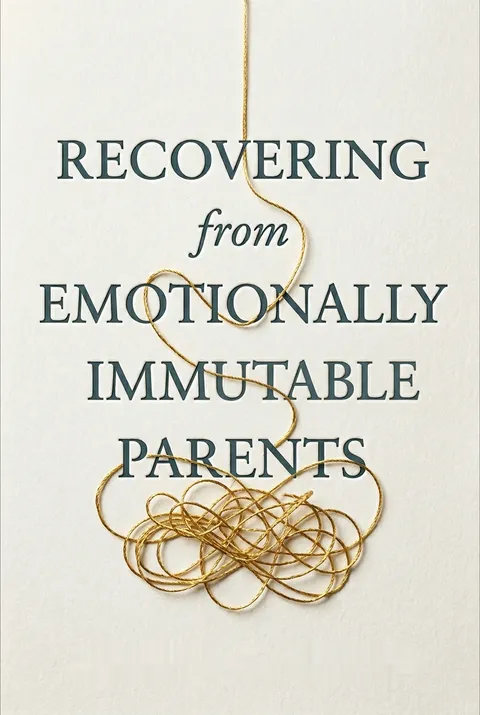

核心要点
1. 识别情感不成熟父母(EIP)的迹象
情感不成熟的父母本质上是恐惧和不安全的。
EIP的特征: 他们通常表现出自我吸收、同理心低下以及在关系中需要成为最重要的人。EIP倾向于:
- 支配和控制他人
- 通过情感传染进行沟通
- 无视界限和个性
- 责怪他人并为自己找借口
- 冲动反应且难以承受压力
情感不成熟父母的类型:
- 情绪型父母:高度反应和易变
- 驱动型父母:目标导向且不断忙碌
- 被动型父母:回避冲突和顺从
- 拒绝型父母:对关系不感兴趣且以自我为中心
了解这些特征可以帮助你识别生活中的EIP,并认识到他们对你情感健康的影响。
2. 理解EIP如何影响你的自我概念和关系
情感不成熟的父母在孩子身上看到的是满足父母需求的特质。
对自我概念的影响: 在EIP的环境中成长可能导致:
- 情感孤独感和不值得感
- 难以形成亲密关系
- 倾向于怀疑自己的想法和感受
- 难以设定界限和自我主张
关系模式: EIP通常会创造出以下特征的关系:
- 以父母需求为中心的单方面互动
- 以内疚和羞耻作为控制工具
- 否定孩子的内在体验
- 期望孩子提供持续的情感支持
识别这些模式对于理解EIP如何塑造你的自我认知和关系动态至关重要,从而使你能够朝着更健康的互动和自我形象努力。
3. 保护自己免受情感接管和胁迫
情感胁迫发生在EIP通过引发恐惧、内疚、羞耻和自我怀疑来控制你时。
保护策略:
- 识别并挑战扭曲的假设
- 质疑EIP需求的紧迫性
- 在回应前客观评估情况
- 设定明确的界限和你愿意做的事情的限制
保持自主:
- 练习保持与自己感受和想法的联系
- 使用自我对话来强化你做决定的权利
- 在挑战性情境中抵制与自己断开的冲动
通过实施这些策略,你可以保持情感自主,抵制EIP的操纵企图,培养更强的自我意识和更平衡的关系。
4. 与EIP发展有效的沟通策略
你不必让任何这些奉承对你起作用。
沟通技巧:
- 使用“滑溜”的回应来避开压力
- 通过引入新话题或观点来引导互动
- 通过脱离或保持物理距离为自己创造空间
- 限制谈话话题和持续时间
自信的回应:
- “我需要一些时间来考虑。”
- “我听到了,但我已经做了决定。”
- “我对这个话题不舒服。我们谈点别的吧。”
实施这些策略可以帮助你在与EIP的对话中保持控制,允许更平衡且情感上不那么耗费的互动。
5. 培养你的内心世界并建立自我信任
你的内心世界决定了你生活中最重要的信念和决定:你认为自己是谁,你相信什么,以及你渴望的未来。
培养内在联系:
- 注意身体感觉和情绪
- 练习正念和冥想
- 通过写日记来探索想法和感受
建立自我信任:
- 确认自己的经历和情感
- 抵制自我批评和评判
- 识别并尊重自己的需求和价值观
通过培养你的内心世界,你可以发展更强的自我意识,减少外部操纵的影响,进而建立更真实的关系和个人成长。
6. 清理你继承的思维模式
心理杂乱是那些原本不属于你的想法。
识别继承的想法:
- 注意“应该”和“必须”的陈述
- 识别过度批评或悲观的思维
- 注意由焦虑驱动的思维模式
清理技巧:
- 质疑想法的来源和有效性
- 用支持性的陈述取代负面的自我对话
- 练习认知重构以挑战扭曲的思维
清理你继承的思维模式可以让你更真实地表达自己和做出决策,摆脱EIP影响所带来的限制。
7. 更新你的自我概念以获得更健康的身份
你的自我概念是你对自己所有信念的基础,也是你允许自己成为的基础。
更新自我概念的步骤:
- 独立于他人意见之外建立你的价值
- 识别你的价值观和生活哲学
- 填补你自我认知中的空白
- 定义你自己的特质和优点
挑战扭曲的自我概念:
- 识别并拒绝自卑感
- 质疑基于羞耻的自我信念
- 确认你对爱和联系的能力
更新你的自我概念可以让你对自己有更准确和积极的看法,增加自信心并建立更充实的关系。
8. 通过关注个体互动来建立更健康的关系
如果你把注意力放在即时的互动上,而不是整个关系上,与情感不成熟的父母相处的时间会更有成效。
更健康互动的策略:
- 视自己与EIP同等重要
- 在互动中保持有意识的自我联系
- 在旧模式接管之前打断它们
- 通过示范尊重行为成为关系的领导者
正念方法:
- 以新的视角进入每次互动
- 专注于一次互动,而不是整个关系
- 使用正念技巧保持当下和自我意识
通过关注个体互动并保持自我联系,你可以与EIP建立更平衡和令人满意的关系,即使整体动态仍然具有挑战性。
读者评价
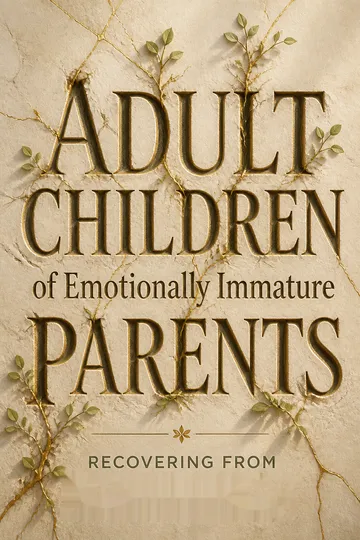
《从情感不成熟的父母中恢复》因其在处理情感不成熟的人,尤其是父母方面的实用建议而备受读者好评。许多人认为这本书改变了他们的生活,提供了设定界限和理解复杂家庭动态的工具。读者们赞赏作者富有同情心的态度和对情感不成熟的清晰解释。有些人指出,这本书对那些希望与情感不成熟的父母保持关系的人特别有帮助,而另一些人则希望能有更多关于如何与他们保持距离的指导。总体而言,这本书因其对个人成长和更健康关系的见解和策略而被广泛推荐。
其他人还在读






常见问题
What's "Recovering from Emotionally Immature Parents" about?
- Overview: The book by Lindsay C. Gibson provides practical tools and insights for individuals who grew up with emotionally immature parents. It aims to help readers establish boundaries and reclaim their emotional autonomy.
- Impact of EI Parents: It explores how emotionally immature (EI) parents affect their children's feelings, thoughts, and behaviors, often leading to emotional wounds that persist into adulthood.
- Healing and Growth: The book offers exercises and case studies to help readers understand their experiences, heal from past wounds, and develop healthier relationships with themselves and others.
- Target Audience: It is a valuable resource for both individuals dealing with EI parents and mental health professionals seeking to support their clients.
Why should I read "Recovering from Emotionally Immature Parents"?
- Understanding EI Dynamics: The book provides a clear understanding of the dynamics between emotionally immature parents and their children, which can be enlightening for those struggling with these relationships.
- Practical Tools: It offers practical exercises and strategies to help readers set boundaries and reclaim their emotional autonomy, making it a useful guide for personal growth.
- Emotional Healing: By addressing the emotional wounds caused by EI parents, the book helps readers work towards healing and developing a healthier self-concept.
- Professional Insight: For mental health professionals, the book offers insights and tools that can be applied in therapy to support clients dealing with similar issues.
What are the key takeaways of "Recovering from Emotionally Immature Parents"?
- Emotional Autonomy: The importance of reclaiming one's emotional autonomy and setting boundaries with EI parents is emphasized throughout the book.
- Understanding EI Traits: Recognizing the traits and behaviors of emotionally immature parents helps in understanding their impact on one's life.
- Healing Process: The book outlines a healing process that involves understanding past experiences, grieving losses, and developing a stronger relationship with oneself.
- Practical Exercises: It includes exercises to help readers reflect on their experiences, identify their needs, and build a healthier self-concept.
What are the best quotes from "Recovering from Emotionally Immature Parents" and what do they mean?
- "Your life will be your own again": This quote emphasizes the book's goal of helping readers reclaim control over their lives by understanding and overcoming the influence of EI parents.
- "You can’t change them, and you can’t make them happy": It highlights the futility of trying to change EI parents and the importance of focusing on one's own growth and happiness.
- "Your ultimate recovery goal is to build a loyal, committed relationship to your own inner self and well-being": This quote underscores the book's focus on self-connection and self-care as the foundation for healing.
- "You are just as important as they are": A reminder of the equal importance of one's own needs and feelings in relationships, challenging the dominance often exerted by EI parents.
How do emotionally immature parents affect their children, according to Lindsay C. Gibson?
- Emotional Loneliness: Children of EI parents often feel emotionally lonely, as these parents are unable to provide genuine emotional connection and support.
- Self-Doubt and Guilt: EI parents can instill self-doubt and guilt in their children by invalidating their feelings and making them responsible for the parents' emotions.
- Inhibited Development: The lack of emotional support and validation can inhibit a child's development of a healthy self-concept and emotional autonomy.
- Relationship Patterns: These children may carry patterns of seeking approval and fearing rejection into their adult relationships, often choosing partners who mirror their parents' behaviors.
What practical tools does "Recovering from Emotionally Immature Parents" offer?
- Boundary Setting: The book provides strategies for setting and maintaining healthy boundaries with EI parents to protect one's emotional well-being.
- Self-Reflection Exercises: It includes exercises to help readers reflect on their experiences, identify their needs, and understand their emotional responses.
- Communication Skills: Readers learn how to communicate their needs and feelings effectively, even in challenging interactions with EI parents.
- Self-Care Practices: The book emphasizes the importance of self-care and offers guidance on nurturing a positive relationship with oneself.
What is the "emotionally immature relationship system" (EIRS) described in the book?
- Definition: The EIRS is a dynamic where emotionally immature individuals make others feel responsible for their emotional stability and self-esteem.
- Emotional Takeovers: EI parents use emotional coercion to induce fear, guilt, and self-doubt in their children, making them prioritize the parents' needs.
- Impact on Children: This system can lead to children feeling trapped in roles that serve the parents' emotional needs, often at the expense of their own well-being.
- Breaking Free: The book provides strategies for recognizing and resisting these emotional takeovers to reclaim one's autonomy.
How can someone reclaim their emotional autonomy, according to the book?
- Recognize EI Traits: Understanding the traits and behaviors of EI parents is the first step in reclaiming emotional autonomy.
- Set Boundaries: Establishing and maintaining clear boundaries helps protect one's emotional space and well-being.
- Self-Connection: Developing a strong relationship with oneself, including self-awareness and self-acceptance, is crucial for emotional autonomy.
- Focus on Growth: Prioritizing personal growth and healing over trying to change EI parents allows for a more fulfilling and autonomous life.
What role does self-concept play in healing from emotionally immature parents?
- Foundation of Identity: Self-concept is the basis of how individuals see themselves and their worth, heavily influenced by parental feedback during childhood.
- Correcting Distortions: The book emphasizes the importance of correcting distorted self-concepts that may have been shaped by EI parents' negative feedback.
- Building Confidence: A healthy self-concept allows individuals to pursue their potential, build confidence, and engage in meaningful relationships.
- Self-Discovery: Updating one's self-concept involves exploring personal values, strengths, and aspirations, independent of parental influence.
How does the book suggest dealing with feelings of shame and guilt?
- Recognize Origins: Understanding that shame and guilt often stem from EI parents' emotional coercions helps in addressing these feelings.
- Reframe Emotions: The book encourages reframing shame and guilt as emotions rather than truths about oneself, reducing their power.
- Self-Compassion: Practicing self-compassion and self-acceptance is key to overcoming feelings of shame and guilt.
- Assert Boundaries: Setting boundaries and asserting one's right to emotional autonomy helps in managing these emotions effectively.
What is the significance of the "Bill of Rights for Adult Children of Emotionally Immature Parents"?
- Empowerment: The Bill of Rights empowers individuals to assert their needs, set boundaries, and prioritize their well-being in relationships with EI parents.
- Emotional Autonomy: It reinforces the right to emotional autonomy, mental freedom, and self-expression without fear of ridicule or coercion.
- Self-Protection: The rights emphasize the importance of self-protection and self-care, encouraging individuals to prioritize their health and happiness.
- Guidance: Serving as a reminder of the key principles discussed in the book, the Bill of Rights offers guidance for navigating interactions with EI parents.
How can mental clearing help in dealing with the influence of emotionally immature parents?
- Identify Thought Patterns: Mental clearing involves identifying and challenging thought patterns inherited from EI parents that may not serve one's best interests.
- Separate Influences: It helps in separating one's own thoughts and beliefs from those imposed by EI parents, allowing for independent thinking.
- Reduce Anxiety: By clearing mental clutter, individuals can reduce anxiety and depressive thinking often instilled by EI parents.
- Enhance Clarity: Mental clearing enhances clarity of thought, enabling individuals to make decisions based on their true desires and values.
关于作者
其他作品,作者: 林赛·C·吉布森
下载 PDF
下载 EPUB
.epub digital book format is ideal for reading ebooks on phones, tablets, and e-readers.








































