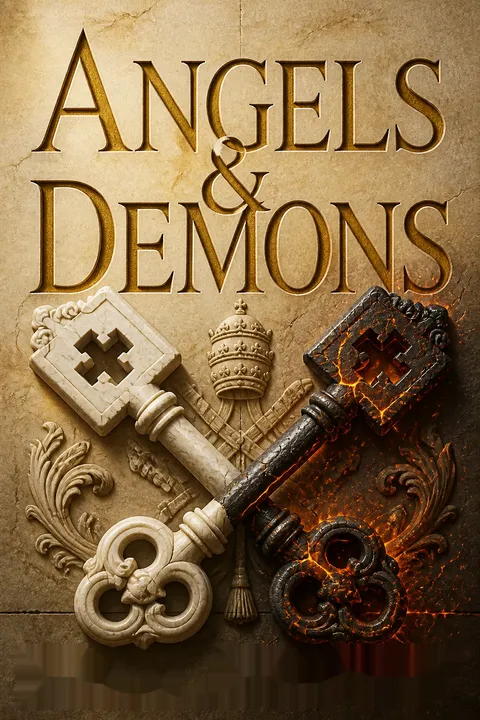

情节概要
欧洲核子研究中心的惊人发现
在声名显赫的欧洲核子研究中心(CERN)科研基地,物理学家莱昂纳多·维特拉被发现惨遭杀害,他的尸体上被烙上了一个神秘的符号。他的女儿维多利亚与哈佛大学符号学家罗伯特·兰登受命前来调查。他们发现,一种极具挥发性的物质——反物质已被盗走。如果不能及时找回这批反物质,整个梵蒂冈城都将被毁灭。一场阻止灾难的生死时速就此拉开序幕。
光明会的致命回归
兰登和维多利亚发现,被认为早已消亡的秘密结社——光明会,正是这起谋杀和盗窃案的幕后黑手。光明会已经渗透进梵蒂冈,并计划在教皇秘密会议期间将其摧毁。他们绑架了四位有望当选教皇的枢机主教(即“热门候选人”),企图处决他们,以此作为对教会的象征性报复。
生死时速的较量开始
随着反物质被藏匿在梵蒂冈城的某个角落并设定在午夜爆炸,兰登和维多利亚展开了疯狂的搜寻。他们沿着光明会留下的线索一路追踪,直指光明教堂。这条路径由四尊代表科学元素(土、气、火、水)的古老雕塑所标记,每一步都让他们更接近真相。
梵蒂冈档案馆的秘密
兰登获准进入梵蒂冈档案馆,希望能找到一份伽利略的文献,以揭示启蒙之路。档案馆中藏有寻找失踪枢机主教并阻止光明会计划的关键钥匙。随着兰登深入钻研档案,他揭开了尘封数个世纪的秘密,每一次发现都让他们离真相更近一步。
总管主教的抉择
教皇的内侍——总管主教卡洛·文特雷斯卡面临着道德与精神的双重危机。在毁灭性威胁步步逼近之际,他必须决定是疏散枢机主教们,还是信任兰登和维多利亚寻找反物质的能力。随着时间一分一秒流逝,梵蒂冈和天主教会的命运悬于一线,这也考验着他的信仰与决心。
寻找“火”的绝望搜寻
兰登和维多利亚竭力寻找与“火”元素相关的第三座科学祭坛。他们意识到,位于胜利圣母教堂的贝尼尼雕塑《圣德兰的狂喜》就是下一个标记。当他们向教堂飞奔时,心中充满了因迟到而无法挽救枢机主教的恐惧。他们在罗马的街道上穿梭,而杀手始终领先他们一步。
总管主教的大胆宣告
在西斯廷教堂内,总管主教向枢机主教团宣布了一个令人震惊的消息,揭露了光明会的复苏以及他们企图用反物质摧毁梵蒂冈城的阴谋。他的演讲进行了现场直播,暴露了教会的脆弱,并在面对科学的压倒性力量时,发出了争取团结与信仰的绝望呼吁。
致命的猫鼠游戏
在胜利圣母教堂,兰登和维多利亚发现枢机主教被悬挂在熊熊烈火之上。兰登试图营救,却遭到杀手的阻挠,杀手将兰登拖入了一场致命的猫鼠游戏。杀手的狡猾与残忍展露无遗,他嘲弄着兰登,使其陷入困境,不得不为生存而战。
光明会的阴险计划展开
梵蒂冈因一则惊人发现而剧烈震动:教皇是被光明会用过量的致命肝素谋杀的。这一震惊世人的消息让人们对教会的安全产生怀疑,并对光明会的渗透程度提出质疑,迫使总管主教和瑞士卫队不得不面对敌人可能就在内部的残酷现实。
总管主教的神圣启示
在危机时刻,总管主教卡洛·文特雷斯卡声称收到了神圣的信息,揭示了反物质容器的所在地。他坚信它就被藏在圣彼得墓中——这正是教堂的基石所在。尽管众人心存疑虑,但他的信念依然引领着大家在梵蒂冈地下墓穴中展开疯狂搜寻。在时间一分一秒流逝之际,他激励着身边的每一个人。
绝望的生死时速
随着总管主教带领众人穿过地下墓穴,兰登和维多利亚却在为移动反物质的后果而挣扎。他们担心将其带到地面会危及外面的民众。然而,尽管他们忧心忡忡,总管主教无比坚定的信仰依然驱使着他们向前,与时间赛跑,以阻止一场可能摧毁梵蒂冈城并夺走无数生命的灾难。
总管主教的惊人忏悔
剧情发生戏剧性逆转,总管主教吐露了令人震惊的真相:整场危机都是由他一手策划的,目的只为重新点燃人们对教会的信仰。他坚信,通过制造威胁然后奇迹般地拯救梵蒂冈,他就能重建世人对上帝的信仰。这一昭示让枢机主教们和兰登目瞪口呆,他们不得不面对其行为背后的道德困境,以及这场导致多人死亡的骗局。
奇迹背后的真相
随着真相大白,人们清楚地看到,总管主教的行为源于一种盲目的信念,即他认为自己是在服务于更高的神圣使命。他的忏悔揭示了科学与宗教之间根深蒂固的冲突,以及他试图通过操纵手段来弥合这一鸿沟的绝望尝试。枢机主教们陷入沉思,思考着教会的未来,以及从总管主教悲剧性覆灭中汲取的教训。
梵蒂冈的新曙光
危机过后,莫尔塔蒂枢机主教当选为新教皇,为动荡中的教会带来了希望与稳定。他的当选象征着信仰与理性的回归,梵蒂冈正寻求治愈创伤并继续前行。世人瞩目之下,教会在一位兼具智慧与慈悲的领袖引领下,开启了新的篇章。而完成了使命的兰登和维多利亚,也开始反思这些事件以及信仰那历久弥坚的力量。
Analysis
对信仰与科学的现代探索。《天使与魔鬼》深入探讨了科学与宗教之间古老的冲突,展现了信仰、权力以及对知识追求的主题。丹·布朗通过惊心动魄的叙事视角,审视了这两种力量之间和谐与不和的可能。故事挑战读者去思考盲目信仰与追求科学进步的道德影响,并最终表明,真正的理解存在于两者的平衡之中。小说错综复杂的剧情和丰富的符号隐喻,引导读者去反思信仰的本质以及人类精神那历久弥坚的力量。
读者评价
《天使与魔鬼》收到的评价褒贬不一。许多人称赞其节奏紧凑、扣人心弦的情节,以及对科学与宗教这一主题的探讨。读者们很欣赏布朗营造悬念、让人欲罢不能的能力,以及将历史和科学细节融入故事的巧妙手法。然而,也有人批评其写作风格、人物塑造以及事实上的不准确。尽管存在这些批评,许多人仍认为这是一部引人入胜的读物,甚至有人觉得它比《达·芬奇密码》更胜一筹。书中对读者宗教观和科学观产生的影响也屡屡被提及。
其他人还在读

Characters
Robert Langdon
兰登是哈佛大学专门研究宗教图像学和符号学的教授。由于他在光明会领域的专业知识,他被卷入了欧洲核子研究中心和梵蒂冈的危机之中。兰登善于分析且心存怀疑,但阻止灾难的责任感驱使着他前行。他的历史和符号知识成为解开谜团的关键。
Vittoria Vetra
维多利亚是一位才华横溢的物理学家,也是遇害的莱昂纳多·维特拉的女儿。她在反物质领域的专业知识以及与这起罪案的个人关联,促使她去寻找真相。维多利亚意志坚强、果敢决断,在为父亲寻求正义的过程中,经常与权威人物发生冲突。
Camerlegno Carlo Ventresca
总管主教是一位极具魅力且虔诚的精神领袖,他坚信自己是被上帝选中来拯救教会的。他的行为虽然误入歧途,但其出发点是想在他认为已经迷失的世界中重建信仰。他的悲剧性覆灭揭示了盲目信仰的危险以及人性灵魂的复杂性。
Cardinal Mortati
莫尔塔蒂是一位睿智且受人尊敬的枢机主教,他在危机后成为了新教皇。他体现了信仰与理性之间的平衡,以智慧和同理心引导教会度过动荡时期。他的领导为更美好的未来带来了希望。
Commander Olivetti
奥利维蒂是瑞士卫队的负责人,负责梵蒂冈城的安全。起初他对光明会的威胁持怀疑态度,但随着事态升级,他必须在保护梵蒂冈的职责与应对危机的需求之间找到平衡。
Maximilian Kohler
科勒是欧洲核子研究中心的主任,也是一位科学界人士。他决心揭开反物质及其与梵蒂冈关联的真相,其动机错综复杂,既源于对知识的渴望,也夹杂着对教会的个人恩怨。
Gunther Glick
格里克是英国广播公司(BBC)的记者,他被卷入了这场梵蒂冈危机。他足智多谋且决心揭开真相,在光明会的危险世界中穿梭,在追求新闻的过程中直面自己的信仰与偏见。
Leonardo Vetra
莱昂纳多是欧洲核子研究中心的物理学家,也是一位虔诚的天主教徒。他在反物质领域的突破性工作使他成为光明会的目标。他的遇害引发了一连串事件,必须由兰登和维多利亚来解开,而他的遗赠在事态发展中起到了至关重要的作用。
Plot Devices
Antimatter
反物质是剧情的核心,它既代表了科学进步的潜力,也代表了毁灭的威胁。它的被盗以及在梵蒂冈城的隐秘藏匿,制造了一个定时炸弹般的紧迫情境,推动着叙事向前飞奔。
The Illuminati
光明会充当了反派角色,他们与天主教会的历史冲突在现代背景下重新燃起。他们对符号的使用和隐秘的行事方式,为故事增添了重重迷雾与悬念。
Path of Illumination
启蒙之路是光明会留下一系列线索,引导兰登和维多利亚前往光明教堂。它既是一次现实的旅程,也是一次隐喻的旅程,挑战着主角们去破译古老符号并直面自己的信仰。
The Illuminati Diamond
光明会双面真言是一个神秘的烙印,代表了科学与宗教的终极统一。它的揭示是剧情的核心,象征着隐藏的真相和信仰的力量,挑战着角色们去直面自己的信仰与认知。
常见问题
Synopsis & Basic Details
What is Angels & Demons about?
- Ancient feud reignites: A secret society, the Illuminati, resurfaces after centuries, seeking revenge on the Catholic Church.
- Race against time: Harvard symbologist Robert Langdon and scientist Vittoria Vetra must decipher clues and stop a stolen antimatter device from destroying Vatican City.
- Clash of ideologies: The story explores the conflict between science and religion, as well as the power of faith and the dangers of extremism.
Why should I read Angels & Demons?
- Intriguing mystery: The novel is a fast-paced thriller with a complex plot, filled with twists, turns, and hidden codes.
- Exploration of themes: It delves into the historical conflict between science and religion, raising questions about faith, power, and the pursuit of knowledge.
- Rich symbolism: The story is packed with symbolism, art, and historical references, offering a deeper reading experience.
What is the background of Angels & Demons?
- Historical context: The novel draws on the real history of the Illuminati, a secret society that existed in the 16th and 17th centuries, and their conflict with the Catholic Church.
- Scientific elements: The story incorporates real scientific concepts, such as antimatter, and the research being conducted at CERN.
- Religious symbolism: The novel is set in Vatican City and explores the rich symbolism and traditions of the Catholic Church.
What are the most memorable quotes in Angels & Demons?
- "Science and religion are not at odds. Science is simply too young to understand.": This quote encapsulates the central theme of the novel, highlighting the potential for harmony between science and religion.
- "Sometimes to find truth, one must move mountains.": This quote emphasizes the lengths to which the characters are willing to go in their pursuit of knowledge and justice.
- "The most dangerous enemy is that which no one fears.": This quote foreshadows the Illuminati's resurgence and their ability to operate in secret.
What writing style, narrative choices, and literary techniques does Dan Brown use?
- Fast-paced narrative: Brown employs short chapters, cliffhangers, and frequent plot twists to maintain a high level of suspense and keep the reader engaged.
- Detailed descriptions: The author provides vivid descriptions of the settings, art, and historical locations, immersing the reader in the story's world.
- Symbolism and codes: Brown uses symbolism, codes, and puzzles to add layers of complexity to the plot, challenging the reader to decipher the hidden meanings.
Hidden Details & Subtle Connections
What are some minor details that add significant meaning?
- The Free Fall Tube: The description of the free fall tube at CERN, initially presented as a stress reliever, foreshadows the later use of friction to slow a falling body, saving Langdon's life.
- The Ionic Column: The joke about the Ionic column at CERN, which is actually Doric, foreshadows the later misinterpretations of symbols and the importance of understanding their true meaning.
- The Sticky Note: The sticky note on the column, "THIS COLUMN IS IONIC," is a subtle hint at the presence of ions, which are electrically charged particles, and the importance of physics in the story.
What are some subtle foreshadowing and callbacks?
- Langdon's claustrophobia: Langdon's mild claustrophobia, mentioned early in the book, foreshadows his discomfort in the confined spaces of the Vatican and the Necropolis.
- The Hassassin's name: The Hassassin's name, derived from "hashish," foreshadows his drug-induced stupors and his violent nature.
- The Z-particle: Vittoria's description of the Z-particle as pure energy with no mass foreshadows the nature of antimatter and its potential for both creation and destruction.
What are some unexpected character connections?
- Galileo and the Illuminati: The revelation that Galileo was a member of the Illuminati connects the historical conflict between science and religion to the present-day events.
- Leonardo Vetra and the Church: The fact that Leonardo Vetra was both a Catholic priest and a physicist highlights the novel's theme of the potential for harmony between science and religion.
- The camerlegno and the Pope: The camerlegno's personal connection to the Pope, as his son, adds a layer of complexity to his motivations and actions.
Who are the most significant supporting characters?
- Cardinal Mortati: As the Great Elector, he is a voice of reason and tradition, and his eventual election as Pope represents a return to stability.
- Captain Rocher: The head of the Swiss Guard, his initial skepticism and later betrayal highlight the theme of trust and deception.
- Sylvie Baudeloque: Kohler's secretary, she is a minor character, but her actions reveal the extent of Kohler's influence and the reach of the conspiracy.
Psychological, Emotional, & Relational Analysis
What are some unspoken motivations of the characters?
- Kohler's revenge: Kohler's actions are driven by a deep-seated resentment towards the church for his physical condition and the persecution of science.
- Vittoria's grief: Vittoria's determination to find her father's killer is fueled by her grief and a desire for justice.
- The camerlegno's faith: The camerlegno's actions are driven by a fervent belief in God and a desire to protect the church, even if it means sacrificing himself.
What psychological complexities do the characters exhibit?
- Langdon's fears: Langdon's claustrophobia and his fear of enclosed spaces reveal a vulnerability beneath his intellectual exterior.
- Kohler's bitterness: Kohler's bitterness and cynicism stem from his physical disability and his belief that the church has always persecuted science.
- The camerlegno's fanaticism: The camerlegno's unwavering faith and his willingness to sacrifice himself for the church reveal a complex and potentially dangerous level of devotion.
What are the major emotional turning points?
- Langdon's acceptance: Langdon's initial skepticism about the Illuminati is replaced by a sense of urgency and responsibility as he witnesses the evidence of their resurgence.
- Vittoria's transformation: Vittoria's grief and anger are transformed into a fierce determination to stop the killer and protect the world from the antimatter.
- The camerlegno's revelation: The camerlegno's discovery of the Pope's secret and his own identity as the Pope's son leads to a profound shift in his motivations and actions.
How do relationship dynamics evolve?
- Langdon and Vittoria: Their initial professional relationship evolves into a deep bond of trust and mutual respect as they face danger together.
- Kohler and Langdon: Their relationship shifts from one of suspicion to a reluctant partnership as they work together to solve the mystery.
- The camerlegno and the church: The camerlegno's relationship with the church evolves from one of devotion to one of betrayal and sacrifice.
Interpretation & Debate
Which parts of the story remain ambiguous or open-ended?
- The Illuminati's true nature: The novel leaves open the question of whether the Illuminati are a truly evil force or simply a group of scientists seeking to challenge the church's authority.
- The camerlegno's motivations: The camerlegno's actions are open to interpretation, leaving the reader to decide whether he is a hero or a villain.
- The future of science and religion: The novel does not offer a definitive answer to the conflict between science and religion, leaving the reader to ponder the potential for harmony or continued conflict.
What are some debatable, controversial scenes or moments in Angels & Demons?
- The camerlegno's actions: The camerlegno's decision to sacrifice himself and the cardinals is a controversial act that raises questions about the nature of faith and the limits of religious extremism.
- The portrayal of the church: The novel's depiction of the Catholic Church as a secretive and power-hungry institution has been criticized by some readers.
- The use of violence: The novel's graphic descriptions of violence and torture have been criticized by some readers as gratuitous and unnecessary.
Angels & Demons Ending Explained: How It Ends & What It Means
- The antimatter's fate: The antimatter is destroyed in a high-altitude explosion, preventing its use as a weapon of mass destruction.
- The camerlegno's sacrifice: The camerlegno's self-immolation is a complex act that can be interpreted as both a heroic sacrifice and a tragic act of religious extremism.
- The new Pope: Cardinal Mortati's election as Pope represents a return to reason and compassion, offering hope for a more balanced future for the church.
罗伯特·兰登 系列作品
关于作者

下载 PDF
下载 EPUB
.epub digital book format is ideal for reading ebooks on phones, tablets, and e-readers.








































