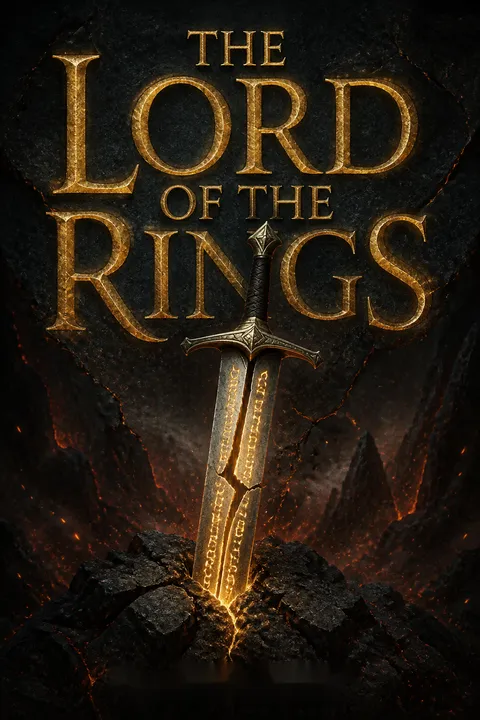

Tóm tắt cốt truyện
Bóng tối bao trùm Shire
Câu chuyện mở ra tại vùng Shire thanh bình, nơi những người hobbit sinh sống một cuộc đời giản dị và mãn nguyện. Bilbo Baggins, một người lập dị và giàu có, lên kế hoạch cho một bữa tiệc sinh nhật hoành tráng, nhưng việc ông sở hữu một chiếc nhẫn bí ẩn đã giúp ông giữ mãi nét trẻ trung và thu hút sự chú ý của pháp sư Gandalf. Gandalf phát hiện ra chiếc nhẫn chính là Chúa nhẫn, do Chúa tể Bóng tối Sauron rèn ra nhằm thống trị cõi Trung Địa. Quyền lực của Sauron đang trỗi dậy một lần nữa ở Mordor, và các tay sai của hắn, bọn Nazgûl, đang ráo riết lùng sục chiếc Nhẫn. Bilbo rời khỏi Shire, để lại chiếc Nhẫn cho người thừa kế của mình là Frodo. Frodo, cùng với những người bạn trung thành Sam, Merry và Pippin, buộc phải tháo chạy khi các Ma Nhẫn ập đến sát nút. Hành trình của họ bắt đầu trong sự bất định, khi bóng tối của cái ác đã trải dài đến tận ranh giới của Shire.
Hiệp hội Nhẫn thuật thành lập
Frodo và các bạn đồng hành có thêm sự trợ giúp của Aragorn, một hộ vệ phương Bắc bí ẩn, và sau nhiều hiểm nguy, họ đã đến được Rivendell. Tại đây, một hội đồng gồm các tộc Tiên, Người, Người lùn và Gandalf đã hé lộ lịch sử của chiếc Nhẫn cùng mối đe dọa mà Sauron mang lại. Hy vọng duy nhất là tiêu hủy chiếc Nhẫn trong ngọn lửa của Núi Diệt Vong. Một Hiệp hội Nhẫn thuật được thành lập: Frodo, Sam, Merry, Pippin, Aragorn, Gandalf, Tiên tộc Legolas, Người lùn Gimli và Boromir của xứ Gondor. Họ dấn thân vào một sứ mệnh đầy rẫy hiểm nguy, bị săn đuổi bởi các thế lực của Sauron và kẻ phản bội Saruman, một pháp sư đã tha hóa.
Những lối đi hiểm nguy được chọn
Hiệp hội Nhẫn thuật phải đối mặt với mùa đông khắc nghiệt của Caradhras và buộc phải tiến vào Hầm mỏ Moria, nơi họ bị tấn công bởi lũ quỷ orc và một con Balrog, một ác quỷ cổ xưa. Gandalf rơi xuống vực sâu cùng con Balrog, tự hy sinh bản thân để những người khác có thể trốn thoát. Các thành viên còn lại tìm thấy nơi trú ẩn tại vương quốc mê hoặc Lothlórien, nơi Nữ vương Galadriel trao cho họ những lời khuyên và lễ vật. Cả đoàn xuôi dòng sông Anduin, nhưng tầm ảnh hưởng của chiếc Nhẫn ngày một lớn, và Boromir đã cố gắng đoạt lấy nó từ tay Frodo. Hiệp hội Nhẫn thuật tan rã: Frodo và Sam đơn độc lên đường đến Mordor, Merry và Pippin bị lũ quỷ orc bắt giữ, còn Aragorn, Legolas và Gimli ráo riết truy đuổi những kẻ bắt giữ họ.
Sự tha hóa của chiếc Nhẫn
Khi Frodo và Sam tiến vào vùng hoang dã, họ có thêm sự đồng hành của Gollum, kẻ từng sở hữu chiếc Nhẫn, giờ đây trở thành người dẫn đường cho họ. Tâm trí của Gollum đã bị vặn vẹo bởi quyền năng của chiếc Nhẫn, giằng xé giữa lòng trung thành và sự phản trắc. Trong khi đó, quân đội của Saruman tàn phá Rohan, và Vua Théoden được giải thoát khỏi sự khống chế của Saruman nhờ Gandalf, người đã trở lại và hóa thân thành Gandalf Áo Trắng. Những kỵ sĩ Rohirrim, cùng với Aragorn và các bạn đồng hành, đã bảo vệ thành công vực Helm trước các thế lực của Saruman. Merry và Pippin, cùng với tộc người cây Ent, dẫn đầu cuộc tấn công vào Isengard, lật đổ quyền lực của Saruman. Sự tha hóa của chiếc Nhẫn luôn hiện hữu, khi ngay cả những kẻ khôn ngoan và mạnh mẽ nhất cũng bị cám dỗ bởi lời hứa hẹn về quyền lực của nó.
Sự tan rã của Hiệp hội
Các thành viên của Hiệp hội Nhẫn thuật ly tán khắp ngả. Frodo và Sam, dưới sự dẫn đường của Gollum, băng qua Đầm lầy Chết và tiếp cận Mordor. Aragorn, Legolas và Gimli truy đuổi lũ quỷ orc, liên minh với quân Rohan và chiến đấu trong những trận chiến vĩ đại. Merry và Pippin khơi dậy lòng quả cảm của tộc Ent để tấn công Isengard. Gandalf đối đầu với Saruman, kẻ giờ đây đã mất hết quyền năng. Gánh nặng của chiếc Nhẫn ngày càng đè nặng lên vai Frodo, và Gollum đã dẫn họ đến hang ổ của Shelob, một con nhện khổng lồ quái dị. Frodo bị bắt, và Sam, vì ngỡ rằng bạn mình đã chết, đã nhận lấy chiếc Nhẫn để tiếp tục sứ mệnh.
Chiến tranh ở phương Tây
Quân đội của Sauron bao vây Minas Tirith, thủ đô của Gondor. Gandalf và Pippin đến tiếp viện cho thành phố, trong khi Aragorn tìm kiếm sự trợ giúp của Đội quân Người Chết để thực hiện một lời thề cổ xưa. Quân Rohan phi ngựa đến cứu viện Gondor, và Trận chiến trên cánh đồng Pelennor diễn ra vô cùng khốc liệt. Vua Théoden tử trận, Éowyn và Merry tiêu diệt được Vua Phù thủy, và Aragorn dẫn đầu viện binh ập đến. Thành phố được cứu, nhưng cái giá phải trả là vô cùng đắt đỏ. Các thủ lĩnh phương Tây quyết định tiến quân về phía Cổng Đen, nhằm thu hút sự chú ý của Sauron khỏi Frodo và Sam, những người đang nhọc nhằn lê bước ở Mordor.
Sự trở lại của nhà Vua
Aragorn được hé lộ là người thừa kế của Isildur và được tôn phong làm Vua Elessar của Gondor. Ngài mang lại sự chữa lành cho những người bị thương và thống nhất các vương quốc của loài Người. Faramir và Éowyn tìm thấy tình yêu và sự bình yên. Quân đội phương Tây tiến về Cổng Đen, thách thức Sauron và tạo ra cơ hội duy nhất cho Frodo cùng Sam tiếp cận Núi Diệt Vong. Kỷ nguyên của loài Người mở ra, khi tộc Tiên và các tộc người cổ xưa khác chuẩn bị rời khỏi Trung Địa.
Con đường đến Mordor
Frodo và Sam, cải trang thành quỷ orc, băng qua vùng đất hoang tàn của Mordor. Nơi đây tiêu điều xơ xác, đầy rẫy quân đội của Sauron và những con mắt canh phòng cẩn mật. Sức nặng của chiếc Nhẫn gần như quật ngã Frodo, và lòng trung thành của Sam là thứ duy nhất nâng đỡ họ bước tiếp. Gollum, bị thúc đẩy bởi sự ám ảnh điên cuồng, âm thầm bám theo họ. Hành trình này là một thử thách về sức chịu đựng, hy vọng và ý chí, khi những người hobbit nhích từng bước gần hơn đến Núi Diệt Vong, nơi duy nhất có thể tiêu hủy chiếc Nhẫn.
Vùng đất của Bóng tối
Chặng đường cuối cùng tiếp cận Núi Diệt Vong là một cơn ác mộng của sự kiệt sức, khát khô và sợ hãi. Frodo gần như bị khuất phục bởi quyền năng của chiếc Nhẫn, và Sam đã phải cõng bạn trên lưng. Gollum lao vào tấn công, và trong cuộc giằng co, hắn đã cắn đứt ngón tay của Frodo để cướp lấy chiếc Nhẫn. Trong niềm hân hoan tột độ, Gollum trượt chân rơi vào dòng lửa đỏ, tiêu hủy chiếc Nhẫn. Quyền lực của Sauron sụp đổ, tòa tháp Barad-dûr đổ nát, và Bóng tối được xua tan khỏi thế giới. Frodo và Sam được giải cứu bởi những chú Đại bàng khổng lồ khi Mordor nổ tung trong đống đổ nát.
Điểm tận cùng của vạn vật
Những người chiến thắng ăn mừng, và Aragorn lên ngôi hoàng đế. Các hobbit được vinh danh vì những chiến công hiển hách của mình. Tộc Tiên, Người lùn và loài Người bắt đầu hàn gắn những vết thương chiến tranh. Frodo và Sam trở về Shire, nhưng Frodo đã vĩnh viễn thay đổi sau những thử thách khắc nghiệt. Vùng Shire đã phải gánh chịu sự tàn bạo dưới bàn tay của Saruman, và các hobbit phải đứng lên chiến đấu để khôi phục lại quê hương. Hòa bình trở lại, nhưng những vết thương lòng của Frodo chẳng thể nào lành.
Cuộc thanh trừng vùng Shire
Các hobbit trở về và thấy Shire đang nằm dưới sự kiểm soát của những kẻ côn đồ do Saruman (Sharkey) và Lotho Sackville-Baggins cầm đầu. Đất đai bị tàn phá, cây cối bị chặt hạ, và người dân hobbit bị áp bức. Frodo, Sam, Merry và Pippin đã tập hợp người dân Shire, lật đổ bọn côn đồ và đối đầu với Saruman, kẻ sau đó bị giết bởi Wormtongue. Shire được khôi phục, nhưng Frodo không thể tìm lại sự bình yên trong tâm hồn. Sam kết hôn với Rosie và xây dựng tổ ấm, trong khi nỗi đau của Frodo vẫn mãi hoài day dứt.
Sự chuyển giao kỷ nguyên
Frodo, mang trên mình những vết thương không bao giờ lành, được ban đặc ân lên tàu đến Vùng đất Bất diệt cùng với Gandalf, Bilbo và tộc Tiên. Sam, Merry và Pippin trở lại Shire, hoàn toàn thay đổi sau hành trình bão táp. Kỷ nguyên của tộc Tiên và phép thuật khép lại, và kỷ nguyên của loài Người bắt đầu. Câu chuyện khép lại với hình ảnh Sam trở về nhà, lòng mãn nguyện khi biết rằng thế giới đã được cứu rỗi, dù cái giá cá nhân phải trả là vô cùng to lớn.
Analysis
Một suy ngẫm mang tính thần thoại về quyền lực, sự hy sinh và hy vọngChúa tể những chiếc Nhẫn vẫn trường tồn như một tác phẩm nền móng của thể loại kỳ ảo hiện đại bởi nó đã dệt nên một cuộc phiêu lưu sử thi hoành tráng, những thấu hiểu tâm lý sâu sắc và một nhãn quan đạo đức sâu xa. Thế giới của Tolkien được xây dựng một cách tỉ mỉ, nhưng sức mạnh thực sự của nó nằm ở việc khám phá bản ngã con người (và cả hobbit). Chiếc Nhẫn là biểu tượng của sự cám dỗ muốn thống trị, và câu chuyện khẳng định rằng chủ nghĩa anh hùng thực sự không nằm ở sức mạnh hay sự khôn ngoan, mà ở sự khiêm nhường, lòng trắc ẩn và khả năng phục hồi kiên cường. Cấu trúc tự sự, với các tuyến truyện đan xen và góc nhìn thay đổi liên tục, phản chiếu sự phức tạp của lịch sử và sự gắn kết chặt chẽ giữa tất cả các chủng tộc. Mô-típ hành trình cho phép các nhân vật chuyển hóa, nhưng cũng thừa nhận những mất mát và việc không thể trở về như xưa. Cuộc thanh trừng vùng Shire đã kéo tính sử thi về với đời thường, nhắc nhở độc giả rằng cái ác phải bị đẩy lùi ngay tại chính quê hương mình.
Tóm tắt đánh giá
Chúa tể những chiếc nhẫn được coi là một kiệt tác của dòng văn học kỳ ảo. Độc giả luôn dành lời khen ngợi cho thế giới quan đồ sộ, những lời miêu tả sống động và lối kể chuyện sử thi đầy lôi cuốn của Tolkien. Các chủ đề về thiện và ác, tình bạn cùng sự trưởng thành cá nhân xuyên suốt bộ ba tác phẩm đã chạm đến trái tim của biết bao người. Dù một số người cho rằng nhịp truyện còn chậm và văn phong có phần thách thức, phần lớn vẫn coi đây là một tác phẩm kinh điển vượt thời gian, mở ra cuộc cách mạng cho thể loại kỳ ảo. Tầm ảnh hưởng của bộ sách không chỉ dừng lại ở trang giấy, mà còn khơi nguồn cảm hứng cho vô số tác phẩm chuyển thể và định hình nền văn hóa đại chúng qua nhiều thế hệ.
Mọi người cũng đọc
Characters
Frodo Baggins
Frodo là một người hobbit hiền lành, sâu sắc, người được thừa kế Chúa nhẫn từ Bilbo. Được lựa chọn bởi định mệnh và tình bạn, cậu trở thành người mang Nhẫn, gánh vác sứ mệnh tiêu hủy nó tại Núi Diệt Vong. Hành trình đã thử thách sức chịu đựng, ý chí và đạo đức của cậu, khi quyền năng của chiếc Nhẫn gần như nuốt chửng tâm trí cậu. Frodo nổi bật với lòng trắc ẩn, thường xuyên bày tỏ sự khoan dung đối với Gollum và ngay cả với Saruman. Hành trình tâm lý của cậu là một chuỗi những gánh nặng ngày càng tăng và sự cô độc cùng cực; cậu vĩnh viễn thay đổi, không bao giờ có thể hoàn toàn trở lại với sự ngây thơ thuở nào của vùng Shire. Câu chuyện của Frodo là bài ca về sự hy sinh, lòng kiên định và những giới hạn của chủ nghĩa anh hùng.
Samwise Gamgee
Sam là người làm vườn và cũng là người bạn thân thiết nhất của Frodo, hiện thân của lòng trung thành, sự khiêm nhường và khả năng phục hồi kiên cường. Cậu là điểm tựa tinh thần cho cả chuyến đi, thường xuyên nâng đỡ Frodo cả về thể xác lẫn tâm hồn. Tình yêu của Sam dành cho Frodo và vùng Shire đã tiếp thêm sức mạnh giúp cậu chống lại sự cám dỗ của chiếc Nhẫn. Cậu thực tế, dũng cảm và tháo vát, đại diện cho sức mạnh của lòng tốt bình dị. Hành trình của Sam là sự trưởng thành vượt bậc từ một người đầy tớ khiêm nhường trở thành một người hùng, và cuối cùng, cậu tìm thấy sự chữa lành và hạnh phúc bên gia đình và mái ấm của mình.
Gandalf
Gandalf là một vị thần Maia, một linh hồn được cử đến để trợ giúp Trung Địa dưới lốt một ông lão. Ông thông thái, giàu lòng nhân ái và sắc sảo, là người vạch ra kế hoạch kháng chiến chống lại Sauron. Sự hy sinh của Gandalf ở Moria và sự trở lại dưới hình hài Gandalf Áo Trắng biểu trưng cho cái chết và sự tái sinh, đồng thời vai trò của ông cũng chuyển dịch từ người dẫn đường thành nhà lãnh đạo. Ông là chất xúc tác cho sự thay đổi, khơi dậy lòng dũng cảm và sự đoàn kết. Chiều sâu tâm lý của Gandalf nằm ở sự khiêm nhường và thấu hiểu sâu sắc về những hiểm họa của quyền lực; ông từ chối chiếc Nhẫn vì biết rõ sức mạnh tha hóa khôn lường của nó.
Aragorn (Strider, Elessar)
Aragorn là hậu duệ cuối cùng của Isildur, lớn lên trong sự ẩn dật. Chàng là một hộ vệ phương Bắc tài ba, một chiến binh quả cảm và một người chữa lành, luôn bị giằng xé giữa định mệnh vương giả và sự hoài nghi bản thân. Hành trình của Aragorn là quá trình chấp nhận di sản của tổ tiên và thống nhất các Tộc người Tự do. Chàng cao quý, sẵn sàng hy sinh thân mình và khơi dậy lòng trung thành ở người khác. Tình yêu dành cho Arwen và sự khiêm tốn đã tạo nên sự khác biệt giữa chàng và những vị vua khác. Bước chuyển tâm lý của Aragorn xoay quanh việc gánh vác trách nhiệm và niềm hy vọng, đỉnh điểm là lễ đăng quang và sự phục hưng của vương quốc.
Gollum (Sméagol)
Gollum là một sinh vật có nguồn gốc giống hobbit bị chiếc Nhẫn tha hóa, tâm trí bị chia đôi giữa bản ngã ban đầu (Sméagol) và phần đen tối (Gollum). Hắn xảo quyệt, đáng thương và bị ám ảnh điên cuồng bởi chiếc Nhẫn ("báu vật của ta"). Mối quan hệ giữa Gollum và Frodo vô cùng phức tạp—hắn vừa là người dẫn đường vừa là kẻ phản bội, khơi dậy sự đồng cảm ở Frodo nhưng lại chuốc lấy sự nghi ngờ từ Sam. Sự dằn vặt tâm lý và cơn nghiện chiếc Nhẫn của hắn đã thúc đẩy cốt truyện, và hành động cuối cùng của hắn—giật lấy chiếc Nhẫn rồi rơi vào đống lửa—đã vô tình cứu rỗi cả Trung Địa.
Sam, Merry, và Pippin
Merry và Pippin, những người anh em họ của Frodo, ban đầu chỉ là những hobbit vô tư, tinh nghịch nhưng đã trưởng thành vượt bậc để trở thành những nhà lãnh đạo và chiến binh thực thụ. Merry đã góp công tiêu diệt Vua Phù thủy; Pippin cứu sống Faramir và phục vụ cho Gondor. Sự phát triển tâm lý của họ được đánh dấu bằng sự mất đi nét ngây thơ, lòng dũng cảm được tôi luyện và ý thức trách nhiệm ngày càng sâu sắc. Cùng với Sam, họ đại diện cho khả năng phục hồi và thích ứng tuyệt vời của người hobbit.
Legolas
Legolas là một người Tiên của vùng Mirkwood, tinh thông cung thuật và có sự kết nối sâu sắc với thiên nhiên. Chàng thanh nhã, nhạy bén và đã xây dựng một tình bạn tri kỷ với Gimli, vượt qua mối thâm thù ngàn đời giữa tộc Tiên và tộc Người lùn. Góc nhìn của Legolas mang lại cảm giác kỳ vĩ nhưng cũng đượm buồn, khi chàng chứng kiến sự lụi tàn dần của kỷ nguyên tộc mình.
Gimli
Gimli là một người lùn của vùng Erebor, dũng cảm và bướng bỉnh. Tình bạn của chàng với Legolas là biểu tượng then chốt cho sự hòa giải giữa hai chủng tộc. Niềm tự hào của Gimli về di sản của tổ tiên và tình yêu dành cho những Hang động Lấp lánh cho thấy chiều sâu tâm hồn của người lùn, vượt lên trên hình ảnh của những chiến binh thuần túy. Chàng kiên định, hài hước, luôn coi trọng danh dự và lòng trung thành.
Saruman
Saruman từng là người đứng đầu hội pháp sư, nhưng lòng thèm khát quyền lực và tri thức đã dẫn dắt ông ta phản bội lại các Tộc người Tự do. Ông ta trở thành con rối trong tay Sauron, khơi mào chiến tranh và tàn phá thiên nhiên bằng công nghiệp hóa. Bước trượt tâm lý của Saruman là lời cảnh tỉnh về lòng kiêu hãnh, sự quyến rũ của quyền lực và sự tự hủy diệt của kẻ phản bội. Kết cục của ông ta thật nhục nhã, bị giết bởi chính kẻ hầu cận của mình là Wormtongue.
Sauron
Sauron là Chúa tể Bóng tối, một vị thần Maia bị Morgoth tha hóa, kẻ tìm cách nô dịch Trung Địa thông qua chiếc Nhẫn. Hắn chưa bao giờ xuất hiện trực tiếp, nhưng sự hiện diện của hắn được cảm nhận như một ý chí độc ác, lan tỏa khắp nơi. Sauron đại diện cho thế lực tâm lý của sự thống trị, nỗi sợ hãi và sự tuyệt vọng. Thất bại của hắn không đến từ sự đối đầu trực diện, mà từ sự khiêm nhường và kiên cường của những sinh linh nhỏ bé và ít ai ngờ tới nhất.
Plot Devices
The One Ring
Chiếc Nhẫn là công cụ cốt truyện trung tâm, đại diện cho quyền lực tuyệt đối và sức mạnh tha hóa của nó. Nó cám dỗ tất cả những ai chạm trán, phơi bày những ham muốn và điểm yếu sâu kín nhất của họ. Quyền năng của chiếc Nhẫn cô lập và đè nặng lên vai Frodo, dẫn dắt mạch truyện và thử thách đạo đức của các nhân vật. Việc tiêu hủy nó là cách duy nhất để đánh bại Sauron, nhưng điều đó chỉ có thể thực hiện được nhờ một hành động của sự cứu rỗi—sự can thiệp của Gollum—chứ không thể chỉ dựa vào ý chí đơn thuần.
The Fellowship
Sự hình thành và tan rã của Hiệp hội Nhẫn thuật đã định hình cấu trúc của tác phẩm, mở ra nhiều tuyến truyện và góc nhìn phong phú. Sự đa dạng của nhóm—gồm người hobbit, loài Người, Tiên tộc, Người lùn, pháp sư—biểu trưng cho sự cần thiết của việc hợp tác vượt qua mọi khác biệt. Sự tan rã của Hiệp hội dẫn đến những hành trình song song, mỗi nhánh đều đóng góp vào chiến thắng cuối cùng.
The Journey
Mô-típ hành trình mang cả nghĩa đen lẫn nghĩa biểu tượng. Các nhân vật băng qua những vùng đất rộng lớn, đầy hiểm nguy, phản chiếu những cuộc đấu tranh nội tâm của chính họ. Hành trình thử thách và biến đổi họ, tước đi sự ngây thơ và rèn giũa nên những bản ngã mới. Mô-típ "con đường" lặp đi lặp lại, nhấn mạnh vào định mệnh, sự lựa chọn và những điều chưa biết phía trước.
Temptation and Mercy
Các nhân vật liên tục bị thử thách bởi chiếc Nhẫn và bởi những cơ hội để trả thù hoặc đoạt lấy quyền lực. Sự khoan dung của Frodo dành cho Gollum, lòng trắc ẩn trước đó của Bilbo và sự kiềm chế của Sam là những yếu tố sống còn; những hành động nhân ái này cuối cùng đã dẫn đến việc tiêu hủy chiếc Nhẫn. Cấu trúc tự sự sử dụng các chi tiết báo trước và sự tương phản để củng cố chủ đề rằng chính lòng trắc ẩn, chứ không phải sức mạnh bạo lực, mới là chìa khóa dẫn đến chiến thắng.
War and the Passing of Ages
Cuộc Chiến tranh giành Nhẫn tạo nên bối cảnh xung đột leo thang, với các trận chiến tại vực Helm, cánh đồng Pelennor và Cổng Đen. Tác phẩm sử dụng những sự kiện này để đánh dấu sự kết thúc quyền trị vì của tộc Tiên cùng các chủng tộc cổ xưa khác, và mở ra kỷ nguyên của loài Người. Cấu trúc truyện đan xen giữa quy mô cá nhân và sử thi, cho thấy những hành động nhỏ bé có thể ảnh hưởng đến vận mệnh của cả thế giới như thế nào.
Parallel Storylines
Sau khi Hiệp hội Nhẫn thuật tan rã, câu chuyện rẽ nhánh thành nhiều luồng—sứ mệnh của Frodo và Sam, cuộc chiến ở phương Tây, những cuộc phiêu lưu của Merry và Pippin. Mạch truyện luân chuyển giữa các tuyến này, xây dựng sự kịch tính và mang lại những góc nhìn khác nhau về cùng một sự kiện. Công cụ này cho phép khám phá một cách phong phú, đa tầng về thế giới và các chủng tộc sinh sống trong đó.
The Scouring of the Shire
Việc các hobbit trở về một vùng Shire bị tàn phá đã mang tính sử thi về tận quê nhà, cho thấy cái ác có thể bén rễ ở bất cứ đâu. Cuộc thanh trừng vừa là sự gột rửa theo nghĩa đen lẫn nghĩa biểu tượng, vừa là lời bình luận về sự cần thiết của tinh thần cảnh giác và lòng dũng cảm trong cuộc sống thường nhật. Nó cũng làm nổi bật cái giá tâm lý của hành trình, khi Frodo không thể hoàn toàn chữa lành những tổn thương của mình.
The Passing of the Ring-bearers
Sự ra đi của Frodo, Bilbo và tộc Tiên đến Vùng đất Bất diệt mang lại một cái kết buồn vui lẫn lộn. Nó thừa nhận rằng có những vết thương không thể chữa lành ở thế giới này, và sự kết thúc của một kỷ nguyên này chính là sự khởi đầu của một kỷ nguyên khác. Cấu trúc tự sự sử dụng chi tiết này để vừa mang lại sự khép lại trọn vẹn, vừa gợi mở về một dòng chảy lịch sử vẫn tiếp diễn.
Câu hỏi thường gặp
```markdown
Synopsis & Basic Details
What is The Lord of the Rings about?
- A Quest Against Absolute Evil: The Lord of the Rings chronicles the perilous journey of Frodo Baggins, a hobbit, who inherits a seemingly innocuous magic ring from his eccentric uncle, Bilbo. This ring is, in fact, the One Ring, an artifact of immense power forged by the Dark Lord Sauron to dominate all of Middle-earth.
- The Fellowship's Formation: To prevent Sauron from reclaiming the Ring and plunging the world into eternal darkness, a diverse fellowship is formed at the Council of Elrond. This group, comprising hobbits, Men, an Elf, a Dwarf, and a Wizard, embarks on a desperate quest to destroy the Ring in the only place it can be unmade: the fires of Mount Doom in Mordor.
- Sacrifice and the Dawn of a New Age: The narrative follows the Fellowship's trials, their eventual breaking, and the individual journeys of its members as they fight against Sauron's growing power. It culminates in the Ring's destruction, Sauron's defeat, and the restoration of Aragorn, the rightful king, ushering in a new age for Middle-earth, albeit one marked by the fading of Elves and the lingering wounds of war.
Why should I read The Lord of the Rings?
- Immersive World-Building: Tolkien's masterpiece offers an unparalleled depth of world-building, from its intricate languages and detailed histories to its rich mythologies and diverse cultures. Readers are transported to a Middle-earth that feels ancient and real, fostering a profound sense of immersion.
- Profound Thematic Exploration: Beyond the adventure, the book delves into universal themes such as the corrupting nature of power, the importance of friendship and loyalty, the resilience of the ordinary, and the bittersweet beauty of sacrifice. It's a story that resonates deeply with the human condition.
- Enduring Literary Influence: As a foundational work of modern fantasy, The Lord of the Rings has influenced countless authors, artists, and filmmakers. Reading it provides insight into the origins of many tropes and narrative structures prevalent in the genre today, offering a richer appreciation for its legacy.
What is the background of The Lord of the Rings?
- Deep Mythological Roots: The story is set in the Third Age of Middle-earth, a world with a vast, ancient history detailed in Tolkien's other works like The Silmarillion. This background includes the creation myths, the rise and fall of ancient kingdoms, and the long struggle against primordial evil, providing a rich tapestry against which the events of the Ring War unfold.
- Linguistic Inspiration: Tolkien, a philologist, initially created the Elvish languages (Quenya and Sindarin) for his own enjoyment, and then built the world of Middle-earth around them to give them a place and history. This linguistic foundation lends an extraordinary authenticity and depth to the names, songs, and lore within the narrative.
- Post-WWI Reflections: While Tolkien explicitly denied allegory, his experiences in World War I and observations of industrialization deeply influenced the story's themes. The devastation of the Shire, the industrial blight of Isengard, and the pervasive sense of loss and fading beauty reflect a profound concern for the impact of war and unchecked technological progress on nature and traditional ways of life.
What are the most memorable quotes in The Lord of the Rings?
- "All that is gold does not glitter, / Not all those who wander are lost; / The old that is strong does not wither, / Deep roots are not reached by the frost.": This iconic verse, from Gandalf's letter to Frodo, serves as a crucial piece of foreshadowing and character introduction for Aragorn. It encapsulates the theme of hidden nobility and the deceptive nature of appearances, urging readers and characters alike to look beyond the surface.
- "I wish it need not have happened in my time," said Frodo. "So do I," said Gandalf, "and so do all who live to see such times. But that is not for them to decide. All we have to decide is what to do with the time that is given us.": This exchange between Frodo and Gandalf in "The Shadow of the Past" is a powerful meditation on destiny, responsibility, and agency. It highlights the universal human desire to avoid hardship, yet underscores the moral imperative to act courageously within one's given circumstances, a central theme of the entire saga.
- "There's some good in this world, Mr. Frodo, and it's worth fighting for.": Uttered by Samwise Gamgee, this simple yet profound statement encapsulates the core message of hope and perseverance in the face of overwhelming evil. It reflects Sam's unwavering loyalty and his deep love for the simple beauties of life, which he believes are worth defending, even when all seems lost.
What writing style, narrative choices, and literary techniques does J.R.R. Tolkien use?
- Archaic and Formal Language: Tolkien employs a rich, often archaic vocabulary and formal sentence structures, especially in descriptions and the speech of noble characters or ancient beings. This choice imbues the narrative with a mythic, timeless quality, evoking the sense of reading an ancient legend or historical account, as seen in the elevated prose of Elrond's speeches.
- Omniscient and Shifting Perspective: The narrative primarily uses an omniscient third-person perspective, but frequently shifts its focus, particularly after the Fellowship breaks. This allows for a comprehensive view of the unfolding war, contrasting the intimate, often internal struggles of Frodo and Sam with the grander, external conflicts involving Aragorn, Gandalf, and the armies of Men, Elves, and Dwarves.
- Extensive Use of Poetry and Song: Throughout the text, Tolkien intersperses numerous poems, songs, and riddles, which serve multiple functions: they enrich the world-building by providing historical context, cultural insights, and character depth; they break up the prose, offering moments of reflection or emotional release; and they often foreshadow future events or reveal hidden truths, such as Bilbo's "Road goes ever on" poem or the Lay of Lúthien.
Hidden Details & Subtle Connections
What are some minor details that add significant meaning?
- The Significance of Pipe-weed: Beyond a simple hobbit pleasure, pipe-weed is revealed in the Prologue and later by Merry to be a plant native to Gondor, brought north by the Men of Westernesse. This seemingly trivial detail subtly links the Shire to the ancient history of Men and the wider world, foreshadowing the hobbits' eventual involvement in larger events and highlighting the unexpected origins of common things.
- The Elven-cloaks' Camouflage: The grey cloaks given by Galadriel are not merely warm garments; they possess a subtle magic that allows the wearer to blend seamlessly with their surroundings. This detail, initially presented as a practical gift, symbolizes the Elves' deep connection to nature and their mastery of subtle, non-aggressive forms of power, contrasting with Sauron's overt might.
- The Names of the Days and Months: Appendix D reveals that the Shire's calendar and weekday names are translations of older Dúnedain and Elvish terms, often with forgotten meanings. This deep linguistic layering underscores the ancient lineage of Middle-earth's cultures and the hobbits' unconscious connection to a grander past, even in their seemingly isolated existence.
What are some subtle foreshadowing and callbacks?
- Bilbo's "Thin and Stretched" Feeling: In "A Long-Expected Party," Bilbo describes feeling "all thin, sort of stretched, if you know what I mean: like butter that has been scraped over too much bread." This seemingly whimsical complaint subtly foreshadows the Ring's insidious effect, which drains its bearer's vitality and makes them feel insubstantial, a fate Frodo later experiences more acutely.
- Sam's Oliphaunt Rhyme: Sam's recitation of the "Oliphaunt" rhyme in Ithilien, initially a moment of comic relief, subtly foreshadows the later appearance of the Mûmakil in the Battle of the Pelennor Fields. It transforms a childhood fancy into a terrifying reality, emphasizing the vastness and unexpected dangers of the world beyond the Shire.
- The Barrow-blades' True Purpose: The daggers given to the hobbits by Tom Bombadil, taken from the Barrow-downs, are revealed by Gandalf to be "blades wrought by our own kindred in the North in the deep past." Merry's blade, in particular, proves to be a "troll's bane" and later, crucially, the only weapon capable of wounding the Witch-king, fulfilling an ancient prophecy and highlighting the enduring power of forgotten artifacts.
What are some unexpected character connections?
- Aragorn's Hidden Lineage and the Elfstone: Aragorn's true identity as the heir of Isildur is a central reveal, but the depth of his connection to the Elves is often overlooked. He is not only fostered by Elrond but is also betrothed to Arwen, Elrond's daughter, making him a descendant of Lúthien and Beren. The green Elfstone, Elessar, given to him by Galadriel, is a token of this heritage and a symbol of his future kingship, linking him directly to the ancient Elven-kings.
- Gimli and Galadriel's Unlikely Bond: The initial animosity between Gimli and Legolas, reflecting the ancient feud between Elves and Dwarves, is famously overcome. However, Gimli's profound reverence and love for Lady Galadriel, culminating in his request for a strand of her hair, is a truly unexpected connection. This bond transcends racial prejudice and symbolizes the healing of old wounds, foreshadowing Gimli's unique fate of sailing to the Undying Lands.
- Tom Bombadil's Ancient Knowledge: Tom Bombadil's seemingly whimsical nature belies his immense age and unique connection to Middle-earth. His casual familiarity with the "River-woman's daughter" (Goldberry) and his deep knowledge of the Old Forest and Barrow-wights hint at a primordial existence far predating the Elves and Men. His immunity to the Ring's power further emphasizes his singular, almost elemental, connection to the land itself, making him an enigmatic figure outside the conventional power structures.
Who are the most significant supporting characters?
- Tom Bombadil: Though he appears briefly, Tom Bombadil is profoundly significant as a character who exists outside the power struggles of Middle-earth. His immunity to the Ring's influence and his ancient, joyful connection to nature offer a glimpse of a different kind of power—one of pure being and harmony, untouched by the world's conflicts. He represents a primal, untamed spirit of the land.
- Lady Galadriel: As one of the most powerful and ancient Elves remaining in Middle-earth, Galadriel serves as a crucial source of wisdom, comfort, and subtle aid to the Fellowship. Her temptation by the Ring and her subsequent rejection of it highlight the immense moral strength required to resist absolute power, while her gifts, particularly the Phial, prove vital to Frodo's quest.
- Faramir: Boromir's younger brother, Faramir, stands out as a man of Gondor who resists the Ring's temptation, demonstrating a rare wisdom and compassion. His encounter with Frodo and Sam, and his understanding of the Ring's true nature, provide a stark contrast to his brother's fall and underscore the theme that true strength lies not in wielding power, but in refusing it.
Psychological, Emotional, & Relational Analysis
What are some unspoken motivations of the characters?
- Bilbo's Lingering Attachment to the Ring: While Bilbo outwardly claims to be "thin, sort of stretched" and desires a permanent holiday, his deep-seated reluctance to part with the Ring, calling it "My Precious" in a manner disturbingly similar to Gollum, reveals an unspoken, almost subconscious addiction. His "joke" at the party is a thinly veiled attempt to escape the Ring's hold, but his struggle with Gandalf shows the profound psychological grip it still has on him.
- Aragorn's Self-Doubt and Burden of Kingship: Aragorn's reluctance to claim his throne is often attributed to humility, but it also stems from a deep-seated fear of failure and the weight of his lineage. His long years as Strider, a wandering Ranger, allowed him to avoid the direct responsibilities of kingship. His internal struggle is not just about proving his worth, but about overcoming the historical failures of his ancestors, particularly Isildur, and the fear that he might succumb to the same temptations.
- Denethor's Despair and Pride: Denethor's seemingly irrational actions, such as his favoritism towards Boromir and his eventual madness, are driven by a profound, unspoken despair. He sees the inevitable decline of Gondor and the Age of Men, and his pride prevents him from accepting help or hope from outside sources, especially Gandalf, whom he views as a rival. His use of the palantír, a desperate attempt to gain knowledge and control, ultimately feeds his despair, leading to his tragic end.
What psychological complexities do the characters exhibit?
- Frodo's Empathy and the Burden of Pity: Frodo's decision to spare Gollum, echoing Bilbo's earlier act of pity, is a pivotal moment that highlights his deep empathy. This compassion, however, becomes a psychological burden, as he grapples with the moral implications of his choices and the constant threat posed by Gollum's treachery. His internal conflict between mercy and self-preservation is a central psychological complexity, demonstrating that even good intentions can lead to unforeseen perils.
- Sam's Simple Loyalty vs. Growing Wisdom: Sam's character evolves from a simple, unquestioning servant to a figure of profound wisdom and resilience. His initial "hobbit-sense" and distrust of the unknown are gradually tempered by his unwavering loyalty to Frodo and his experiences in the wider world. His internal monologues, particularly in Mordor, reveal a growing understanding of the larger stakes and a deep, unarticulated love for his master, showcasing a complex blend of simplicity and profound moral strength.
- Saruman's Intellectual Arrogance and Isolation: Saruman's fall is a psychological study in the dangers of intellectual pride and the pursuit of knowledge for its own sake. His belief that he can control power, rather than be controlled by it, leads him to isolate himself from his peers and ultimately from reality. His "mind of metal and wheels" symbolizes a detachment from living things and a descent into a sterile, destructive form of wisdom, culminating in his pathetic end as a "beggar in the wilderness."
What are the major emotional turning points?
- Bilbo's Relinquishment of the Ring: The scene where Bilbo finally gives up the Ring, after a fierce internal struggle and Gandalf's stern intervention, is a major emotional turning point. It marks the first clear demonstration of the Ring's corrupting power and the immense difficulty of letting go of absolute control, setting the stage for Frodo's even greater struggle.
- The Breaking of the Fellowship at Parth Galen: Boromir's attempt to seize the Ring from Frodo, followed by his valiant but ultimately fatal defense of Merry and Pippin, shatters the Fellowship and forces Frodo to continue alone with Sam. This event is a profound emotional blow, marking the loss of innocence and the realization of the Ring's divisive power, forcing the remaining members to confront their individual destinies.
- Éowyn's Defiance of the Witch-king: Éowyn's revelation as Dernhelm and her slaying of the Witch-king on the Pelennor Fields is a powerful emotional climax. Her act of defiance, driven by love and despair, shatters the ancient prophecy that "no living man may hinder me." This moment is a triumph of courage and will, not just for Éowyn, but for all who felt trapped by fate and the overwhelming power of evil.
How do relationship dynamics evolve?
- Gimli and Legolas: From Ancient Feud to Deep Friendship: The initial tension between Gimli and Legolas, rooted in centuries of Elvish-Dwarvish animosity, gradually transforms into one of the most profound friendships in the story. Their shared perils, mutual respect for each other's skills, and particularly Gimli's reverence for Galadriel, forge an unbreakable bond that transcends racial divides, symbolizing hope for reconciliation in Middle-earth.
- Frodo and Sam: Master and Servant to Co-dependant Companions: Their relationship evolves from a traditional master-servant dynamic to one of deep, almost symbiotic, companionship. Sam's unwavering loyalty and practical support become indispensable to Frodo, especially as the Ring's burden grows. Frodo, in turn, relies on Sam not just for physical aid but for emotional and moral strength, highlighting how their shared ordeal forges an unbreakable bond of love and mutual dependence.
- Aragorn and Théoden: From Distrust to Mutual Respect: Théoden, initially under Saruman's sway and distrustful of outsiders, views Aragorn with suspicion. However, through Gandalf's intervention and Aragorn's actions in battle, Théoden comes to recognize Aragorn's true nobility and wisdom. Their relationship transforms into one of mutual respect and alliance, symbolizing the rekindling of ancient bonds between the realms of Men and the hope for a united front against evil.
Interpretation & Debate
Which parts of the story remain ambiguous or open-ended?
- The Nature and Origin of Tom Bombadil: Tom Bombadil remains one of the most enigmatic characters, defying easy categorization. His power over the Ring, his ancientness ("Eldest, that's what I am"), and his detachment from the larger conflict leave his true nature ambiguous. He is neither Elf, Man, nor Dwarf, and his role seems to be that of a primal spirit of the land, a force of nature rather than a participant in the cosmic struggle, prompting endless reader speculation about his identity and purpose.
- The Fate of the Entwives: Treebeard's lament for the lost Entwives, who "did not die" but were "lost" after crossing the Great River to tend their gardens, leaves their ultimate fate unresolved. This ambiguity adds a layer of melancholy to the Ents' story and raises questions about the lasting impact of war and industrialization on nature. Their potential return, "when we have both lost all that we now have," suggests a cyclical view of history and a hope for future reconciliation that remains unfulfilled within the narrative.
- The Long-Term Healing of Frodo's Wounds: While Frodo is physically healed in Rivendell and after the Ring's destruction, his spiritual and psychological wounds are explicitly stated to be "not wholly cured." His departure to the Undying Lands, a place of healing, leaves the exact nature and duration of his recovery open to interpretation. This ambiguity acknowledges the lasting trauma of profound sacrifice and suggests that some burdens cannot be fully shed within the mortal world, even after victory.
What are some debatable, controversial scenes or moments in The Lord of the Rings?
- Gandalf's Delay in Reaching Frodo: Gandalf's prolonged absence after instructing Frodo to leave the Shire, leading to Frodo's perilous encounters with the Nazgûl, is a point of contention. While Gandalf explains he was imprisoned by Saruman, some readers question whether his priorities or judgment were flawed, or if his delay was a deliberate, albeit risky, part of a larger, unseen plan to test Frodo and the Ring.
- Boromir's Temptation and Death: Boromir's attempt to seize the Ring from Frodo is a deeply debated moment. While it highlights the Ring's corrupting power, some argue that his character arc is too abrupt or that his death, though valiant, is a convenient way to remove a morally compromised character. Others see it as a tragic but realistic portrayal of human fallibility and the immense pressure of the quest.
- The Eagles' Role and Late Intervention: The Eagles' repeated interventions, particularly their rescue of Gandalf from Orthanc and Frodo and Sam from Mount Doom, often spark debate. Critics argue that their power is too deus ex machina, questioning why they don't intervene earlier or more directly in the war. Tolkien's explanation that they are not "taxi services" and act only at specific times, or when commanded, points to their role as agents of a higher power, not mere plot devices.
The Lord of the Rings Ending Explained: How It Ends & What It Means
Trung Địa Bộ sách
Về tác giả
Sách khác của J.R.R. Tolkien
Tải PDF
Tải EPUB
.epub digital book format is ideal for reading ebooks on phones, tablets, and e-readers.








































