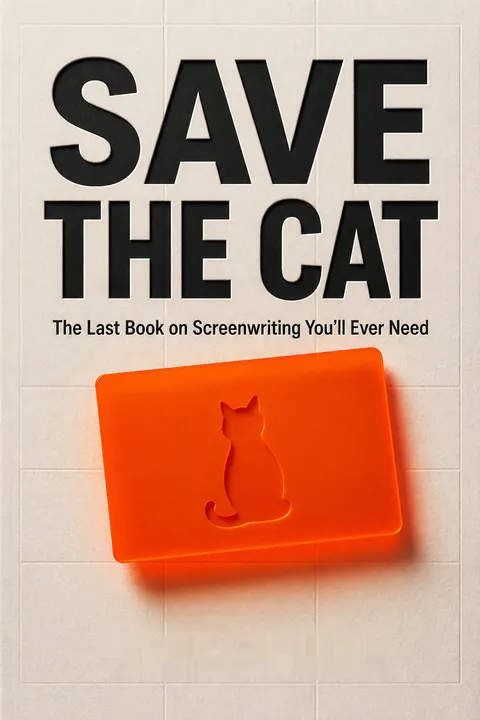

Kluczowe wnioski
1. Stwórz przekonujący logline, który przyciągnie uwagę odbiorców
„Co to jest?” – to kluczowe pytanie. „Co to jest?” to cały film. Dobry „Co to jest?” to prawdziwy skarb.
Istota logline’u: Logline to jedno- lub dwuzdaniowa prezentacja, która zawiera esencję całego filmu. Powinna zawierać:
- Intrygującą koncepcję z nutą ironii
- Przekonujący obraz w wyobraźni
- Jasno określoną grupę odbiorców i koszty produkcji
- Porywający tytuł
Elementy mocnego logline’u:
- Przymiotniki opisujące bohatera i antagonistę
- Jasny, pierwotny cel bohatera
- Zarys konfliktu i stawki
Testuj swój logline: Przedstaw go obcym osobom i obserwuj ich reakcje. Dopracowuj i poprawiaj na podstawie opinii, aż uzyskasz logline, który nieustannie przyciąga uwagę i wzbudza ciekawość.
2. Poznaj i wykorzystaj konwencje gatunkowe
Daj mi to samo... tylko inaczej!
Dziesięć gatunków filmowych:
- Potwór w domu
- Złote runo
- Wyjęte z butelki
- Facet z problemem
- Obrzędy przejścia
- Przyjacielska miłość
- Zagadka kryminalna
- Triumf głupca
- Instytucjonalizacja
- Superbohater
Znaczenie gatunku: Znajomość konwencji gatunkowych pozwala:
- Spełnić oczekiwania widzów
- Odwrócić schematy w nowatorski sposób
- Skutecznie zbudować strukturę opowieści
- Skierować scenariusz do odpowiednich odbiorców
Badanie gatunku: Oglądaj i analizuj udane filmy z wybranego gatunku. Wyszukuj wspólne elementy, schematy fabularne i archetypy postaci. Wykorzystaj tę wiedzę, by wzbogacić swoje pisanie, jednocześnie nadając znanym motywom własny, oryginalny charakter.
3. Stwórz bohatera, z którym można się utożsamić, mającego pierwotny cel
Opowiedz mi historię o facecie, który...
Cechy silnego bohatera:
- Generuje największy konflikt w sytuacji fabularnej
- Przechodzi najdłuższą emocjonalną przemianę
- Jest demograficznie atrakcyjny dla docelowej widowni
- Ma jasny, pierwotny cel (przetrwanie, miłość, zemsta itp.)
Kreowanie bohatera:
- Nadaj mu unikalny głos i osobowość
- Stwórz tło, które tłumaczy jego działania
- Określ wyraźne motywacje i pragnienia
- Pokaż jego wady i potencjał rozwoju
Podróż bohatera: Upewnij się, że bohater przechodzi znaczącą przemianę od początku do końca opowieści. Ta transformacja powinna być centralnym elementem fabuły i emocjonalnie angażować widza.
4. Zbuduj strukturę scenariusza według Blake’a Snydera
Struktura, struktura, struktura...
Schemat Blake’a Snydera (BS2):
- Obraz otwierający (1)
- Wyartykułowanie tematu (5)
- Wprowadzenie (1-10)
- Katalizator (12)
- Debata (12-25)
- Przejście do aktu drugiego (25)
- Wątek poboczny (30)
- Zabawa i gry (30-55)
- Punkt zwrotny (55)
- Nacisk złoczyńców (55-75)
- Wszystko stracone (75)
- Ciemna noc duszy (75-85)
- Przejście do aktu trzeciego (85)
- Finał (85-110)
- Obraz końcowy (110)
Kluczowe momenty:
- Obraz otwierający: nadaje ton i przedstawia świat bohatera
- Katalizator: incydent inicjujący fabułę
- Przejście do aktu drugiego: bohater opuszcza znany świat i wkracza w nowy, pełen wyzwań
- Punkt zwrotny: fałszywe zwycięstwo lub porażka podnosząca stawki
- Wszystko stracone: najniższy punkt bohatera, często z „powiewem śmierci”
- Finał: bohater wykorzystuje zdobyte lekcje, by pokonać antagonistę i rozwiązać konflikt
Korzystanie z BS2: Wypełnij ten schemat dla swojego pomysłu na scenariusz przed rozpoczęciem pisania. Pomoże to zidentyfikować potencjalne problemy fabularne i zapewnić solidną strukturę od samego początku.
5. Wykorzystaj „Tablicę” do wizualizacji i dopracowania historii
Tablica to być może najważniejsze narzędzie, jakie scenarzysta powinien mieć pod ręką – zaraz obok papieru, długopisu i laptopa.
Jak przygotować Tablicę:
- Podziel dużą tablicę na cztery poziome rzędy (reprezentujące akty 1, 2A, 2B i 3)
- Użyj karteczek indeksowych do przedstawienia poszczególnych scen
- Celuj w około 40 karteczek (około 10 na każdy rząd)
Efektywne korzystanie z Tablicy:
- Zapisuj na karteczkach miejsca akcji i podstawowe działania
- Koduj kolorem karteczki dla różnych postaci lub wątków
- Wykrywaj i uzupełniaj „czarne dziury” (luki fabularne)
- Dbaj, by akt trzeci był w pełni rozwinięty, a nie tylko dodatkiem
Dopracowywanie historii:
- Szukaj sposobów na połączenie lub usunięcie zbędnych scen
- Upewnij się, że każda scena niesie emocjonalną zmianę (+/-) i wyraźny konflikt (><)
- Zrób krok w tył i oceń ogólny rytm i tempo opowieści
6. Stosuj niezmienne prawa fizyki scenariusza
Prawa fizyki rządzące opowiadaniem historii działają zawsze, w każdej sytuacji.
Kluczowe prawa scenariuszowe:
- Save the Cat: Spraw, by bohater był sympatyczny od samego początku
- Pope in the Pool: Kreatywnie przekazuj informacje
- Double Mumbo Jumbo: Trzymaj się jednej magii na film
- Keep the Press Out: Zachowaj intymność świata przedstawionego
- Covenant of the Arc: Zapewnij, że wszystkie postaci przechodzą przemianę
Dodatkowe zasady pisania:
- Laying Pipe: Nie przeciążaj widza nadmiarem wprowadzenia
- Watch Out for That Glacier: Utrzymuj zagrożenie bliskie i pilne
- Black Vet: Unikaj nadmiernego komplikowania koncepcji
Stosowanie praw: Używaj tych zasad jako listy kontrolnej podczas przeglądu scenariusza. Pomogą wykryć i naprawić typowe problemy narracyjne, zapewniając, że twój tekst opiera się na sprawdzonych technikach opowiadania.
7. Poprawiaj i szlifuj scenariusz, by osiągnąć maksymalny efekt
Gdy masz wątpliwości, działaj. Jeśli ty lub pierwsi czytelnicy dostrzegacie problemy, inni też je zauważą.
Typowe problemy i rozwiązania:
- Bierny bohater: Upewnij się, że protagonista napędza akcję
- Opowiadanie fabuły: Pokaż, nie mów
- Słaby antagonista: Uczyń złoczyńcę bardziej groźnym
- Brak eskalacji: Nasilaj konflikty stopniowo
- Jednowymiarowe emocje: Wykorzystaj pełną paletę uczuć
- Płaski dialog: Nadaj każdej postaci unikalny głos
- Niezapadające w pamięć postaci drugoplanowe: Dodaj „kulę i opaskę na oko”
Proces poprawy:
- Odłóż scenariusz na tydzień lub dłużej
- Przeczytaj go na raz, robiąc notatki
- Zastosuj test „Czy to jest zepsute?”, by znaleźć słabe punkty
- Przepisywuj problematyczne fragmenty, skupiając się na jednym zagadnieniu naraz
- Zbieraj opinie od zaufanych czytelników i powtarzaj proces
Wskazówki do szlifowania:
- Eliminuj zbędne słowa i sceny
- Dbaj, by każda linijka dialogu miała cel
- Sprawdzaj formatowanie i ortografię
- Czytaj scenariusz na głos, by wychwycić niezręczne sformułowania
8. Skutecznie promuj siebie i swój scenariusz
Za każdą sprzedażą stoi historia!
Budowanie sieci kontaktów:
- Uczestnicz w festiwalach filmowych i branżowych wydarzeniach
- Dołącz do grup scenariuszowych (online i offline)
- Korzystaj z kursów i warsztatów
- Rozważ przeprowadzkę do Los Angeles
Strategie marketingowe:
- Stwórz przekonującą markę osobistą
- Rozwijaj silną obecność w sieci (strona www, media społecznościowe)
- Doskonal swój pitch – zarówno pisemny, jak i ustny
- Miej przygotowane różne pomysły i streszczenia scenariuszy
Poszukiwanie reprezentacji:
- Zbadaj potencjalnych agentów i menedżerów
- Zdobywaj rekomendacje od kontaktów branżowych
- Rozważ rozpoczęcie współpracy z mniejszą agencją, by zbudować reputację
Co robić, a czego unikać:
- Rób: Bądź wytrwały, profesjonalny i uprzejmy
- Rób: Podtrzymuj kontakty i podążaj za okazjami
- Nie rób: Nie stosuj chwytów i sztuczek, by zwrócić uwagę
- Nie rób: Nie polegaj wyłącznie na konkursach scenariuszowych
Pamiętaj: Sukces w pisaniu scenariuszy to często efekt połączenia talentu, wytrwałości i umiejętności nawiązywania kontaktów. Pisz dalej, doskonal się i nie przestawaj się pokazywać, aż nadejdzie twoja szansa.
Podsumowanie recenzji
Save the Cat! budzi mieszane uczucia wśród czytelników. Część z nich docenia praktyczne wskazówki dotyczące struktury scenariusza i marketingu, uznając je za przydatne zarówno dla scenarzystów, jak i powieściopisarzy. Inni natomiast krytykują schematyczne podejście Snydera oraz jego lekceważący stosunek do filmów odbiegających od konwencji. Do zalet książki należą przystępny styl pisania, konkretne przykłady oraz wnikliwe spojrzenie na branżę filmową. Niemniej jednak, niektórzy czytelnicy podważają wiarygodność autora ze względu na jego ograniczone sukcesy w Hollywood. Pomimo tych niedociągnięć, wiele osób uważa tę pozycję za wartościową w kontekście zrozumienia podstaw scenariopisarstwa oraz komercyjnego podejścia Hollywood, choć niekoniecznie jako ostateczny przewodnik po tworzeniu oryginalnych i wysokiej jakości scenariuszy.
Inni czytali również



FAQ
What's "Save the Cat: The Last Book on Screenwriting You'll Ever Need" about?
- Comprehensive guide: The book is a comprehensive guide to screenwriting, offering insights and techniques for both novice and professional screenwriters.
- Practical advice: It provides practical advice on how to create compelling stories, develop characters, and structure screenplays effectively.
- Industry insights: Written by Blake Snyder, a successful screenwriter, it includes insider knowledge about the Hollywood system and what it takes to succeed.
- Engaging style: The book is known for its engaging and humorous style, making complex concepts accessible and enjoyable to read.
Why should I read "Save the Cat: The Last Book on Screenwriting You'll Ever Need"?
- Proven methods: The book offers proven methods and techniques that have helped many screenwriters succeed in Hollywood.
- Unique perspective: Blake Snyder shares his personal experiences and insights, providing a unique perspective on the screenwriting process.
- Practical tools: It includes practical tools like the "Blake Snyder Beat Sheet" to help writers structure their screenplays effectively.
- Broad appeal: Whether you're a beginner or a seasoned writer, the book offers valuable lessons and inspiration for anyone interested in screenwriting.
What are the key takeaways of "Save the Cat: The Last Book on Screenwriting You'll Ever Need"?
- Importance of structure: The book emphasizes the importance of structure in screenwriting, providing a detailed breakdown of the 15 beats in a successful screenplay.
- Character development: It highlights the need for well-developed characters and offers tips on creating relatable and compelling protagonists.
- High concept: Snyder discusses the significance of having a "high concept" idea that can be easily pitched and understood.
- Marketing insights: The book also covers marketing strategies for screenwriters, including how to pitch ideas and sell scripts effectively.
What is the "Save the Cat" method in screenwriting?
- Hero's likability: The "Save the Cat" method involves creating a moment early in the screenplay where the hero does something likable or relatable, making the audience root for them.
- Audience connection: This technique helps establish an emotional connection between the audience and the protagonist, increasing engagement with the story.
- Practical example: Snyder uses examples from popular films to illustrate how this method can be effectively implemented.
- Controversial yet effective: While some may find it formulaic, the method is widely regarded as an effective tool for screenwriters.
How does the "Blake Snyder Beat Sheet" help in structuring a screenplay?
- 15 beats: The Beat Sheet outlines 15 key beats that form the backbone of a well-structured screenplay, guiding writers through the storytelling process.
- Page-specific guidance: It provides specific page numbers for each beat, helping writers maintain pacing and structure throughout their script.
- Visual tool: The Beat Sheet serves as a visual tool for organizing and planning a screenplay, ensuring all essential elements are included.
- Widely used: This method is popular among screenwriters for its clarity and effectiveness in creating engaging and cohesive stories.
What are the "10 genres" discussed in "Save the Cat"?
- Unique categorization: Snyder categorizes movies into 10 unique genres, such as "Monster in the House," "Golden Fleece," and "Buddy Love."
- Genre rules: Each genre has specific rules and conventions that writers should understand and follow to create successful screenplays.
- Examples provided: The book provides examples of films within each genre, illustrating how these categories can be applied in practice.
- Genre flexibility: While the genres provide a framework, Snyder encourages writers to innovate and put their own spin on traditional storytelling.
What is the significance of a "logline" in screenwriting according to Blake Snyder?
- Concise summary: A logline is a one or two-sentence summary of a screenplay that captures its essence and appeal.
- Essential elements: It should include the protagonist, their goal, and the central conflict, often with an ironic twist to intrigue the audience.
- Marketing tool: Loglines are crucial for pitching a screenplay, as they quickly convey the story's concept to potential buyers or producers.
- Crafting tips: Snyder offers tips on crafting effective loglines, emphasizing the importance of clarity, brevity, and impact.
How does Blake Snyder address character development in "Save the Cat"?
- Hero's journey: Snyder emphasizes the importance of a well-defined hero's journey, with clear goals and obstacles to overcome.
- Adjectives for characters: He suggests using adjectives to describe both the hero and the antagonist, helping to create distinct and memorable characters.
- Primal motivations: Characters should have primal motivations, such as survival or love, to resonate with audiences on a fundamental level.
- Character arcs: The book discusses the need for character arcs, where characters grow and change throughout the story, adding depth and engagement.
What are some of the "Immutable Laws of Screenplay Physics" mentioned in the book?
- Save the Cat: The hero must do something likable early on to gain audience sympathy.
- Pope in the Pool: Bury exposition in engaging scenes to keep the audience interested.
- Double Mumbo Jumbo: Avoid introducing multiple fantastical elements that strain credibility.
- Covenant of the Arc: Ensure all characters experience growth and change throughout the story.
What marketing strategies does Blake Snyder suggest for screenwriters?
- Pitching techniques: Snyder offers advice on crafting compelling pitches that capture the essence of a screenplay.
- Networking: He emphasizes the importance of networking and building relationships within the industry.
- Test marketing: The book suggests test marketing ideas by pitching them to friends and strangers to gauge interest and refine concepts.
- Agent advice: Snyder provides tips on finding and working with agents to help sell scripts and advance a screenwriting career.
What are the best quotes from "Save the Cat: The Last Book on Screenwriting You'll Ever Need" and what do they mean?
- "Give me the same thing... only different!": This quote highlights the need for originality within familiar story structures, encouraging writers to innovate while respecting genre conventions.
- "It's never as good as it seems at the midpoint and it's never as bad as it seems at the All Is Lost point.": This emphasizes the importance of pacing and tension in storytelling, ensuring that the narrative remains engaging and dynamic.
- "The hero must be proactive.": This underscores the necessity for a strong, active protagonist who drives the story forward and engages the audience.
- "Is it primal?": This question encourages writers to focus on fundamental human motivations and emotions, ensuring their stories resonate with audiences on a deep level.
How does "Save the Cat" address the challenges of rewriting a screenplay?
- Identifying issues: Snyder provides guidance on identifying common issues in first drafts, such as inactive heroes or flat dialogue.
- Practical solutions: The book offers practical solutions for fixing these problems, including enhancing character motivations and refining plot structure.
- Emotional engagement: Emphasizes the importance of emotional engagement, ensuring that the screenplay resonates with audiences through well-developed characters and compelling arcs.
- Iterative process: Rewriting is presented as an iterative process, where writers continually refine and improve their work to achieve the best possible outcome.
O autorze

Pobierz PDF
Pobierz EPUB
.epub digital book format is ideal for reading ebooks on phones, tablets, and e-readers.








































