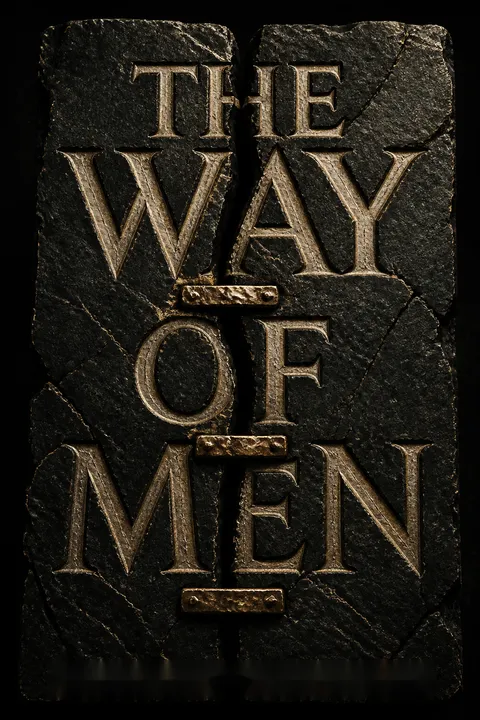

मुख्य बातें
1. पुरुषों का रास्ता है गिरोह का रास्ता
पुरुषों का रास्ता है गिरोह का रास्ता।
प्राचीन मर्दानगी उन छोटे, घने समूहों में निहित है जिन्हें पुरुषों ने इतिहास भर में जीवित रहने, शिकार करने और युद्ध के लिए बनाया है। ये गिरोह पुरुष सामाजिक संगठन की सबसे बुनियादी इकाई होते हैं, जहाँ पुरुष पदानुक्रम स्थापित करते हैं, आपसी संबंध बनाते हैं और यह परिभाषित करते हैं कि पुरुषों के बीच एक पुरुष होना क्या मतलब रखता है। इस संदर्भ में, मर्दानगी व्यक्तिगत उपलब्धियों से कम और समूह के भीतर अन्य पुरुषों के साथ संबंध बनाने और खुद को साबित करने से अधिक जुड़ी होती है।
गिरोह की गतिशीलता के मुख्य पहलू:
- एक सीमा निर्धारित करना (हम बनाम वे की मानसिकता)
- साझा पहचान और संस्कृति विकसित करना
- सामाजिक पदानुक्रम बनाना और लागू करना
- समूह के भीतर स्थिति के लिए प्रतिस्पर्धा करना
- पारस्परिक जीवित रहने और सफलता के लिए सहयोग करना
गिरोह मॉडल यह समझाता है कि पुरुष अक्सर छोटे समूहों में मिलकर काम करते हुए सबसे जीवंत और संतुष्ट महसूस क्यों करते हैं, चाहे वह खेल हो, सैन्य इकाइयाँ हों या अन्य पुरुष प्रधान वातावरण। यह यह भी बताता है कि आधुनिक समाज में कई पुरुष क्यों अर्थ खोजने में संघर्ष करते हैं, जहाँ ऐसी प्राचीन समूह गतिशीलताएँ अक्सर अनुपस्थित या हतोत्साहित की जाती हैं।
2. शक्ति, साहस, कौशल और सम्मान: रणनीतिक गुण
शक्ति, साहस, कौशल और सम्मान दुनिया भर के पुरुषों के प्रमुख गुण हैं।
चार रणनीतिक गुण मर्दानगी का मूल हैं, जो संस्कृतियों और इतिहास में पुरुषों द्वारा लगातार मूल्यवान और अपनाए गए हैं। ये वे गुण हैं जिन्हें पुरुष "अच्छे पुरुष होने" के प्रयास में अपनाते हैं।
- शक्ति: शारीरिक ताकत और अपनी इच्छा को लागू करने की क्षमता।
- साहस: खतरे का सामना करने और जोखिम लेने की तत्परता।
- कौशल: महत्वपूर्ण क्षेत्रों में दक्षता और क्षमता।
- सम्मान: समूह के प्रति निष्ठा और अन्य पुरुषों के बीच अपनी प्रतिष्ठा की चिंता।
ये गुण "रणनीतिक" इसलिए कहे जाते हैं क्योंकि ये पुरुषों की ऐतिहासिक भूमिकाओं—शिकारी, योद्धा और रक्षक—से सीधे जुड़े हैं। ये वे गुण हैं जो जीवित रहने या संघर्ष की स्थिति में सबसे अधिक मूल्यवान होते। भले ही इन गुणों की अभिव्यक्ति संस्कृतियों के अनुसार भिन्न हो, मर्दानगी में इनकी मौलिक महत्ता स्थिर रहती है।
3. अच्छा पुरुष होना बनाम पुरुष होने में अच्छा होना
अच्छा पुरुष होना और पुरुष होने में अच्छा होना दो अलग बातें हैं।
यह महत्वपूर्ण भेद नैतिक गुण और मर्दानगी की दक्षता के बीच अंतर करता है। अच्छा पुरुष होना नैतिकता, सदाचार और समाज के हित में व्यवहार करने के बारे में है। पुरुष होने में अच्छा होना रणनीतिक गुणों को अपनाने और पारंपरिक पुरुष भूमिका को प्रभावी ढंग से निभाने के बारे में है।
मुख्य अंतर:
- अच्छा पुरुष: नैतिक व्यवहार, दयालुता, ईमानदारी आदि पर केंद्रित।
- पुरुष होने में अच्छा: शक्ति, साहस, कौशल और सम्मान पर जोर।
हालांकि ये दोनों अवधारणाएँ कभी-कभी मिलती-जुलती हैं, वे समान नहीं हैं। कोई पुरुष नैतिक रूप से सही हो सकता है लेकिन पारंपरिक मर्दानगी के गुणों से वंचित हो सकता है। इसके विपरीत, कोई पुरुष पारंपरिक मर्दानगी के गुणों में उत्कृष्ट हो सकता है लेकिन नैतिक रूप से संदिग्ध व्यवहार कर सकता है।
यह भेद समझाता है कि पुरुष अक्सर "बुरे पुरुषों" की प्रशंसा या सम्मान क्यों करते हैं जो असाधारण शक्ति, साहस या कौशल दिखाते हैं, भले ही वे उनके कार्यों को नैतिक रूप से स्वीकार न करें। यह आधुनिक पुरुषों के बीच नैतिक अच्छाई की सामाजिक अपेक्षाओं और पुरुषों के बीच खुद को साबित करने की अंतर्निहित प्रेरणा के बीच तनाव को भी उजागर करता है।
4. सीमा: पुरुषों की प्राचीन भूमिका रक्षक के रूप में
पुरुषों का काम हमेशा से सीमा निर्धारित करना, सुरक्षित क्षेत्र बनाना, "हम" और "वे" को अलग करना और विश्वास का घेरा बनाना रहा है।
सीमा की अवधारणा पुरुषों की ऐतिहासिक भूमिका और कई मर्दाना व्यवहारों की जड़ को समझने के लिए मौलिक है। मानव इतिहास में, पुरुष समूह की रक्षा के लिए जिम्मेदार रहे हैं, चाहे वह खतरे प्रकृति से हो, जानवरों से या अन्य मानव समूहों से।
सीमा के मुख्य पहलू:
- यह परिभाषित करना कि "हम" कौन हैं और "वे" कौन हैं
- सीमाओं की स्थापना और रक्षा करना
- समूह के लिए सुरक्षित स्थान बनाना जहाँ वह फल-फूल सके
- सतत सतर्कता और तत्परता की आवश्यकता
रक्षक के रूप में यह प्राचीन भूमिका पुरुषों की मनोवृत्ति और सामाजिक गतिशीलता को आकार देती है। यह समझाती है कि पुरुष घने समूह क्यों बनाते हैं, पदानुक्रमात्मक संरचनाओं में अधिक सहज क्यों होते हैं, और शक्ति, साहस तथा निष्ठा को इतना महत्व क्यों देते हैं।
सीमा की यह अवधारणा यह भी बताती है कि आधुनिक समाज में कई पुरुष क्यों खोया हुआ या उद्देश्यहीन महसूस करते हैं, जहाँ शारीरिक सुरक्षा की आवश्यकता कम हो गई है और अक्सर इसे पुलिस या सैन्य कर्मियों जैसे विशेषज्ञों को सौंप दिया जाता है। सुरक्षा और रक्षा की प्राचीन प्रेरणा बनी रहती है, भले ही कोई स्पष्ट खतरा न हो।
5. आधुनिक सभ्यता में मर्दानगी का संकट
यदि मर्दानगी का कोई "संकट" है, तो वह यही है, और यह समस्या सभ्यता जितनी पुरानी है।
सभ्यता और मर्दानगी के बीच तनाव मानव समाज के प्रारंभिक काल से मौजूद है। जैसे-जैसे सभ्यताएँ विकसित होती हैं, पुरुषों को सामाजिक व्यवस्था और बड़े पैमाने पर सहयोग के लिए अपनी प्राचीन मर्दाना प्रवृत्तियों को नियंत्रित करना पड़ता है।
संकट के मुख्य कारण:
- शारीरिक शक्ति और सुरक्षा की कम होती आवश्यकता
- प्रतिस्पर्धा की बजाय सहयोग पर बढ़ता जोर
- लिंग भूमिकाओं और अपेक्षाओं का अस्पष्ट होना
- पुरुषत्व में प्रवेश के स्पष्ट संस्कारों का अभाव
- पुरुष-विशेष स्थानों और संस्थानों का पतन
यह निरंतर संकट इस स्थिति को जन्म देता है जहाँ कई पुरुष अपनी मर्दाना प्रकृति से कटे हुए, समाज में अपनी भूमिका को लेकर अनिश्चित और पुरुष होने के अपने मूल्य को साबित करने के स्पष्ट तरीकों से वंचित महसूस करते हैं। आधुनिक समय में तेज़ तकनीकी और सामाजिक बदलाव इस समस्या को और बढ़ा देते हैं, जिससे पारंपरिक पुरुष भूमिकाएँ और भी कम हो गई हैं।
चुनौती यह है कि सभ्यता के लाभों और पुरुषों की मर्दाना प्रकृति को स्वस्थ और रचनात्मक तरीकों से व्यक्त करने और पूरा करने की आवश्यकता के बीच संतुलन खोजा जाए।
6. बोनोबो हस्तमैथुन समाज: आधुनिक पुरुष निष्क्रियता की आलोचना
आधुनिक दुनिया औसत पुरुषों को अपने मस्तिष्क को सुरक्षित रूप से नष्ट करने के हजारों तरीके प्रदान करती है।
लेखक की तीव्र आलोचना आधुनिक समाज की तुलना बोनोबो बंदरों से करती है, जो अपने शांतिपूर्ण लेकिन अत्यंत यौनिक सामाजिक ढांचे के लिए जाने जाते हैं। इस उपमा में, आधुनिक पुरुष निष्क्रिय, संघर्ष से बचने वाले और सतही सुखों तथा व्याकुलताओं पर अत्यधिक केंद्रित हो गए हैं।
"बोनोबो हस्तमैथुन समाज" की विशेषताएँ:
- चुनौती और जोखिम की बजाय आराम और सुरक्षा पर जोर
- वास्तविक अनुभवों की जगह आभासी या परोक्ष अनुभव लेना
- मनोरंजन और सतही सुखों की लत
- सार्थक पुरुष संबंधों और प्रतिस्पर्धा की कमी
- पारंपरिक मर्दाना गुणों का महत्व कम होना
यह स्थिति पुरुषों के लिए अत्यंत असंतोषजनक मानी जाती है, जो अपने मूल्य को साबित करने या अपने पूर्वजों की तरह जीवंत, सार्थक जीवन अनुभव करने के स्पष्ट तरीके खो चुके हैं। आसान सुखों और व्याकुलताओं की भरमार पुरुषों को शांत और आज्ञाकारी बनाए रखती है, बजाय इसके कि वे महानता के लिए प्रयास करें या वर्तमान व्यवस्था को चुनौती दें।
लेखक तर्क देते हैं कि यह स्थिति न केवल व्यक्तिगत पुरुषों के लिए हानिकारक है, बल्कि समाज के लिए भी क्योंकि इससे मजबूत, सक्षम पुरुषों की कमी होती है जो वास्तविक चुनौतियों का सामना कर सकें और आवश्यक होने पर अपनी समुदायों की रक्षा कर सकें।
7. दुनिया की शुरुआत: बदलती दुनिया में मर्दाना मूल्यों की पुनःस्थापना
निराशा के बाद के अराजकता में, पुरुषों के गिरोह दुनिया को फिर से शुरू कर सकते हैं।
लेखक की कार्रवाई की पुकार यह सुझाव देती है कि वर्तमान वैश्विक प्रणाली अस्थिर है और इसके अपरिहार्य पतन से पुरुषों को पारंपरिक मर्दाना मूल्यों और समाज के संगठन के तरीकों को पुनः स्थापित करने के अवसर मिलेंगे।
"दुनिया की शुरुआत" के लिए मुख्य विचार:
- वैश्विकता की बजाय स्थानीयता को अपनाना
- समान विचारधारा वाले पुरुषों के छोटे, घने समूह बनाना
- शक्ति, साहस, कौशल और सम्मान जैसे रणनीतिक गुणों का विकास करना
- निष्क्रिय उपभोक्तावाद को त्यागकर सक्रिय सृजन और समस्या समाधान को अपनाना
- संभावित सामाजिक पतन और सत्ता रिक्त स्थान के लिए तैयारी करना
यह दृष्टिकोण किसी मिथकीय अतीत में लौटने के बारे में नहीं है, बल्कि आधुनिक ज्ञान के लाभों और मर्दाना प्रकृति की प्राचीन आवश्यकताओं के बीच संतुलन बनाने वाले नए पुरुष संगठन और पहचान के रूपों को बनाने के बारे में है। लेखक वर्तमान प्रणालियों के संभावित पतन को एक भयावह आपदा के बजाय पुरुषों के लिए दुनिया को आकार देने में अपनी महत्वपूर्ण भूमिका को पुनः प्राप्त करने का अवसर मानते हैं।
आधुनिक पुरुषों के लिए चुनौती यह है कि वे इन मर्दाना गुणों को अपनाने और वर्तमान समाज की सीमाओं के भीतर सार्थक पुरुष समुदाय बनाने के तरीके खोजें, साथ ही एक संभावित भविष्य के लिए भी तैयार रहें जहाँ ये गुण न केवल व्यक्तिगत संतुष्टि के लिए, बल्कि जीवित रहने और समृद्धि के लिए भी आवश्यक हो सकते हैं।
समीक्षा सारांश
द वे ऑफ मेन को मिली-जुली प्रतिक्रियाएँ मिलीं। कुछ पाठकों ने इसमें पुरुषत्व और "गैंग" की अवधारणा पर दी गई समझ को सराहा, जबकि अन्य ने इसे स्त्री-विरोधी, समलैंगिक-विरोधी और विषैले व्यवहारों को बढ़ावा देने वाला बताया। इसके समर्थकों ने पुरुषों के गुणों और सामाजिक भूमिकाओं पर की गई चर्चा में मूल्य पाया, वहीं आलोचकों का मानना था कि यह पुरानी और हानिकारक सोच को प्रोत्साहित करता है। इस पुस्तक की विवादास्पद प्रकृति ने आधुनिक पुरुषत्व, लिंग भूमिकाओं और सामाजिक संरचनाओं पर गहन बहस छेड़ दी। कई पाठकों ने इसमें विचारोत्तेजक पहलुओं को स्वीकार किया, लेकिन लेखक के निष्कर्षों और शैली से सहमत नहीं हुए।
लोग यह भी पढ़ते हैं



अक्सर पूछे जाने वाले प्रश्न
What's "The Way of Men" by Jack Donovan about?
- Core Theme: The book explores the concept of masculinity, focusing on what it means to be a man in a primal, survival-based context.
- Gang Mentality: Donovan argues that the essence of masculinity is rooted in the gang, emphasizing strength, courage, mastery, and honor.
- Crisis of Masculinity: The book discusses the perceived crisis of masculinity in modern society, where traditional male roles are being challenged.
- Survival and Identity: It delves into how men can reclaim their identity by understanding their roles in survival scenarios and within male groups.
Why should I read "The Way of Men"?
- Understanding Masculinity: It provides a unique perspective on masculinity, challenging modern societal norms and offering a return to primal values.
- Cultural Critique: The book critiques contemporary culture's impact on male identity, making it relevant for those interested in gender studies.
- Practical Insights: Donovan offers practical advice on how men can cultivate traditional masculine virtues in today's world.
- Thought-Provoking: It encourages readers to question societal expectations and consider what it truly means to be a man.
What are the key takeaways of "The Way of Men"?
- Tactical Virtues: The book identifies four key virtues—strength, courage, mastery, and honor—as essential to masculinity.
- Role of the Gang: It emphasizes the importance of male bonding and the gang as a fundamental social unit for men.
- Crisis and Identity: Donovan discusses the crisis of masculinity and how men can reclaim their identity by embracing traditional roles.
- Survival Ethos: The book suggests that understanding masculinity requires a return to survival-based values and roles.
How does Jack Donovan define masculinity in "The Way of Men"?
- Strength and Courage: Masculinity is defined by physical strength and the courage to face danger and take risks.
- Mastery and Honor: It involves mastering skills and maintaining a reputation for strength and reliability within a male group.
- Primal Role: Donovan sees masculinity as rooted in the primal role of men as protectors and providers in a survival context.
- Group Dynamics: Being a man is about succeeding within male groups and earning the respect of other men.
What are the Tactical Virtues according to "The Way of Men"?
- Strength: Physical power and the ability to exert one's will over oneself, nature, and others.
- Courage: The will to risk harm for oneself or others, demonstrating a willingness to face danger.
- Mastery: The desire and ability to cultivate skills and expertise that aid in exerting one's will.
- Honor: A concern for one's reputation within a group of men, reflecting loyalty and reliability.
How does "The Way of Men" address the crisis of masculinity?
- Cultural Shift: The book argues that modern society's shift away from traditional male roles has led to a crisis of masculinity.
- Identity Loss: Men are losing their sense of identity as traditional roles are devalued or dismissed.
- Return to Roots: Donovan suggests that men can overcome this crisis by returning to primal values and roles.
- Reclaiming Masculinity: The book encourages men to embrace the tactical virtues and redefine their roles in society.
What is the significance of the gang in "The Way of Men"?
- Social Unit: The gang is seen as the fundamental social unit for men, where they bond and establish their identity.
- Role of the Gang: It provides a context for men to demonstrate and cultivate the tactical virtues.
- Survival and Identity: The gang is essential for survival, offering protection and a sense of belonging.
- Cultural Critique: Donovan uses the gang to critique modern society's individualism and lack of male bonding.
How does Jack Donovan view modern society in "The Way of Men"?
- Critique of Modernity: Donovan criticizes modern society for undermining traditional male roles and values.
- Loss of Identity: He argues that men are losing their identity due to societal changes that devalue masculinity.
- Return to Primal Values: The book advocates for a return to primal, survival-based values to reclaim masculinity.
- Cultural Discontent: Donovan expresses discontent with the way modern culture handles gender roles and expectations.
What are the best quotes from "The Way of Men" and what do they mean?
- "The Way of Men is the way of the gang." This quote encapsulates the book's central thesis that masculinity is rooted in male bonding and group dynamics.
- "Strength, Courage, Mastery, and Honor are the alpha virtues of men all over the world." It highlights the universal nature of these virtues as essential components of masculinity.
- "Being good at being a man is about showing other men that you are the kind of guy they’d want on their team if the shit hits the fan." This emphasizes the importance of reliability and competence in male groups.
- "The crisis of masculinity is the ongoing and ever-changing struggle to find an acceptable compromise between the primal gang masculinity and the level of restraint required of men to maintain a desirable level of order in a given civilization." It reflects the book's exploration of the tension between traditional masculinity and modern societal expectations.
How does "The Way of Men" suggest men can reclaim their identity?
- Embrace Tactical Virtues: Men should focus on cultivating strength, courage, mastery, and honor.
- Form Male Bonds: Building strong relationships with other men is crucial for identity and support.
- Reject Modern Constraints: Donovan encourages men to challenge societal norms that devalue traditional masculinity.
- Return to Primal Roles: By understanding and embracing their primal roles, men can reclaim their identity and purpose.
What is the role of women in "The Way of Men"?
- Complementary Roles: The book acknowledges that masculinity and femininity are complementary but focuses primarily on male roles.
- Cultural Influence: Donovan critiques how modern culture, influenced by feminist ideals, has impacted traditional male roles.
- Separate Worlds: He emphasizes the importance of men having their own space and identity separate from women.
- Survival Context: In survival scenarios, the book suggests that traditional gender roles are more pronounced and necessary.
How does "The Way of Men" relate to historical and cultural perspectives on masculinity?
- Historical Context: The book draws on historical examples of male bonding and survival to illustrate its points.
- Cultural Universals: Donovan identifies universal aspects of masculinity that transcend specific cultures and eras.
- Critique of Modernity: He contrasts traditional views of masculinity with modern societal changes and critiques their impact.
- Return to Roots: The book advocates for a return to historical and cultural roots to understand and reclaim masculinity.
PDF डाउनलोड करें
EPUB डाउनलोड करें
.epub digital book format is ideal for reading ebooks on phones, tablets, and e-readers.








































