
मुख्य बातें
1. अधिकार स्वाभाविक होते हैं, सरकारों द्वारा नहीं दिए जाते।
दुनिया में जन्म लेने वाला हर बच्चा भगवान से अपने अस्तित्व को प्राप्त करने वाला माना जाना चाहिए। यह दुनिया उसके लिए उतनी ही नई है जितनी पहले मनुष्य के लिए थी, और इसमें उसका स्वाभाविक अधिकार उसी प्रकार का है।
स्वाभाविक अधिकार। पेन का तर्क है कि अधिकार राजाओं या सरकारों द्वारा दिए गए उपहार नहीं हैं, बल्कि हर व्यक्ति के अस्तित्व के कारण स्वाभाविक रूप से निहित होते हैं। ये अधिकार, जो सृष्टिकर्ता द्वारा दिए गए हैं, किसी भी प्रकार की सरकार से पहले आते हैं और इन्हें वैध रूप से छीना नहीं जा सकता। इनमें जीवन, स्वतंत्रता और खुशी की खोज का अधिकार शामिल है।
सरकार की भूमिका। पेन के अनुसार, सरकार का उद्देश्य इन पूर्व-निर्धारित स्वाभाविक अधिकारों की रक्षा करना है, न कि उन्हें देना या परिभाषित करना। सरकारें अपने न्यायसंगत अधिकारों को शासित लोगों की सहमति से प्राप्त करती हैं, और उनकी वैधता लोगों के अधिकारों की रक्षा पर निर्भर करती है। कोई भी सरकार जो इन अधिकारों का उल्लंघन करती है, तानाशाही बन जाती है और अपनी अधिकारिता का दावा खो देती है।
समाज के लिए निहितार्थ। स्वाभाविक अधिकारों का यह सिद्धांत सामाजिक न्याय और समानता के लिए गहरा निहितार्थ रखता है। यह उत्पीड़न और भेदभाव के प्रणालियों को चुनौती देता है, यह asserting करता है कि सभी व्यक्तियों को उनके सामाजिक स्थिति, जन्म, या किसी अन्य मनमाने भेद के बावजूद समान मौलिक अधिकारों का हक है।
2. समाज इच्छाओं से उत्पन्न होता है, सरकार बुराई से।
समाज हमारी इच्छाओं द्वारा उत्पन्न होता है, और सरकार हमारी बुराइयों द्वारा।
दो अलग-अलग उत्पत्ति। पेन समाज और सरकार के बीच भेद करते हैं, यह बताते हुए कि उनके अलग-अलग उत्पत्ति और उद्देश्य हैं। समाज हमारे आपसी संबंध और लाभ की स्वाभाविक इच्छा से उत्पन्न होता है, जबकि सरकार एक आवश्यक बुराई है जो हमारे दोषों को नियंत्रित करने के लिए बनाई गई है।
सकारात्मक बनाम नकारात्मक। समाज हमारी खुशी को सकारात्मक रूप से बढ़ावा देता है, जबकि सरकार हमारी खुशी को नकारात्मक रूप से बढ़ावा देती है। समाज एक संरक्षक है, जबकि सरकार एक दंडक है।
सीमित सरकार। पेन का दृष्टिकोण सीमित सरकार के पक्ष में है, जो केवल तब हस्तक्षेप करती है जब आवश्यक हो, ताकि हानि को रोका जा सके और व्यक्तिगत अधिकारों की रक्षा की जा सके। आदर्श समाज वह है जहाँ व्यक्ति अपनी रुचियों का पीछा करने और स्वेच्छा से सहयोग करने के लिए स्वतंत्र होते हैं, जिसमें सरकार का हस्तक्षेप न्यूनतम हो।
3. वंशानुगत उत्तराधिकार दोनों ही बेतुका और बुरा है।
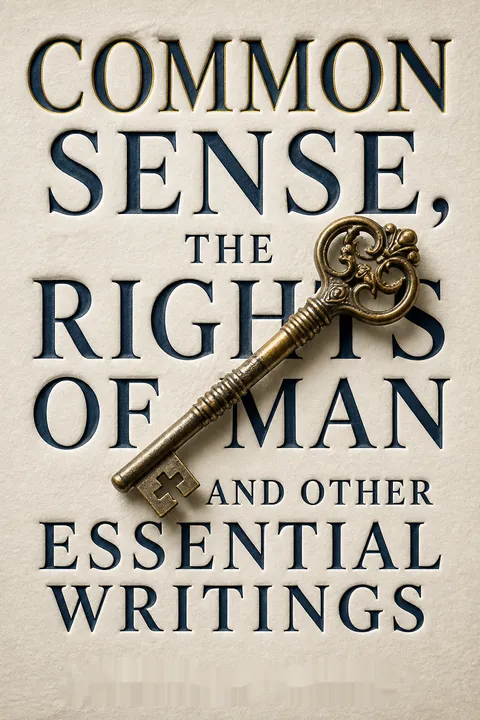
यह उल्लेख करने की आवश्यकता नहीं है कि ताज इंग्लिश संविधान में एक अत्यधिक भाग है, और यह अपने पूरे महत्व को केवल स्थानों और पेंशन देने वाले के रूप में प्राप्त करता है; इसलिए, हालाँकि हम पूर्ण राजतंत्र के खिलाफ एक दरवाजा बंद करने के लिए पर्याप्त समझदार रहे हैं, हम एक ही समय में ताज को चाबी रखने के लिए मूर्खता से रख देते हैं।
प्रकृति के खिलाफ। पेन का तर्क है कि वंशानुगत उत्तराधिकार प्रकृति के खिलाफ है, क्योंकि यह मानता है कि गुण और बुद्धिमत्ता रक्त रेखाओं के माध्यम से पारित की जा सकती हैं। वह यह बताता है कि प्रकृति अक्सर "एक गधा एक शेर के लिए" उत्पन्न करती है, जो केवल जन्म के आधार पर व्यक्तियों को शक्ति सौंपने की बेतुकी बात को उजागर करता है।
ऐतिहासिक विफलताएँ। पेन इंग्लैंड के इतिहास का हवाला देते हैं, जो राजतंत्र और वंशानुगत उत्तराधिकार के बुराइयों का प्रमाण है, यह बताते हुए कि कई नागरिक युद्ध और विद्रोहों ने राज्य को परेशान किया है। वह तर्क करते हैं कि राजतंत्र, शांति सुनिश्चित करने के बजाय, वास्तव में असहमति और अस्थिरता को बढ़ावा देता है।
स्वाभाविक अन्याय। वंशानुगत उत्तराधिकार भविष्य की पीढ़ियों के लिए एक अपमान है, क्योंकि यह उन्हें अपने नेताओं को चुनने का अधिकार नहीं देता। पेन का कहना है कि कोई भी पीढ़ी भविष्य की पीढ़ियों को अतीत के निर्णयों से बाधित करने का अधिकार नहीं रखती, और प्रत्येक पीढ़ी को अपनी आवश्यकताओं और परिस्थितियों के अनुसार स्वयं को शासित करने के लिए स्वतंत्र होना चाहिए।
4. अमेरिका का कारण सभी मानवता का कारण है।
अमेरिका का कारण एक बड़े पैमाने पर सभी मानवता का कारण है।
सार्वभौमिक सिद्धांत। पेन का मानना था कि अमेरिकी क्रांति केवल एक स्थानीय मामला नहीं थी, बल्कि स्वतंत्रता और आत्म-शासन के सार्वभौमिक सिद्धांतों के लिए एक संघर्ष था। उन्होंने अमेरिका को उत्पीड़ित लोगों के लिए आशा की किरण के रूप में देखा, जो एक अधिक न्यायपूर्ण और समान विश्व व्यवस्था का मॉडल प्रदान करता है।
वैश्विक प्रभाव। अमेरिकी क्रांति की सफलता का एक तरंग प्रभाव होगा, जो अन्य देशों को तानाशाही को चुनौती देने और अपने लोकतांत्रिक सरकारों की स्थापना के लिए प्रेरित करेगा। पेन ने अमेरिकियों से उनके मानवता के भविष्य को आकार देने में उनकी भूमिका के महत्व को पहचानने का आग्रह किया।
भविष्य की पीढ़ियों के प्रति जिम्मेदारी। पेन ने जोर दिया कि अमेरिकियों द्वारा किए गए निर्णयों का भविष्य की पीढ़ियों पर स्थायी प्रभाव पड़ेगा। उन्होंने उनसे साहस और दृष्टि के साथ कार्य करने का आह्वान किया, यह जानते हुए कि उनके कार्य स्वतंत्रता के भाग्य को निर्धारित करेंगे।
5. धर्म व्यक्तिगत विवेक का मामला होना चाहिए, न कि राज्य का नियंत्रण।
सभी राष्ट्रीय चर्च संस्थाएँ, चाहे यहूदी, ईसाई, या तुर्की हों, मेरे लिए केवल मानव आविष्कार हैं जो मानवता को आतंकित और दास बनाने के लिए स्थापित किए गए हैं, और शक्ति और लाभ का एकाधिकार करने के लिए।
विश्वास की स्वतंत्रता। पेन धार्मिक स्वतंत्रता के प्रबल समर्थक थे, यह तर्क करते हुए कि हर व्यक्ति को अपने विश्वासों को चुनने और अपनी इच्छानुसार पूजा करने का अधिकार है। उन्होंने राष्ट्रीय चर्चों की स्थापना का विरोध किया, जिन्हें उन्होंने उत्पीड़न और नियंत्रण के उपकरण के रूप में देखा।
संगठित धर्म की आलोचना। पेन ने संगठित धर्म की आलोचना की, इसके झूठे विश्वास, असहिष्णुता, और शक्ति के दुरुपयोग को बढ़ावा देने की प्रवृत्ति के लिए। उन्होंने तर्क किया कि धार्मिक संस्थाएँ अक्सर मानवता को आतंकित और दास बनाने के लिए कार्य करती हैं, बजाय कि उन्हें प्रबुद्ध और मुक्त करने के।
डिज़्म। पेन ने डिज़्म का समर्थन किया, जो एक ऐसे भगवान में विश्वास है जिसने ब्रह्मांड की सृष्टि की लेकिन मानव मामलों में हस्तक्षेप नहीं करता। उन्होंने प्राकृतिक दुनिया को धार्मिक ज्ञान का प्राथमिक स्रोत माना, और विश्वास के मामलों में तर्क और व्यक्तिगत विवेक के महत्व पर जोर दिया।
6. वाणिज्य, युद्ध नहीं, वैश्विक सामंजस्य का मार्ग है।
वाणिज्य एक शांति प्रणाली है, जो मानवता को एकजुट करने का कार्य करती है।
युद्ध का विकल्प। पेन ने वाणिज्य को देशों के बीच शांति और सहयोग के लिए एक शक्तिशाली बल के रूप में देखा। उन्होंने विश्वास किया कि व्यापार आपसी निर्भरता और शांतिपूर्ण संबंध बनाए रखने के लिए प्रोत्साहन पैदा कर सकता है।
स्वार्थ और सहयोग। वाणिज्य स्वार्थ को बढ़ावा देता है, जो फिर सहयोग और आपसी लाभ को प्रोत्साहित करता है। व्यापार में संलग्न होकर, राष्ट्र अपनी आवश्यकताओं और इच्छाओं को बिना हिंसा या विजय के पूरा कर सकते हैं।
मुक्त व्यापार। पेन ने मुक्त व्यापार का समर्थन किया, यह तर्क करते हुए कि यह देशों के बीच अधिक समृद्धि और समझ की ओर ले जाएगा। उन्होंने संरक्षणवादी नीतियों और व्यापार बाधाओं को शांति और प्रगति के लिए बाधा के रूप में देखा।
7. पृथ्वी सभी का जन्मसिद्ध अधिकार है, जो न्याय के एक प्रणाली की आवश्यकता है।
वर्तमान सभ्यता की स्थिति उतनी ही घृणित है जितनी अन्यायपूर्ण। यह बिल्कुल उस चीज़ के विपरीत है जो इसे होना चाहिए, और इसमें एक क्रांति की आवश्यकता है। समृद्धि और दरिद्रता का विरोधाभास लगातार आंखों को चिढ़ाता है, जैसे मृत और जीवित शरीर एक साथ जंजीर में बंधे हों।
स्वाभाविक विरासत। पेन का मानना था कि पृथ्वी, अपनी प्राकृतिक स्थिति में, सभी मानवता की सामान्य संपत्ति है। उन्होंने तर्क किया कि हर व्यक्ति को इस स्वाभाविक विरासत का एक हिस्सा पाने का अधिकार है।
भूमि का एकाधिकार। भूमि की संपत्ति की शुरुआत, जबकि खेती और उत्पादकता में सुधार लाने के लिए, कई लोगों को उनकी स्वाभाविक विरासत से वंचित कर दिया है। पेन ने तर्क किया कि इस वंचना ने एक ऐसी गरीबी और दरिद्रता की प्रणाली का निर्माण किया है जो प्राकृतिक स्थिति में मौजूद नहीं थी।
कृषि न्याय। इस अन्याय को सुधारने के लिए, पेन ने कृषि न्याय की एक प्रणाली का प्रस्ताव रखा, जो हर व्यक्ति को एक बुनियादी आय और अपने जीवन की शुरुआत करने का एक साधन प्रदान करेगा। यह प्रणाली विरासत में मिली संपत्ति पर कर द्वारा वित्तपोषित की जाएगी, यह सुनिश्चित करते हुए कि सभ्यता के लाभ अधिक समान रूप से साझा किए जाएं।
8. पुराने सरकारी प्रणालियाँ अज्ञानता और शक्ति पर आधारित हैं।
पहले दो, वंशानुगत होने के कारण, लोगों से स्वतंत्र हैं; इसलिए संवैधानिक अर्थ में वे राज्य की स्वतंत्रता में कुछ भी योगदान नहीं करते।
अंधविश्वास और विजय। पेन का तर्क है कि पुराने सरकारी प्रणालियाँ अंधविश्वास और विजय से उत्पन्न हुई हैं, न कि शासित लोगों की सहमति से। ये प्रणालियाँ अपनी शक्ति बनाए रखने के लिए अज्ञानता और भय पर निर्भर करती हैं।
भ्रष्टाचार और दुरुपयोग। पुराने सरकारें भ्रष्टाचार और दुरुपयोग के प्रति प्रवृत्त होती हैं, क्योंकि उनमें जवाबदेही और पारदर्शिता की कमी होती है। वे अक्सर लोगों की भलाई के मुकाबले शासक वर्ग के हितों को प्राथमिकता देती हैं।
सुधार की आवश्यकता। पेन ने पुराने सरकारों के लिए एक कट्टर सुधार का आह्वान किया, देशों से तर्क, न्याय, और मानव के अधिकारों पर आधारित प्रणालियों को अपनाने का आग्रह किया। उन्होंने विश्वास किया कि केवल ऐसे सुधारों के माध्यम से ही सच्ची स्वतंत्रता और समृद्धि प्राप्त की जा सकती है।
9. एक लिखित संविधान सरकार की शक्ति को सीमित करने के लिए आवश्यक है।
एक संविधान सरकार का कार्य नहीं है, बल्कि एक लोगों का कार्य है जो एक सरकार का गठन करते हैं; और बिना संविधान के सरकार, अधिकार के बिना शक्ति है।
सरकार के लिए आधार। पेन ने किसी भी वैध सरकार के लिए लिखित संविधान के महत्व पर जोर दिया। एक संविधान केवल कानूनों का एक सेट नहीं है, बल्कि एक मौलिक दस्तावेज है जो सरकार के सिद्धांतों, शक्तियों, और सीमाओं को परिभाषित करता है।
अधिकारों की रक्षा। एक संविधान लोगों के अधिकारों की रक्षा करता है, सरकार की कार्रवाई के लिए स्पष्ट सीमाएँ स्थापित करता है। यह सरकार को मनमानी या तानाशाही बनने से रोकता है।
जवाबदेही। एक संविधान सरकार को लोगों के प्रति जवाबदेह रखने के लिए एक ढांचा प्रदान करता है। यह प्रतिनिधियों के चुनाव, कानून बनाने, और विवादों को सुलझाने की प्रक्रिया को स्पष्ट करता है, यह सुनिश्चित करते हुए कि सरकार शासित लोगों की इच्छाओं के प्रति उत्तरदायी रहे।
10. अमेरिकी और फ्रांसीसी क्रांतियाँ एक बेहतर दुनिया का मार्ग प्रदान करती हैं।
ओ! तुम जो मानवता से प्रेम करते हो! तुम जो न केवल तानाशाही बल्कि तानाशाह का विरोध करने की हिम्मत रखते हो, आगे आओ! पुरानी दुनिया का हर कोना उत्पीड़न से भरा हुआ है। स्वतंत्रता को पूरी दुनिया में शिकार किया गया है। एशिया और अफ्रीका ने लंबे समय से उसे बाहर निकाल दिया है। यूरोप उसे एक अजनबी की तरह देखता है, और इंग्लैंड ने उसे जाने के लिए चेतावनी दी है। ओ! शरण लो और मानवता के लिए समय पर एक आश्रय तैयार करो।
परिवर्तन के लिए प्रेरणा। पेन ने अमेरिकी और फ्रांसीसी क्रांतियों को उत्पीड़न और अन्याय में डूबी दुनिया के लिए आशा की किरण के रूप में देखा। उन्होंने विश्वास किया कि ये क्रांतियाँ एक बेहतर भविष्य का मार्ग प्रदान करती हैं, जो स्वतंत्रता, समानता, और आत्म-शासन पर आधारित है।
सार्वभौमिक सिद्धांत। अमेरिकी और फ्रांसीसी क्रांतियों के सिद्धांत किसी विशेष राष्ट्र या संस्कृति तक सीमित नहीं हैं, बल्कि उनके आवेदन में सार्वभौमिक हैं। वे दुनिया भर में न्यायपूर्ण और समान समाजों के निर्माण के लिए एक ढांचा प्रदान करते हैं।
कार्यवाही का आह्वान। पेन ने सभी मानवता से प्रेम करने वालों से आगे आने और क्रांति के कारण का समर्थन करने का आह्वान किया। उन्होंने विश्वास किया कि इन सिद्धांतों को अपनाकर, मानवता तानाशाही, उत्पीड़न, और युद्ध से मुक्त एक दुनिया बना सकती है।
समीक्षा सारांश
सामान्य ज्ञान, मानव के अधिकार और अन्य आवश्यक लेखन को इसके ऐतिहासिक महत्व और प्रासंगिकता के लिए सराहा जाता है, जिसने स्वतंत्रता और लोकतंत्र की पुकार के साथ अमेरिकी क्रांति को प्रेरित किया। पाठक पेन के राजतंत्र के खिलाफ और मानव अधिकारों के पक्ष में उनके स्पष्ट तर्कों की सराहना करते हैं, और पाते हैं कि उनके विचार आज भी प्रासंगिक हैं। कई लोग इसे अमेरिकी इतिहास को समझने के लिए आवश्यक पठन मानते हैं, हालांकि कुछ को 18वीं सदी की भाषा चुनौतीपूर्ण लगती है। संग्रह में लंबे कार्यों से चयन कुछ पाठकों को निराश करता है। कुल मिलाकर, समीक्षक पेन के जुनून और तार्किक सोच की प्रशंसा करते हैं, भले ही कुछ उनके धर्म और सरकार पर विचारों से असहमत हों।
लोग यह भी पढ़ते हैं




अक्सर पूछे जाने वाले प्रश्न
1. What is Common Sense, The Rights of Man and Other Essential Writings by Thomas Paine about?
- Collection of Revolutionary Writings: The book gathers Thomas Paine’s most influential works, including Common Sense, The American Crisis Papers, Rights of Man, The Age of Reason, and Agrarian Justice, spanning themes of government, liberty, human rights, religion, and social justice.
- Historical Context: Written during the American and French Revolutions, these texts challenge monarchy, hereditary privilege, and organized religion, advocating for independence, democracy, and rational thought.
- Purpose and Impact: Paine’s writings aimed to inspire ordinary people to claim their rights and reject tyranny, shaping revolutionary thought in America, France, and beyond.
2. Who was Thomas Paine and why is he significant in Common Sense, The Rights of Man and Other Essential Writings?
- Background and Biography: Thomas Paine was an English-born political writer and activist who immigrated to America in 1774, quickly becoming a leading voice for revolution and reform.
- Role in Revolutions: He authored pivotal texts that influenced both the American and French revolutions, advocating for independence, human rights, and democratic government.
- Enduring Legacy: Paine’s ideas about government by consent, natural rights, and social justice helped shape modern democratic thought and continue to inspire movements worldwide.
3. Why should I read Common Sense, The Rights of Man and Other Essential Writings by Thomas Paine?
- Historical Significance: Paine’s works were instrumental in shaping public opinion during the American Revolution and influenced democratic ideals globally.
- Philosophical and Political Insight: The book offers clear, passionate arguments about liberty, rights, and the critique of traditional authority, encouraging readers to question and understand the foundations of modern society.
- Enduring Relevance: Paine’s advocacy for democracy, human rights, and reason remains pertinent to contemporary debates on governance, religion, and social justice.
4. What are the key takeaways from Common Sense, The Rights of Man and Other Essential Writings by Thomas Paine?
- Critique of Monarchy and Hereditary Power: Paine denounces monarchy and hereditary succession as unjust and unnatural, advocating for representative government and popular sovereignty.
- Natural and Civil Rights: He distinguishes between natural rights (inherent to all individuals) and civil rights (arising from society), emphasizing that government exists to protect these rights.
- Rational Religion and Deism: Paine promotes Deism, arguing that true knowledge of God comes from observing nature, not from organized religion or scripture.
- Social and Economic Reform: He proposes progressive reforms, including social welfare, universal basic income, and tax reform, aiming to reduce inequality and promote justice.
5. What are the main arguments in Common Sense by Thomas Paine?
- Society vs. Government: Paine distinguishes society as a positive force for mutual benefit, while government is a necessary evil to restrain vice and maintain order.
- Condemnation of Monarchy: He criticizes monarchy and hereditary succession as artificial, unjust, and a source of oppression and war.
- Call for American Independence: Paine urges the American colonies to break from Britain, arguing that independence is necessary for prosperity and self-governance.
6. How does Thomas Paine define natural and civil rights in Rights of Man?
- Natural Rights: These are inherent to all individuals by virtue of existence, such as freedom of thought, religion, and the pursuit of happiness.
- Civil Rights: Civil rights arise when individuals enter society, exchanging some natural rights for collective protection and security provided by government.
- Distinction and Retention: Paine emphasizes that while some rights are deposited into society for mutual benefit, others, like intellectual freedom, remain with the individual.
7. What is Thomas Paine’s critique of monarchy and hereditary succession in Rights of Man?
- Hereditary Succession as Tyranny: Paine argues that hereditary monarchy is an imposition on future generations, denying them the right to choose their government.
- Incompetence and Injustice: He points out that hereditary systems often place unqualified individuals in power, leading to misgovernment and oppression.
- Advocacy for Representation: Paine champions representative government, where power is delegated by the people and subject to their control.
8. How does Thomas Paine define a constitution and its role in government in Rights of Man?
- Constitution as Social Contract: A constitution is the act of the people constituting a government, not the act of the government itself.
- Precedes Government: The constitution is antecedent to government, setting its principles, organization, and limits, and governing its actions.
- Right to Alter: Paine insists that every generation has the right to alter or abolish the constitution, as rights are inherent and cannot be permanently alienated.
9. What are the key ideas in The Age of Reason and Thomas Paine’s critique of organized religion?
- Deism and Reason: Paine advocates for Deism, believing in God based on reason and the observation of nature, rather than revelation or scripture.
- Critique of Scripture: He argues that the Bible and religious institutions are human inventions, often used to terrify and enslave mankind.
- Revelation in Nature: Paine asserts that true revelation is found in the natural world, which is universal, immutable, and accessible to all.
10. What is the concept of Agrarian Justice proposed by Thomas Paine in Common Sense, The Rights of Man and Other Essential Writings?
- Natural Inheritance: Paine argues that the earth was originally common property, and private land ownership dispossessed many of their natural inheritance.
- Compensation for Dispossession: He proposes a national fund, financed by a tax on inherited property, to compensate individuals for the loss of their birthright.
- Universal Basic Income and Pensions: The plan includes payments to every person at age twenty-one and pensions for the aged, aiming to reduce poverty and promote social justice.
11. How did Thomas Paine’s background and experiences shape his writings in Common Sense, The Rights of Man and Other Essential Writings?
- Early Life and Hardship: Paine’s varied career and personal struggles in England exposed him to social injustice and fueled his radical views.
- Immigration and Outsider Perspective: Moving to America at Benjamin Franklin’s urging, Paine brought a fresh perspective and quickly became a leading revolutionary writer.
- Active Revolutionary Involvement: His direct participation in the American and French revolutions gave his arguments urgency and credibility, reflecting his commitment to liberty and equality.
12. What are the best quotes from Common Sense, The Rights of Man and Other Essential Writings by Thomas Paine and what do they mean?
- “Society is produced by our wants, and government by our wickedness.” This highlights Paine’s distinction between the positive force of society and the necessary evil of government.
- “These are the times that try men’s souls.” From The American Crisis, this phrase captures the hardships of revolution and the need for perseverance and courage.
- “THE WORD OF GOD IS THE CREATION WE BEHOLD.” In The Age of Reason, Paine emphasizes that true revelation comes from observing nature, not from scripture.
- “The plan here proposed will benefit all, without injuring any.” Referring to Agrarian Justice, this quote underscores Paine’s vision for social equity through practical reform.
लेखक के बारे में
अन्य किताबें — थॉमस पेन
PDF डाउनलोड करें
EPUB डाउनलोड करें
.epub digital book format is ideal for reading ebooks on phones, tablets, and e-readers.








































