
मुख्य बातें
1. अनंत समृद्धि का भ्रम
सामान्य इंसान अपने अनुभव से इतना लंबा जीवन नहीं जी पाता कि उससे कोई ठोस लाभ उठा सके। और ऐसा लगता है कि कोई भी दूसरों के अनुभवों से लाभान्वित नहीं हो पाता।
एक सामूहिक भ्रांति। 1920 के दशक, जिसे अक्सर "रौरिंग ट्वेंटीज़" कहा जाता है, ने अभूतपूर्व आशावाद और असीमित आर्थिक विकास में विश्वास को जन्म दिया। इस युग में आधुनिक उपभोक्ता अर्थव्यवस्था का उदय हुआ, जो कारों, रेडियो और डिशवॉशर जैसी नई सुविधाओं से संचालित थी, जो क्रेडिट के जादू से आम लोगों तक पहुंची। मध्यवर्गीय परिवारों से लेकर अनुभवी वित्तीय विशेषज्ञों तक लाखों अमेरिकियों ने मान लिया कि शेयर बाजार की तेजी कभी खत्म नहीं होगी, जिससे वे सभी सट्टा निवेश में शामिल हो गए।
क्रेडिट ने उछाल को बढ़ावा दिया। क्रेडिट का व्यापक उपयोग, खासकर "मार्जिन पर खरीदारी" के रूप में, आम अमेरिकियों को केवल 10% डाउन पेमेंट के साथ निवेश करने की अनुमति देता था, जिससे संभावित लाभ बढ़ता और अधिक लोग बाजार में आकर्षित होते। इससे एक शक्तिशाली प्रतिक्रिया चक्र बना, जहां बढ़ती कीमतें और अधिक उधार और सट्टा को प्रोत्साहित करती रहीं, जिससे संपत्ति के मूल्य उनके वास्तविक मूल्य से कहीं अधिक बढ़ गए। नेशनल सिटी बैंक के अध्यक्ष चार्ल्स मिशेल जैसे लोग इस "सभी के लिए बैंक" दर्शन को बढ़ावा देते रहे, जिससे शेयरधारिता को धन की गारंटी समझा जाने लगा।
चेतावनी संकेतों की अनदेखी। शहरी धन और ग्रामीण संकट के बीच बढ़ती खाई, और अर्थशास्त्रियों जैसे रोजर बैब्सन की शुरुआती चेतावनियों के बावजूद, व्यापक भावना अडिग विश्वास की थी। बाजार की स्व-प्रेरित वृद्धि ने कई लोगों को सतर्कता को पुरानी सोच मानने पर मजबूर कर दिया, यह मानते हुए कि एक "नई आर्थिक युग" आ गया है जहां पुराने नियम लागू नहीं होते। इस सामूहिक इनकार ने एक नाटकीय और दर्दनाक परिणाम के लिए मंच तैयार किया।
2. वॉल स्ट्रीट और फेडरल रिजर्व के बीच टकराव
जहां तक इस संस्था का सवाल है, हमें ऐसा कर्तव्य महसूस होता है जो किसी भी फेडरल रिजर्व की चेतावनी से ऊपर है, कि हम अपनी शक्ति के भीतर किसी भी खतरनाक संकट को रोकें।
अधिकार के प्रति अवज्ञा। जैसे-जैसे शेयर बाजार तेजी से बढ़ा, वाशिंगटन में फेडरल रिजर्व बोर्ड सट्टा उधार पर चिंता करने लगा। फरवरी 1929 में, फेड ने बैंकों को स्टॉक सट्टेबाजी का समर्थन न करने की सलाह दी, ताकि "नैतिक आग्रह" के माध्यम से बाजार को ठंडा किया जा सके। लेकिन वॉल स्ट्रीट, चार्ल्स मिशेल जैसे शक्तिशाली नेताओं के नेतृत्व में, इन चेतावनियों की खुलेआम अवहेलना करता रहा।
मिशेल का साहसिक हस्तक्षेप। "सनशाइन चार्ली" के नाम से प्रसिद्ध चार्ल्स मिशेल ने फेड की कार्रवाई को समृद्धि के लिए खतरा माना। मार्च 1929 में बाजार में तेज गिरावट के दौरान, मिशेल ने नेशनल सिटी बैंक की ओर से कॉल लोन बाजार में 25 मिलियन डॉलर डालने की घोषणा की, जो फेड की नीति के सीधे विरोध में था। इस कदम को वॉल स्ट्रीट ने नायकत्व की तरह देखा, जिसने फेड की सत्ता को कमजोर किया और सट्टा उत्साह को फिर से जगाया।
इच्छाशक्ति की टक्कर। यह संघर्ष एक मौलिक असहमति को उजागर करता है:
- फेड का दृष्टिकोण: सट्टा उधार को वैध व्यवसाय से divert करता है और आर्थिक स्थिरता को खतरे में डालता है।
- मिशेल का दृष्टिकोण: बाजार को कीमतें तय करने दी जानी चाहिए, और क्रेडिट विकास के लिए आवश्यक है।
एक प्रमुख बैंकर द्वारा यह सार्वजनिक अवज्ञा फेड की सीमित शक्ति और बाजार को नियंत्रित करने में उसकी असमर्थता को दर्शाती है, जो एक खतरनाक मिसाल बन गई।
3. सट्टेबाजी की शक्ति और खतरा
इस खेल ने मुझे खेलना सिखाया।
आसान धन का आकर्षण। 1920 के दशक ने सट्टेबाजी को अंदरूनी लोगों की एक सीमित गतिविधि से राष्ट्रीय जुनून में बदल दिया। जनरल मोटर्स के सह-संस्थापक विलियम डुरांट और प्रसिद्ध "बॉय प्लंजर" जेसी लिवरमोर जैसे लोग तत्काल धन के सपने के प्रतीक बन गए। डुरांट ने अपने साहसिक बाजार चालों और "स्टॉक पूल" के जरिए हजारों छोटे निवेशकों को आकर्षित किया, शानदार लाभ का वादा करते हुए।
लिवरमोर की अद्भुत अंतर्दृष्टि। जेसी लिवरमोर, एक स्व-शिक्षित ट्रेडिंग प्रतिभा, बाजार के बदलावों का पूर्वानुमान लगाने में माहिर थे। उन्होंने कई बार धन कमाया और खोया, 1907 के पैनिक से शॉर्ट सेलिंग से लाभ कमाया। उनकी फिलॉसफी, हालांकि कभी-कभी विरोधाभासी, इस पर जोर देती थी:
- धैर्य: "हर दिन ट्रेड मत करो। साल में कुछ ही बार ऐसे मौके आते हैं जब आपको कोई प्रतिबद्धता करनी चाहिए।"
- जोखिम प्रबंधन: "छोटे नुकसान उठाओ। लाभ अपने आप संभाल लेते हैं, लेकिन नुकसान कभी नहीं।"
- बाजार एक दर्पण है: "कारण और प्रभाव अर्थव्यवस्था से बाजार की ओर चलते हैं, कभी उल्टा नहीं।"
अपने "स्टॉक टिप्स" के खिलाफ चेतावनियों के बावजूद, लिवरमोर के सार्वजनिक बयान अक्सर बाजार को हिला देते थे, जो व्यक्तिगत सट्टेबाजों के प्रभाव को दर्शाता है।
पूलों का अंधेरा पक्ष। निवेश पूल, भले ही धोखाधड़ीपूर्ण और छुपे हुए हों, कानूनी थे। धनी निवेशक गुप्त रूप से शेयर खरीदते, फिर स्व-व्यापार के जरिए कीमतें बढ़ाते, अनजान जनता को आकर्षित करते और फिर अचानक बाहर निकल जाते। इस प्रथा में बड़े संस्थान भी शामिल थे, जो उस युग के वित्तीय परिदृश्य की नैतिक अस्पष्टता और अन्याय को उजागर करती है, जहां अंदरूनी लाभ सर्वोपरि था।
4. वित्त का राजनीतिक हथियार बनना
ऐसा कुछ नहीं है जो मैं करना पसंद करूंगा।
रास्कोब की राजनीतिक महत्वाकांक्षा। जॉन रास्कोब, एक स्वनिर्मित उद्योगपति और ड्यूपॉन्ट तथा जनरल मोटर्स के कार्यकारी, ने अपनी विशाल संपत्ति और व्यावसायिक कौशल का उपयोग राजनीतिक क्षेत्र में किया। रिपब्लिकन होते हुए भी, वे 1928 में अल स्मिथ के राष्ट्रपति पद के समर्थन में डेमोक्रेटिक नेशनल कमेटी के अध्यक्ष बने, शराबबंदी के विरोध और प्रभाव की चाह से प्रेरित। उनकी नियुक्ति ने डेमोक्रेटिक पार्टी के कई सदस्यों को नाराज किया और उन्हें जनरल मोटर्स के वित्तीय पद से भी हटाया गया।
"हर कोई अमीर होना चाहिए" अभियान। रास्कोब ने शेयरधारिता के माध्यम से धन के लोकतंत्रीकरण का समर्थन किया, "हर कोई अमीर होना चाहिए" शीर्षक से एक प्रसिद्ध लेख प्रकाशित किया। उन्होंने एक नया निवेश ट्रस्ट बनाने का सपना देखा, जो आम अमेरिकियों को कार की तरह किश्तों में विविध स्टॉक पोर्टफोलियो खरीदने की अनुमति देता। यह दृष्टिकोण प्रगतिशील लगने के बावजूद, कर्ज को सामान्य बनाने और सट्टा बाजार में भागीदारी को प्रोत्साहित करने का काम करता था।
गुप्त राजनीतिक युद्ध। स्मिथ की हार के बाद, रास्कोब ने नए राष्ट्रपति हर्बर्ट हूवर के खिलाफ तीव्र विरोध शुरू किया। उन्होंने पत्रकार चार्ली मिशेलसन को "हूवर और उनकी सरकार को बदनाम" करने के लिए गुप्त प्रचार अभियान चलाने के लिए नियुक्त किया। इस अभूतपूर्व वित्तीय संसाधन के राजनीतिक उपयोग का उद्देश्य था:
- हूवर की छवि को कमजोर करना।
- आर्थिक संकट के लिए रिपब्लिकनों को दोषी ठहराना।
- 1932 में डेमोक्रेटिक जीत का मार्ग प्रशस्त करना।
यह दर्शाता है कि वित्त और राजनीति कितने गहरे जुड़े हुए थे, जहां व्यक्तिगत संपत्तियां कट्टर वैचारिक संघर्ष के हथियार बन गईं।
5. "सफेद योद्धा" और बैंकरों का नियंत्रण का भ्रम
वह दिन बीत चुका था जब मॉर्गन हाउस ऐसी संकट में वॉल स्ट्रीट को एकजुट कर सकता था।
ब्लैक थर्सडे का अराजकता। 24 अक्टूबर 1929 को, शेयर बाजार अभूतपूर्व अराजकता में डूब गया, न्यूयॉर्क स्टॉक एक्सचेंज पर बिक्री आदेशों की बाढ़ आ गई। टिकर घंटों पीछे चल रहा था, और दलाल मार्जिन खातों को बंद करते हुए घबराए हुए थे। इस चरम भय के क्षण में, वॉल स्ट्रीट ने अपने दिग्गजों, खासकर जे.पी. मॉर्गन एंड कंपनी की ओर देखा, जो 1907 के पैनिक में बचाव के लिए प्रसिद्ध थे।
रिचर्ड व्हिटनी का नाटकीय प्रवेश। मॉर्गन के वरिष्ठ भागीदार थॉमस लैमोंट ने "बिग सिक्स" बैंकरों की आपात बैठक बुलाई, जिसमें चार्ल्स मिशेल और अल्बर्ट विगिन भी शामिल थे। उन्होंने 250 मिलियन डॉलर की प्रतिबद्धता की, ब्लू-चिप स्टॉक्स खरीदकर बाजार को स्थिर करने के लिए। रिचर्ड व्हिटनी, एनवाईएसई के कार्यकारी अध्यक्ष और मॉर्गन के दलाल, ट्रेडिंग फ्लोर पर जोरदार कदमों के साथ आए और यू.एस. स्टील के लिए 5 मिलियन डॉलर की बोली लगाई। इस नाटकीय प्रदर्शन ने उन्हें "वॉल स्ट्रीट का सफेद योद्धा" का खिताब दिलाया, जिसने अस्थायी रूप से गिरावट को रोका और थोड़ी राहत दी।
निष्फल प्रयास। शुरुआती तालियों और बैंकरों के आश्वासनों के बावजूद, यह हस्तक्षेप अंततः बेअसर साबित हुआ। बिक्री का दबाव इतना भारी था कि कोई भी समूह, चाहे कितना भी शक्तिशाली हो, उसे रोक नहीं सका। जैसा कि बर्नार्ड बैरक ने बुद्धिमानी से कहा, "वह दिन बीत चुका था जब मॉर्गन हाउस ऐसी संकट में वॉल स्ट्रीट को एकजुट कर सकता था।" बाजार की अंतर्निहित नाजुकता, अत्यधिक क्रेडिट और सट्टा उत्साह से बढ़ी हुई, सबसे प्रभावशाली वित्तीय नेताओं के नियंत्रण से बाहर हो गई थी।
6. क्रैश की व्यक्तिगत कीमत
यह अमेरिका के इतिहास का सबसे अंधकारमय दिन है।
व्यापक तबाही। 1929 का क्रैश और उसके बाद का बाजार पतन ने भारी व्यक्तिगत कष्ट पहुंचाया। जबकि कुछ, जैसे जेसी लिवरमोर, शॉर्ट सेलिंग से प्रारंभिक लाभ में रहे, कई अन्य ने अपनी जीवन भर की बचत खो दी। समुद्री जहाजों पर ब्रोकरेज के साथ "मृत्यु की प्रतीक्षा" का माहौल और एनवाईएसई के बाहर हताश भीड़ ने व्यापक वित्तीय विनाश की भयावह तस्वीर पेश की।
शक्तिशाली वर्ग पर त्रासदी। शक्तिशाली लोगों में भी क्रैश ने गहरे व्यक्तिगत संकट लाए:
- जेम्स रियोर्डन: काउंटी ट्रस्ट कंपनी के अध्यक्ष, जॉन रास्कोब और अल स्मिथ के करीबी मित्र, ने अपने बैंक पर रन के बाद और स्टॉक सट्टेबाजी के व्यक्तिगत कर्ज से जूझते हुए आत्महत्या कर ली। उनकी मृत्यु ने बैंकरों पर भारी दबाव को उजागर किया।
- चार्ल्स मिशेल: अपनी सार्वजनिक आत्मविश्वास के बावजूद, मिशेल को नेशनल सिटी स्टॉक पर भारी कागजी नुकसान का सामना करना पड़ा। अपनी पत्नी को "नकली" बिक्री के जरिए नुकसान दिखाकर कर चोरी के मुकदमे का सामना करना पड़ा।
- विंस्टन चर्चिल: अपने व्यक्तिगत धन का बड़ा हिस्सा बाजार में खो दिया, जिससे वे आर्थिक रूप से कमजोर हो गए और बोलने और लेखन से जीवन यापन करने लगे। न्यूयॉर्क में एक गंभीर कार दुर्घटना ने उनकी परेशानियों को और बढ़ा दिया।
ये व्यक्तिगत कहानियां दर्शाती हैं कि कोई भी, चाहे उसकी स्थिति कैसी भी हो, बाजार की क्रूरता से अछूता नहीं था।
विश्वास का टूटना। वित्तीय नुकसान से परे, क्रैश ने संस्थाओं और व्यक्तियों में सार्वजनिक विश्वास को कमजोर किया। वॉल स्ट्रीट के दिग्गजों की अपराजेय छवि टूट गई, और लालच तथा लापरवाही की धारणा ने उसकी जगह ले ली। यह विश्वासघात, जैसा कि हर्बर्ट हूवर ने बाद में कहा, "शुद्ध मनोवैज्ञानिक" था, लेकिन इसके वास्तविक प्रभाव विनाशकारी थे, जिससे जमाखोरी, बैंक रन और व्यापक निराशा फैली, जिसने महान मंदी को परिभाषित किया।
7. हूवर की गलतफहमी वाली लासे-फेयर नीति और रूजवेल्ट का निर्णायक न्यू डील
आर्थिक मंदी को विधायी कार्रवाई या कार्यकारी घोषणा से ठीक नहीं किया जा सकता। कार्रवाई मायने रखती है।
हूवर की प्रारंभिक जड़ता। राष्ट्रपति हर्बर्ट हूवर, जो एक इंजीनियर थे, ने शेयर बाजार के क्रैश को "शुद्ध मनोवैज्ञानिक" घटना माना, जो वास्तविक अर्थव्यवस्था से अलग थी। वे लासे-फेयर नीति में विश्वास रखते थे, यह तर्क देते हुए कि "आर्थिक घावों को आर्थिक शरीर की कोशिकाओं—उत्पादकों और उपभोक्ताओं—की कार्रवाई से ही ठीक किया जाना चाहिए।" यह दर्शन उनके पूर्ववर्ती कैल्विन कूलिज से विरासत में मिला था, जिससे वे सीधे हस्तक्षेप करने से हिचकिचाए, जबकि व्यापक आर्थिक संकट के सबूत बढ़ रहे थे।
अप्रभावी हस्तक्षेप। हूवर ने कुछ कदम उठाए—आयकर कम करना, सार्वजनिक कार्यों पर खर्च बढ़ाना, और व्यापार नेताओं को स्थिर वेतन का वचन दिलाना—लेकिन ये प्रयास काफी नहीं थे और अक्सर उनकी अपनी प्रशासन की विरोधाभासी नीतियों से कमजोर पड़ गए। सोने के मानक को बनाए रखने पर उनकी जिद ने सरकार की मुद्रा आपूर्ति बढ़ाने की क्षमता सीमित कर दी। उनके राजनीतिक विरोधियों, जैसे विलियम डुरांट, ने उनकी निष्क्रियता की आलोचना की, जबकि चार्ली मिशेलसन के "हूवरविल" अभियान ने उन्हें असंवेदनशील नेता के रूप में स्थापित किया।
रूजवेल्ट का निर्णायक बदलाव। हूवर के उत्तराधिकारी फ्रैंकलिन डेलानो रूजवेल्ट ने पूरी तरह अलग दृष्टिकोण अपनाया। उनका "न्यू डील" मंदी से लड़ने के लिए साहसिक, निर्णायक सरकारी कार्रवाई का वादा था। पद ग्रहण करते ही रूजवेल्ट ने:
- राष्ट्रीय बैंक अवकाश घोषित किया, सभी बैंकों को अस्थायी रूप से बंद कर विश्वास बहाल किया।
- "फायरसाइड चैट्स" के माध्यम से सीधे अमेरिकी जनता से संवाद किया, आशा और भरोसा जगाया।
- सोने के मानक को समाप्त किया, जिससे मौद्रिक लचीलापन बढ़ा।
रूजवेल्ट की स्थापित आर्थिक सिद्धांतों को चुनौती देने और प्रबल आत्मविश्वास दिखाने की क्षमता, भले ही उनकी आर्थिक समझ "अत्यंत सतही" थी, एक हताश राष्ट्र के दिल को छू गई, और सरकार की भूमिका में गहरा बदलाव लाया।
8. पेकोरा सुनवाई और जवाबदेही की मांग
हमारे समय के लोगों को नैतिक दिशा की तीव्र समझ की जरूरत है ताकि वे भटकने से बच सकें।
वॉल स्ट्रीट के रहस्यों का पर्दाफाश। जैसे-जैसे मंदी गहरी हुई, वॉल स्ट्रीट के प्रति सार्वजनिक क्रोध बढ़ा, जिससे जवाबदेही की मांग हुई। सीनेटर पीटर नॉरबेक, अपने रूढ़िवादी झुकाव के बावजूद, ने फर्डिनेंड पेकोरा को बैंकिंग प्रथाओं की जांच के लिए नियुक्त किया। पेकोरा, जो प्रसिद्धि की भूख और बैंकरों के छिपे हुए रहस्यों को उजागर करने के विश्वास से प्रेरित थे, ने वित्तीय संस्थानों के संदिग्ध विवरणों की बारीकी से जांच की।
मिशेल का पतन। पेकोरा के कठोर सवालों ने चार्ल्स मिशेल की संदिग्ध प्रथाओं को उजागर किया, जिनमें शामिल थे:
- सट्टेबाजी के खिलाफ फेड की चेतावनियों की अनदेखी।
- 1929 में 500,000 डॉलर का बोनस लेना, जिसे बाद में कर बचाने के लिए "एडवांस" के रूप में वर्गीकृत किया गया।
- नेशनल सिटी स्टॉक को अपनी पत्नी को नुकसान पर बेचना ताकि 2.8 मिलियन डॉलर का कर कटौती दावा किया जा सके, जो एक "नकली" लेनदेन था।
मिशेल के स्वयं को एक महान उद्धारकर्ता के रूप में प्रस्तुत करने के प्रयास विफल रहे, और वे सार्वजनिक रूप से दोषी ठहराए गए। उनका नेशनल सिटी बैंक से इस्तीफा और कर चोरी के आरोप ने अनियंत्रित वित्तीय शक्ति के युग का अंत दर्शाया।
मॉर्गन की बदनाम छवि। प्रतिष्ठित हाउस
समीक्षा सारांश
कृपया अनुवाद के लिए सामग्री प्रदान करें।
लोग यह भी पढ़ते हैं





अक्सर पूछे जाने वाले प्रश्न
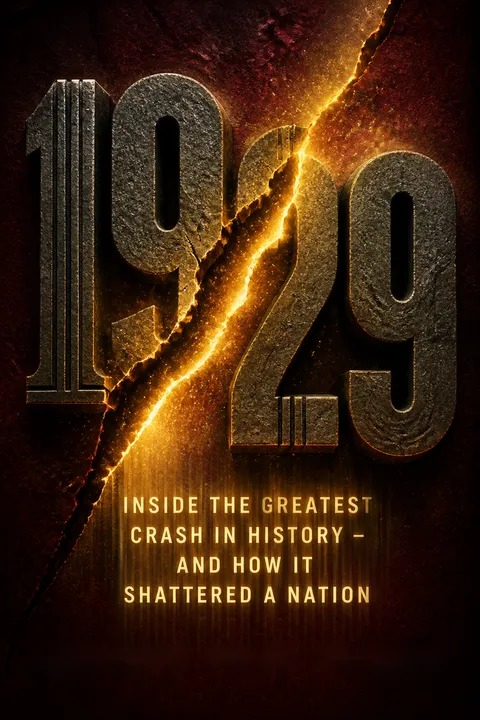
1. What is 1929: Inside the Greatest Crash in History – and How It Shattered a Nation by Andrew Ross Sorkin about?
- Comprehensive crash narrative: The book provides a detailed, human-centered account of the 1929 stock market crash, exploring the events, personalities, and consequences that shaped the era.
- Focus on key figures: Sorkin profiles influential bankers, politicians, and speculators, examining their motivations and actions before, during, and after the crash.
- Historical context and aftermath: The narrative situates the crash within the broader economic, political, and social environment of the late 1920s and early 1930s, including the Great Depression and regulatory reforms.
- Lessons and legacy: The book reflects on the enduring impact of the crash on American society, financial regulation, and the recurring nature of financial crises.
2. Why should I read 1929: Inside the Greatest Crash in History – and How It Shattered a Nation by Andrew Ross Sorkin?
- Rich historical insight: The book offers a deeply researched, nuanced chronicle that goes beyond statistics to reveal the human stories and institutional dynamics behind the crash.
- Understanding financial crises: Sorkin draws parallels between 1929 and modern crises, providing valuable lessons on market psychology, speculation, and regulatory failures.
- Humanizing history: By focusing on the personal stories and decisions of key actors, the book makes complex financial history accessible and relatable.
- Context for regulation: Readers gain a clearer understanding of how major reforms like the Glass–Steagall Act originated from the events and abuses of this era.
3. Who are the main characters in 1929: Inside the Greatest Crash in History – and How It Shattered a Nation by Andrew Ross Sorkin, and what roles did they play?
- Charles E. Mitchell: President of National City Bank, he aggressively promoted stocks and extended credit, becoming a central figure in both the boom and the blame after the crash.
- Thomas Lamont: Senior partner at J.P. Morgan, he played a key role in market stabilization efforts and advised presidents during the crisis.
- Carter Glass: Senator and architect of the Federal Reserve and Glass–Steagall Act, he led investigations into Wall Street abuses and pushed for banking reforms.
- Jesse Livermore and Richard Whitney: Livermore was a legendary trader who profited from the crash, while Whitney, a NYSE leader, tried to stabilize the market but later fell from grace due to embezzlement.
- Herbert Hoover: U.S. President during the crash, his policies and responses are examined for their impact on the unfolding crisis.
4. What were the main causes of the 1929 stock market crash according to Andrew Ross Sorkin?
- Speculative excess and margin buying: Rampant speculation fueled by easy credit and margin loans inflated stock prices far beyond their real value.
- Lax regulation and banking practices: Banks extended risky loans and blurred the lines between commercial and investment banking, creating systemic vulnerabilities.
- Economic imbalances: The consumer economy was built on debt, with uneven prosperity and underlying weaknesses in agriculture and industry.
- Federal Reserve’s limited intervention: The Fed’s inconsistent policies and internal conflicts failed to curb speculation or provide effective crisis management.
5. How did Charles Mitchell and National City Bank contribute to the 1929 crash, as described by Andrew Ross Sorkin?
- Aggressive market intervention: Mitchell used National City Bank’s resources to buy back its own stock and prop up prices, risking the bank’s solvency.
- Promotion of margin buying: The bank extended credit to ordinary Americans, making stock speculation accessible and fueling the bubble.
- Public confidence and controversy: Mitchell’s actions made him both a hero and a target, drawing criticism for encouraging risky speculation.
- Banking innovation and risk: National City’s practices exemplified the era’s financial innovation, but also its recklessness.
6. What role did the Federal Reserve and government officials play during the 1929 crash and its aftermath in Sorkin’s account?
- Federal Reserve’s inconsistent response: The Fed tried to tighten credit but failed to control speculative lending and hesitated to ease conditions during the crash.
- Internal conflicts: Disagreements between the New York Fed and the Washington board hampered decisive action.
- Government’s cautious approach: President Hoover downplayed the crisis and preferred voluntary cooperation over direct intervention.
- Political tensions: Figures like Carter Glass blamed bankers and pushed for reforms, while others resisted regulatory changes.
7. What were investment trusts and stock pools, and how did they contribute to the crash according to 1929 by Andrew Ross Sorkin?
- Leverage and speculation: Investment trusts pooled investor money to buy stocks, often using multiple layers of debt, amplifying risk and market leverage.
- Market manipulation: Stock pools involved coordinated buying and selling to create artificial demand and manipulate prices, attracting unwary investors.
- Regulatory gaps: These practices were legal but deceptive, contributing to inflated stock prices and market instability.
- Participation by major institutions: Leading banks and financiers, including National City and J.P. Morgan, were involved in these schemes.
8. What was the significance of the Pecora hearings in 1929: Inside the Greatest Crash in History – and How It Shattered a Nation?
- Senate investigation into Wall Street: Led by Ferdinand Pecora, the hearings exposed widespread abuses, conflicts of interest, and unethical practices among bankers.
- Public revelation of misconduct: Testimonies revealed secret loans, insider trading, and excessive executive compensation, shocking the public.
- Catalyst for reform: The hearings fueled demands for regulatory changes, including the Glass–Steagall Act.
- Symbol of accountability: Pecora’s relentless questioning marked a new era of government oversight and diminished Wall Street’s unchecked power.
9. What is the Glass–Steagall Act, and how did it change the banking industry according to Andrew Ross Sorkin?
- Separation of banking functions: The Act mandated the division of commercial banking from investment banking to reduce conflicts of interest and speculative risks.
- Creation of deposit insurance: It introduced federal insurance for bank deposits, restoring public confidence in the banking system.
- Response to public outrage: The law directly addressed the abuses revealed by the crash and the Pecora hearings.
- Long-term impact: Glass–Steagall fundamentally altered Wall Street’s structure and shaped American finance for decades.
10. How did the 1929 crash impact American society, politics, and culture according to 1929 by Andrew Ross Sorkin?
- Economic devastation: The crash triggered widespread bank failures, unemployment, and hardship, leading to the Great Depression.
- Political fallout: The crisis undermined the Hoover administration and spurred the rise of Roosevelt’s New Deal and major regulatory reforms.
- Cultural and psychological effects: Public attitudes toward wealth, risk, and capitalism shifted, inspiring literature and calls for change.
- Urban-rural divide: Prosperity was uneven, with rural areas suffering more, deepening social tensions.
11. What are the key lessons and enduring themes from 1929: Inside the Greatest Crash in History – and How It Shattered a Nation by Andrew Ross Sorkin?
- Human nature and market cycles: Booms and busts are driven by psychology—greed, fear, optimism, and herd behavior—which are perennial and hard to control.
- Limits of regulation and foresight: Systemic vulnerabilities and short-term incentives often overwhelm regulatory efforts and prudent judgment.
- Importance of humility: Sorkin argues that humility is the antidote to “irrational exuberance,” as no system is foolproof and history often repeats.
- Legacy of reform and resilience: The crash led to significant reforms and demonstrated the resilience of American society and capitalism.
12. What are the most notable quotes from 1929: Inside the Greatest Crash in History – and How It Shattered a Nation by Andrew Ross Sorkin, and what do they mean?
- On experience and learning: “The ordinary human being does not live long enough to draw any substantial benefit from his own experience. And no one, it seems, can benefit by the experiences of others.” —Albert Einstein, highlighting the challenge of learning from history.
- On bankruptcy: Ernest Hemingway’s line, “How did you go bankrupt? Two ways. Gradually, then suddenly,” encapsulates how economic confidence and crises unfold.
- On speculation: Carter Glass’s statement, “Stock trading is gambling wit matched against gambling wit. It does not contribute a thing to the happiness or the welfare of the country,” reflects the era’s critical view of speculation.
- On debt and optimism: Debt is described as “a powerfully optimistic force,” bringing future wealth into the present but also fueling risk and eventual collapse.
PDF डाउनलोड करें
EPUB डाउनलोड करें
.epub digital book format is ideal for reading ebooks on phones, tablets, and e-readers.








































