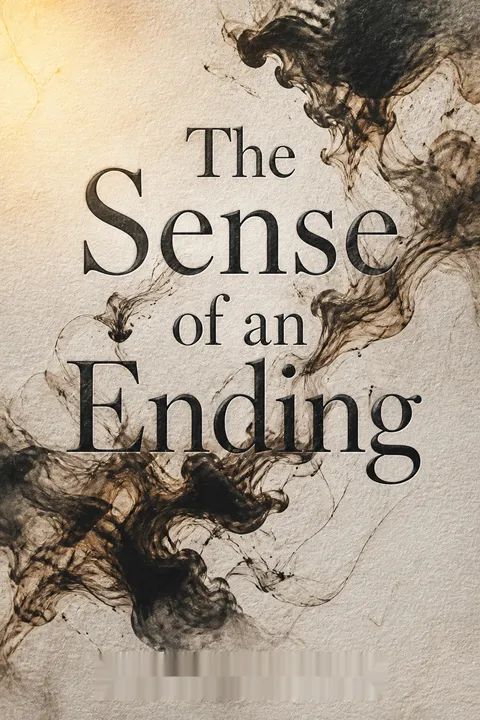

خلاصه داستان
پیوندها و خیانتهای دوران مدرسه
تونی وبستر که اکنون بازنشسته شده است، به دوران جوانی خود، بهویژه دوستیاش با آدریان فین میاندیشد؛ دانشآموز برجسته و جدی که به گروه دوستان تونی پیوست. آنها به واسطه بحثهای روشنفکرانه و تحقیر قدرت و مرجعیت، پیوند عمیقی با یکدیگر داشتند. ماهیت فلسفی آدریان او را از دیگران متمایز میکرد و تونی او را تحسین مینمود. با این حال، دوستی آنها با پیچیدگیهای زندگی و روابط، بهویژه رابطه با ورونیکا فورد، دختری که تونی مدت کوتاهی با او در رابطه بود، محک خورد. گذشته زمانی دوباره زنده میشود که تونی نامهای از یک وکیل دریافت میکند که از ارثیهای غیرمنتظره از سوی مادر ورونیکا، یعنی سارا فورد، پرده برمیدارد.
دوراهی فلسفی آدریان
زندگی و مرگ آدریان محور اصلی تاملات تونی است. آدریان که زمانی رهبر فکری گروه آنها بود، به زندگی خود پایان داد و یادداشتی فلسفی از خود به جا گذاشت که ماهیت زندگی و مسئولیتپذیری را زیر سوال میبرد. خودکشی او شوک بزرگی بود و تونی برای درک دلایل آدریان تلاش میکند. دفترچه خاطراتی که آدریان از خود به جای گذاشته و اکنون در دست ورونیکا است، به نمادی از سوالات بیپاسخ و سنگینی بار گذشته تبدیل میشود.
نفوذ مرموز ورونیکا
ورونیکا فورد، دوستدختر سابق تونی، همچنان شخصیتی مرموز در زندگی اوست. رابطه او با آدریان پس از جدایی از تونی، سرچشمه تنشها و احساسات حلنشده است. رفتارهای ورونیکا، از جمله نگهداشتن دفترچه خاطرات آدریان، تلاشهای تونی را برای درک گذشته ناکام میگذارد. ماهیت مرموز او و پیچیدگیهای رابطه دوران جوانیشان همچنان روح تونی را آزار میدهد، در حالی که او به دنبال به سرانجام رساندن این ماجرا و رسیدن به درک درستی از آن است.
نامه پشیمانی
نامهای که تونی به آدریان و ورونیکا نوشته بود، سرشار از تلخی و حسادت، آشکار میشود. این نامه که در اوج احساسات جوانی نوشته شده، به منبع پشیمانی عمیقی برای تونی تبدیل میگردد. این موضوع نشاندهنده ناپختگی گذشته او و پیامدهای ناخواسته کلماتش است. برملا شدن دوباره این نامه، تونی را مجبور میکند تا با رفتارهای گذشته خود و تأثیر آنها بر اطرافیانش روبرو شود.
گشودن کلاف گذشته
سفر تونی برای درک گذشته، او را به بازنگری در خاطرات و روابط قدیمی سوق میدهد. او به سراغ ورونیکا میرود، به این امید که دفترچه خاطرات آدریان را پس بگیرد و به افکار نهایی آدریان پی ببرد. این جستجو با چالشهای بسیاری همراه است، چرا که ورونیکا همچنان دستنیافتنی است و حقیقت زندگی و مرگ آدریان بسیار پیچیدهتر از آن چیزی است که تونی تصور میکرد.
راز دفترچه خاطرات
دفترچه خاطرات آدریان، کلید درک تاملات فلسفی او و رویدادهایی که منجر به خودکشیاش شد، همچنان از دسترس تونی دور است. امتناع ورونیکا از تحویل دادن آن، بر رمز و راز ماجرا میافزاید. این دفترچه خاطرات نمادی از سوالات بیجواب و بار سنگین خاطراتی است که تونی با خود به دوش میکشد. این اثر نشاندهنده امکان درک حقیقت و در عین حال محدودیتهای حافظه و تاریخ است.
رویارویی با خاطرات ناآرام
هرچه تونی بیشتر در گذشته غرق میشود، با واقعیت انتخابهای زندگی خود و تأثیر رفتارهایش روبرو میگردد. فرآیند بازنگری در خاطرات و روابط قدیمی، تونی را مجبور میکند تا درک خود از خویشتن و اطرافیانش را مورد ارزیابی مجدد قرار دهد. او با مفهوم مسئولیتپذیری و سنگینی تاریخچه زندگی خود دستوپنجه نرم میکند.
بار سنگین مسئولیت
سفر تونی به درک بار سنگین مسئولیتی ختم میشود که به خاطر رفتارهای گذشتهاش بر دوش دارد. مضامین حافظه، تاریخ و گذر زمان در کانون تاملات او قرار دارند. تونی به این درک میرسد که اگرچه نمیتواند گذشته را تغییر دهد، اما میتواند برای درک آن تلاش کند و با پذیرش نقش خود در رویدادهایی که زندگیاش را شکل دادهاند، به آرامش نسبی برسد.
Analysis
کاوش در حافظه، مسئولیتپذیری و زمان
رمان «همهمه زمان» (درک یک پایان) به پیچیدگیهای حافظه، مسئولیتپذیری و گذر زمان میپردازد. جولیان بارنز بررسی میکند که چگونه درک ما از گذشته توسط کاستیهای حافظه و ماهیت ذهنی زمان شکل میگیرد. این رمان بار سنگین مسئولیت و تأثیر رفتارهای گذشته بر حال را بررسی میکند، در حالی که تونی وبستر به دنبال درک حقیقت و به سرانجام رساندن گذشته است. بارنز از طریق شخصیتهای آدریان، ورونیکا و تونی، مضامین دوستی، عشق و جستجوی معنا را در جهانی برجسته میکند که در آن حافظه و تاریخ اغلب غیرقابل اعتماد هستند. رمان در نهایت این ایده را مطرح میکند که اگرچه ما نمیتوانیم گذشته را تغییر دهیم، اما میتوانیم برای درک آن تلاش کنیم و با پذیرش نقش خود در رویدادهایی که زندگیمان را شکل دادهاند، به آرامش نسبی دست یابیم.
خلاصه نقدها
کتاب درک یک پایان نوشتهی جولین بارنز، رمانی کوتاه و تاملبرانگیز دربارهی حافظه، پیری و غیرقابلاعتماد بودن تاریخچهی شخصی است. داستان زندگی تونی وبستر را دنبال میکند که به گذشتهی خود مینگرد و با حقایق جدیدی دستوپنجه نرم میکند. بسیاری از خوانندگان، نثر ماهرانهی بارنز و کاوش او در مضامین عمیق را میستایند، در حالی که برخی دیگر شخصیتها را کلافهکننده یا طرح داستان را تصنعی میدانند. این کتاب در سال ۲۰۱۱ برندهی جایزهی من بوکر شد و هم تحسین منتقدان و هم واکنشهای متفاوتی را از سوی خوانندگان به همراه داشته است.
دیگران نیز خواندهاند







Characters
Tony Webster
تونی وبستر مردی بازنشسته است که به گذشته خود، بهویژه روابطش با آدریان فین و ورونیکا فورد میاندیشد. او درونگرا است و با کاستیهای حافظه و پیامدهای رفتارهای دوران جوانیاش دستوپنجه نرم میکند. سفر تونی سفری برای جستجوی درک و به سرانجام رساندن گذشته است، در حالی که او با پیچیدگیهای مسئولیتپذیری و گذر زمان روبرو میشود.
Adrian Finn
آدریان فین شخصیتی کلیدی در گذشته تونی است که به هوش سرشار و ماهیت فلسفیاش شناخته میشود. خودکشی او تأثیری ماندگار بر تونی میگذارد و سوالاتی را درباره ماهیت زندگی و مسئولیتپذیری برمیانگیزد. دفترچه خاطرات آدریان به نمادی از رازهای حلنشده پیرامون زندگی و مرگ او تبدیل میشود.
Veronica Ford
ورونیکا فورد شخصیتی محوری در گذشته تونی است که به دلیل ماهیت مرموز و رابطه پیچیدهاش با تونی و آدریان شناخته میشود. رفتارهای او، از جمله نگهداشتن دفترچه خاطرات آدریان، تلاشهای تونی را برای درک گذشته ناکام میگذارد. نفوذ ورونیکا بر زندگی تونی بسیار عمیق است، در حالی که تونی به دنبال به سرانجام رساندن این ماجرا و رسیدن به درک درستی از آن است.
Sarah Ford
سارا فورد، مادر ورونیکا، ارثیهای برای تونی به جا میگذارد که تاملات او را درباره گذشته دوباره شعلهور میکند. رفتارها و انگیزههای او در هالهای از ابهام قرار دارد و بر پیچیدگی جستجوی تونی برای درک حقیقت میافزاید. نقش سارا در داستان، مضامین حافظه و گذر زمان را برجسته میکند.
Margaret
مارگارت همسر سابق تونی است که به صراحت لهجه و رویکرد عملیاش به زندگی شناخته میشود. او تضادی با مرموز بودن ورونیکا ایجاد میکند و به عنوان سنگ صبوری برای تاملات تونی عمل میکند. رابطه مارگارت با تونی، علیرغم طلاقشان، بر پایه احترام و درک متقابل استوار است.
Susie
سوزی دختر تونی است که نماینده نسل بعدی و گذر زمان است. رابطه او با تونی صمیمانه اما همراه با فاصله است که تغییرات در روابط خانوادگی را در طول زمان نشان میدهد. واقعبینی و استقلال سوزی با ماهیت درونگرای تونی در تضاد است.
Jack Ford
جک فورد، برادر ورونیکا، شخصیتی فرعی است که بر رمز و راز پیرامون خانواده فورد میافزاید. تعاملات او با تونی با نوعی احساس برتری و فاصله همراه است که نشاندهنده پیچیدگیهای طبقاتی و پویاییهای اجتماعی است.
Alex and Colin
الکس و کالین دوستان دوران مدرسه تونی هستند که در خاطرات دوران جوانی او و رویدادهای پیرامون زندگی و مرگ آدریان شریک هستند. حضور آنها در داستان، مضامین دوستی و گذر زمان را برجسته میکند، در حالی که تونی به تغییرات زندگی آنها میاندیشد.
Plot Devices
Memory and Time
این رمان به بررسی مضامین حافظه و زمان میپردازد و کاستیهای حافظه و ماهیت ذهنی زمان را برجسته میکند. تاملات تونی درباره گذشته تحت تأثیر درک او از این مفاهیم شکل میگیرد، در حالی که او با پیچیدگیهای تاریخ و مسئولیت فردی دستوپنجه نرم میکند.
The Diary
دفترچه خاطرات آدریان به عنوان یک ابزار پیرنگ محوری عمل میکند و نمادی از سوالات بیجواب و بار سنگین خاطراتی است که تونی با خود حمل میکند. این دفترچه خاطرات نشاندهنده امکان درک حقیقت و در عین حال محدودیتهای حافظه و تاریخ است، در حالی که تونی تلاش میکند تا حقیقت زندگی و مرگ آدریان را کشف کند.
Letters and Communication
نامهها و ارتباطات مکتوب نقش مهمی در رمان ایفا میکنند و تأثیر کلمات و پیامدهای رفتارهای گذشته را برجسته میسازند. نامه تونی به آدریان و ورونیکا به منبع پشیمانی عمیقی تبدیل میشود، زیرا او با پیامدهای ناخواسته کلمات دوران جوانیاش روبرو میگردد.
سؤالات متداول
Synopsis & Basic Details
What is The Sense of an Ending about?
- Memory and its unreliability: The novel explores how memory shapes our understanding of the past, highlighting its subjective and often unreliable nature. Tony Webster, the protagonist, revisits his youth, revealing how his recollections are influenced by time and personal biases.
- The weight of the past: The story delves into how past actions and relationships continue to impact the present. Tony's interactions with his former friends and girlfriend force him to confront the consequences of his youthful decisions and their lasting effects.
- The search for meaning: The narrative follows Tony's quest to understand the events surrounding his friend Adrian's suicide. This search for meaning leads him to question his own life choices and the nature of responsibility.
Why should I read The Sense of an Ending?
- Intricate character study: The novel offers a deep dive into the complexities of its characters, particularly Tony Webster, whose introspective nature and flawed perspective make him a compelling protagonist. His journey of self-discovery is both relatable and thought-provoking.
- Exploration of universal themes: The book tackles profound themes such as memory, time, responsibility, and the search for meaning, making it relevant to a wide range of readers. It prompts reflection on how we construct our personal histories and the impact of our choices.
- Masterful narrative technique: Julian Barnes employs a unique narrative style, blending introspection with subtle foreshadowing and unreliable narration. This technique keeps the reader engaged and encourages multiple interpretations of the story.
What is the background of The Sense of an Ending?
- Post-war British society: The novel is set against the backdrop of post-war Britain, reflecting the social and cultural changes of the time. The characters' experiences are shaped by the era's emphasis on education, social mobility, and the lingering effects of war.
- Intellectual and philosophical debates: The story is infused with intellectual and philosophical discussions, particularly through the character of Adrian Finn. These debates explore existential questions about life, death, and the nature of responsibility, reflecting the intellectual climate of the mid-20th century.
- Personal and historical context: The narrative intertwines personal experiences with broader historical events, highlighting how individual lives are shaped by the larger context of time and society. This interplay between personal and historical perspectives adds depth to the story.
What are the most memorable quotes in The Sense of an Ending?
- "History is that certainty produced at the point where the imperfections of memory meet the inadequacies of documentation.": This quote, attributed to Patrick Lagrange, encapsulates the novel's central theme about the unreliability of memory and the subjective nature of historical truth. It highlights the difficulty of reconstructing the past accurately.
- "We live in time—it holds us and moulds us—but I've never felt I understood it very well.": This quote reflects Tony's struggle to comprehend the nature of time and its impact on human experience. It underscores the novel's exploration of time's malleability and its influence on memory and perception.
- "I survived. 'He survived to tell the tale'—that's what people say, don't they? History isn't the lies of the victors, as I once glibly assured Old Joe Hunt; I know that now. It's more the memories of the survivors, most of whom are neither victorious nor defeated.": This quote reveals Tony's mature understanding of history as a collection of personal narratives, rather than a grand, objective truth. It emphasizes the importance of individual perspectives in shaping our understanding of the past.
What writing style, narrative choices, and literary techniques does Julian Barnes use?
- Unreliable first-person narration: Barnes employs a first-person narrative through Tony Webster, whose perspective is limited and often biased. This technique creates a sense of uncertainty and invites the reader to question the accuracy of his recollections and interpretations.
- Introspective and reflective tone: The novel is characterized by its introspective and reflective tone, as Tony constantly analyzes his past and present. This style allows for a deep exploration of his thoughts, feelings, and motivations, creating a sense of intimacy with the reader.
- Subtle foreshadowing and callbacks: Barnes masterfully uses subtle foreshadowing and callbacks to create a sense of interconnectedness and to hint at future revelations. These techniques enhance the novel's complexity and encourage multiple readings.
Hidden Details & Subtle Connections
What are some minor details that add significant meaning?
- The inside-wrist watch: The detail of Tony and his friends wearing their watches on the inside of their wrists symbolizes their attempt to control and personalize time. Adrian's refusal to adopt this habit foreshadows his different approach to life and his eventual rejection of conventional norms.
- The broken egg: Mrs. Ford's casual breaking of an egg and discarding it in the sink, followed by her laughter, reveals her unconventional nature and hints at a hidden complexity beneath her seemingly ordinary exterior. This detail foreshadows her later actions and her understanding of Veronica.
- The Chislehurst tour: Mr. Ford's exaggerated and inaccurate tour of Chislehurst reveals his performative nature and his desire to impress or perhaps mock Tony. This detail highlights the social dynamics and class differences at play in the story.
What are some subtle foreshadowing and callbacks?
- Robson's suicide: The discussion of Robson's suicide early in the novel foreshadows Adrian's own death and the philosophical questions it raises. The characters' initial reactions to Robson's death mirror their later responses to Adrian's, highlighting their evolving understanding of mortality.
- The "Eros and Thanatos" discussion: The English class discussion about "Eros and Thanatos" foreshadows the complex interplay of love and death in the characters' lives. This theme is further explored through Adrian's suicide and the relationships between Tony, Veronica, and Adrian.
- The "stagnation" conversation: The conversation between Tony and Veronica about their relationship "heading somewhere" or "stagnating" foreshadows their eventual breakup and highlights their differing views on commitment and personal growth. This conversation also foreshadows Tony's later feelings of stagnation in his own life.
What are some unexpected character connections?
- Mrs. Ford and Tony: The connection between Mrs. Ford and Tony, though brief, is significant. Her warning to Tony about Veronica and her later bequest suggest a hidden understanding and sympathy for him, contrasting with the rest of her family's treatment of him.
- Adrian and Jack: The connection between Adrian and Jack, though indirect, is revealed through Adrian's comment about "the way the English have of not being serious about being serious." This comment hints at a deeper understanding of Jack's character and the social circles he moves in.
- Tony and Adrian's son: The revelation that Adrian had a son, and that Tony encounters him later in life, creates an unexpected connection that highlights the lasting impact of the past. This connection forces Tony to confront the consequences of his actions and the complexities of responsibility.
Who are the most significant supporting characters?
- Sarah Ford: Sarah Ford, Veronica's mother, is a significant supporting character whose actions and motivations drive the plot. Her bequest to Tony and her hidden knowledge of Adrian's diary add layers of mystery and complexity to the story.
- Margaret: Margaret, Tony's ex-wife, serves as a pragmatic and insightful counterpoint to Tony's introspective nature. Her perspective provides a grounded view of Tony's actions and helps him to confront his past.
- Terry: Terry, the care worker, is a significant supporting character who reveals the truth about Adrian's son and the circumstances surrounding his life. His presence forces Tony to confront the consequences of his past actions and the complexities of responsibility.
Psychological, Emotional, & Relational Analysis
What are some unspoken motivations of the characters?
- Tony's need for validation: Tony's actions are often driven by a need for validation and approval from others, particularly Adrian and Veronica. This need for external validation shapes his relationships and his understanding of himself.
- Veronica's desire for control: Veronica's actions suggest a desire for control over her relationships and her own narrative. Her withholding of Adrian's diary and her enigmatic behavior reveal a need to maintain power and distance.
- Adrian's search for meaning: Adrian's philosophical nature and his eventual suicide suggest a deep-seated search for meaning and purpose in life. His actions are driven by a desire to understand the nature of existence and his place within it.
What psychological complexities do the characters exhibit?
- Tony's unreliable memory: Tony's psychological complexity is evident in his unreliable memory and his tendency to revise his past to fit his current understanding. This highlights the subjective nature of memory and the human capacity for self-deception.
- Veronica's guarded nature: Veronica's guarded nature and her refusal to reveal her true feelings suggest a deep-seated emotional complexity. Her actions are often driven by hidden motivations and a desire to protect herself from vulnerability.
- Adrian's intellectual detachment: Adrian's intellectual detachment and his tendency to analyze life from a philosophical perspective reveal a complex psychological makeup. His suicide suggests a struggle to reconcile his intellectual understanding with his emotional experience.
What are the major emotional turning points?
- The revelation of Tony's letter: The resurfacing of Tony's cruel letter to Adrian and Veronica is a major emotional turning point, forcing him to confront his past immaturity and the unintended consequences of his words. This revelation triggers a deep sense of remorse and self-reflection.
- The encounter with Adrian's son: Tony's encounter with Adrian's son is a major emotional turning point, forcing him to confront the lasting impact of his actions and the complexities of responsibility. This encounter shatters his idealized view of Adrian and his own past.
- The final email exchange with Veronica: The final email exchange with Veronica, where she states "You still don't get it," is a major emotional turning point, highlighting the limitations of Tony's understanding and his inability to fully grasp the complexities of their relationship. This exchange leaves him feeling isolated and defeated.
How do relationship dynamics evolve?
- Tony and Adrian's friendship: The friendship between Tony and Adrian evolves from a bond of intellectual camaraderie to a complex relationship marked by admiration, envy, and misunderstanding. Adrian's suicide and the subsequent revelations about his life force Tony to reevaluate their friendship.
- Tony and Veronica's relationship: The relationship between Tony and Veronica evolves from a youthful infatuation to a complex dynamic marked by miscommunication, manipulation, and unresolved feelings. Their interactions highlight the challenges of understanding another person and the lasting impact of past relationships.
- Tony and Margaret's relationship: The relationship between Tony and Margaret evolves from a marriage to a friendship marked by mutual respect and understanding. Their interactions provide a contrast to Tony's relationship with Veronica and highlight the importance of clear communication and emotional honesty.
Interpretation & Debate
Which parts of the story remain ambiguous or open-ended?
- Adrian's true motivations: Adrian's true motivations for his suicide remain ambiguous, despite his philosophical note. The novel leaves open the possibility that his reasons were more complex than his stated beliefs, inviting readers to question the nature of his decision.
- Veronica's feelings for Tony: Veronica's true feelings for Tony remain ambiguous throughout the story. Her actions and words are often contradictory, leaving the reader to wonder about her motivations and her perspective on their relationship.
- The meaning of the diary: The contents of Adrian's diary, beyond the fragment Tony sees, remain unknown, leaving the reader to speculate about its significance and the secrets it might contain. This ambiguity underscores the limitations of memory and the difficulty of fully understanding the past.
What are some debatable, controversial scenes or moments in The Sense of an Ending?
- Tony's letter to Adrian and Veronica: Tony's cruel letter is a controversial moment, highlighting his immaturity and the destructive power of words. Readers may debate the extent to which Tony is responsible for the consequences of his actions and whether he can be redeemed.
- Veronica's withholding of the diary: Veronica's refusal to hand over Adrian's diary is a controversial moment, raising questions about her motivations and her right to control the narrative of the past. Readers may debate whether her actions are justified or simply a form of manipulation.
- Adrian's suicide: Adrian's suicide is a controversial moment, prompting debate about the nature of responsibility and the philosophical implications of his decision. Readers may question whether his actions were a noble act of self-determination or a tragic failure to cope with life's challenges.
The Sense of an Ending Ending Explained: How It Ends & What It Means
- Tony's acceptance of uncertainty: The ending of "The Sense of an Ending" sees Tony accepting the uncertainty and ambiguity of the past. He acknowledges the limitations of his memory and the impossibility of fully understanding the events that shaped his life.
- The cyclical nature of time: The ending emphasizes the cyclical nature of time, as Tony revisits old haunts and encounters figures from his past. This cyclical structure suggests that the past is never truly over and continues to influence the present.
- The burden of responsibility: The ending highlights the burden of responsibility that Tony carries for his past actions. He comes to understand that while he cannot change the past, he can seek to understand it and find a measure of peace in accepting his role in the events that shaped his life. The final image of the river rushing upstream symbolizes the impossibility of reversing time and the need to accept the past as it is.
دانلود PDF
دانلود EPUB
.epub digital book format is ideal for reading ebooks on phones, tablets, and e-readers.








































